
 Budi Mulyono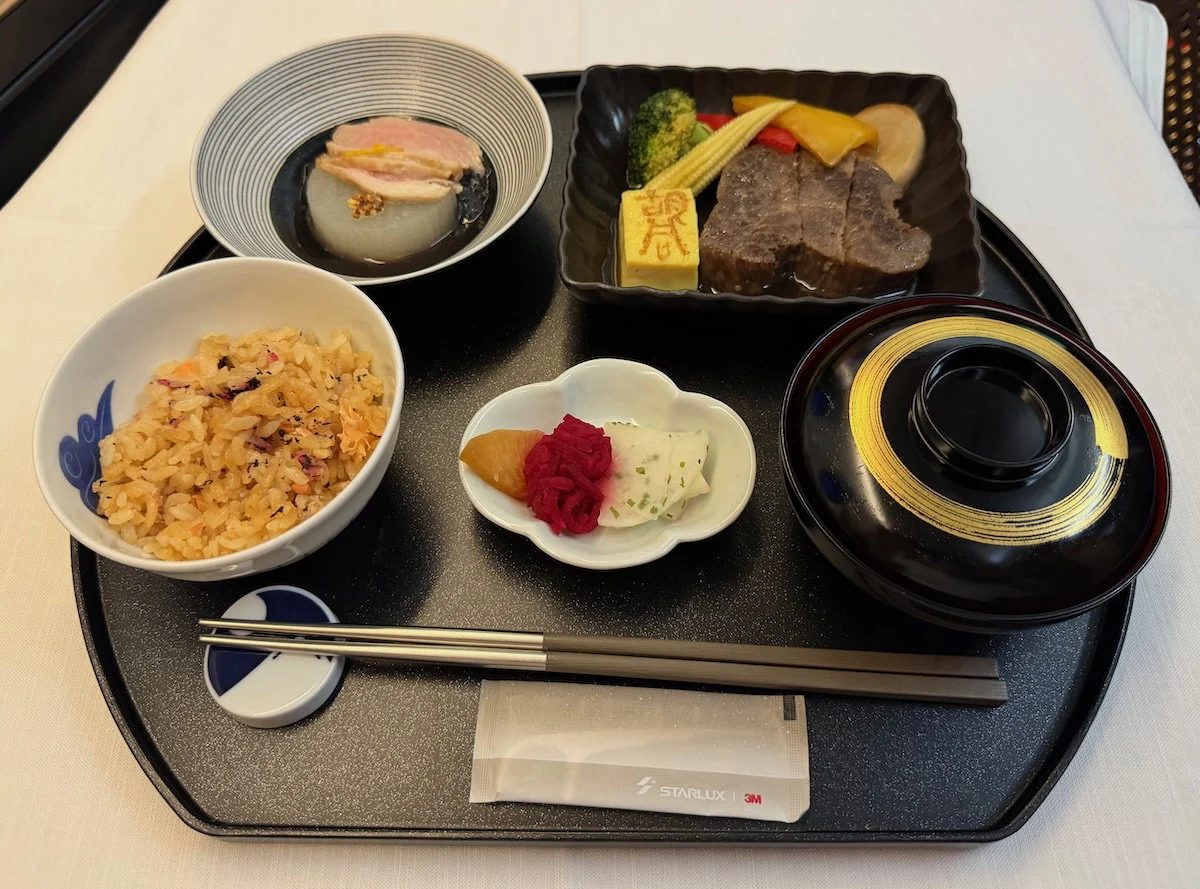
Starlux Airlines, the Taipei-based luxury carrier known for shaking up the transpacific market with its sophisticated Airbus A350 operations, has carved out a unique operational niche by offering its flagship First Class product on select short-haul routes within Asia. While the strategic deployment of aircraft allows the airline to maximize asset utilization between long-haul rotations, the resulting regional First Class experience has sparked debate regarding whether a sub-three-hour flight can truly deliver a premier luxury product. Following a connecting journey from Los Angeles to Taipei and subsequently onward to Tokyo Narita, industry analysts and frequent flyers have begun to evaluate the operational and commercial realities of Starlux’s intra-Asia First Class offerings.

Operational Strategy and Aircraft Rotation
The presence of First Class cabins on regional Asian flights is a direct byproduct of modern widebody fleet scheduling. Starlux Airlines operates its Airbus A350-900 and A350-1000 aircraft on lucrative transpacific routes, notably linking North American gateways such as Los Angeles (LAX) with its primary hub at Taiwan Taoyuan International Airport (TPE). Typically, these aircraft touch down in Taipei during the early morning hours following an overnight transpacific journey. Because the return flights to North America do not depart until late evening, the airline faces a multi-hour window during which these widebody jets would otherwise sit idle on the tarmac.
To optimize fleet productivity, Starlux dispatches these aircraft on regional "turn" flights to high-demand business and leisure destinations within East Asia, such as Tokyo Narita (NRT). This scheduling quirk creates a rare aviation anomaly: airlines rarely operate true First Class cabins on short-haul routes due to high operating costs and compressed service windows. Among major global carriers, only a select few—such as Emirates, Singapore Airlines on isolated regional sectors, and Cathay Pacific—consistently offer First Class seating on flights lasting under four hours. For Starlux, this regional deployment means passengers holding First Class tickets enjoy the physical suite designed for transpacific luxury, even if the duration of the flight severely limits the service delivery.

The Onboard Experience: Hard Product Versus Soft Product
A critical distinction must be drawn between the physical hardware and the service amenities when evaluating Starlux’s regional First Class. From a hardware perspective, the A350-1000 First Class suite is identical to the product found on the A350-900 long-haul flights. The private, enclosed suites offer industry-leading comfort, generous personal space, and direct aisle access, seamlessly blending into a larger business class cabin situated immediately behind the premier section.
However, the "soft product"—encompassing dining, beverages, and amenities—undergoes a significant reduction on shorter sectors. On transpacific flights, Starlux commands revenue fares hovering around $9,000 for a one-way First Class ticket, providing passengers with caviar service, comprehensive amenity kits, luxury pajamas, extensive bedding options, and curated gift sets. In contrast, regional First Class tickets are priced closer to $2,500 one-way.

While pre-ordered meal selections and the expansive beverage list—including the same premium sparkling rosé wine served on long-haul routes—remain largely intact, foundational First Class amenities are heavily scaled back. Passengers on the Taipei-to-Tokyo leg receive only basic, albeit stylish, pillows and blankets, along with slippers. Notably absent are amenity kits, sleepwear, and specialized culinary highlights like caviar service. Consequently, the regional experience closely mirrors what industry experts classify as "Business Class Plus," offering an elevated physical seat and superior catering, but lacking the comprehensive ceremonial flourishes expected of international First Class travel.
Ground Experience and Airport Infrastructure
Where Starlux consistently justifies its premier branding is in the comprehensive ground infrastructure, which remains remarkably robust regardless of flight duration. The airline has invested heavily in seamless airport transitions, beginning at its hub in Taipei. First Class passengers receive dedicated, individualized attention, often being escorted directly to the boarding gate in a manner synchronized with the opening of boarding queues, minimizing any waiting time in public terminal areas.

The ground experience at Tokyo Narita International Airport highlights the operational efficiency of Starlux’s partnerships. Arriving First Class passengers are greeted at the aircraft door by a dedicated escort who guides them through an expedited, VIP immigration channel—a discreet facility often hidden behind terminal partitions that many travelers do not realize exists.
Furthermore, Starlux distinguishes its baggage handling through an innovative operational concept tailored specifically for First Class clientele. Checked luggage belonging to First Class passengers is secured inside heavily branded, oversized storage crates prior to loading. Upon arrival at the destination, these crates are prioritized and unloaded ahead of standard baggage, ensuring that First Class bags appear on the baggage carousel almost immediately, often preceding the passenger’s arrival from immigration. This meticulous attention to detail underscores the airline’s commitment to protecting its luxury positioning on the ground.

Commercial Implications and Cabin Monetization
Despite the high quality of the hardware and the polished ground services, Starlux’s intra-Asia First Class strategy presents notable commercial paradoxes. Observational data from recent flights indicates that the First Class cabin frequently operates with very low load factors, occasionally carrying only a single passenger while dedicated flight attendants service the suite. This low utilization rate raises broader questions regarding yield management and the efficient monetization of premium assets.
Airlines traditionally rely on high-yield business travelers or frequent flyer redemptions to fill premium cabins. Starlux introduced a viable pathway for mileage redemption when it began allowing direct purchases of its loyalty currency, providing a more accessible route for enthusiasts compared to standard cash fares. Nevertheless, the substantial price gap between long-haul and short-haul tickets—combined with the omission of core luxury amenities on regional sectors—has led many travel analysts to advise consumers against purchasing short-haul First Class outright, suggesting instead that the value proposition is heavily weighted toward transpacific itineraries.

Broader Industry Context and Future Outlook
As the global aviation market continues to normalize following years of pandemic-era restructuring, luxury carriers are increasingly reevaluating the profitability of regional premium cabins. While legacy carriers in Europe and North America have largely abandoned domestic First Class in favor of standardized domestic business class or premium economy products, Asian carriers continue to experiment with widebody aircraft deployment on regional routes to capture high-spending corporate traffic between major metropolitan hubs.
Starlux Airlines, having launched operations relatively recently, remains in an aggressive brand-building phase. The carrier’s willingness to operate First Class cabins within Asia serves as a powerful marketing tool, showcasing its high-end design capabilities and service standards to a broad regional audience. However, as the airline matures, management may face strategic pressure to either standardize the soft product across all flight durations or refine its pricing and upgrade architectures to ensure higher cabin occupancy.

For passengers navigating the complex landscape of luxury air travel, the Starlux regional First Class experience serves as a cautionary tale of expectations versus operational reality. While the ground services, beverage selections, and physical seating rival the best in the industry, the lack of signature amenities on short sectors suggests that true international First Class remains an experience best reserved for long-haul journeys where the full scope of luxury can be realized.



 Anjar Salim
 Dwi Wanna
 Chandra Hamzah
 Gabriela Annisa
 Susilo Edi Turonggo
 Tatiana Tantri Indah Sari