
 Walid Sujud Trenggono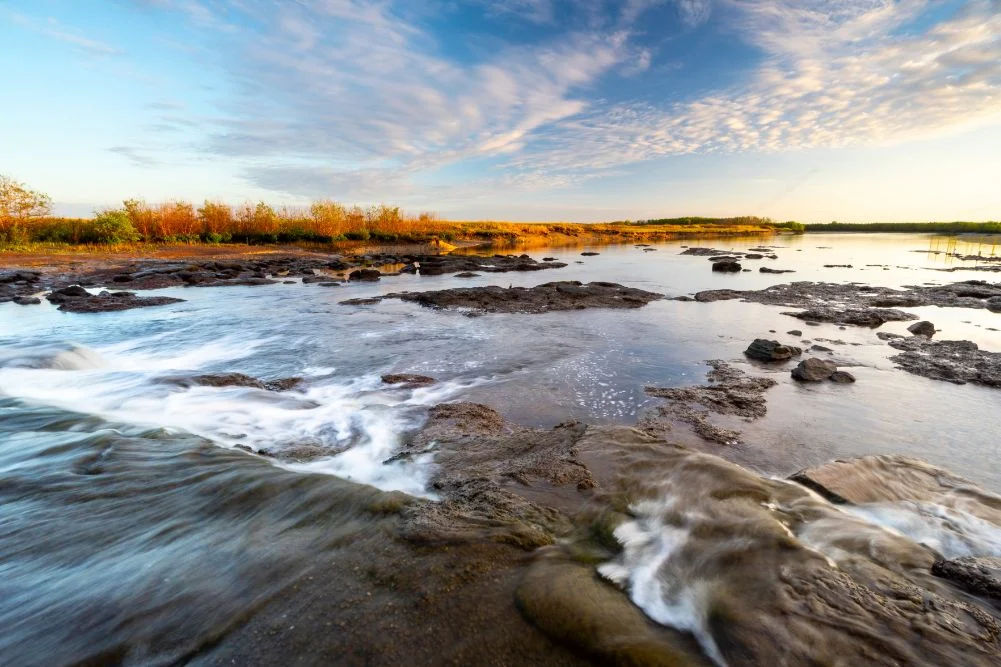
Located just 150 kilometers east of Darwin, the Mary River National Park spans a sprawling, ecologically diverse landscape that remains one of Australia’s premier wilderness destinations. Encompassing lily-fringed lagoons, vast verdant floodpains, dense monsoon forests, and intricate mangrove-lined tidal reaches, the park is celebrated for its dense population of estuarine crocodiles and world-class barramundi fishing. Despite its proximity to the urban comforts of the Northern Territory capital, the Mary River wetlands offer a raw, untamed glimpse into the Top End’s distinct ecosystem. As visitor numbers rebound following the seasonal reopening of regional access roads, tourism operators, conservationists, and travelers are turning their attention to the delicate balance between recreational access and the preservation of this vital wetland habitat.
Historical Context and Chronology of Exploration
The modern European history of the Mary River region is inextricably linked to the heroic and arduous efforts of early Australian explorers. In 1862, pioneering explorer John McDouall Stuart reached the banks of the Mary River near the end of his epochal, cross-country expedition. Stuart successfully mapped a 3,540-kilometer route from Port Augusta in South Australia to the northern coast, effectively opening Australia’s mysterious interior to eventual settlement and trade. The location where he rested near the river mouth was later named Shady Camp in his honor.
For generations, the floodplains supported Indigenous custodians who managed the land through traditional fire practices and sustainable harvesting. In the late 20th century, growing recognition of the area’s ecological significance prompted the Northern Territory Government to formally protect the watershed. In the late 1980s, a concrete barrage was constructed across the Mary River. The engineering project was designed to mitigate saltwater intrusion from the Arafura Sea, protecting sensitive upstream freshwater habitats from hypersalinity during dry periods. While the barrier altered local hydrological dynamics, it inadvertently created a unique convergence zone where marine and freshwater species interact, transforming sites like Shady Camp into iconic hubs for anglers and wildlife researchers alike.
Ecosystem Dynamics and Wildlife Management
Ecologically, the Mary River Wetlands represent a powerhouse of biodiversity. The park’s dynamic seasonal shifts—dictated by the monsoonal wet season from October to April and the cooler, dry season from May to September—trigger massive biological migrations. During the annual dry-season run-off, water draining from the wetlands flushes marine and freshwater aquatic life toward the sea, creating feeding frenzies for apex predators.
Estuarine crocodiles (Crocodylus porosus) dominate the waterways, frequently congregating around the Shady Camp barrage to prey on disoriented barramundi and mullet swept over the concrete structure. Concurrently, the park supports prolific avian populations. Ornithologists and birdwatchers regularly document species such as the comb-crested jacana—colloquially known as the "Jesus bird" for its ability to walk on floating lotus leaves—alongside magpie geese, jabirus, whistling ducks, and sea eagles.
However, managing such a volatile ecosystem presents ongoing challenges for park rangers and wildlife authorities. The density of apex predators requires strict safety protocols for campers and anglers. Furthermore, seasonal flooding regularly compromises infrastructure, necessitating rigorous maintenance schedules by the Northern Territory Parks and Wildlife Commission to ensure visitor safety while safeguarding vulnerable habitats from anthropogenic degradation.
Economic Impact and Tourism Infrastructure
Tourism serves as a vital economic driver for the Top End, with the Mary River region acting as a major anchor for regional visitation. The park offers a spectrum of experiences ranging from primitive bush camping at Shady Camp and Couzens Lookout to fully serviced stays at the Point Stuart Wilderness Lodge.
Local commercial operators report steady demand for guided fishing safaris and wetland cruises, particularly along Rockhole Billabong and Corroboree Billabong. These excursions generate substantial revenue for local communities and Indigenous enterprises, reinforcing the economic viability of regional conservation initiatives. According to regional tourism data, visitors to the Mary River contribute significantly to the Northern Territory’s drive-tourism sector, with international and interstate travelers frequently combining trips to Kakadu National Park with extended stays in the Mary River catchment.
Infrastructure investments, including upgraded boat ramps at Hardies Crossing, the Arnhem Highway crossing, and Shady Camp, have improved marine access for recreational fishers targeting the legendary Top End barramundi, as well as spotted saratoga, sooty grunter, and tarpon. Concurrently, strict regulatory frameworks governing catch limits and boat safety are enforced to prevent overfishing and ensure the long-term sustainability of the fishery.
Visitor Guidelines and Practical Information
For travelers planning an excursion to the Mary River National Park, adherence to seasonal safety guidelines is paramount. Access is heavily dictated by weather conditions; conventional vehicles can typically navigate the park via the Arnhem Highway and Point Stuart Road during the dry season (May to September), when daytime temperatures hover between 20°C and 31°C. Conversely, heavy monsoonal rains render unsealed roads impassable between October and April, triggering temporary park closures.
Entry fees are modest, structured at $10 per day for adults, with half-price rates for children, or $30 for a comprehensive two-week pass valid across all Northern Territory-operated national parks. Campgrounds at Couzens Lookout and Shady Camp provide essential amenities, including picnic tables, fire pits, and eco-toilets, priced at $10 per adult per night. Visitors are strongly advised to pack adequate supplies of drinking water, firewood, robust mosquito repellent, and safety gear.
As regional authorities continue to balance the demands of an expanding adventure-tourism market with rigorous environmental stewardship, the Mary River National Park stands as a testament to the resilience of Australia’s northern frontier—a place where untamed wilderness and accessible discovery coexist in delicate equilibrium.



 Cholid Fahmi Thalib
 Budi Mulyono
 Lukman Taruna Persada Ramadan
 Anjar Salim
 Dwi Wanna