
 Walid Sujud Trenggono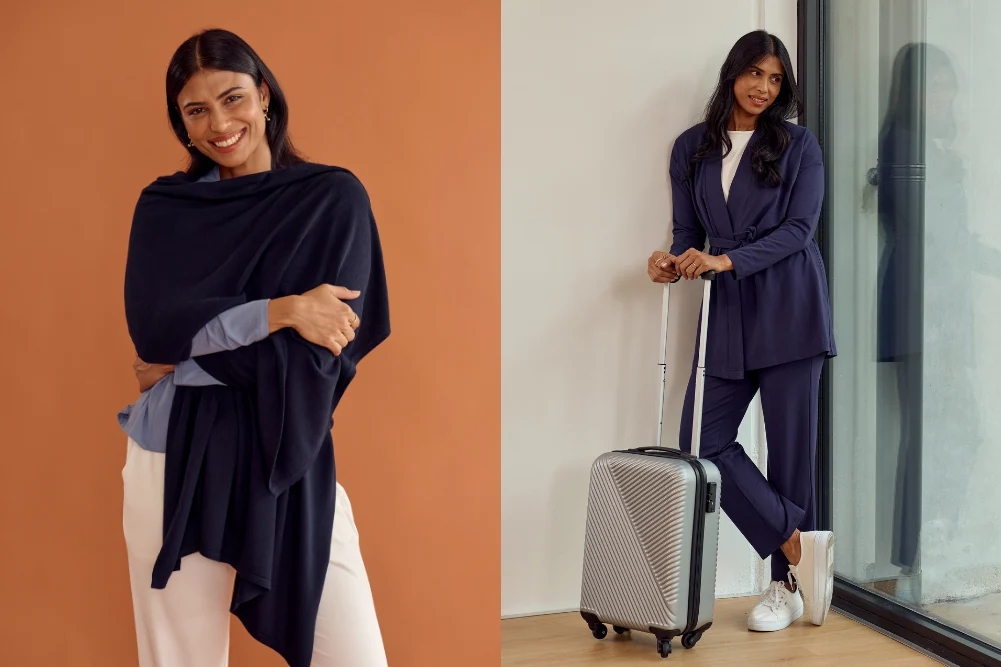
Stepping off an international flight, a domestic cross-country journey, or a long-distance road trip feeling stiff, chilled, and entirely disheveled is a universally frustrating experience that millions of travelers endure annually. The psychological and physical toll of transit has long been a subject of study within aviation medicine and ergonomics, yet the fundamental solution often begins long before boarding passes are scanned or luggage is checked. What an individual wears at 35,000 feet is far more than a stylistic choice; it is a critical physiological and psychological buffer against the unique environmental stressors of modern travel. As the global tourism and business travel sectors continue their robust post-pandemic recovery, frequent flyers and holidaymakers alike are increasingly re-evaluating the mechanics of transit wear, moving away from restrictive fashion toward engineered comfort.
The persistent query of what to wear when navigating airports, security checkpoints, and pressurized airplane cabins remains one of the most frequently discussed topics among modern travelers. Whether embarking on a grueling 14-hour flight from Sydney to Los Angeles, setting sail on a multi-week cruise, or navigating the vast expanses of the Australian outback on an extended road trip, the wardrobe choices made at the outset dictate the physical baseline of the entire journey. For nearly two decades, the Australian apparel label Bamboo Body has occupied a unique niche within this space, pioneering the use of sustainable, ultra-soft bamboo textiles designed specifically to address the fluctuating micro-climates of travel. By analyzing the intersection of textile science, ergonomics, and practical travel logistics, industry experts are uncovering the precise methodology required to arrive at a destination feeling thoroughly refreshed.
The Evolution of Travel Attire: From Formal Wear to Functional Ergonomics
To understand the modern philosophy of travel wardrobes, one must examine the historical context of transit fashion. Decades ago, commercial aviation was characterized by formal dress codes, where passengers routinely boarded aircraft in tailored suits, wool trousers, and stiff leather shoes. While aesthetically rigid, this era gave way to an era of declining comfort as commercial air travel democratized and seat pitches narrowed. By the late 20th and early 21st centuries, the pendulum swung entirely toward unstructured casual wear, frequently resulting in haphazard combinations of overly baggy sweatpants or restrictive denim that failed to accommodate the physiological changes the human body undergoes during extended periods of confinement.
Modern aviation medicine highlights several physiological challenges associated with long-haul transit, including localized edema (swelling of the extremities), decreased circulation, skin dehydration, and rapid fluctuations in ambient cabin temperature. Air inside commercial aircraft cabins is typically maintained at a very low relative humidity—often between 10 and 20 percent, which is drier than the Sahara Desert. Consequently, material selection is no longer merely a matter of personal style; it is an exercise in biological management. Synthetic fabrics such as polyester and nylon frequently trap heat and moisture, leading to discomfort, skin irritation, and unpleasant odors after hours in transit. In contrast, natural, highly breathable fibers have emerged as the gold standard for long-distance mobility.
Taking the Guesswork Out of Packing: The Rise of Coordinated Travel Sets
One of the most effective strategies for mitigating pre-trip anxiety and ensuring a polished arrival is the implementation of a coordinated travel set. Packing decisions often induce cognitive fatigue, particularly when travelers attempt to mix and match separates under tight time constraints. The concept of the matching travel set eliminates this friction by offering pre-styled, cohesive ensembles designed for continuous wear.
Industry analysts note a significant surge in consumer demand for elevated loungewear and multi-functional transit kits over the past five years, driven largely by hybrid work lifestyles and a renewed emphasis on wellness. High-quality travel sets typically feature relaxed silhouettes, non-restrictive elasticized waistbands, and wrinkle-resistant construction. These design elements ensure that the wearer maintains a sophisticated, put-together aesthetic from the moment they clear airport security through to their arrival at a hotel lobby or business meeting, bypassing the need for immediate wardrobe changes upon landing.
Bamboo-based travel coordinates, in particular, offer distinct advantages in this arena. The natural drape of bamboo viscose allows the fabric to move fluidly with the body without clinging or binding during prolonged periods of sitting. Furthermore, the inherent resilience of the fiber means that garments maintain their structural integrity even after enduring hours of compression in cramped airline seating, effectively eliminating the unsightly creases and wrinkles associated with cotton or linen alternatives.
Combating Cabin Climate Volatility: The Science of Layering and Wraps
Few environmental variables are as notoriously unpredictable as the interior climate of a commercial aircraft. Passengers frequently encounter sweltering conditions during the initial boarding process while the aircraft is stationary on the tarmac and environmental control systems are operating at reduced capacity. However, once airborne at cruising altitude, cabin temperatures can plummet dramatically, turning a once-comfortable environment into a chilly, drafty space.
This thermal volatility underscores the vital importance of strategic layering. Relying on a single heavy outer garment or a thin t-shirt is fundamentally inefficient for managing these extremes. Instead, travel specialists advocate for a modular layering system consisting of a breathable base layer, a versatile mid-layer, and an adaptable outer wrap.
A generously proportioned travel wrap—particularly one crafted from an innovative blend of bamboo and recycled cashmere—serves multiple functions within this modular system. During transit through bustling terminal concourses, it can be styled effortlessly as a chic scarf. Once on board, it functions as a shawl to ward off aggressive air-conditioning drafts, and during rest periods, it easily transforms into a lightweight, comforting blanket. The inclusion of recycled cashmere alongside bamboo elevates the thermal performance of the garment, providing luxurious warmth without adding excessive weight or bulk to carry-on luggage allowances.
Beneath this outer layer, the foundation of a successful travel outfit relies heavily on base layers such as fitted singlets, lightweight short-sleeve tees, or long-sleeve foundational tops. Bamboo fabric naturally excels in these applications due to its unique micro-structure, which features microscopic gaps and perforations that facilitate superior airflow and moisture management. As the body’s internal thermostat fluctuates in response to changing external environments, bamboo-based textiles actively wick perspiration away from the skin while providing continuous temperature regulation, keeping the wearer neither too hot nor excessively cold.
The Micro-Details: Why Footwear and Accessories Matter
While major garments dictate the overall comfort profile of a travel outfit, overlooked accessories often spell the difference between a tolerable journey and an exhausting one. Footwear and socks, in particular, require meticulous planning. Due to changes in cabin pressure and prolonged immobility, blood circulation slows significantly during long-haul flights, frequently leading to cold feet and localized swelling.
Once passengers settle into their seats and remove rigid footwear, standard cotton or synthetic socks often fail to provide adequate thermal comfort or moisture control. Specialized bamboo socks have gained substantial traction among frequent flyers for their exceptional softness, hypoallergenic properties, and natural odor-resistant qualities. Because bamboo fibers are exceptionally smooth and round, they glide gently against sensitive skin, minimizing friction and preventing the development of blisters or irritation. Furthermore, their superior breathability prevents overheating, ensuring that feet remain at a stable, comfortable temperature throughout the duration of the flight.
Economic and Lifestyle Implications of Wellness-Focused Travel Wear
The broader adoption of functional, high-performance transit wear reflects a fundamental shift in consumer values toward wellness-integrated lifestyle choices. As global mobility rebounds to pre-pandemic levels—with international passenger traffic continuing to break seasonal records—travelers are placing an unprecedented premium on self-care and physical well-being while in transit.
Market researchers point out that apparel brands focusing on sustainable, multi-use travel essentials are experiencing robust growth as consumers pivot away from fast-fashion disposable garments in favor of durable, versatile investment pieces. By prioritizing textiles that offer ecological sustainability, superior ergonomics, and timeless aesthetic appeal, brands like Bamboo Body are helping to redefine the standard parameters of modern travel.
Ultimately, the overarching objective of any well-considered travel outfit is invisibility—the sensation of wearing garments that adapt so seamlessly to the body’s needs that they become entirely unnoticeable. By blending sustainable textile engineering with thoughtful, functional design, travelers can successfully neutralize the physical strains of transit, ensuring they arrive at their destinations not depleted by the journey, but restored, energized, and authentically themselves.



 Anjar Salim
 Dwi Wanna
 Chandra Hamzah
 Gabriela Annisa
 Susilo Edi Turonggo
 Tatiana Tantri Indah Sari