
 Susilo Edi Turonggo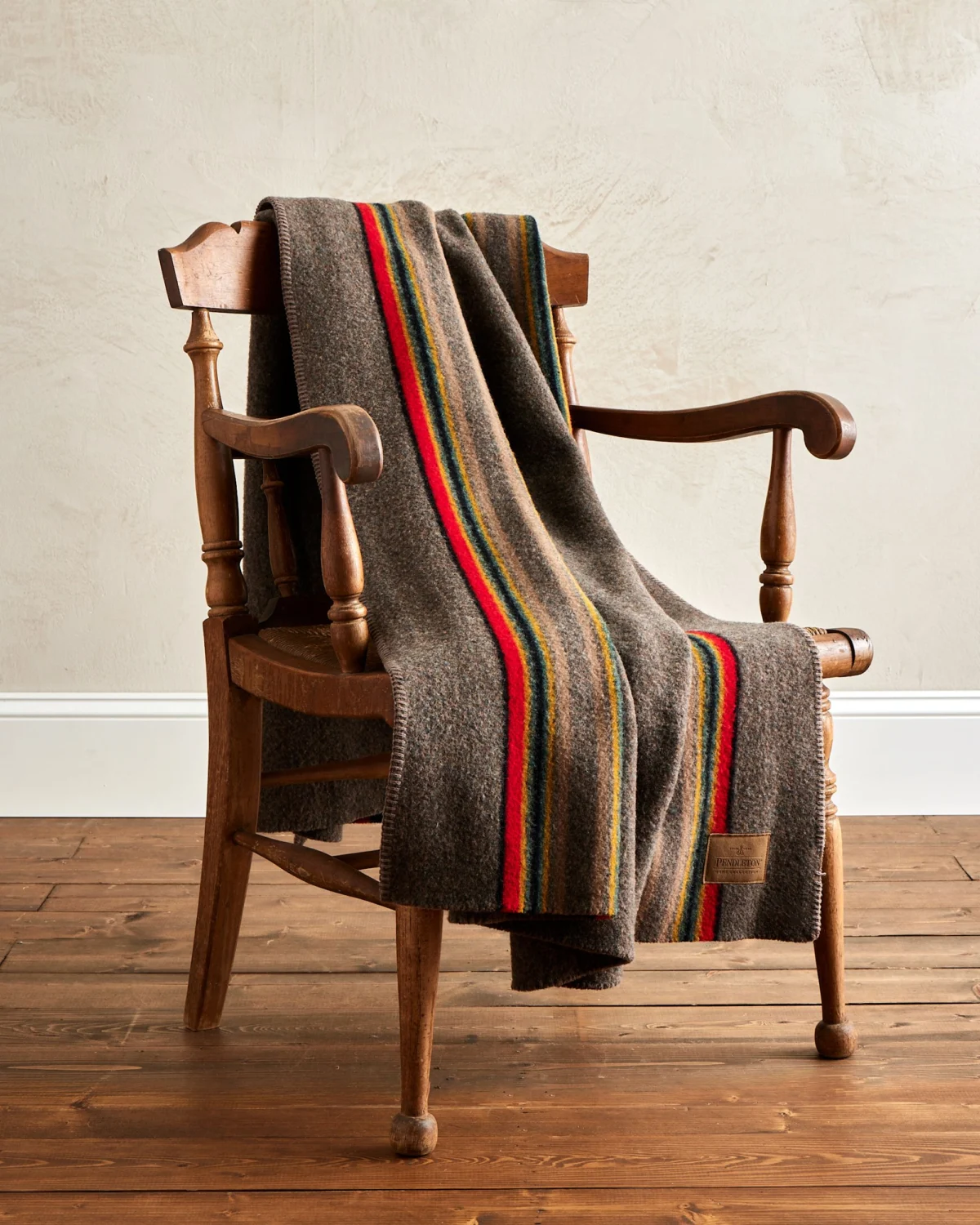
As the winter season approaches, the demand for high-quality, durable home textiles spikes, prompting a shift in consumer behavior toward conscious purchasing. The blanket market, historically saturated with mass-produced synthetic materials, is currently undergoing a significant transition as shoppers prioritize health, environmental impact, and supply chain transparency. Modern consumers are increasingly scrutinizing the chemical composition of their home goods, moving away from conventional textiles treated with potentially harmful substances in favor of natural, certified fibers.
The Hidden Risks of Conventional Textile Manufacturing
The textile industry has long relied on synthetic dyes to achieve vibrant colors and finishes. Among the most concerning of these are immuno-sensitizing azo-benzene disperse dyes. These chemicals are frequently utilized in the production of polyester and other petroleum-based fabrics. Recent studies in textile chemistry indicate that these substances can remain on the fabric surface, posing risks of dermal absorption or inhalation as the fibers shed into household dust.
For the average household, the cumulative exposure to these chemicals is a growing concern for public health advocates. Unlike food or cosmetic products, home textiles are rarely subject to rigorous toxicity testing before reaching the retail shelf. Consequently, certifications such as Oeko-Tex Standard 100 and bluesign have become the industry gold standard for verifying that a product is free from harmful levels of over 100 substances known to be hazardous to human health. By opting for textiles that meet these rigorous third-party criteria, consumers can mitigate the risk of skin reactions and respiratory irritation.
The Environmental and Economic Case for Natural Fibers
The shift toward organic cotton, merino wool, alpaca, linen, hemp, and Tencel is not merely a trend; it is an economic response to the environmental degradation caused by synthetic textile waste. Conventional polyester production is highly energy-intensive and contributes to microplastic pollution, as synthetic fibers break down and enter wastewater systems during every laundry cycle.
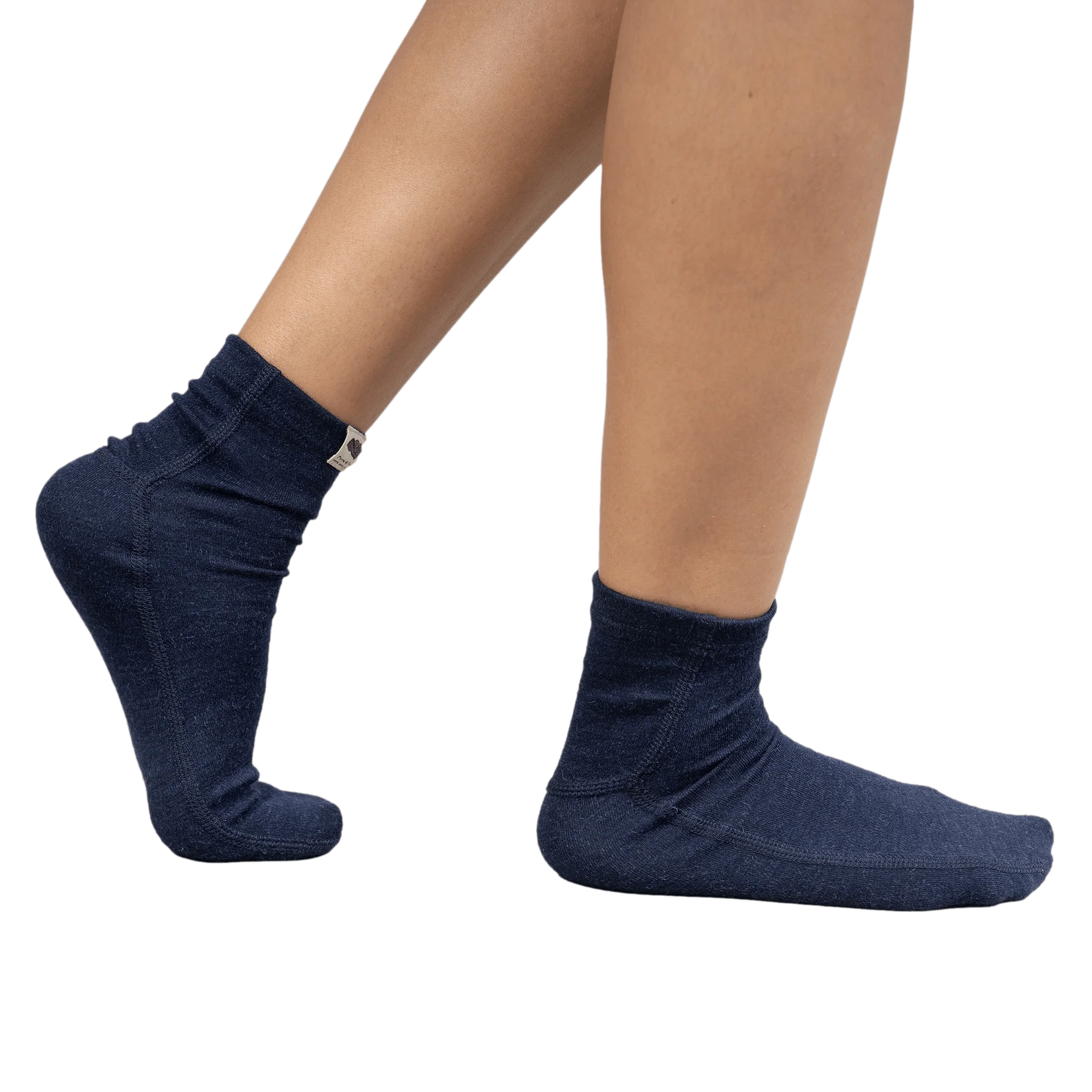
In contrast, natural fibers offer superior thermal regulation and longevity. Wool, for instance, possesses natural anti-odor properties and moisture-wicking capabilities, which significantly reduces the frequency of laundering required. This not only extends the lifespan of the product but also reduces the environmental footprint associated with household energy and water consumption. Historically, heirloom-quality blankets were designed to last generations, a concept that is being reintroduced into the modern marketplace by brands prioritizing durability over the "fast-furniture" business model.
A Chronology of the Sustainable Home Movement
The evolution of the sustainable textile market can be traced back to the late 20th century, when the organic movement began to challenge industrial agricultural practices. In the early 2000s, the rise of the Fair Trade movement brought global attention to the labor conditions within the textile supply chain, particularly in South and Southeast Asia.
- 2000–2010: The emergence of third-party certifications like the Global Organic Textile Standard (GOTS) provided a framework for transparency.
- 2010–2018: The mainstream adoption of the "B Corp" certification helped consumers identify companies that balanced profit with social and environmental performance.
- 2019–Present: The pandemic accelerated the "nesting" trend, where consumers invested more heavily in the quality of their home environment, further driving the growth of the sustainable home goods sector.
Ethical Supply Chains and Artisan Partnerships
The human element of production remains a central pillar of the modern sustainable home goods industry. Ethical supply chain management involves ensuring that artisans—often skilled weavers working in traditional methods—receive fair wages and operate in safe, regulated environments. Companies that collaborate with these artisans often utilize a "direct-to-maker" model, which bypasses excessive middlemen, thereby increasing the percentage of the retail price that reaches the craftspeople.
Industry analysts observe that brands achieving the highest consumer trust are those that provide granular, traceable information. By identifying the specific region of origin and the specific manufacturing facility, these companies foster a sense of accountability that is absent in traditional, anonymous global supply chains.
Market Leaders: A Selection of Ethical Manufacturers
The following organizations have established themselves as benchmarks for transparency and material integrity within the sector:
Pendleton
Founded in 1909, this American institution operates two of the last remaining woolen mills in the United States. By managing the entire production process—from scouring and dyeing to weaving and hand-finishing—Pendleton maintains strict quality control and supports local wool farmers. Their commitment to Oeko-Tex certification underscores a balance between heritage craftsmanship and modern safety standards.
Minna
As a certified B Corp based in New York, Minna exemplifies the modern, mission-driven brand. By focusing on abstract, minimalist designs and sourcing from artisan cooperatives in Central and South America, the company provides a transparent roadmap for its products. Each item is accompanied by details regarding its maker, reinforcing the connection between the consumer and the artisan.
April Notes
Operating on a made-to-order model, April Notes effectively addresses the industry-wide problem of overproduction. By manufacturing in small, boutique ateliers in Lithuania, they ensure high-quality construction using linen, cotton, and merino wool, all while maintaining fair labor standards and minimizing textile waste.
Avocado
Known for its role in the eco-friendly mattress market, Avocado has expanded its expertise into home textiles. Their approach to using naturally occurring colors in alpaca wool—thereby eliminating the need for dyes entirely—sets a high bar for environmental stewardship. Their supply chain is subject to regular third-party audits, providing a verifiable record of their ethical claims.
Coyuchi
Coyuchi has gained significant market share by focusing on organic materials and Fair Trade-certified manufacturing. Their comprehensive online blanket guide serves as an educational tool, empowering consumers to select products based on specific material properties and environmental certifications rather than marketing claims alone.
Savvy Rest
Focusing on domestic production, Savvy Rest offers dye-free, organic cotton blankets. By keeping the manufacturing process within the United States, the company reduces the carbon emissions associated with international shipping while ensuring that labor practices comply with rigorous American workplace safety regulations.
Under the Canopy
This brand utilizes a global sourcing strategy, working with artisans in India, Pakistan, and Turkey to produce Oeko-Tex-certified textiles. By utilizing low-impact dyes and high-quality merino wool from Argentina, they maintain a focus on long-lasting, intentional design.
Boll & Branch
Specializing in luxury home goods, this company has integrated traceability into its core business model. By working with Fair Trade-certified factories and utilizing organic cotton, they cater to consumers who seek both comfort and assurance regarding the human cost of their purchases.
Bearaby
Bearaby has redefined the weighted blanket category by emphasizing sustainable materials like Tencel and organic cotton. By avoiding the common use of plastic pellets or synthetic fillers, they provide a wellness-focused product that aligns with modern ecological standards.
Cold Picnic
By blending artistic design with domestic manufacturing, Cold Picnic produces quilts and throws that function as both home decor and functional textiles. Their use of Oeko-Tex-certified recycled cotton reflects a circular economy approach to textile production.
Parachute
Parachute has successfully integrated a modern, direct-to-consumer model with traditional, high-quality manufacturing. By partnering with skilled artisans in Portugal and Turkey, they provide a range of blankets that balance contemporary aesthetics with ethical production.
The Citizenry
This brand focuses on "collectible" home goods, sourcing handwoven products from across the globe. Their commitment to full transparency, including the publication of the stories and locations of their artisan partners, allows consumers to understand the provenance of their purchase.
Made Trade
Acting as a curated marketplace, Made Trade provides a vital service for consumers who wish to shop according to specific values. By vetting every product for sustainability and transparency, they simplify the shopping process and help bridge the gap between niche ethical brands and mainstream consumers.
Broader Impact and Future Implications
The transition toward sustainable home textiles is indicative of a broader shift in global commerce. As supply chain regulations become stricter—partly due to legislative changes like the EU’s Corporate Sustainability Due Diligence Directive—companies are being forced to improve their transparency.
For the average consumer, the implications are profound. The purchase of a blanket is no longer just a transaction; it is a vote for a supply chain that values human health, environmental sustainability, and the preservation of artisanal craft. As the market continues to mature, it is likely that the "premium" associated with these sustainable practices will decrease, as economies of scale and technological advancements in natural fiber processing continue to make ethical options more accessible to a wider demographic. The future of the home goods industry lies in this convergence of comfort, safety, and accountability, signaling the end of the era of unchecked, synthetic-heavy manufacturing.



 Chandra Hamzah
 Gabriela Annisa
 Budi Mulyono

 Walid Sujud Trenggono