
 Gabriela Annisa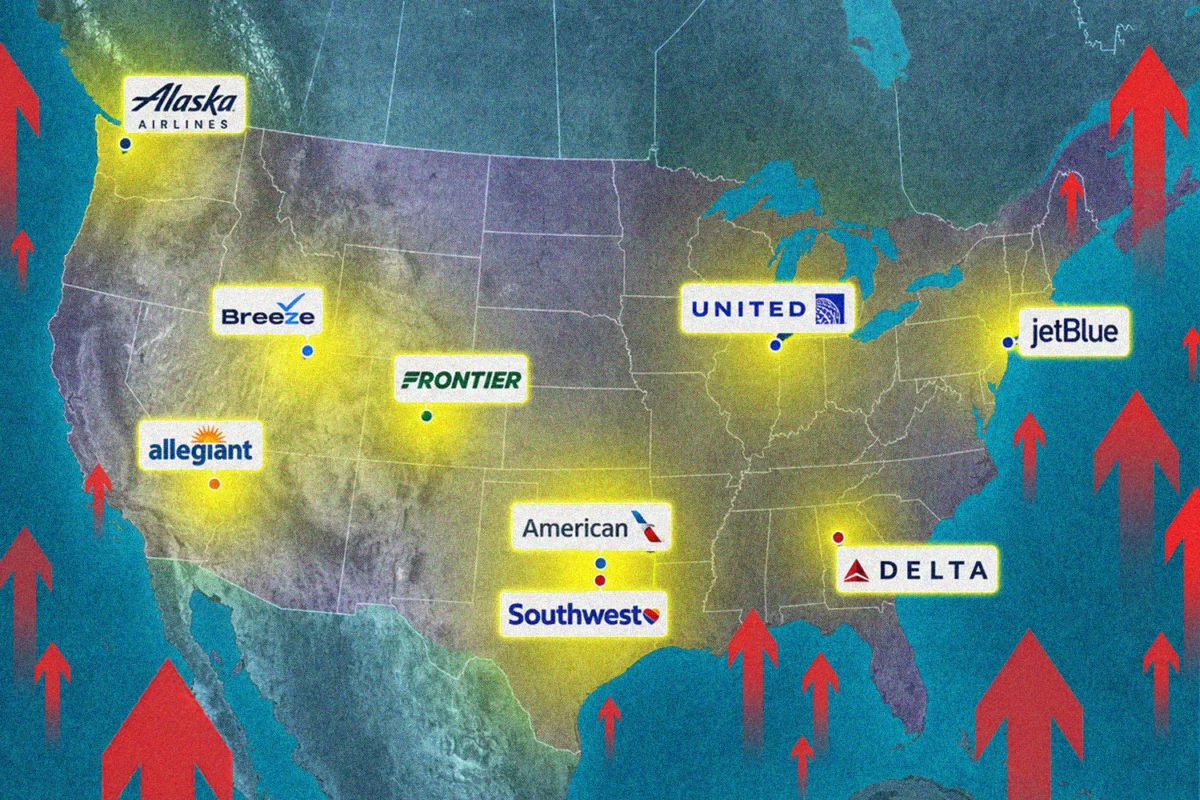
The North American aviation sector is currently navigating a period of profound volatility, characterized by a sharp escalation in jet fuel prices that threatens to destabilize the hard-won profitability achieved in the post-pandemic recovery era. As of September 2026, major carriers across the United States and Canada are finding themselves in a high-stakes balancing act: managing the crushing weight of rising operational expenditures while simultaneously attempting to gauge the elasticity of consumer demand. While revenue streams have remained unexpectedly resilient through the third quarter, industry analysts are increasingly questioning whether the current pricing environment is sustainable or if the sector is approaching a systemic breaking point.
The Anatomy of the Fuel Crisis
The current surge in jet fuel prices is not an isolated event but rather the confluence of global geopolitical tensions, restricted refinery capacity, and the persistent volatility of crude oil benchmarks. Jet fuel typically accounts for approximately 20% to 30% of an airline’s total operating expenses, making it the most significant variable cost in the industry.
When fuel prices climb, airlines generally employ three primary strategies to mitigate the damage: hedging, capacity management, and fare surcharges. However, in the current market, traditional hedging strategies have proven less effective due to the sustained nature of the price increases. Many carriers, having scaled back their hedging programs during the liquidity crunches of 2020 and 2021, find themselves exposed to the spot market price, forcing them to pass these costs directly to the passenger.
Chronology of the 2026 Energy Headwinds
The trajectory of the current crisis can be traced back to early 2026, when supply chain bottlenecks in the energy sector began to mirror the systemic issues seen in aviation maintenance. By April 2026, global crude oil prices began a steady climb, spurred by reduced production quotas from major exporting nations and an unexpected surge in demand from industrial sectors.
By June 2026, the cost of jet fuel reached levels not seen since the inflationary peaks of the previous decade. Airline executives initially characterized the trend as a temporary market correction, but by mid-August, the industry was forced to acknowledge the structural nature of the price hike. This acknowledgment prompted a series of mid-quarter guidance revisions, where major legacy carriers began to signal that profit margins—previously expected to expand—would likely contract in the final months of the year.
Supporting Data: A Landscape of Rising Costs
Data from the Bureau of Transportation Statistics and industry tracking firms suggest that the fuel surcharge gap is widening. While the average domestic ticket price has risen by roughly 12% compared to the same period in 2025, the cost per available seat mile (CASM) for fuel alone has increased by nearly 22%.
This discrepancy highlights a critical issue: airlines are currently absorbing a portion of the price spike to maintain load factors. For instance, in the budget carrier segment, where price sensitivity is extreme, profit margins have thinned to single digits. Conversely, premium and business-class segments continue to show robust demand, with corporate travel spending holding firm despite the macro-economic uncertainties. The dichotomy between the leisure traveler, who may be reaching a price ceiling, and the corporate traveler, who prioritizes reliability, is defining the current winners and losers in the North American market.
Official Responses and Industry Sentiment
While individual corporate statements are guarded, the collective sentiment among airline leadership is one of "cautious observation." During recent investor briefings, spokespeople for major carriers emphasized the "robustness of the booking curve," suggesting that passengers are currently willing to absorb higher costs to maintain their travel plans.
"The industry is currently in a state of high-intensity management," noted a senior analyst at a leading aviation research firm. "Carriers are not hitting the panic button because they still possess significant pricing power, particularly on transcontinental routes. However, the margin for error has evaporated. Any further escalation in fuel costs, combined with a potential cooling in labor market growth, could force a rapid retraction in route expansion plans."
There is also growing concern regarding the impact on regional connectivity. Smaller carriers, which lack the scale and diversified revenue streams of global operators, are under immense pressure to rationalize their networks. This has led to an uptick in the suspension of flights to secondary and tertiary markets, a trend that is likely to continue if fuel prices remain at current levels through the winter of 2026.
Broader Economic Implications
The aviation industry serves as a primary bellwether for the broader North American economy. When airlines are forced to raise prices, the inflationary pressure ripples through the travel and hospitality sectors, impacting tourism, convention spending, and regional economic development.
Furthermore, the environmental transition adds another layer of complexity. As airlines commit to Sustainable Aviation Fuel (SAF) mandates and carbon reduction targets, they are investing heavily in technologies that, while necessary for the long-term future of the industry, currently come at a significant price premium compared to conventional kerosene-based jet fuel. The intersection of a short-term fuel price shock and long-term decarbonization costs is creating a "double squeeze" on balance sheets.
Analysis: Is a Breaking Point Imminent?
To determine if the industry is at a breaking point, one must look at the debt-to-equity ratios that have been carefully reconstructed since 2020. Most major North American airlines are currently in a much stronger financial position than they were in previous cycles. They hold more cash on hand and have diversified their revenue streams through loyalty programs and credit card partnerships, which provide a stable, high-margin buffer against the volatility of the flight operations side of the business.
However, the "pressure dial" mentioned in the industry discourse is undeniably turning toward the red. The primary risk is not an immediate collapse, but a period of stagnation. If airlines continue to pass costs to consumers, they risk a "demand destruction" scenario where leisure travel—the engine of the post-pandemic recovery—begins to decline.
The industry’s response to this threat is shifting toward aggressive efficiency measures. This includes the retirement of older, less fuel-efficient aircraft ahead of schedule and the implementation of sophisticated AI-driven route optimization software to minimize fuel burn.
Future Outlook and Strategic Adjustments
Looking toward the remainder of 2026 and into 2027, the focus will shift from expansion to consolidation. Airlines are likely to be more selective in their capacity growth, prioritizing high-yield routes over market share acquisition.
Investors should monitor the upcoming Q4 earnings calls for signs of "capacity discipline." If airlines begin to pull back on the number of seats offered, it will be a clear signal that the fuel shock is forcing a strategic retreat to preserve margins. Additionally, the role of government policy will be critical; discussions surrounding fuel tax relief or subsidies for SAF adoption could provide the necessary relief to prevent a sharp spike in ticket prices for the average consumer.
In conclusion, while North American airlines have shown remarkable durability in the face of the 2026 fuel shock, the combination of high operational costs and a cooling economic climate necessitates a shift in strategy. The industry is currently sustained by strong premium demand and high load factors, but these supports are not indefinite. Whether the sector experiences a soft landing or a period of forced contraction depends on the interplay between global energy markets and the willingness of the traveling public to continue prioritizing air travel despite rising costs. The next six months will be decisive in determining the long-term health of the North American aviation landscape.



 Chandra Hamzah
 Budi Mulyono

 Susilo Edi Turonggo
 Walid Sujud Trenggono