Gabriela Annisa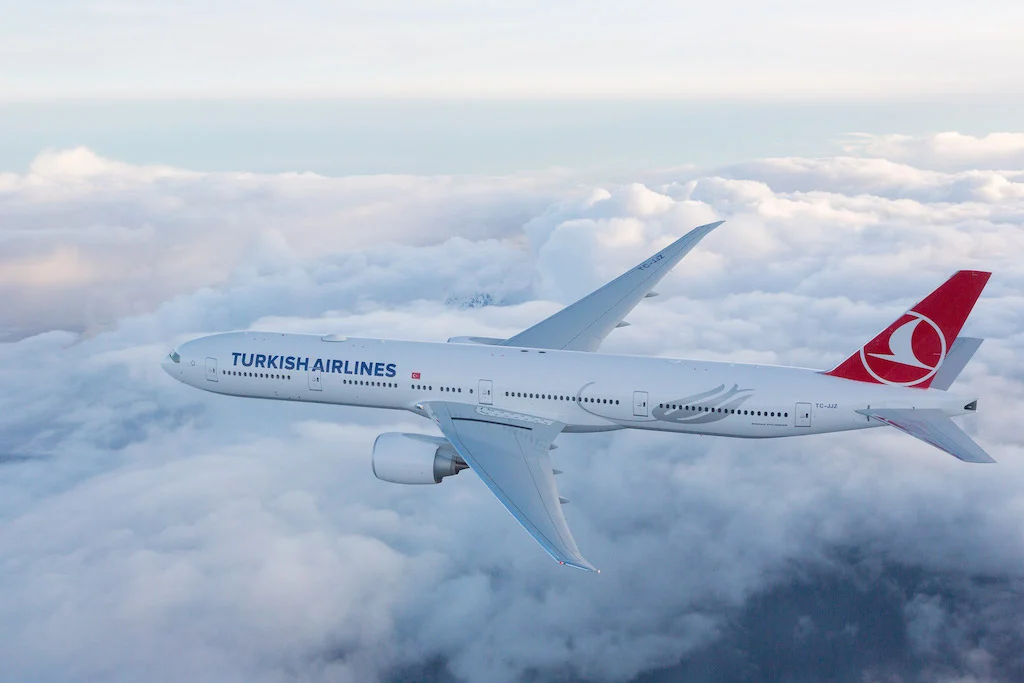
The second quarter of the 2024 fiscal year has presented a complex landscape for the global aviation industry, characterized by diverging fortunes for major network carriers and tactical consolidation moves among low-cost operators. Recent financial reporting reveals that Turkish Airlines, a dominant force in transcontinental connectivity, has navigated a period of operational turbulence, while in the United States, Allegiant Air has signaled a significant shift in its business strategy through a newfound commercial partnership with Sun Country Airlines. These developments occur against a backdrop of volatile fuel prices, shifting consumer demand patterns, and the ongoing recalibration of capacity across international and domestic markets.
Turkish Airlines: Navigating Q2 Operational Headwinds
Turkish Airlines, long regarded as one of the most aggressive and successful network carriers in the world, reported a mixed set of financial results for the second quarter of 2024. The airline, which has built its reputation on the strength of its massive hub in Istanbul, faced mounting pressure from rising operational costs and increased competitive intensity.
While the carrier continues to benefit from its strategic geographic location—bridging Europe, Asia, Africa, and the Middle East—the Q2 results highlight the difficulties of maintaining high margins in an inflationary environment. Labor costs, maintenance expenses, and the rising price of aviation turbine fuel have collectively eroded the bottom line. Furthermore, the carrier has had to contend with supply chain constraints that have delayed aircraft deliveries, forcing a more conservative approach to capacity expansion than the airline’s management had initially projected.
Despite these hurdles, Turkish Airlines remains a critical node in global aviation. The company’s ability to pivot its network to capture transit traffic has historically insulated it from regional economic downturns. However, the Q2 performance serves as a reminder that even the most resilient carriers are not immune to the macro-economic pressures currently sweeping through the airline sector. Analysts noted that while passenger yields remained relatively stable, the cost-per-available-seat-mile (CASM) saw an uptick that outpaced revenue growth, putting downward pressure on operating profits.
The Allegiant-Sun Country Strategic Alliance
In a move that has drawn significant attention from industry observers, Allegiant Air has effectively brought Sun Country Airlines into its orbit through a strategic partnership. This collaboration represents a departure from the traditional independent business models that have defined the U.S. ultra-low-cost carrier (ULCC) sector for the past decade.
The alliance is designed to optimize fleet utilization and leverage the unique strengths of both carriers. Allegiant, which specializes in connecting underserved small-to-medium-sized cities to major vacation destinations, has historically maintained a focused, point-to-point network. Sun Country, meanwhile, brings a more flexible model that blends scheduled service with a robust charter business and a burgeoning air cargo segment.
By coordinating their commercial strategies, the two carriers aim to achieve greater economies of scale. For Allegiant, the partnership offers a mechanism to address seasonal demand fluctuations without the heavy capital expenditure of acquiring additional aircraft. For Sun Country, the arrangement provides access to Allegiant’s sophisticated marketing channels and customer database, potentially lowering customer acquisition costs and boosting load factors on thinner routes. This partnership reflects a broader trend of consolidation and cooperation among mid-tier carriers as they attempt to compete more effectively against the "Big Four" U.S. airlines—American, Delta, United, and Southwest.
Chronology of Market Shifts in 2024
The aviation industry’s trajectory in 2024 has been marked by a series of strategic maneuvers and financial disclosures that have reshaped the competitive environment.
- Q1 2024: Major carriers began reporting the end of the post-pandemic "revenge travel" boom. As consumer spending shifted toward services and experiences, airlines noted a normalization in booking curves.
- April 2024: Supply chain disruptions intensified, with major manufacturers like Boeing and Airbus facing production delays, which in turn constrained the growth plans of many global carriers.
- May 2024: The Skift Travel 200 (ST200) index began showing divergence between network carriers and low-cost carriers, reflecting the varied impact of fuel hedging strategies and regional demand profiles.
- July 2024: Turkish Airlines released its Q2 performance data, signaling a need for cost-control measures.
- August 2024: The announcement of the Allegiant and Sun Country partnership signaled a move toward increased industry integration as a response to rising operational costs.
Supporting Data: Financial Performance Metrics
The financial health of the sector can be measured through the lens of the ST200 index, which tracks the performance of nearly 200 publicly traded travel companies. Airline stocks have faced a turbulent year-to-date performance, largely driven by investors reacting to the cooling of demand and the impact of interest rates on capital-intensive expansion plans.
Data indicates that network carriers have maintained stronger cash positions than their low-cost counterparts. This is primarily due to the strength of their premium cabins, where business travel has largely recovered, and the diversification of their revenue streams, including loyalty programs and credit card partnerships. In contrast, ULCCs have struggled with the "commoditization" of economy-class seats, where price sensitivity among leisure travelers has become more pronounced as household budgets tighten.
For Turkish Airlines, the challenge remains the balance between aggressive growth and capital efficiency. With a fleet size that has grown significantly over the last decade, the airline is currently in a phase of integration, focusing on optimizing its route map to maximize the yield of its Istanbul hub.
Official Responses and Industry Outlook
While official statements from the leadership teams of these airlines have been measured, they share a common theme: caution. Turkish Airlines’ executive team has emphasized that while the long-term outlook for transcontinental traffic remains robust, the short-term focus is on operational discipline and cost management. The airline has signaled that it will continue to invest in its onboard product and digital infrastructure, viewing these as essential differentiators in a crowded market.
Allegiant and Sun Country have characterized their partnership as a "win-win" arrangement that provides customers with expanded options and the airlines with improved efficiency. Industry analysts suggest that this type of "soft consolidation"—where airlines remain independent but align their commercial operations—may become the standard for smaller carriers looking to avoid the regulatory scrutiny and integration risks associated with full-scale mergers.
Broader Impact and Industry Implications
The events unfolding in 2024 suggest that the aviation industry is moving away from a period of unbridled expansion toward a phase of strategic consolidation and operational efficiency. The pressure on Turkish Airlines to maintain profitability despite high costs is symptomatic of the challenges facing large network carriers as they manage global supply chain issues and geopolitical instability.
Simultaneously, the Allegiant-Sun Country partnership indicates that the U.S. market is entering a new chapter. With the cost of entry into the airline business rising due to higher labor and fuel costs, smaller carriers are finding that collaboration is a more viable path to sustainability than individual competition. This shift has significant implications for consumers. On one hand, strategic partnerships can lead to more efficient route networks and better-timed schedules. On the other, reduced competition on specific routes could potentially lead to upward pressure on ticket prices.
Furthermore, the role of the Skift Travel 200 remains a vital tool for stakeholders to gauge the health of the travel ecosystem. As the industry continues to evolve, the performance of these major indices will continue to provide a clear indicator of how airlines are navigating the delicate balance between maintaining service levels and ensuring long-term financial stability.
Ultimately, the developments involving Turkish Airlines, Allegiant, and Sun Country underscore a fundamental truth in modern aviation: in an era of thin margins and high operational risk, the winners will be those that can successfully blend robust operational performance with the flexibility to adapt to an ever-changing global economic landscape. Whether through the massive, hub-and-spoke model utilized by Turkish or the nimble, partnership-driven strategy adopted by Allegiant and Sun Country, the industry continues to search for the most sustainable formula for success in a post-pandemic world.


 Tatiana Tantri Indah Sari
 Walid Sujud Trenggono
 Budi Mulyono
 Lukman Taruna Persada Ramadan