
 Budi Mulyono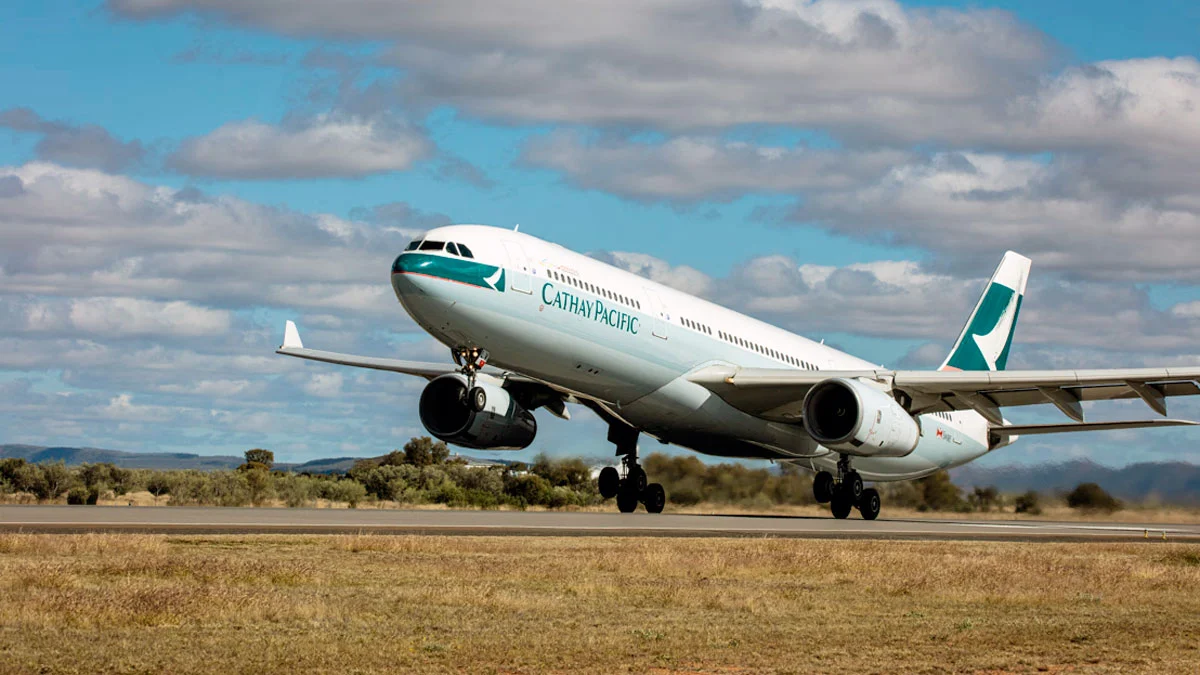
Cathay Pacific has officially confirmed that it will permanently discontinue its seasonal direct service between Cairns and Hong Kong, eliminating a vital international air corridor that has connected Tropical North Queensland directly to major global markets for years. The carrier described the termination as a purely commercial decision driven by shifting network economics, fleet utilization strategies, and rising operational expenditures.
The route, which historically operated on a seasonal schedule during the peak summer and holiday tourism windows between December and February, will not return for the upcoming 2026–2027 season. The cancellation represents a significant setback for inbound tourism, local exporters, and regional travelers who relied on the nonstop link to bypass domestic connections when traveling to North Asia, Europe, and the United Kingdom.
Background Context and Route History
The direct aviation link between Cairns and Hong Kong has a long and valued history within the region’s tourism ecosystem. For decades, the corridor served as a primary conduit for high-yield visitors from Hong Kong, mainland China, and surrounding Asian financial hubs, enabling tourists to access the Great Barrier Reef and the Wet Tropics rainforest without enduring multi-stop domestic itineraries.
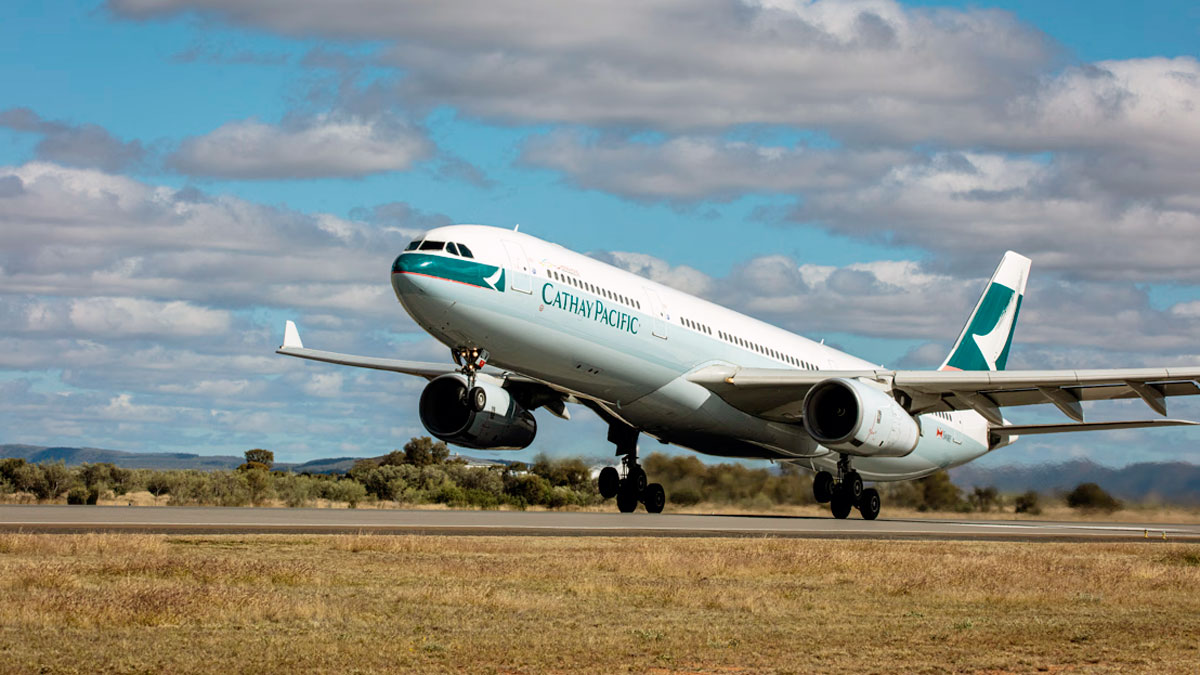
Following widespread aviation disruptions and the restructuring of international networks caused by the global pandemic, Cathay Pacific re-evaluated its footprint in regional Australia. The airline successfully revived the Cairns-Hong Kong seasonal rotation ahead of the 2024 peak summer period. Operating three times weekly, the flight utilized Airbus A330 aircraft configured in a two-class layout, featuring 28 fully flat Business Class seats arranged in a 1-2-1 configuration and 265 Economy seats, omitting a Premium Economy cabin.
Despite achieving notable passenger volumes during its operational windows—including approximately 16,000 travelers during its most recent operational season—the airline ultimately determined that the route’s financial performance did not justify its retention against competing demands for its widebody fleet.
Chronology of the Decision
The phased wind-down of the route reflects broader trends in post-pandemic network planning, where airlines increasingly prioritize year-round core trunk routes over seasonal, leisure-focused operations.
- Pre-2020: The Cairns-Hong Kong route operated with varying frequencies, acting as a cornerstone for Asian visitation to Far North Queensland.
- 2024: Cathay Pacific reintroduced the seasonal three-times-weekly service, running over the December-to-February peak period to capture holiday traffic.
- 2025–2026: The route continued to operate during seasonal windows, accommodating roughly 16,000 passengers during its final active term.
- September 2026: Cathay Pacific announced that the service would not be returning for the 2026–2027 summer schedule, effectively terminating the seasonal program.
Passenger Implications and Alternative Hubs
With the permanent removal of the direct flight, travelers based in Cairns and the broader Tropical North Queensland region face altered routing options to reach international destinations. Passengers wishing to fly with Cathay Pacific will now be forced to book a domestic codeshare or separate domestic sector to connect through one of the carrier’s remaining Australian gateways. Cathay Pacific continues to maintain robust, nonstop service to Hong Kong from major metropolitan capitals, including Sydney, Melbourne, Brisbane, Perth, and Adelaide.
For Cairns-originating passengers, Brisbane Airport serves as the most logical domestic transfer point to access the Cathay network. However, adding a domestic flight leg introduces extra travel time, potential baggage transfer complexities, and increased vulnerability to domestic flight delays.
Consequently, alternative carriers stand to capture market share. Singapore Airlines, which operates a direct service between Cairns and Singapore, emerges as an increasingly attractive option for regional passengers seeking a seamless one-stop connection to major Asian hubs, the Middle East, and Europe. Similarly, other carriers offering domestic connections via southern capitals are expected to absorb portions of the displaced passenger volume.
Industry Analysis and Economic Impact
The loss of the Cathay Pacific service highlights the ongoing challenges faced by regional Australian airports in retaining international carriers. While primary hubs such as Sydney, Melbourne, and Brisbane have experienced robust capacity recoveries, secondary and regional international airports often struggle with seasonal demand imbalances.
Seasonal routes are inherently vulnerable to macroeconomic pressures. Fluctuations in jet fuel prices, foreign exchange volatility, and crew resourcing constraints heavily influence route profitability. Furthermore, the global shortage of widebody aircraft and engine maintenance backlogs have forced major network carriers to redeploy aircraft to high-density, year-round trunk routes where yield optimization is more predictable.

For the Cairns economy, the withdrawal translates to a tangible contraction in international airlift capacity. The tourism sector, which relies heavily on direct aviation access to stimulate visitor expenditure, views the loss of the Hong Kong gateway as a challenge to regional competitiveness. Direct flights shorten travel friction, making destinations significantly more appealing to international holidaymakers compared to itineraries requiring multiple domestic transfers.
Outlook and Industry Response
Tourism stakeholders and regional leaders in Far North Queensland have expressed disappointment over the cancellation, emphasizing the importance of diverse international air routes to support local hospitality, tour operators, and accommodation providers.
While the immediate outlook points to a period of readjustment where travelers must rely on connecting itineraries, regional aviation analysts note that airline route networks remain dynamic. Should future market conditions improve—characterized by stabilization in operational costs, lower fuel pricing, or increased corporate and leisure demand—there remains a possibility that carriers could re-evaluate regional Australian ports for seasonal or charter operations.
For now, however, Cathay Pacific’s decision closes a notable chapter in Cairns’ international aviation connectivity, leaving travelers and local tourism bodies to navigate a landscape built entirely around domestic connections to international hubs.




 Anjar Salim
 Chandra Hamzah
 Tatiana Tantri Indah Sari
 Lukman Taruna Persada Ramadan