Anjar Salim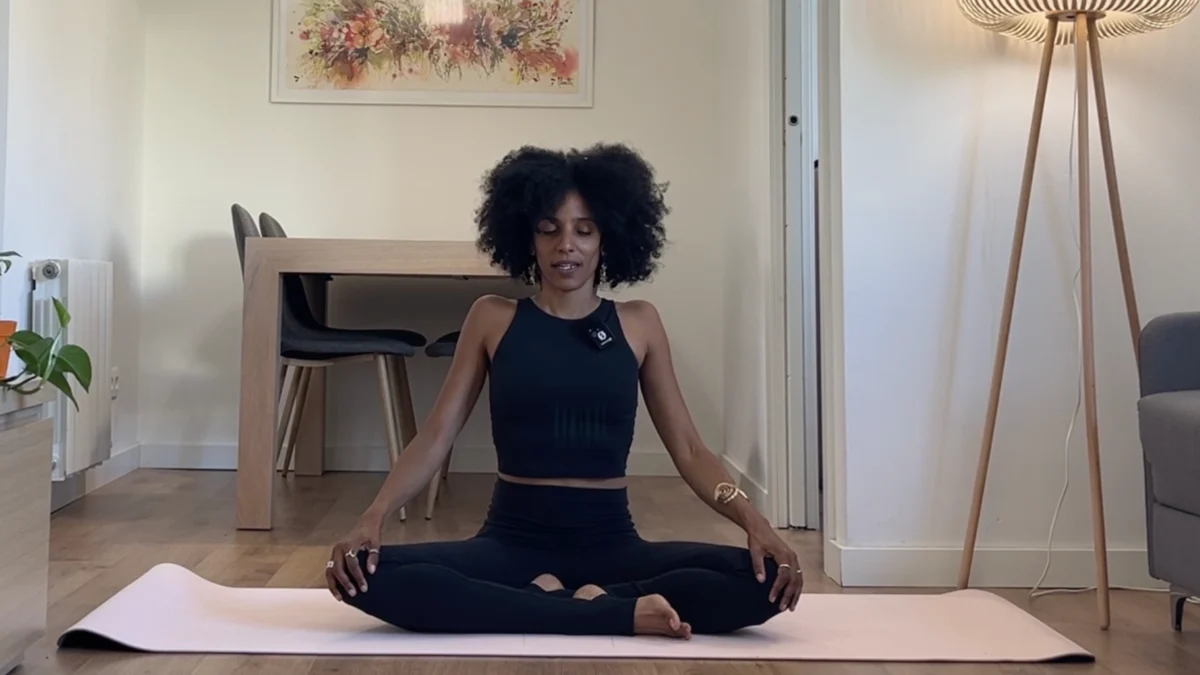
Modern professional and domestic environments have increasingly gravitated toward prolonged sedentary behaviors, frequently resulting in cumulative musculoskeletal strain. Epidemiological data compiled by occupational health organizations indicate that more than 60 percent of the contemporary workforce spends upwards of six hours daily seated at a desk or workstation. This pervasive lifestyle has triggered a parallel rise in chronic complaints regarding joint stiffness, lumbar discomfort, and upper-back tension. In response to these growing ergonomic challenges, wellness and physical therapy experts have increasingly advocated for micro-interventions—short, targeted physical routines integrated directly into the daily schedule. Among these, a structured five-minute, yoga-inspired stretching regimen has emerged as a scientifically supported method for releasing physical tension, resetting neurological stress pathways, and preserving joint mobility without requiring specialized equipment beyond a standard floor mat.
The physiological rationale behind brief movement breaks is rooted in how human connective tissue and musculature respond to sustained static postures. When an individual remains seated for extended periods, certain muscle groups—such as the hip flexors and chest muscles—remain in a chronically shortened state, while posterior chains, including the gluteal muscles and upper back extensors, are stretched and weakened. Over time, this imbalance reduces local blood circulation, diminishes synovial fluid lubrication within joints, and places undue mechanical stress on the spinal column. Introducing dynamic mobility work at regular intervals stimulates blood flow, encourages the realignment of postural structures, and signals the central nervous system to downregulate the stress hormones often elevated during intense cognitive labor.
Structuring the Five-Minute Mobility Protocol
Designed for maximum efficiency and accessibility, the routine can be executed in virtually any quiet space, making it well-suited for a mid-day office break, a grounding prelude to a focused work session, or an evening decompression exercise. The sequence transitions deliberately from supine foundational movements to seated mobility exercises, concluding with restorative integration postures.
Phase One: Supine Awakening and Core Articulation
The practice commences on the floor, utilizing a supportive surface or yoga mat to cushion the spine.
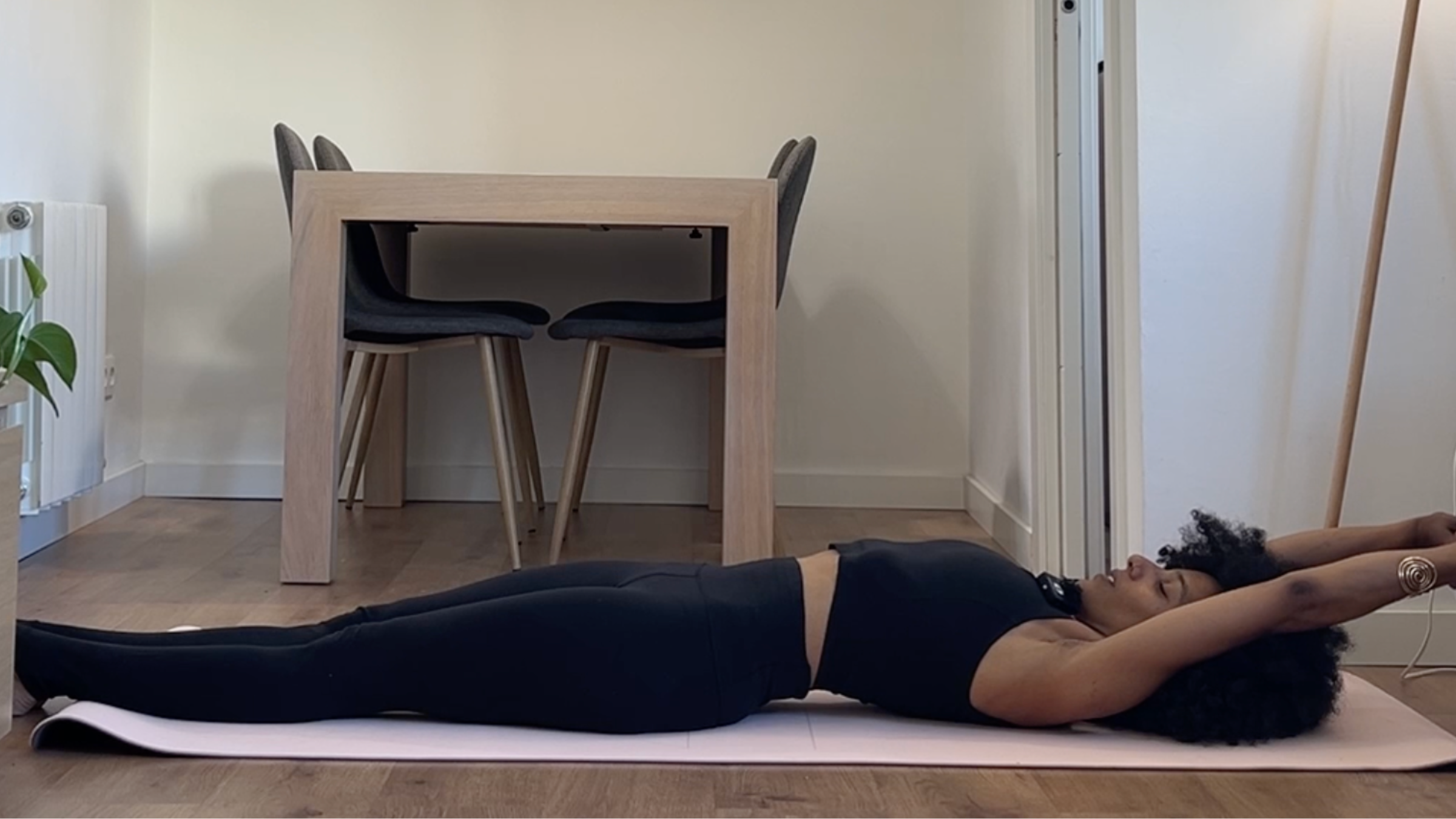
- Full-Body Stretch: Practitioners begin lying supine with limbs fully extended, adopting a neutral position akin to Savasana. Initial gentle movements—such as articulating the fingers and toes or softly rotating the head—help establish somatic awareness. A deep inhalation accompanies an expansive reach, lengthening the arms overhead and pressing the heels away to elongate the entire skeletal frame, followed by a settling exhalation.
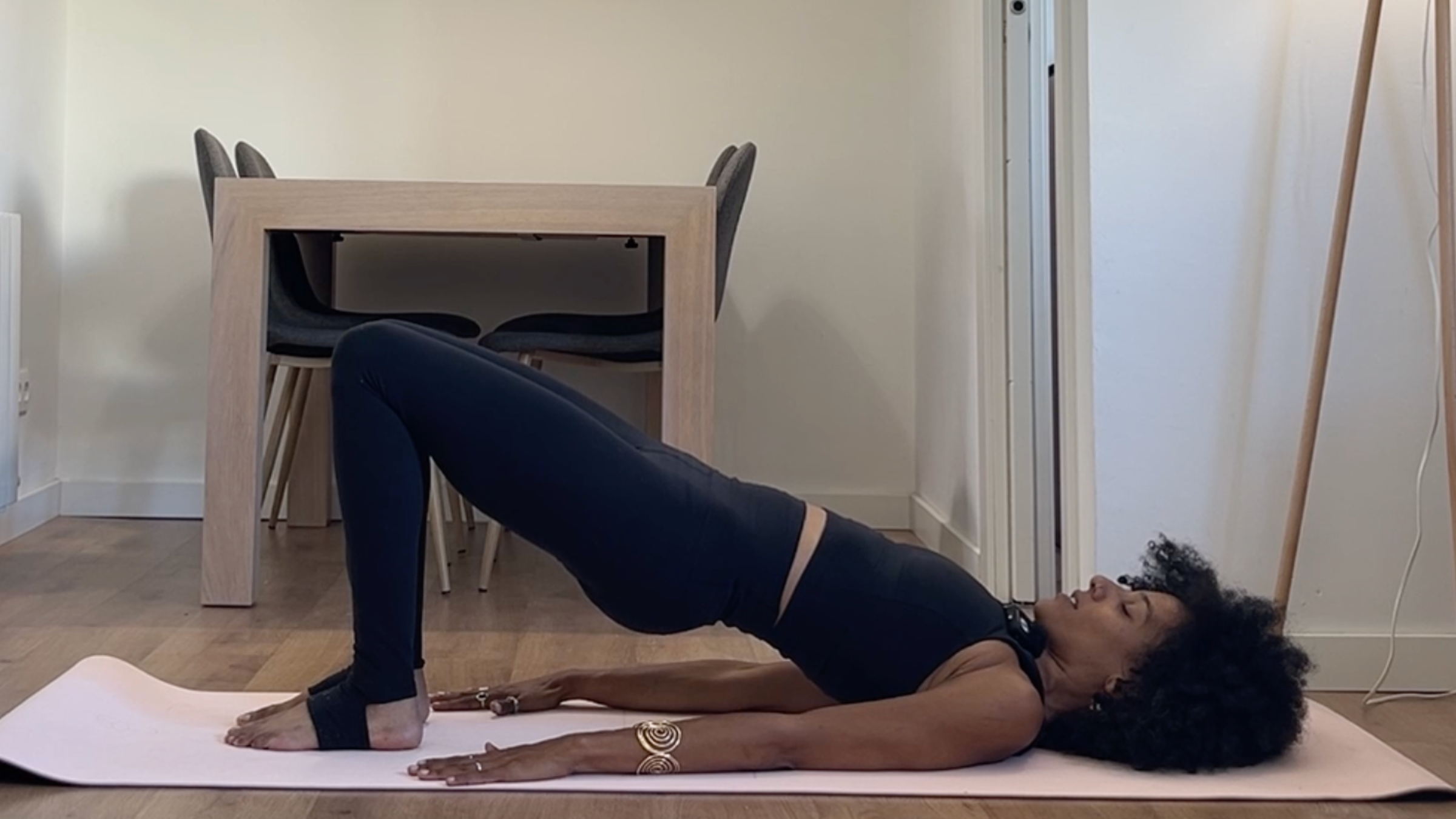
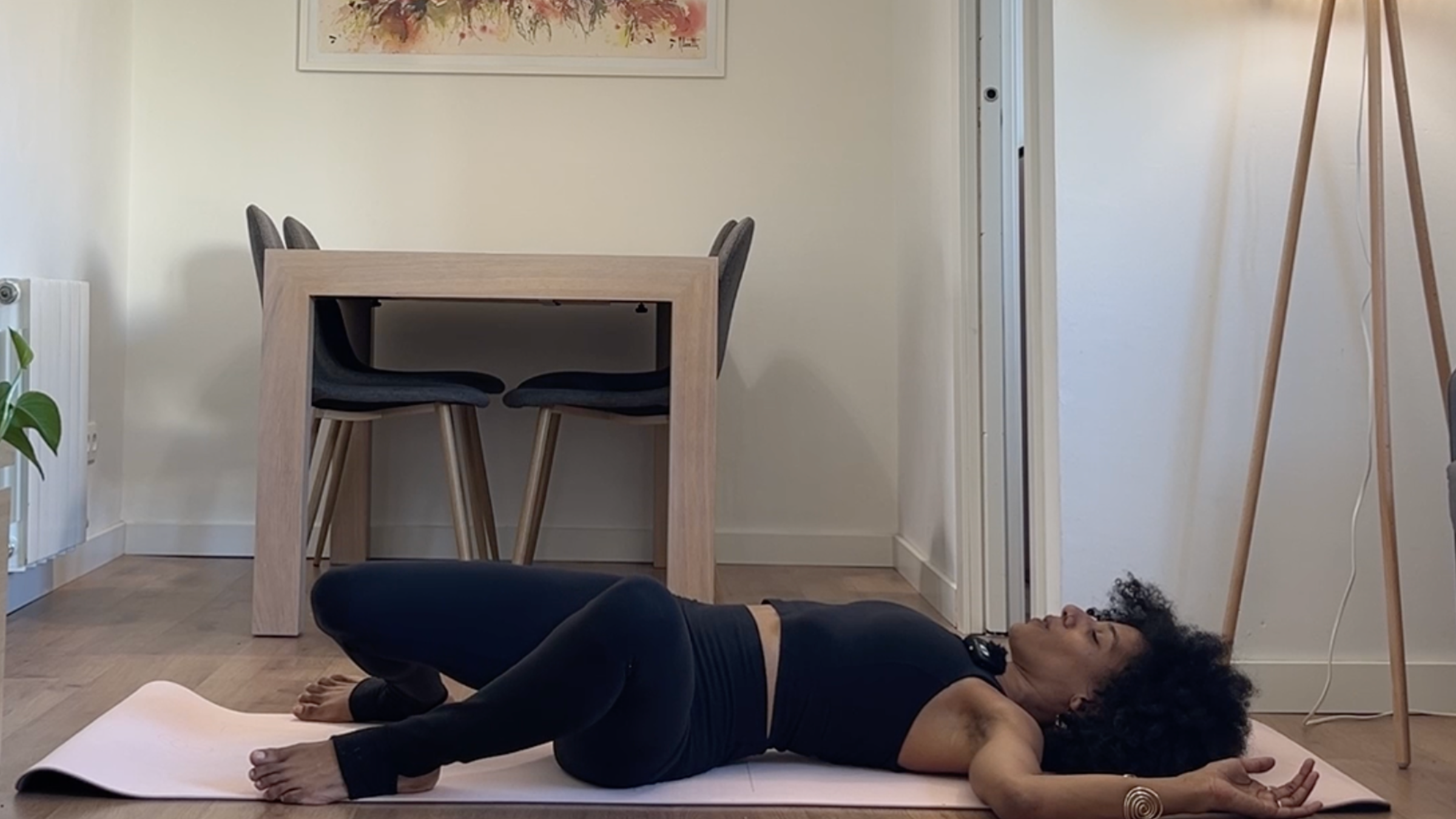
- Bridge Pose: Bending the knees to plant the feet flat at a hip-width distance, the practitioner engages the glutes and core. Pressing down through the palms and soles during an inhalation lifts the hips into a modest Bridge Pose, which activates the posterior chain and counteracts the anterior hip compression inherent in sitting. A subsequent exhalation lowers the pelvis back to the mat.
- Windshield Wipers: Moving into a dynamic rotational movement, the feet widen slightly beyond hip-width while the arms assume a cactus configuration. Exhaling allows both knees to drop gently toward one side, mobilizing the hip joints and lower lumbar region, before inhaling them back to center and repeating on the opposite side.
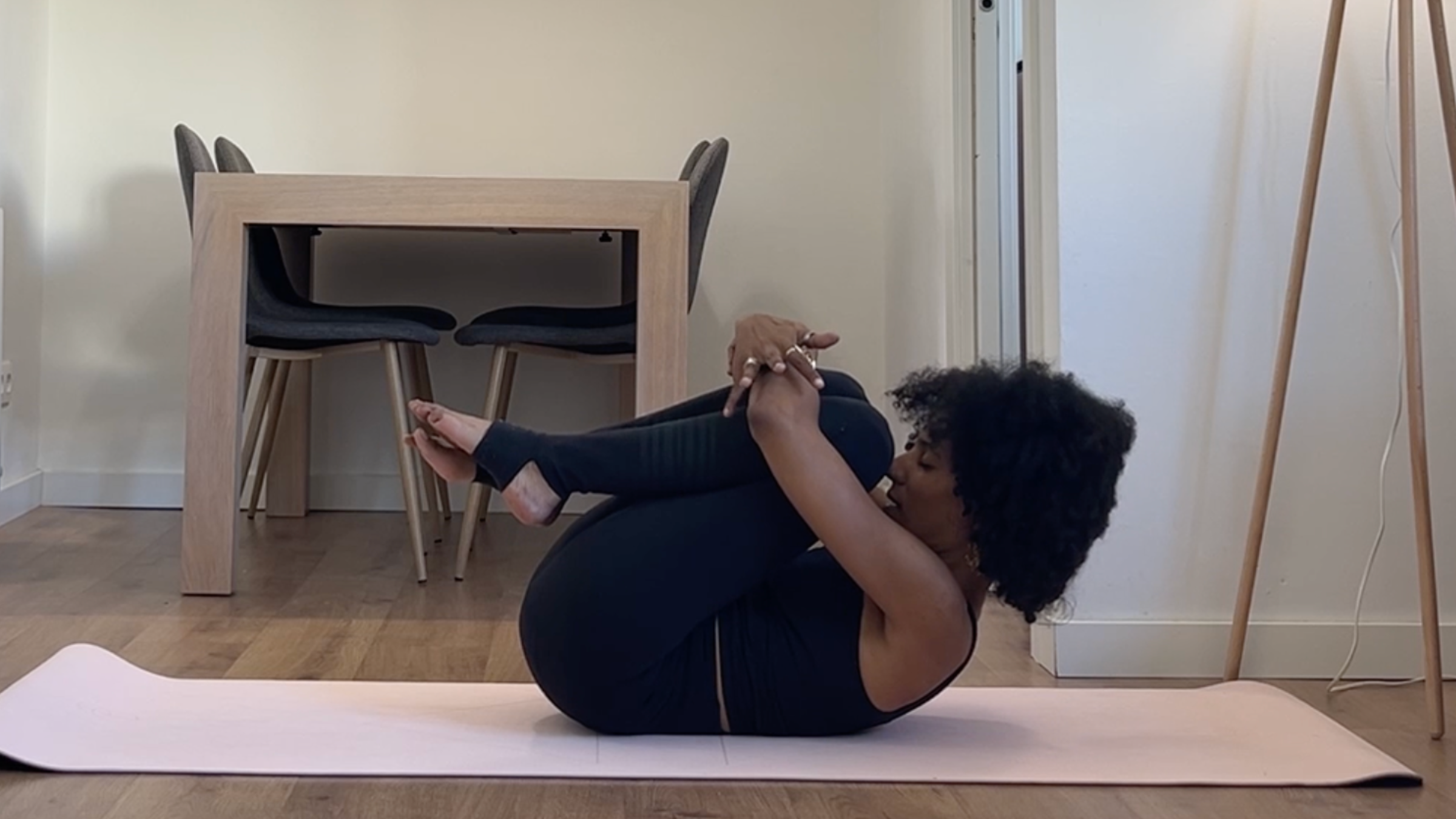
- Wind-Relieving Pose: To decompress the lower back further, both knees are drawn firmly toward the chest, with the hands clasping either the shins or the back of the thighs. This position gently flattens the lumbar curve against the floor, offering immediate relief to compressed vertebrae.
Phase Two: Seated Upper Body and Spinal Mobility
Transitioning to a comfortable seated posture allows for targeted intervention in the cervical, thoracic, and upper extremity zones, which are heavily impacted by computer and mobile device usage.
- Seated Shoulder Rolls: Raising the shoulders toward the ears and rotating them backward, downward, and forward releases the trapezius and rhomboid muscles, which frequently tighten during periods of concentration. Reversing the direction ensures balanced muscular engagement.
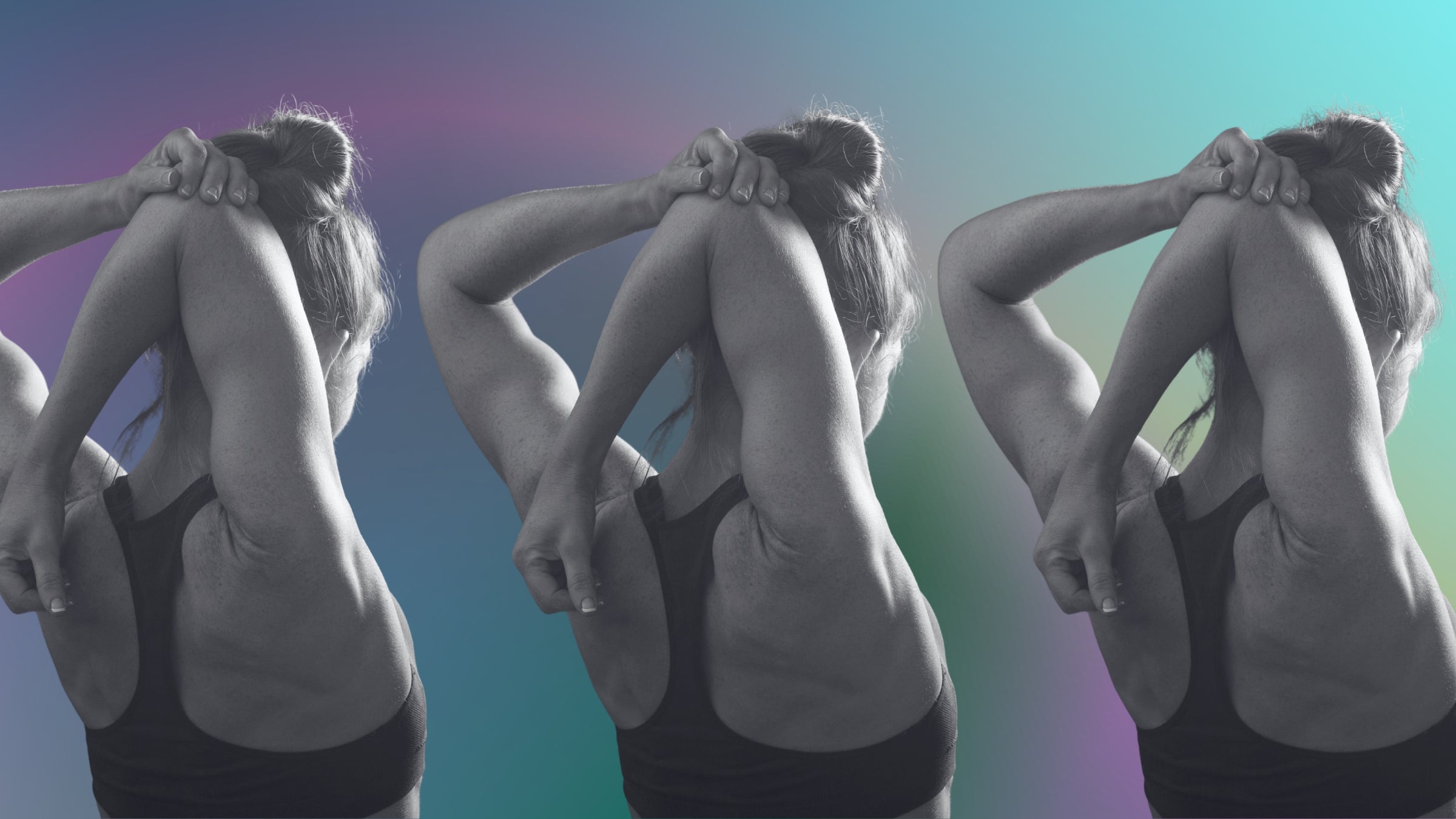
- Seated Cat-Cow: Interlacing the fingers behind the head with elbows flared wide, the practitioner alternates between a rounded spine variation (Cat Pose) driven by an exhalation and an open-chest, arched-back extension (Cow Pose) on an inhalation. This movement restores flexibility to the thoracic spine, an area prone to stiffness from forward-leaning postures.
- Seated Spinal Twist: With an inhale, arms reach overhead to decompress the spine, followed by an exhale that rotates the torso to one side. Placing the opposing hand on the outer knee and the rear fingertips on the floor encourages rotational mobility through the mid-back.
- Hand Opening and Closing: Addressing repetitive strain in the wrists and fingers, the arms return to a cactus shape. Alternating between maximal finger extension and tight fist formation stimulates circulation in the forearms and relieves minor carpal fatigue.
- Reverse Tabletop: Remaining seated with knees bent and feet flat, hands are positioned behind the hips with fingers pointing forward. Pressing into the hands and feet lifts the hips into a Reverse Tabletop position, opening the anterior shoulders and chest while strengthening the wrists and core.
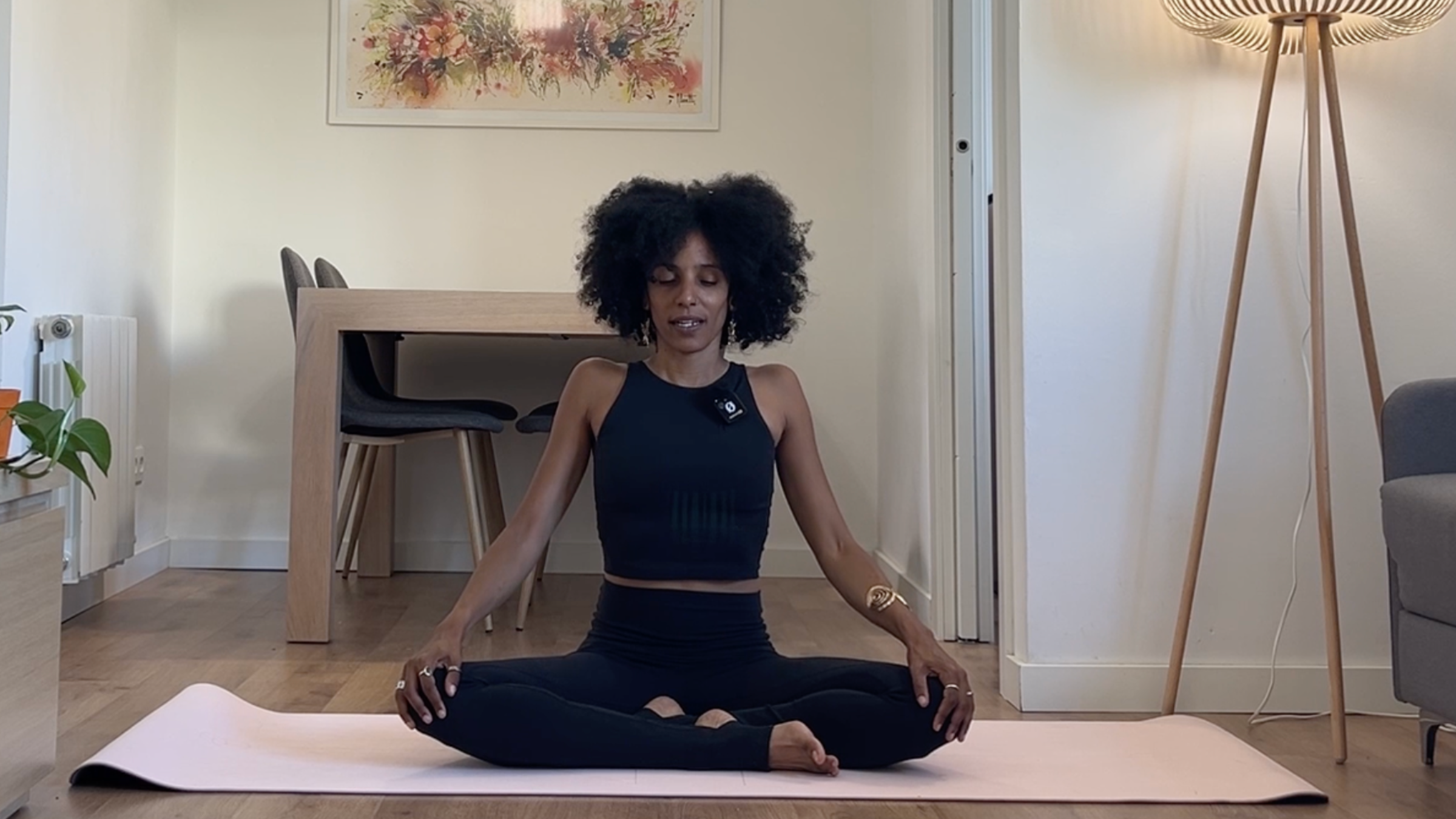
- Bound Angle Pose: Bringing the soles of the feet together and allowing the knees to drop outward addresses adductor tightness in the inner thighs. Folding forward from the hips with a flat back deepens the stretch along the outer hips and lower back, with the option to rest the forehead on stacked fists for added comfort.
Phase Three: Inversion and Integration
The routine concludes by returning to the floor to facilitate venous return and neurological integration.
- Half Plow Pose: Lying supine with arms resting alongside the body, the knees draw toward the chest before extending the legs vertically toward the ceiling. This mild inversion assists with lymphatic drainage and alleviates lower extremity edema associated with prolonged standing or sitting.
- Savasana: The practice terminates with a period of complete physical rest in Savasana or a comfortable seated posture. Controlled, deep breathing during this final phase stabilizes heart rate and anchors the nervous system before the individual resumes daily activities.
Chronology of Workplace Ergonomics and Movement Integration
The formal recognition of micro-breaks as a critical component of occupational health evolved significantly over the late 20th and early 21st centuries. As office environments shifted from paper-based administrative tasks to digital computer terminals, occupational therapists documented a sharp escalation in musculoskeletal disorders (MSDs), repetitive strain injuries (RSIs), and chronic lower back pain.
During the 1990s and early 2000s, corporate wellness programs primarily focused on ergonomic office furniture—such as adjustable chairs, keyboard trays, and monitor stands. However, subsequent clinical studies revealed that hardware modifications alone were insufficient to mitigate the biological consequences of prolonged physical inactivity. Researchers demonstrated that even individuals using ergonomically optimized workstations suffered from metabolic slowdowns and muscle deconditioning if they remained seated continuously for hours at a time.
By the 2010s, public health agencies and occupational safety boards began incorporating scheduled movement mandates and active break guidelines into regulatory frameworks. The introduction of structured, short-duration movement interventions—ranging from standing desks to five-minute guided stretching protocols—marked a shift from passive environmental modification to active physiological maintenance. The integration of yoga-derived mechanics into these protocols gained traction due to its emphasis on breath-synchronized movement, functional range of motion, and low-barrier accessibility.
Supporting Data and Physiological Implications
Quantitative research underscores the efficacy of integrating brief movement routines into daily schedules. According to studies published in occupational medicine journals, employees who engage in short, structured physical breaks every 60 to 90 minutes report a 35 to 45 percent reduction in self-reported musculoskeletal discomfort compared to sedentary control groups. Furthermore, cardiovascular monitoring during these sessions indicates a temporary increase in peripheral blood flow and a measurable reduction in resting muscle tone, directly counteracting the ischemic micro-environment that develops within static muscle tissue.
From a cognitive standpoint, neuroscientific evaluations suggest that brief physical resets stimulate the prefrontal cortex, enhancing focus, working memory, and executive function. The deliberate incorporation of deep, diaphragmatic breathing during stretching activates the parasympathetic nervous system, shifting the body away from the "fight-or-flight" stress response often induced by demanding work deadlines or environmental pressures. This autonomic shift lowers cortisol levels, reduces subjective feelings of mental fatigue, and fosters sustained productivity over the course of a workday.
Expert Consensus and Broader Societal Impact
Public health officials, physical therapists, and ergonomic specialists largely concur that while five-minute routines cannot substitute for comprehensive cardiovascular and strength training programs, they serve as an essential frontline defense against the hazards of sedentary living. Leading medical institutions emphasize that micro-interventions act as behavioral circuit breakers, interrupting prolonged chains of physical inactivity that contribute to long-term metabolic and orthopedic complications.
The broader implications of widespread adoption of such routines extend to healthcare cost reduction and institutional productivity. Chronic musculoskeletal conditions account for a significant percentage of annual worker absenteeism and direct medical expenditures globally. By normalizing brief, autonomous physical maintenance practices within both corporate offices and remote work settings, organizations can foster a more resilient workforce. Ultimately, the systematic deployment of accessible movement protocols bridges the gap between high-demand cognitive labor and biological preservation, offering a practical pathway toward enhanced physical longevity and daily well-being.




 Chandra Hamzah
 Tatiana Tantri Indah Sari
 Budi Mulyono
 Lukman Taruna Persada Ramadan