
 Chandra Hamzah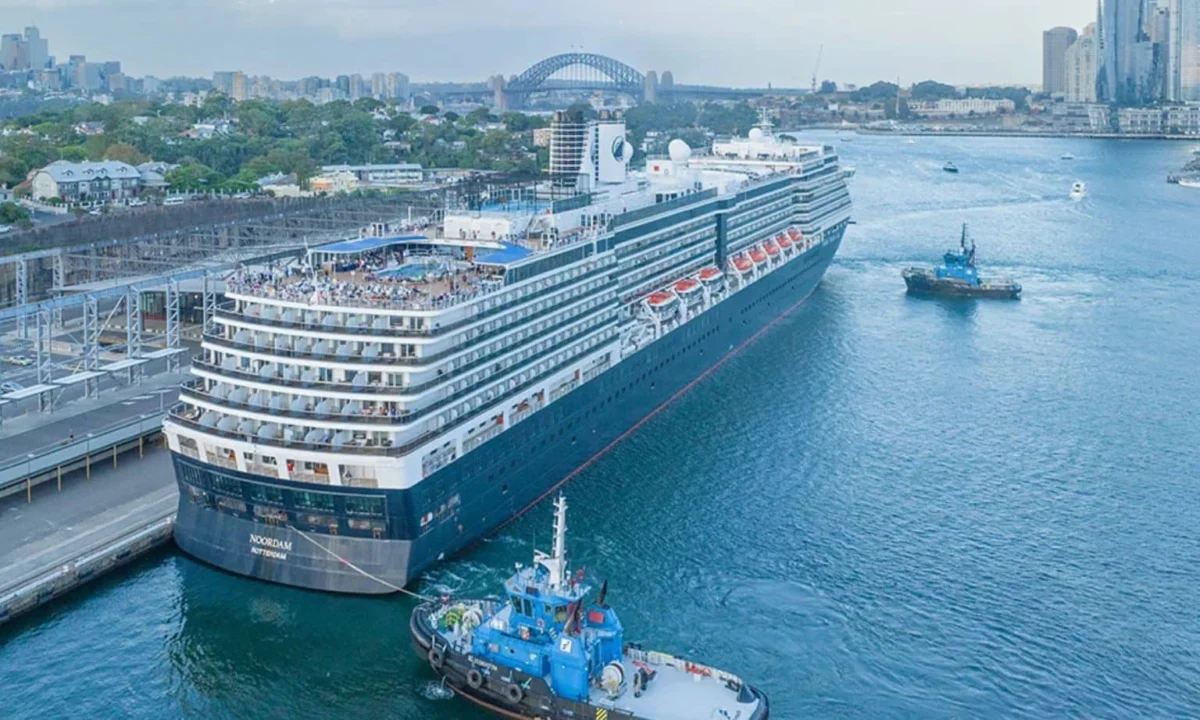
Engineering the Future of Sustainable Shipping
The installation phase currently underway at White Bay represents the culmination of intensive engineering efforts led by the Port Authority of NSW. At the heart of this system lies the Onshore Power Supply (OPS), a sophisticated technological array housed within ten shipping containers. This modular setup contains an intricate network of transformers, converters, and high-voltage switchgear, all designed to facilitate the seamless transfer of electricity from the municipal grid to the massive vessels berthed at the wharf.
Project Director Fauzan Zulkhepli has described the initiative as one of the most technically demanding harbour-side infrastructure projects currently underway in New South Wales. The complexity of the installation stems from the need to integrate high-voltage electrical infrastructure with existing wharf facilities, requiring extensive underground cabling and piping.
Perhaps the most innovative aspect of the project is its seawater cooling system. To maintain the efficiency of the high-powered electrical equipment, engineers have designed a system that draws water directly from Sydney Harbour. This water is circulated through heat exchangers to regulate the internal temperature of the OPS facility. This approach effectively eliminates the reliance on traditional, energy-intensive mechanical cooling systems, further reducing the carbon footprint of the facility itself. Notably, the engineering team drew inspiration from the iconic cooling system used at the Sydney Opera House, adapting a proven, decades-old concept for the modern requirements of a bustling maritime port.
Environmental Impact and Emissions Reduction
The primary motivation behind the adoption of shore power, often referred to in the maritime industry as "cold ironing," is the drastic reduction of air pollutants. When a cruise ship sits at port, it typically keeps its auxiliary engines running to power onboard systems, such as air conditioning, lighting, and kitchen facilities. This practice results in significant emissions of carbon dioxide, sulfur oxides, and nitrogen oxides.
By connecting to the shore-based grid, ships can power down these engines entirely. The environmental benefits are substantial: current estimates suggest that the White Bay facility will reduce carbon emissions by more than 4,000 tonnes annually. To put this figure into perspective, the carbon savings are equivalent to removing approximately 1,100 passenger vehicles from New South Wales roads each year. Beyond the reduction of greenhouse gases, the shift to shore power will drastically improve local air quality for nearby residents and workers, as the removal of engine exhaust eliminates the primary source of particulate matter and smog at the terminal.
Global Context and Australia’s Lagging Infrastructure
While Australia is only now unveiling its first shore-powered cruise terminal, this technology has been a standard feature in major international ports for years. In North America, the Port of Seattle and the Port of Los Angeles have utilized shore power for over a decade, driven by stringent environmental regulations and a public mandate for cleaner air in urban port districts. Similarly, ports throughout Northern Europe, particularly in the Baltic and North Sea regions, have invested heavily in cold ironing to comply with the European Union’s maritime environmental directives.
The delay in Australia’s adoption of this technology can be attributed to several factors, including the geographical isolation of its ports, the high capital costs associated with grid upgrades, and the logistical challenges of retrofitting legacy wharf structures. However, as global cruise lines—such as Carnival, Royal Caribbean, and MSC—increasingly update their fleets to be "shore-power ready," the pressure on Australian ports to provide this infrastructure has intensified. The White Bay project serves as the necessary proof-of-concept that may unlock further investment in other major Australian hubs, such as Brisbane, Melbourne, and Fremantle.
Operational Benefits for the Cruise Industry
The advantages of shore power extend beyond environmental metrics; they also provide operational flexibility for cruise operators. One of the most significant benefits is the facilitation of overnight stays. Currently, noise pollution from ship engines is a persistent issue for ports located near residential areas. By plugging into the shore-based grid, the ships can operate in near-silence, allowing them to remain at berth for longer periods without disturbing the surrounding community.
Furthermore, there is a clear economic incentive for cruise lines. Burning marine diesel at port is costly; by switching to electricity supplied by the local grid, operators can reduce their fuel expenditure. While the initial investment for both the port and the vessel is high, the long-term operational savings and the ability to market "green" itineraries to environmentally conscious travelers make shore power a strategic business move for the cruise industry.
Chronology of the White Bay Project
The journey to this installation began several years ago as part of a broader government commitment to sustainable infrastructure. The project moved from feasibility studies to the design and procurement phase in 2022, with major construction activities commencing in early 2023. Throughout the process, the Port Authority of NSW has worked closely with electrical engineers and environmental consultants to ensure the project meets rigorous safety standards.
With the current installation of the OPS units, the project is on track for completion by the end of this calendar year. Once the final commissioning and testing phases are completed, the terminal will be prepared to accommodate shore-power-capable vessels arriving for the upcoming cruise season. This rapid transition highlights the efficiency with which the port authority has managed the project, despite the significant engineering challenges involved in working within an active, operational harbor.
Future Implications and Policy Considerations
The successful implementation of shore power at White Bay is likely to act as a catalyst for future infrastructure development. As the maritime sector faces increasing scrutiny over its role in climate change, governments are expected to look toward policy levers that encourage or mandate the use of shore power. Analysts suggest that future tenders for port infrastructure in Australia may include "green-ready" requirements as a default, mirroring the shift toward renewable energy integration in other sectors.
There is also the potential for the integration of renewable energy sources into the shore power grid. If the electricity supplied to the White Bay terminal is sourced from solar or wind energy, the environmental impact of the cruise sector could be further neutralized. This would represent a complete cycle of sustainability, turning a once-polluting industry into a model for energy efficiency.
Official Reactions and Industry Outlook
John McKenna, the Chief Executive of the Port Authority of NSW, has expressed strong optimism regarding the project’s success. "The OPS is the powerhouse of the entire shore power system at White Bay," McKenna noted, emphasizing the complexity of the transformers and switchgear required to sustain the massive electrical load of a modern cruise liner. "This project represents a significant step forward in reducing emissions from the cruise sector and demonstrates how investment in innovative, sustainable port infrastructure can deliver long-term environmental benefits."
Industry experts anticipate that as other Australian ports observe the successful deployment at White Bay, the momentum for similar projects will grow. While there are currently no other publicly announced shore power projects of this scale in Australia, the precedent set by the Port Authority of NSW provides a blueprint for technical implementation and public-private coordination.
Conclusion: A New Standard for Maritime Operations
As the White Bay Cruise Terminal prepares to go live, it sets a new benchmark for how Australia engages with the global maritime industry. The combination of cutting-edge electrical engineering, unique seawater cooling technology, and a commitment to urban environmental health marks a turning point for Sydney’s harbor. While the transition to a fully electrified port system will require ongoing investment and policy support, the installation of Australia’s first shore-power facility is a definitive step toward a more sustainable future. For the residents of Sydney, the cruise lines, and the environment, the arrival of shore power is not just an upgrade in technology; it is a fundamental improvement in the way the city interacts with the sea.


 Tatiana Tantri Indah Sari
 Budi Mulyono
 Lukman Taruna Persada Ramadan

 Anjar Salim