
 Budi Mulyono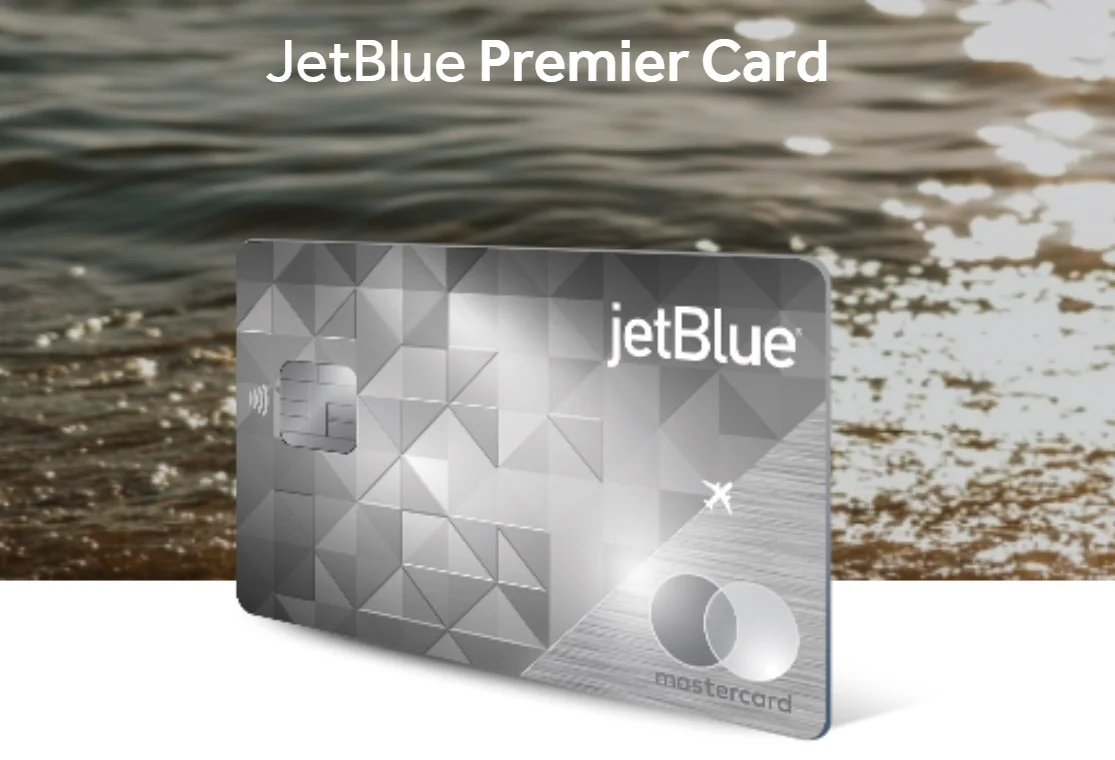
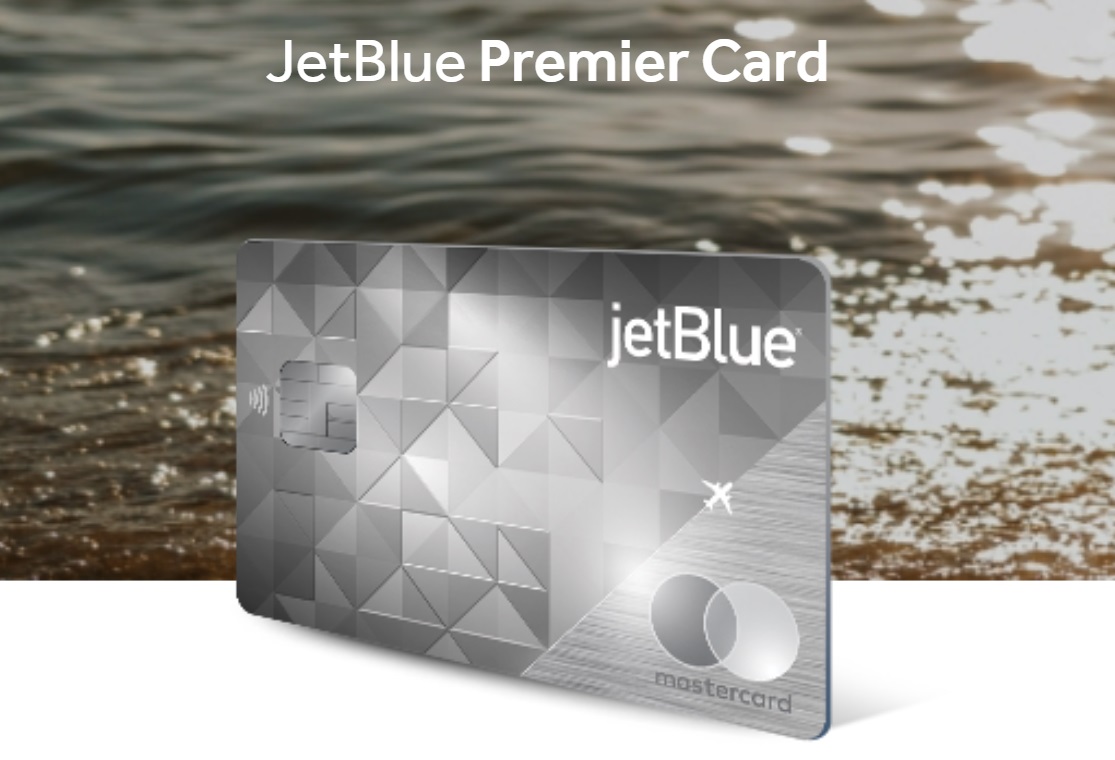
JetBlue Airways and its long-term financial partner Barclays have announced a comprehensive suite of updates to the JetBlue Premier Mastercard, a premium credit card offering that has faced significant scrutiny since its initial introduction to the market. The enhancements, scheduled for implementation in the spring of 2024, represent a strategic pivot by the airline to bolster the card’s value proposition in an increasingly competitive landscape of high-annual-fee travel rewards cards. By introducing tiered companion credits, increasing redemption rebates, and providing a significant shortcut to elite status through "Tiles," JetBlue aims to transform the Premier Mastercard from a niche product into a cornerstone of its TrueBlue loyalty ecosystem.
The JetBlue Premier Mastercard carries a $499 annual fee, positioning it alongside heavyweight competitors such as the Chase Sapphire Reserve, the American Express Platinum Card, and the Capital One Venture X. However, upon its launch, industry analysts and frequent flyers alike noted a lack of differentiating benefits when compared to JetBlue’s more affordable $99-annual-fee "Plus" and "Business" cards. The upcoming revisions are designed to address these criticisms by providing tangible financial offsets to the annual fee and accelerating the path to Mosaic status for high-spending cardholders.
Evolution of the JetBlue Credit Card Portfolio
To understand the necessity of these updates, it is essential to examine the chronology of JetBlue’s credit card strategy. Historically, JetBlue and Barclays have offered a two-tiered consumer card system: a no-annual-fee version and the $99 JetBlue Plus card. The latter became a favorite among enthusiasts for its 10% award redemption rebate and annual 5,000-point anniversary bonus.
When the JetBlue Premier Mastercard was launched in early 2023, it was intended to capture the "premium-leisure" segment—travelers who prioritize comfort and status but may not fly frequently enough on a single carrier to earn status through flight activity alone. Despite the high entry price, the initial benefits package was viewed by many as insufficient, lacking the lounge access or high-value travel credits typical of the $400-$600 annual fee bracket. The newly announced changes signify an acknowledgment by JetBlue and Barclays that the product required more robust incentives to justify its cost and to encourage "top-of-wallet" spending behavior.
Strategic Shift in the Companion Pass Model
The most prominent feature of the refresh is the introduction of a tiered Companion Pass statement credit system. Unlike the Southwest Airlines Companion Pass, which allows a designated individual to fly for free (plus taxes and fees) for an unlimited duration, the JetBlue version functions as a high-value monetary voucher triggered by annual spending milestones.
Under the new structure, cardholders who spend $15,000 in a calendar year will receive a companion credit valued at up to $500. For those who reach a total spend of $75,000 within the same calendar year, an additional companion credit valued at up to $1,500 will be awarded. From a financial analysis perspective, these credits offer a significant return on spend. For a cardholder reaching the $15,000 threshold, the $500 credit represents a 3.33% incremental return on those purchases, on top of the standard TrueBlue points earned. The $1,500 credit for $75,000 in spend provides a roughly 2% incremental return across the total spend, or a 2.5% return on the $60,000 required to move from the first tier to the second.
This model aligns JetBlue more closely with the Alaska Airlines "Famous Companion Fare" but with a higher monetary ceiling. While the "pass" terminology may be slightly confusing to consumers expecting unlimited travel, the high dollar value of the credits—specifically the $1,500 tier—can cover a significant portion of a premium "Mint" cabin fare, which is JetBlue’s highly-regarded business class product.
Accelerating the Path to Mosaic Elite Status
A critical component of the JetBlue TrueBlue program is the "Tile" system, where members earn status based on a combination of flight spend and credit card activity. Currently, one Tile is awarded for every $1,000 spent on a JetBlue credit card. The spring update introduces a permanent benefit where Premier cardholders will receive 25 bonus Tiles automatically at the start of each calendar year.
This change fundamentally alters the math for achieving Mosaic status:
- Mosaic 1 (50 Tiles): With the 25-Tile head start, cardholders are already 50% of the way to the first tier of elite status. A cardholder would only need to spend an additional $25,000 on the card (or a combination of spending and flying) to reach this level.
- Mosaic 2 (100 Tiles): This tier becomes significantly more attainable for high spenders. A cardholder who hits the $75,000 spend requirement for the top Companion Pass would earn 75 Tiles from spend plus the 25 bonus Tiles, reaching Mosaic 2 without ever stepping foot on a plane.
- Mosaic 3 and 4 (150 and 250 Tiles): These tiers, which offer lucrative perks like Mint cabin move-up certificates, remain the domain of the most loyal flyers and highest spenders, but the 25-Tile injection provides a meaningful cushion.
By integrating the card so deeply into the status hierarchy, JetBlue is leveraging the "gamification" of loyalty programs that has proven successful for competitors like Delta Air Lines and American Airlines.
Optimization of the TrueBlue Travel Credit
The JetBlue Premier card previously featured a $300 annual statement credit for purchases made through the TrueBlue Travel portal (which includes hotels, car rentals, and cruises). However, the benefit was hampered by a restrictive "buy-down" mechanic where cardholders had to spend at least $250 in a single transaction to receive a $50 credit. This required six separate large transactions to maximize the $300 value.
The updated benefit removes these barriers, moving to a dollar-for-dollar reimbursement model with no minimum transaction requirement. If a cardholder books a $100 hotel stay or a $50 car rental through the portal, they will receive a corresponding statement credit until the $300 annual limit is reached. This adjustment mirrors the popular $300 travel credits found on the Capital One Venture X and the Chase Sapphire Reserve, making the JetBlue Premier’s $499 annual fee much easier to justify. When the $300 credit is fully utilized, the "effective" annual fee of the card drops to $199.
Enhanced Redemption Rebates and Point Value
The JetBlue Plus and Business cards currently offer a 10% rebate on points redeemed for award flights. To further differentiate the Premier tier, Barclays and JetBlue are increasing this rebate to 15% for Premier cardholders.
This 5% increase has a compounding effect for high-volume travelers. For instance, a user who redeems 200,000 TrueBlue points in a year would receive 30,000 points back under the new Premier rules, compared to 20,000 points under the Plus rules. Given that TrueBlue points are generally valued at approximately 1.3 to 1.5 cents per point, this additional 10,000-point rebate equates to roughly $130–$150 in additional value annually. For "power users" of the TrueBlue program, this rebate alone can bridge the gap between the $99 and $499 annual fee versions of the card.
Market Context and Competitive Implications
The decision to enhance the Premier card comes at a time of transition for JetBlue. Following the termination of the Northeast Alliance with American Airlines and the blocked merger with Spirit Airlines, JetBlue is refocusing on its core strengths: its premium leisure product and its dominant position in New York, Boston, and Florida.
Industry analysts suggest that the Barclays partnership is vital for JetBlue’s cash flow. Credit card partnerships are often more profitable for airlines than the actual operation of flights. By making the Premier card more attractive, JetBlue ensures a steady stream of high-margin revenue from Barclays while simultaneously locking in customer loyalty through the Mosaic status pathway.
Furthermore, the "premiumization" of travel shows no signs of slowing. Consumers have demonstrated a willingness to pay high annual fees in exchange for "shortcuts" to luxury and convenience. By offering a card that effectively buys half of an elite status level and provides a significant travel credit, JetBlue is positioning itself to compete for the wallets of travelers who might otherwise gravitate toward the premium offerings of Delta or United.
Official Outlook and Future Implementation
In a statement accompanying the announcement, JetBlue emphasized its commitment to listening to customer feedback. While specific dates for the rollout have not been finalized beyond the "spring" window, the airline indicated that existing cardholders will see these benefits integrated into their accounts automatically.
The broader impact of these changes will likely be felt in the second half of 2024 as cardholders begin hitting the $15,000 and $75,000 spending milestones. If successful, this refresh could serve as a blueprint for other "challenger" airlines looking to elevate their credit card portfolios without the massive infrastructure of a global lounge network.
In conclusion, the overhaul of the JetBlue Premier Mastercard represents a calculated effort to rectify a lukewarm product launch. By shifting toward a more flexible travel credit, a substantial status boost, and high-value companion incentives, JetBlue and Barclays have created a product that finally offers a clear value proposition for the airline’s most dedicated customers. Whether this is enough to lure travelers away from more flexible "bank-currency" cards remains to be seen, but for the TrueBlue loyalist, the Premier card has transitioned from a questionable expense to a potentially essential tool for maximizing the JetBlue experience.




 Anjar Salim
 Chandra Hamzah
 Tatiana Tantri Indah Sari

