
 Budi Mulyono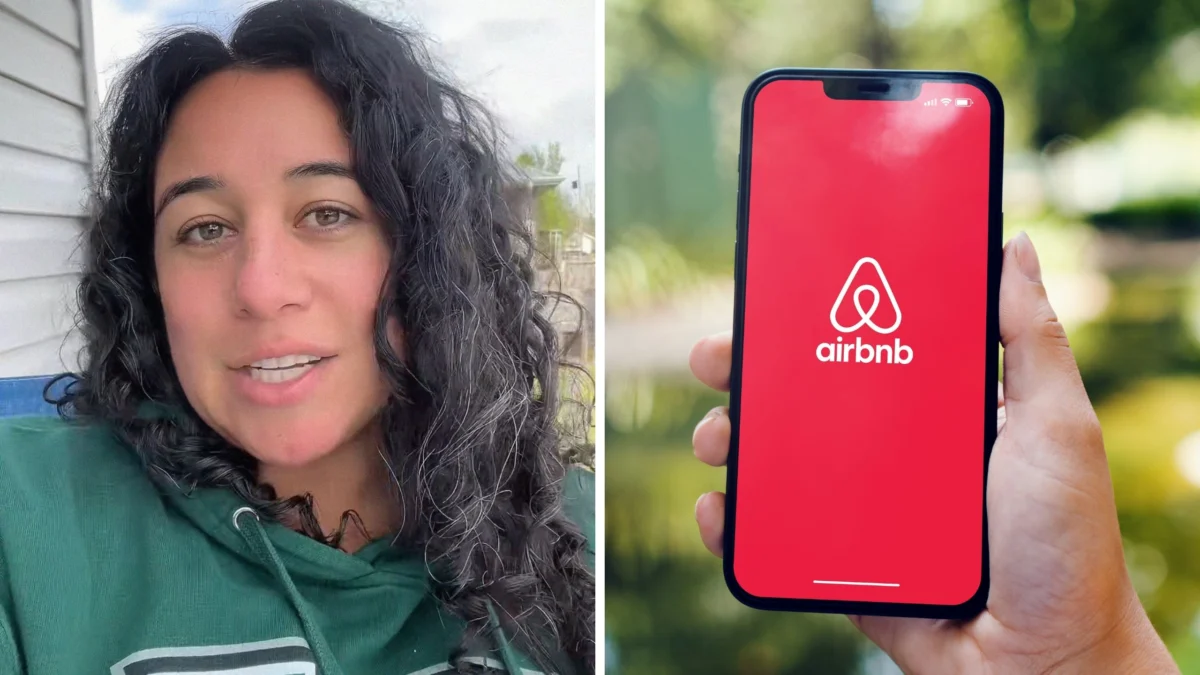
The short-term rental market, dominated by platforms such as Airbnb and VRBO, is built upon the promise of "home away from home" comfort and unique local experiences. However, a recent incident in St. Louis, Missouri, has highlighted the potential risks associated with unconventional property conversions and the importance of listing accuracy. A TikTok creator, known as Anela (@anelaonalani), recently shared a viral account of a 3,000-square-foot condominium that she and her companions deemed uninhabitable due to its "creepy" atmosphere and a layout that diverged significantly from the promotional materials provided on the booking platform.

The encounter, which has garnered over 2.2 million views on social media, serves as a cautionary tale for travelers seeking high-value deals in urban markets. While the property was marketed as a spacious and affordable accommodation, the reality of the interior—described by the guests as resembling a series of "murder rooms"—prompted them to abandon the rental within 20 minutes of arrival and seek alternative lodging at a local hotel.

Chronology of the St. Louis Rental Incident
The events began when Anela and two friends planned a road trip to Indiana. Due to a scheduling conflict, one friend was unable to join for the initial leg of the journey, leaving Anela and her friend Emma to navigate the drive together. The duo decided to stop in St. Louis, Missouri, for a night to break up the travel time.

Attracted by the prospect of a large, unique space at a competitive price point, they booked a 3,000-square-foot condo through Airbnb. The listing advertised 11 bedrooms and a "cozy atmosphere." According to Anela’s video documentation, the price was approximately $30 per person per night, a rate that is significantly lower than the average cost of a hotel room or a large-scale apartment in a major metropolitan area.

Upon arriving at the property, the travelers reported an immediate sense of unease. The interior of the condo featured a confusing architectural layout that did not align with the expectations set by the Airbnb listing photos. The property was characterized by industrial-style doors, unexpected sinks in common living areas, and a series of expansive rooms hidden behind doors that appeared to be small pantries or closets from the outside.

Furthermore, the decor contributed to the guests’ discomfort. Anela noted the presence of what she termed "murder books," including literature focused on the Boston Marathon bombing. The combination of the unconventional floor plan, the stark interior, and the specific items found within the unit led the guests to conclude that the space felt unsafe. After cross-referencing the property on Zillow, the pair discovered that the real estate site featured photos that looked entirely different from the current state of the rental, further eroding their trust in the host.
Architectural Context: The Rise of Commercial-to-Residential Conversions
While the guests perceived the layout as "creepy," architectural experts and frequent travelers have offered a more clinical explanation for the property’s oddities. The layout—characterized by numerous small rooms, sinks in non-traditional locations, and commercial-grade doors—is consistent with a professional office suite or a former medical facility.

This incident highlights a growing trend in urban real estate: the conversion of commercial office space into residential or short-term rental units. According to data from RentCafe, office-to-apartment conversions reached an all-time high in 2023 and 2024, as developers sought to repurpose vacant downtown office buildings following the shift toward remote work. In St. Louis specifically, the city has seen significant investment in revitalizing its historic core through such adaptive reuse projects.
However, these conversions often present unique challenges. Commercial buildings are designed with centralized HVAC systems, specific fire code requirements for exits, and plumbing stacks that do not always align with residential needs. This frequently results in "clunky" layouts where kitchens feel like afterthoughts and bedrooms lack traditional windows or closets. In the case of the St. Louis Airbnb, the "two dining rooms" and "sink in the living room" described by Anela are hallmark signs of a space that was designed for professional use—likely as exam rooms or private offices—rather than domestic life.

The Psychological Impact of Liminal Spaces
The visceral reaction of the guests can also be explained through the psychological concept of "liminal spaces." These are places that feel "off" or unsettling because they are in a state of transition or are being used for a purpose other than what their design suggests. A medical office converted into a home without significant aesthetic renovation can trigger a "fight or flight" response in travelers, as the brain struggles to reconcile the sterile, clinical environment with the expected warmth of a living space.
The presence of industrial doors and a labyrinthine floor plan often exacerbates this feeling of unease. For Anela and Emma, the disconnect between the "cozy" description in the listing and the reality of the clinical, expansive condo created a sense of psychological insecurity that overrode the financial benefit of the low rental price.
Platform Accountability and Guest Safety Protocols
In response to the viral video, questions have been raised regarding Airbnb’s verification processes and the protections afforded to guests who encounter "uninhabitable" or misleading listings. Airbnb’s "AirCover" policy is designed to protect guests in these specific scenarios. According to the platform’s official guidelines, if a listing is significantly different from its description—such as having a different number of rooms or lacking advertised amenities—the guest is eligible for a refund or assistance in finding a comparable alternative.

However, the definition of "creepy" is subjective, making it more difficult for travelers to secure refunds based on atmosphere alone. In this instance, the discrepancy between the Airbnb photos and the Zillow photos, as well as the allegedly misleading description of the layout, would likely serve as the primary basis for a formal complaint.

Industry analysts suggest that travelers can mitigate these risks by performing the following checks before booking:

- Reverse Image Searches: Using tools like Google Lens to see if the property photos appear on real estate sites with different descriptions.
- Review Analysis: Looking for "red flag" keywords in previous guest reviews, such as "weird layout," "industrial," or "office vibe."
- Street View Inspection: Checking the exterior of the building on Google Street View to determine if the property is located in a commercial or residential zone.
Broader Implications for the Short-Term Rental Market
The St. Louis incident underscores a growing tension in the short-term rental industry between professional "corporate" hosts and traditional "mom-and-pop" hosts. Many large-scale condos in urban centers are managed by property management firms that prioritize occupancy rates over aesthetic "hominess." When commercial spaces are converted into high-density rentals, the result can be a "soulless" environment that feels more like a dormitory than a home.

Furthermore, the $30-per-person price point highlights the "too good to be true" phenomenon. In major cities, a 3,000-square-foot space at such a low rate often indicates that the property may be located in a less desirable area, may be undergoing renovation, or may be a repurposed commercial space that has not been fully optimized for residential comfort.

As the market for short-term rentals matures, there is increasing pressure on platforms to implement more rigorous physical inspections or 3D tours to ensure that the "vibe" and layout of a property are accurately represented. For many travelers, the safety and psychological comfort of a traditional hotel—with its standardized layouts and 24-hour staff—remain a preferred alternative when faced with the unpredictability of the independent rental market.

Conclusion and Current Status
Anela and her friend ultimately prioritized their safety and mental well-being by checking into a hotel, a move supported by many of their viewers. While some commenters on the viral video argued that the space was merely a poorly executed office conversion, others felt the guests were right to trust their instincts. In travel, the "gut feeling" regarding safety is often a traveler’s most valuable tool.

Requests for comment were sent to both the content creator and Airbnb’s press team to determine if a refund was issued or if the listing has been investigated for accuracy. As of the time of publication, the property’s status on the platform remains unclear. This case serves as a reminder that while the digital "sharing economy" offers unprecedented variety and value, the burden of due diligence often falls on the consumer to navigate the thin line between a "unique find" and an "uninhabitable" encounter.


 Chandra Hamzah
 Gabriela Annisa
 Tatiana Tantri Indah Sari
 Anjar Salim