
 Walid Sujud Trenggono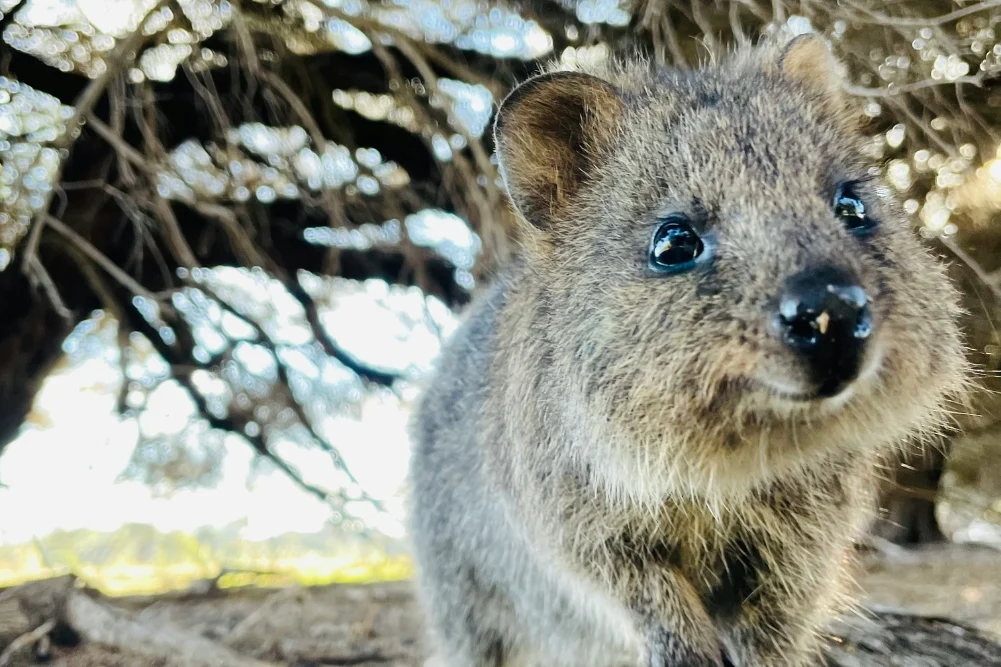
Western Australia’s tourism sector continues to be anchored by the dual appeal of Rottnest Island and the historic port city of Fremantle, two locations that offer a complex intersection of ecological wonder and somber colonial history. Known to the Whadjuk Noongar people as Wadjemup and Walyalup respectively, these sites represent a significant portion of the state’s cultural identity and natural heritage. While Rottnest Island is globally recognized for its unique marsupial population, the quokkas, it also serves as a poignant reminder of Australia’s Indigenous history, particularly regarding the incarceration of Aboriginal men and boys during the 19th and early 20th centuries.
The Ecological Significance of Wadjemup and the Quokka Phenomenon
Rottnest Island, located approximately 19 kilometers off the coast of Perth, serves as the primary stronghold for the quokka (Setonix brachyurus). This small macropod, often described as the "world’s happiest animal" due to its facial structure, has become a cornerstone of the Western Australian tourism brand. According to current ecological data, approximately two-thirds of the world’s remaining 15,000 quokkas reside on the island, with the remainder scattered in small, fragmented populations across the southwest of the mainland.
The rise of the "quokka selfie" has fundamentally altered the island’s international profile. In 2017, a promotional campaign featuring tennis champion Roger Federer generated an estimated global reach of over 500 million people. This celebrity-driven visibility resulted in a measurable surge in visitor numbers, which now exceed 750,000 annually. However, the International Union for Conservation of Nature (IUCN) continues to list the quokka as "Vulnerable." Conservationists point to a 50 percent decline in the mainland population over the last several decades, driven by habitat loss, predation by invasive species such as foxes and cats, and increasingly frequent drought cycles. On Rottnest, the challenges are different but equally pressing: rising global temperatures and diminishing freshwater sources pose a long-term threat to the island’s carrying capacity.
A Chronology of Rottnest Island: From Sacred Site to Penal Colony
The history of Rottnest Island is characterized by a dramatic shift in utility and perception. Geologically, the island was connected to the mainland until approximately 6,500 years ago when rising sea levels isolated the limestone outcrop. For the Whadjuk Noongar people, the island was known as Wadjemup, a place of spiritual significance where the spirits of the deceased were said to travel on their way to the afterlife.
The European record began in 1696 when Dutch explorer Willem de Vlamingh arrived. Mistaking the quokkas for large rats, he named the land "Rotte Nest" (Rat’s Nest). The most transformative—and tragic—period of the island’s history began in 1838, when it was established as a penal colony for Aboriginal men.
Between 1838 and 1931, more than 4,000 Indigenous males, some as young as eight years old, were exiled to the island. These prisoners were subjected to forced labor, contributing to the construction of much of the island’s current infrastructure, including the seawall, the original Wadjemup Lighthouse, and "The Quod"—a circular prison building that was later controversially repurposed as tourist accommodation. The island is now recognized as the site of the largest number of unmarked Aboriginal graves in Australia, a fact that has led to ongoing efforts by the Wadjemup Aboriginal Corporation and the state government to implement a "Wadjemup Project" focused on truth-telling and memorialization.
Infrastructure and Tourism Economics
Rottnest Island’s economy is heavily reliant on a regulated transport and accommodation model. Accessibility is maintained through three primary ferry operators: Sealink, Rottnest Fast Ferries, and Rottnest Express. Departures from Fremantle take approximately 25 to 30 minutes, while trips from Perth’s Barrack Street Jetty can take up to 90 minutes.
The island’s management authority has implemented a "tourist levy" integrated into ferry fares, which funds conservation efforts and the maintenance of the island’s class-A reserve status. Accommodation on the island spans a wide economic spectrum, reflecting a shift from basic "holiday camp" style housing to luxury eco-tourism. Prices range from budget-friendly campsites at $43 per night to high-end glamping and hotel stays exceeding $1,000 per night during peak summer periods.
A unique feature of the island’s infrastructure is its commitment to a car-free environment. Visitors primarily traverse the 11-kilometer-long island via bicycle or the "Island Explorer" bus service. This model has been praised by urban planners for reducing the carbon footprint of the tourism industry while preserving the serene, "slow road" atmosphere that distinguishes Rottnest from the mainland.
Fremantle: The Gateway and Cultural Companion
The port city of Fremantle, or Walyalup, serves as the mainland gateway to Rottnest and is a destination of significant historical merit in its own right. As the name "Place of the Woylie" suggests, the area was once home to the brush-tailed bettong, another small marsupial that has largely vanished from the urban landscape.
Fremantle is celebrated for having the most well-preserved 19th-century streetscape in Australia. Following the 1987 America’s Cup, the city underwent a period of revitalization that preserved its limestone architecture while fostering a vibrant arts and culinary scene. Key historical sites include:
- The WA Shipwreck Museum: Recognized as the preeminent maritime archaeology museum in the Southern Hemisphere, it houses the remains of the Batavia, a Dutch East India Company ship wrecked in 1629.
- The Round House: Constructed in 1830, this 12-sided structure is the oldest public building in Western Australia and served as a prison before the construction of the larger Fremantle Prison.
- Fremantle Markets: Established in 1897, the markets remain a focal point for local commerce, showcasing the region’s organic produce and artisanal crafts.
The economic synergy between Fremantle and Rottnest is undeniable. Visitors often utilize Fremantle as a base, contributing to the local hospitality sector. The city’s "Fremantle Doctor"—a reliable afternoon sea breeze—is a defining climatic feature that provides relief from the intense Western Australian sun, making it a preferred location for outdoor dining and maritime activities.
Analysis of Implications: Balancing Preservation and Progress
The future of the Rottnest-Fremantle corridor depends on a delicate balance between increasing tourism demand and the ethical necessity of historical preservation and ecological protection. The "quokka selfie" trend, while economically lucrative, requires strict management to ensure the animals are not harassed or fed inappropriate human food, which can lead to malnutrition and disease.
Furthermore, the transition of Rottnest Island from a site of colonial trauma to one of reconciliation is a significant sociological undertaking. The decommissioning of "The Quod" as tourist accommodation in 2018 marked a turning point in how the state acknowledges the island’s dark past. Analysts suggest that for Rottnest to remain a sustainable destination, it must move beyond being a "playground" and instead embrace its role as a site of national reflection.
From a climate perspective, both Fremantle and Rottnest face challenges associated with rising sea levels and coastal erosion. The limestone cliffs of Parker Point and Salmon Bay are susceptible to weathering, and the island’s freshwater lenses—essential for the survival of terrestrial fauna—are sensitive to changes in rainfall patterns.
Conclusion and Visitor Guidelines
For the modern traveler, visiting Rottnest Island and Fremantle is an exercise in observing the layers of Australian history. The experience is defined by the contrast between the turquoise clarity of the Indian Ocean and the stark limestone walls built by those once held in custody.
To maintain the integrity of these locations, authorities recommend several best practices for visitors:
- Ecological Responsibility: Use reef-friendly sunscreen to protect the coral reefs of the snorkel trails and strictly adhere to "no-touch" policies regarding quokkas.
- Cultural Respect: Acknowledge the history of Wadjemup by visiting the memorial sites and educating oneself on the Noongar connection to the land.
- Sustainability: Utilize the island’s water refill stations and participate in waste reduction programs to protect the marine environment.
As Western Australia continues to position itself as a premier destination for nature-based and heritage tourism, the management of Rottnest and Fremantle will serve as a benchmark for how modern societies reconcile their environmental responsibilities with their historical legacies. The proverb often cited in the region holds true: "We are all visitors to this time, this place. Our purpose is to observe, to learn, and to grow."


 Anjar Salim
 Chandra Hamzah
 Tatiana Tantri Indah Sari
 Budi Mulyono

