Diana Nuri Rohmawati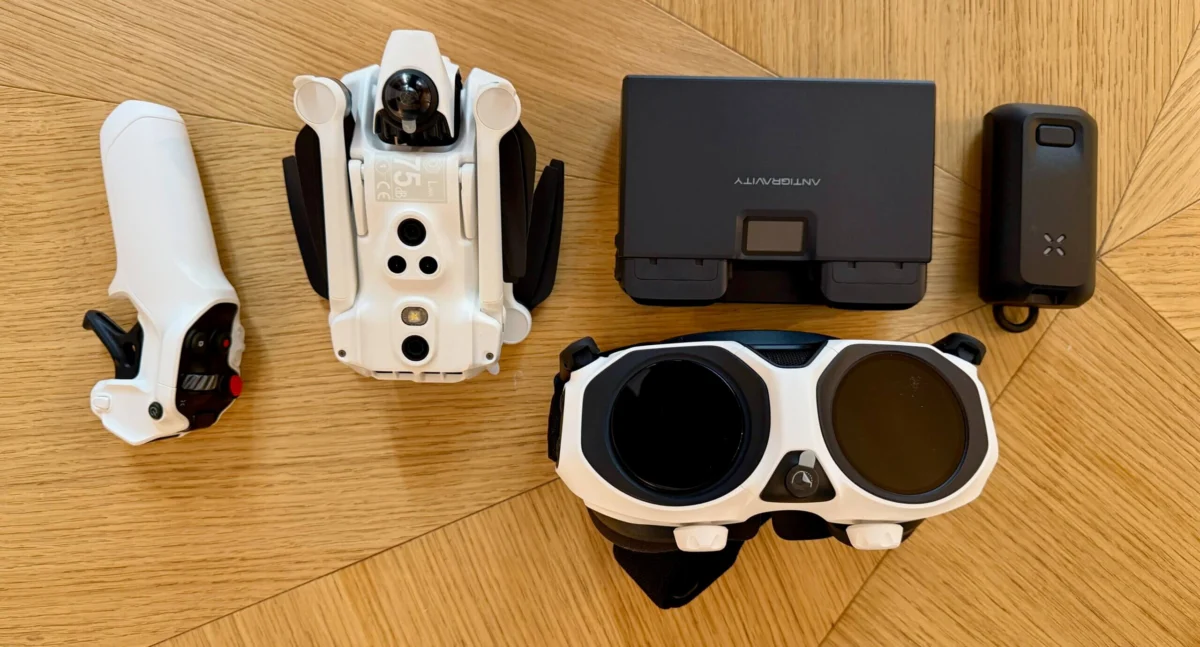
The global drone industry has witnessed a significant technological shift with the late 2025 release of the Antigravity 360 A1, a specialized unmanned aerial vehicle (UAV) that utilizes a dual-lens system to challenge the necessity of traditional mechanical gimbals. By capturing a full 360-degree spherical field of view simultaneously, the A1 introduces a "fly now, frame later" workflow, allowing creators to determine camera angles during the post-production phase rather than during active flight. This development represents a convergence of action camera technology and aerial robotics, aiming to simplify the flight experience while maximizing creative output for both hobbyists and professional digital creators.
Technical Architecture and Optical Specifications
At the core of the Antigravity 360 A1’s design is its unique optical array. Unlike conventional drones that rely on a single forward-facing camera mounted on a three-axis gimbal, the A1 utilizes two ultra-wide-angle lenses positioned on the dorsal and ventral sides of the central fuselage. Each lens features a 200-degree field of view, providing an overlap that enables the onboard processor to stitch together a seamless 360-degree environment.
The imaging system is built around dual 1/1.28-inch CMOS sensors. In the hierarchy of digital imaging, these sensors occupy a strategic middle ground; they are significantly larger than the 1/2.3-inch sensors found in standard action cameras, yet they maintain the compact form factor required for a lightweight drone. The increased surface area of the 1/1.28-inch sensor improves the signal-to-noise ratio, particularly in low-light environments, and provides a higher dynamic range. This allows the A1 to retain detail in high-contrast scenarios, such as sunsets or shadowed forest canopies, where smaller sensors typically suffer from blown-out highlights or crushed blacks.
The device records in 8K resolution, though industry analysts note that 8K in a 360-degree context differs from traditional flat video. In a spherical capture, the pixels are distributed across the entire 360-degree environment. When a creator "reframes" the footage into a standard 16:9 aspect ratio, the resulting output is essentially a crop of the total sphere. However, the high starting resolution ensures that the exported flat video maintains high-definition clarity, a common hurdle for earlier generations of 360-degree hardware.
Regulatory Compliance and Structural Engineering
A primary driver behind the A1’s market strategy is its weight. The drone is engineered to weigh exactly 249 grams with its standard Intelligent Flight Battery. This specific weight is critical due to international aviation regulations. In the United States, the Federal Aviation Administration (FAA) requires drones weighing 250 grams or more to be registered for recreational use and subjects them to more stringent Remote ID and operational requirements. Similar thresholds exist within the European Union Aviation Safety Agency (EASA) and other global regulatory bodies. By remaining under this limit, the A1 is categorized in a manner that reduces the administrative burden on the user, making it highly accessible for travelers and casual users.
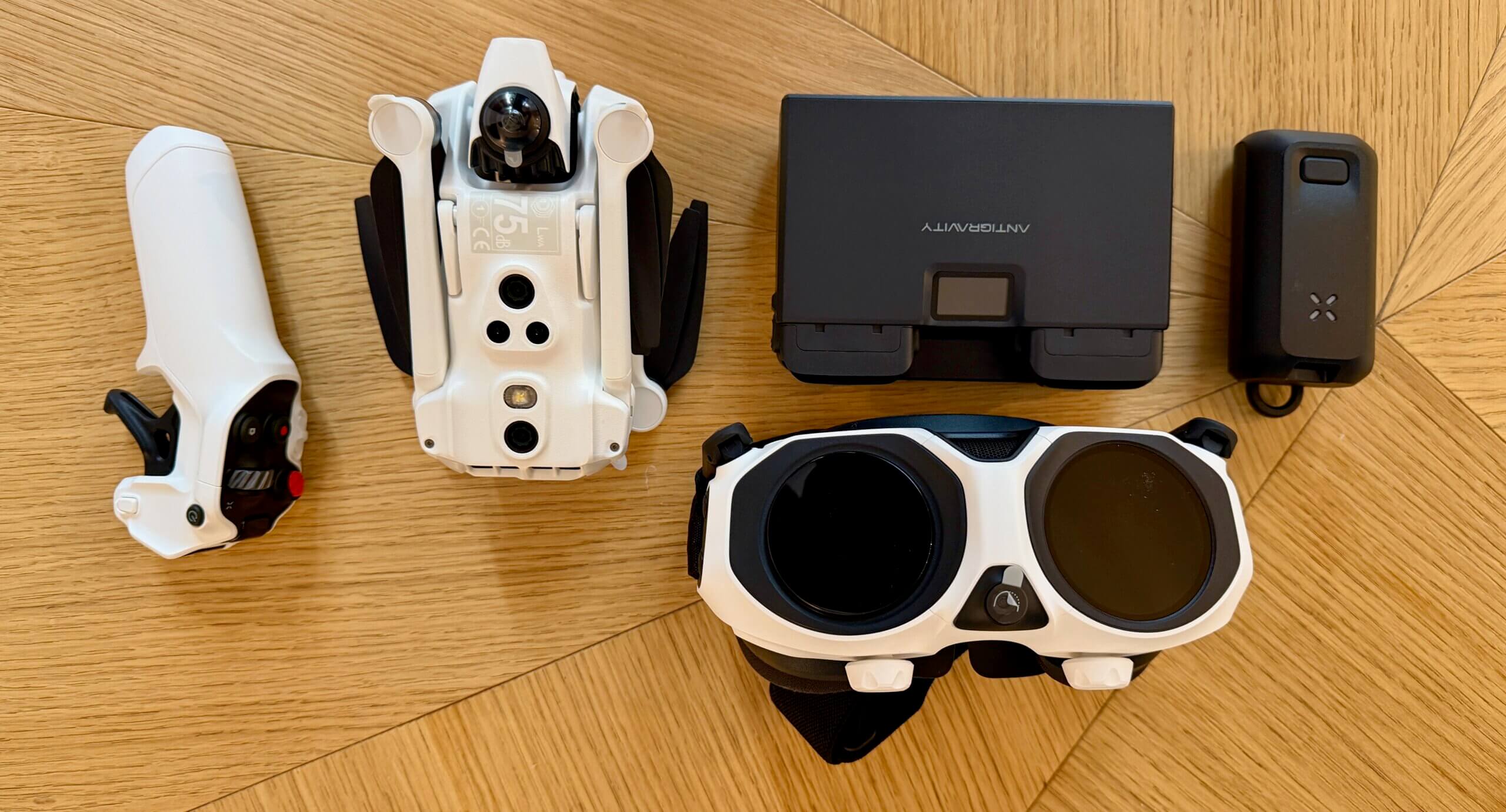
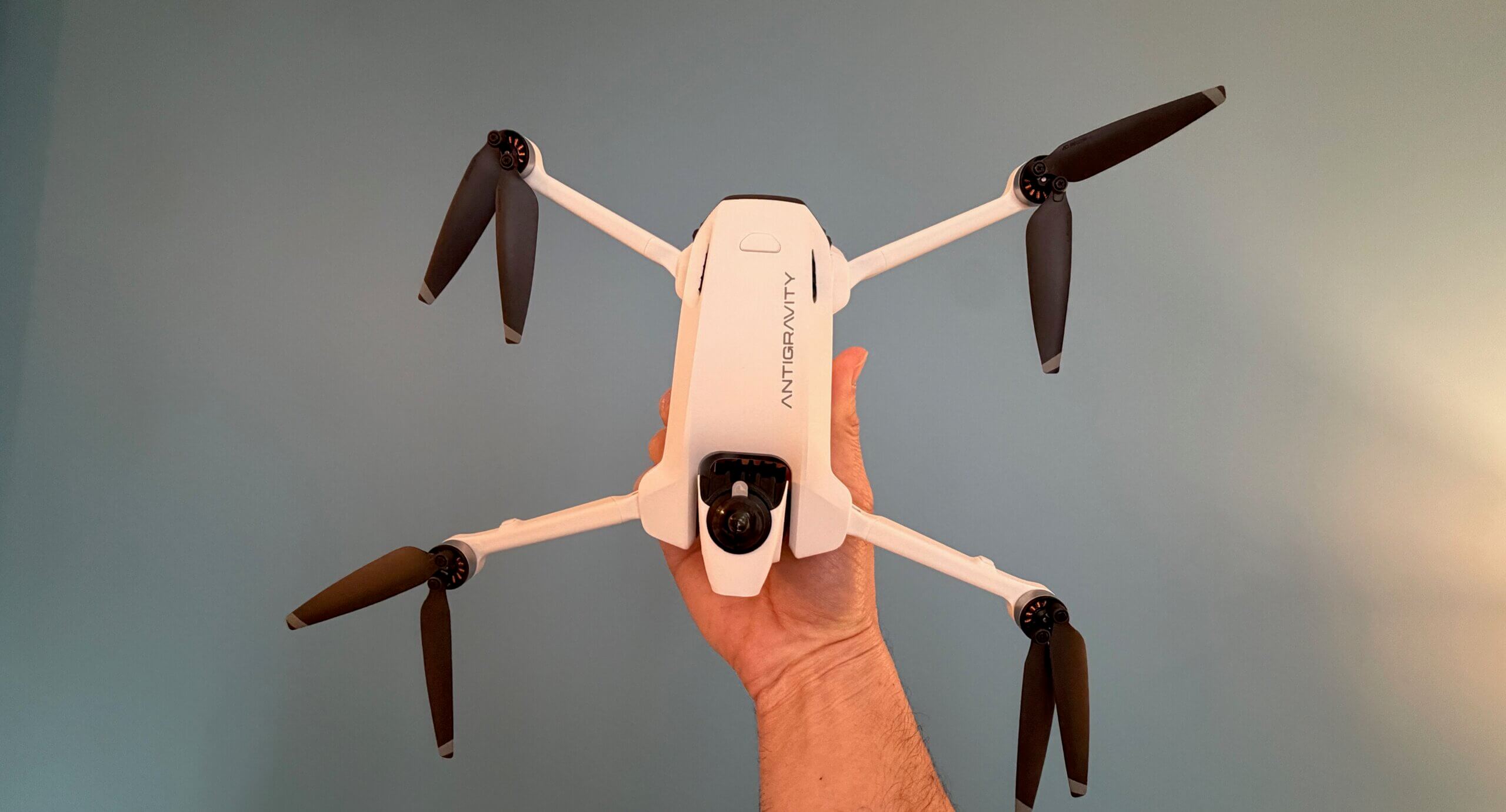
To achieve this weight without compromising structural integrity, Antigravity utilized a high-grade carbon-fiber-reinforced polymer. This material provides a superior strength-to-weight ratio compared to the Acrylonitrile Butadiene Styrene (ABS) plastic commonly used in entry-level drones. The A1 features a folding design, reducing its footprint to approximately the size of a large smartphone when not in use. The inclusion of a "Turtle Mode" further enhances durability; this feature allows the drone to use its motors to flip itself over if it lands upside down after a collision, facilitating a remote recovery without physical intervention.
Chronology of Development and Market Evolution
The trajectory of the Antigravity 360 A1 can be traced back to the rising popularity of "Cinewhoop" drones and 360-degree action cameras between 2022 and 2024. During this period, creators often DIY-mounted 360 cameras to FPV (First Person View) drones, a setup that was often heavy, unbalanced, and prone to mechanical failure.
- Q1 2024: Initial rumors of a dedicated 360-degree flight platform emerged from Antigravity’s R&D labs, focusing on the elimination of the "invisible selfie stick" effect in aerial form.
- Q4 2024: Antigravity announced a partnership with leading sensor manufacturers to develop the 1/1.28-inch CMOS units specifically optimized for spherical stitching.
- Q2 2025: Beta testing commenced with a select group of professional FPV pilots and travel cinematographers. Feedback led to the refinement of the "FlowState" stabilization algorithms.
- Late 2025: The Antigravity 360 A1 officially entered the global market, positioned as a bridge between high-end FPV drones and user-friendly consumer quadcopters.
The Immersive Flight Interface
The A1 system includes a pair of high-performance Vision Goggles equipped with dual 4K micro-OLED displays. These screens support a 120Hz refresh rate, which is essential for reducing motion sickness and providing a fluid visual experience. The goggles incorporate advanced head-tracking technology. Because the drone captures a full sphere of data, the pilot’s view is not tethered to the drone’s heading. If the pilot turns their head to the left, the display shows the environment to the left of the aircraft in real-time, regardless of which way the drone is flying.
Control is handled via a single-handed motion controller, which translates wrist movements into flight maneuvers. This intuitive interface is designed to lower the barrier to entry for novice pilots. While the drone supports a traditional "Mode 2" twin-stick controller for precision acrobatic flight, the motion controller is expected to be the primary choice for the "Prosumer" demographic.
Stabilization and Post-Production Ecosystem
The A1 relies heavily on software to replace the physical stabilization of a gimbal. The "FlowState" algorithm processes data from internal gyroscopes and accelerometers to keep the horizon level and the footage steady, even when the drone is buffeted by winds of up to 20 mph.
The "Antigravity Studio" application serves as the primary post-production hub. The app allows for high-speed wireless data transfer at rates up to 80MB/s. Its most notable feature is the AI-driven "Auto-Frame" tool. This system uses computer vision to identify subjects—such as a mountain biker, a vehicle, or a landmark—and automatically generates camera movements to keep those subjects centered. For professional editors, the A1 supports a 10-bit "Log" color profile, providing the necessary latitude for color grading and matching footage with cinema-grade cameras.
Performance Metrics and Battery Constraints
Despite the advancements in software and optics, the A1 faces the universal challenge of battery density in small-scale aviation.
- Standard Battery: Provides approximately 24 minutes of theoretical flight time. In real-world testing involving active recording and wind resistance, this typically translates to 19–20 minutes of operational time.
- Pro Battery: Increases flight time to 39 minutes but raises the total aircraft weight above the 250g regulatory threshold, requiring registration in many jurisdictions.
- Flight Dynamics: The drone reaches a top speed of 36 mph. While sufficient for following most land-based subjects, it is not intended for high-speed racing.
Industry Implications and Expert Analysis
Market analysts suggest that the Antigravity 360 A1 represents a shift toward "software-defined cinematography." By capturing the entire environment, the drone removes the risk of "missing the shot," a common issue in traditional aerial photography where the camera must be pointed precisely at the subject.
"The A1 is less of a flying camera and more of a flying data-collector," says Marcus Thorne, a senior analyst at AeroTech Insights. "It captures a digital twin of the environment through which the user later ‘films’ their sequence. This fundamentally changes the role of the pilot from a camera operator to a director of a virtual space."
However, industry experts also point out potential vulnerabilities. The dual-lens design leaves the optics exposed on both sides of the drone, making them more susceptible to damage during crashes compared to recessed lenses. Furthermore, the reliance on digital stitching means that any misalignment in the fuselage can result in visible "seams" in the footage, though Antigravity claims their calibration software mitigates this risk.
Broader Impact on the Content Creation Landscape
The introduction of the A1 is expected to influence several sectors beyond travel vlogging. In real estate, the drone allows for seamless interior and exterior walkthroughs where the viewer can later choose their own perspective. In search and rescue, the 360-degree view provides total situational awareness, ensuring that no detail is missed in the periphery of a standard camera view.
As the drone industry continues to navigate a complex regulatory environment, the Antigravity 360 A1’s combination of sub-250g weight and high-end spherical imaging sets a new benchmark. It suggests a future where the mechanical complexity of drones is reduced in favor of sophisticated sensor arrays and AI-driven processing, ultimately prioritizing creative freedom and ease of use in the evolving field of aerial robotics.




 Chandra Hamzah
 Gabriela Annisa
 Tatiana Tantri Indah Sari
 Budi Mulyono
 Anjar Salim