
 Anjar Salim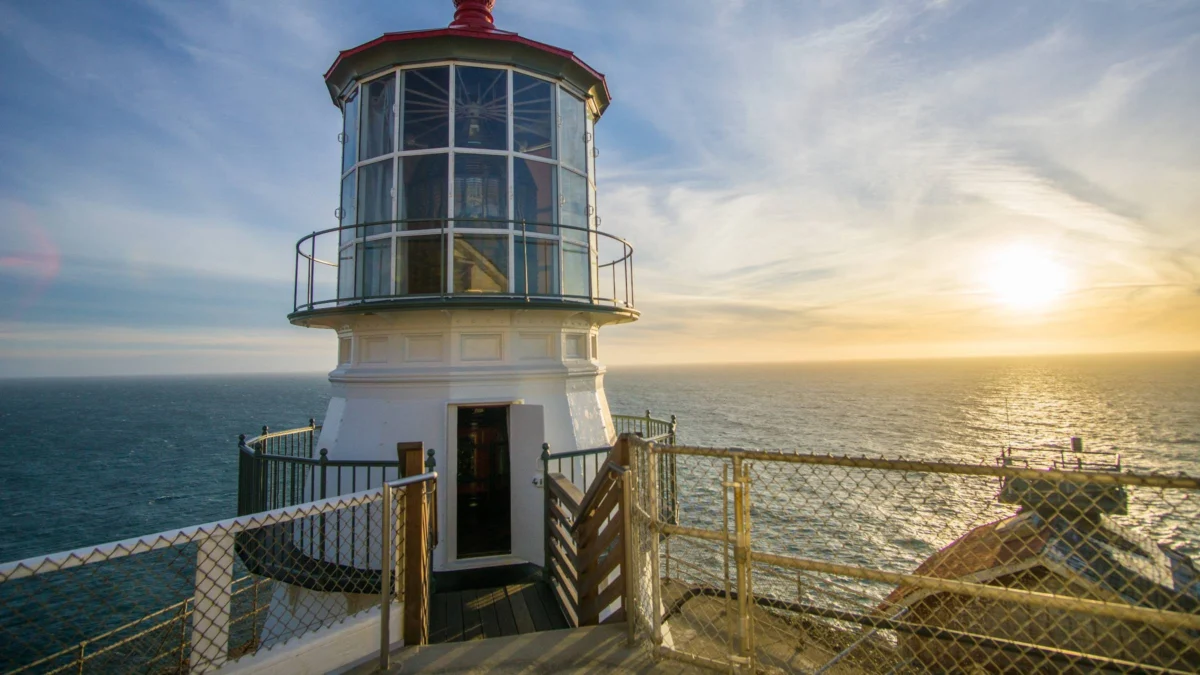
For more than two centuries, the American coastline was defined by a network of isolated sentinels that served as the primary defense against maritime disaster. Long before the advent of Global Positioning Systems (GPS), sophisticated radar, or satellite-based meteorological forecasting, vessels approaching the North American continent were forced to navigate a perilous gauntlet of shifting sandbars, rogue waves, and unpredictable currents. The stakes of maritime commerce were so high that the fledgling United States government made one of its first major investments in infrastructure by funding navigation aids to protect trade and human life. While the technological necessity of the lighthouse keeper has been eclipsed by automation, the National Park Service (NPS) has institutionalized a unique volunteer model that allows the public to inhabit this historic role through immersive coastal residencies.
As of early 2026, the NPS continues to manage a competitive recruitment process for "modern-day keepers" at several historic lighthouse stations. These volunteers live within or adjacent to monuments that were once the height of maritime technology. However, the role is now defined by historical interpretation and facility stewardship rather than the manual maintenance of oil lamps. This transition marks the final chapter in a profession that historians trace back to the construction of the Pharos of Alexandria around 280 B.C. In 2023, the era of the professional American lighthouse keeper officially concluded when Sally Snowman, the final staffed keeper at Boston Light, retired at age 72. Despite the formal end of the profession, the NPS volunteer programs at Lake Superior, the California coast, and the Outer Banks ensure that the "human beacon" remains a fixture of the American coastline.
The Evolution of American Maritime Navigation
The history of the American lighthouse keeper is inextricably linked to the growth of the nation’s economy. The ninth act of the first Congress in 1789—the first public works act of the new federal government—transferred the responsibility of lighthouses from individual states to the federal government. This led to the creation of the United States Lighthouse Board in 1852, which professionalized the service and established rigorous standards for the "wickies," a colloquial term for keepers who trimmed the wicks of oil lamps.
For decades, the life of a keeper was one of extreme isolation and physical rigor. Before the invention of the Fresnel lens in the early 19th century, keepers struggled to produce a light beam powerful enough to penetrate thick fog. Even with the introduction of these massive glass lenses, the job required constant vigilance: hauling gallons of oil up spiral staircases, polishing brass, and cleaning soot from the glass lanterns every morning. In 1939, the U.S. Lighthouse Service was folded into the U.S. Coast Guard, beginning a slow march toward automation. By the 1960s, most lighthouses had been converted to electricity, and by the 1990s, nearly every station in the United States had been automated, removing the need for a resident human presence.
The Legacy of Boston Light and Sally Snowman
Boston Light, situated on Little Brewster Island in Massachusetts, stands as the most significant site in this transition. Established in 1716 and rebuilt after the Revolutionary War, it is the oldest continuously operating lighthouse in the United States. It was also the last station to remain officially staffed by the U.S. Coast Guard, a status maintained largely for its historical significance rather than operational necessity.
Sally Snowman’s tenure at Boston Light represents the bridge between the professional past and the volunteer future. Her connection to the island began at age ten, when she accompanied her father, a member of the Coast Guard Auxiliary, to the station. After a career as a college professor, Snowman returned to the sea, eventually becoming an assistant keeper in 1994. In 2003, she was appointed the 17th keeper of Boston Light, making history as the first woman to hold the post in its 300-year history.
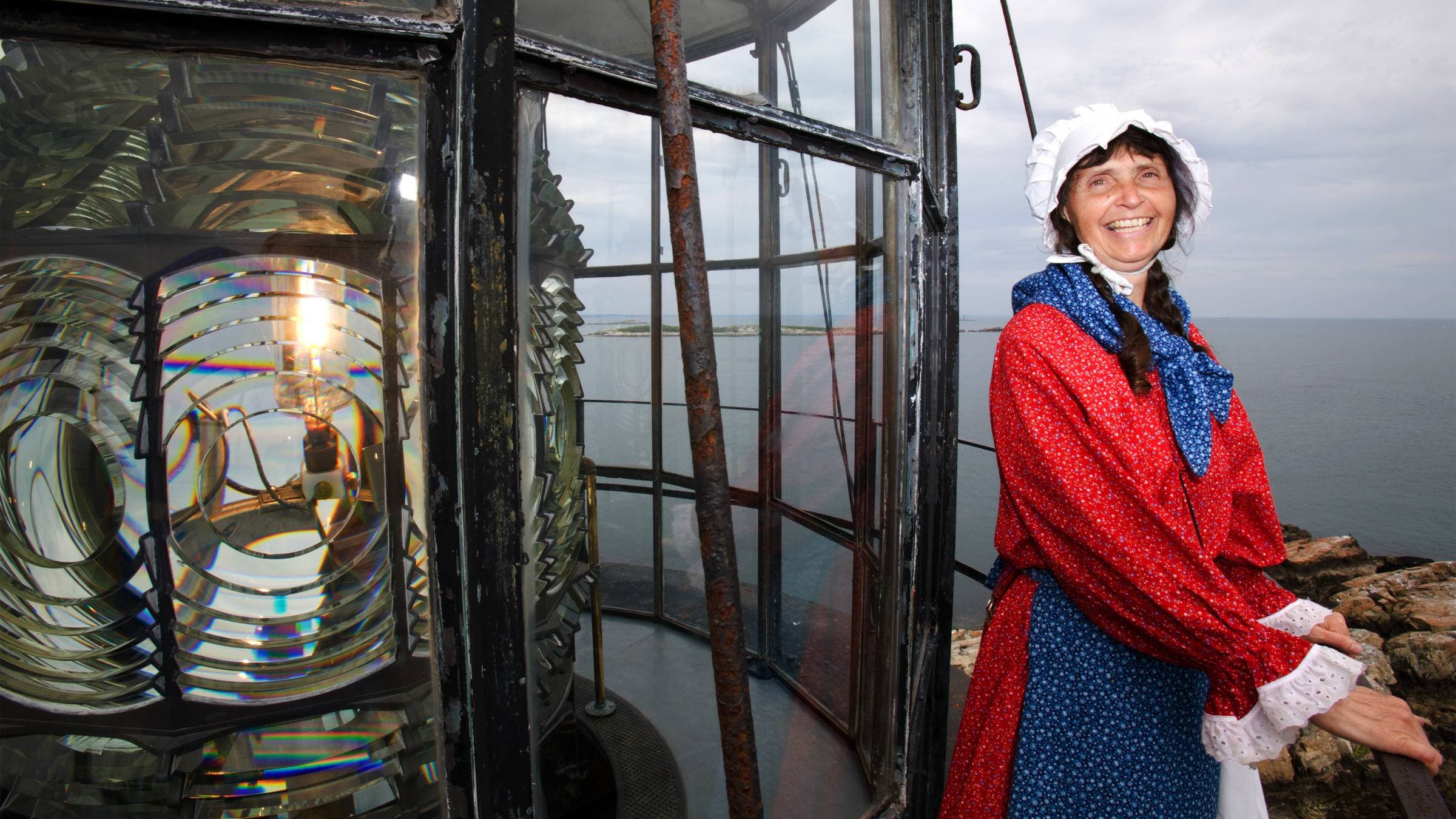
During her tenure, Snowman’s responsibilities mirrored the shifting priorities of the National Park Service. While the light itself was automated, the management of the island’s seven buildings and the education of the visiting public became her primary focus. Snowman often greeted visitors in 18th-century period dress, emphasizing that the modern keeper is a custodian of memory. Her retirement in 2023 signaled the end of the federal government’s payroll for lighthouse keepers, but it did not end the public’s fascination with the lifestyle.
Modern Volunteer Programs: Roles and Requirements
Today, the NPS manages several "keeper" programs that offer varying degrees of immersion. These roles are categorized under the Volunteers-In-Parks (VIP) program and are often high-demand positions that require specific skill sets.
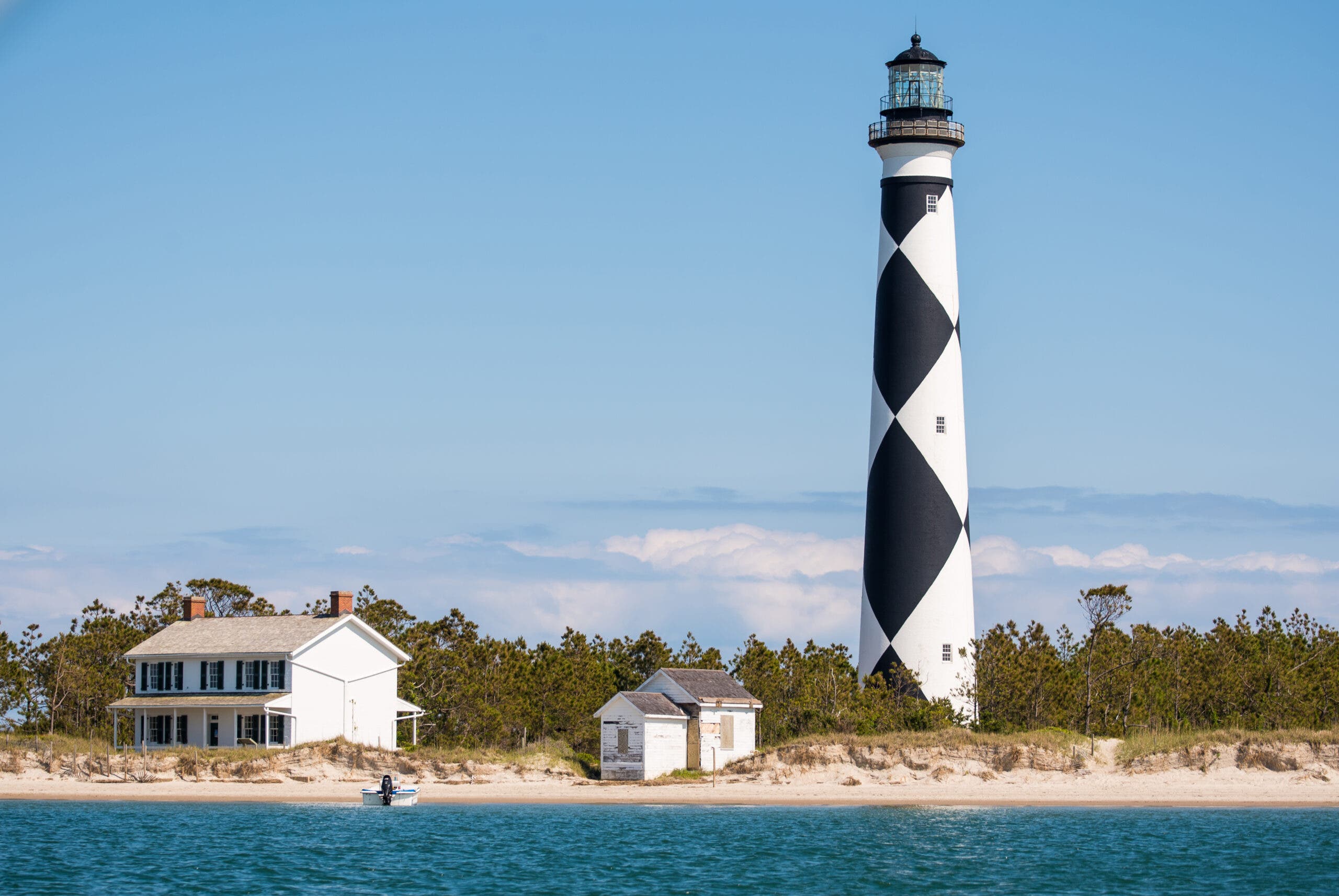
Cape Lookout National Seashore, North Carolina
At Cape Lookout, a remote stretch of barrier islands accessible only by ferry, the NPS recruits volunteers to reside in the 1873 Keeper’s Quarters. BG Horvat, the park’s chief of interpretation, emphasizes that the role is designed for "responsible self-starters." Volunteers are responsible for operating the Keeper’s Quarters Museum from 9 A.M. to 5 P.M. daily. The work involves not only facility maintenance but also the mastery of historical narratives regarding the Graveyard of the Atlantic—the treacherous waters off the North Carolina coast that have claimed thousands of ships. According to park data, the recruitment window for these positions is exceptionally narrow; a recent December posting was entirely filled by mid-February.
Apostle Islands National Lakeshore, Wisconsin
On the northern tip of Wisconsin, the Sand Island Lighthouse—a Norman Gothic structure built in 1881—offers a more rugged experience. Jeanette Gary, the site’s volunteer coordinator, notes that the position is typically a "partner position," requiring two individuals to apply together due to shared housing and the physical nature of the duties. Unlike more accessible sites, Sand Island volunteers must be prepared for total isolation. "They need to bring in all their food and supplies," Gary states, noting that once the NPS transports volunteers to the island, they remain there for their three-week rotation. The duties are divided between historical tours and heavy maintenance, including trail work and the cleaning of campsite privies.
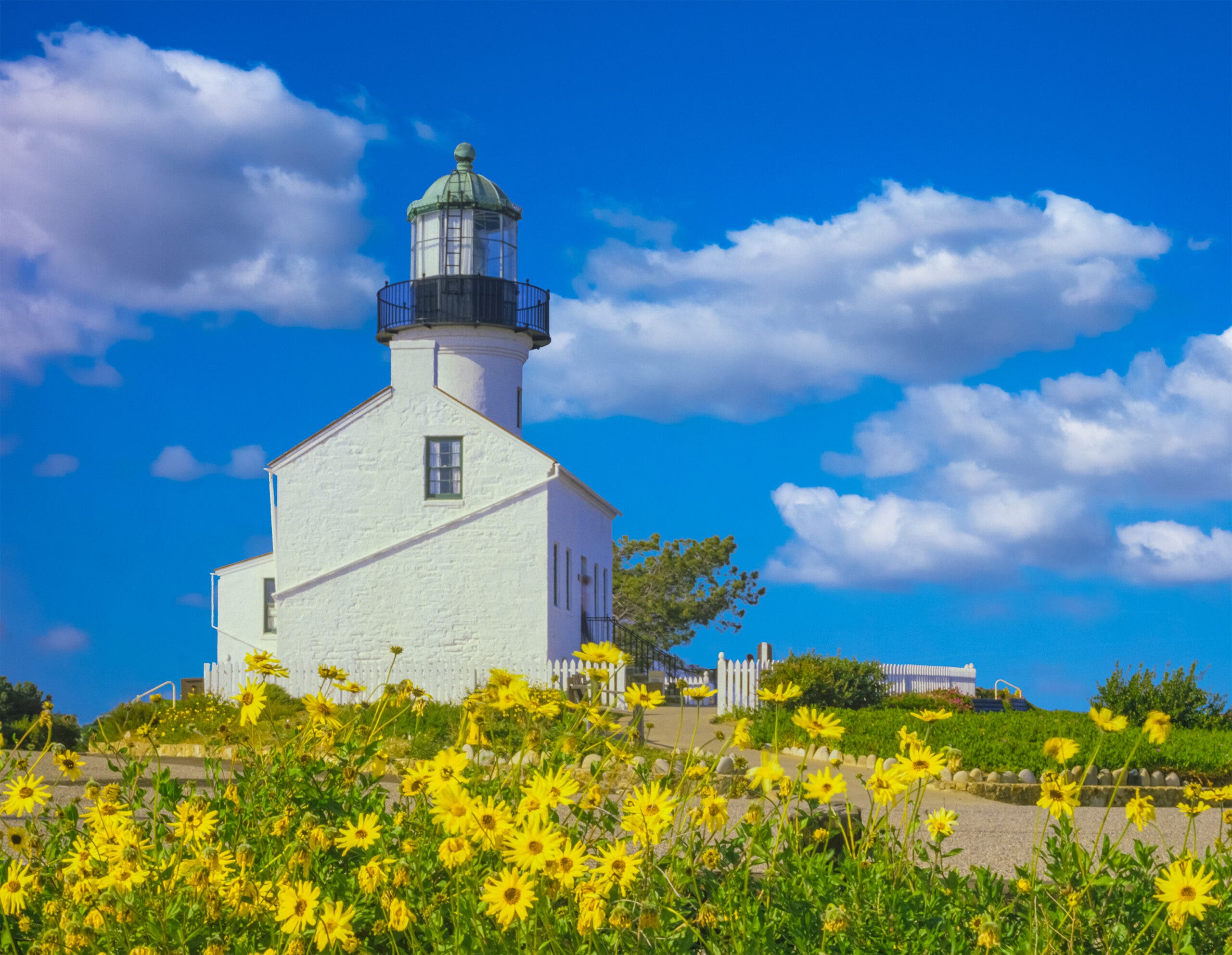
Point Reyes National Seashore, California
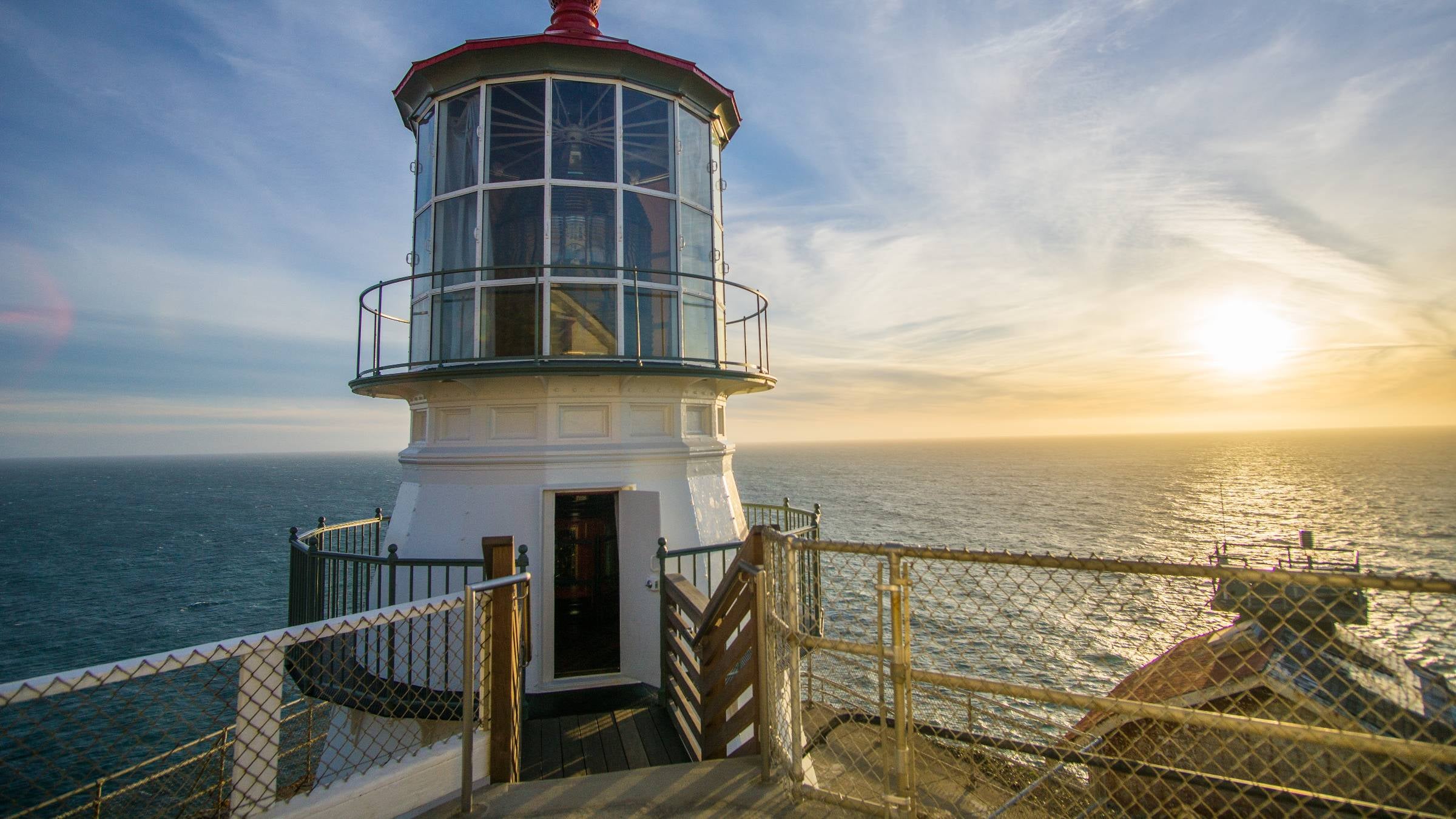
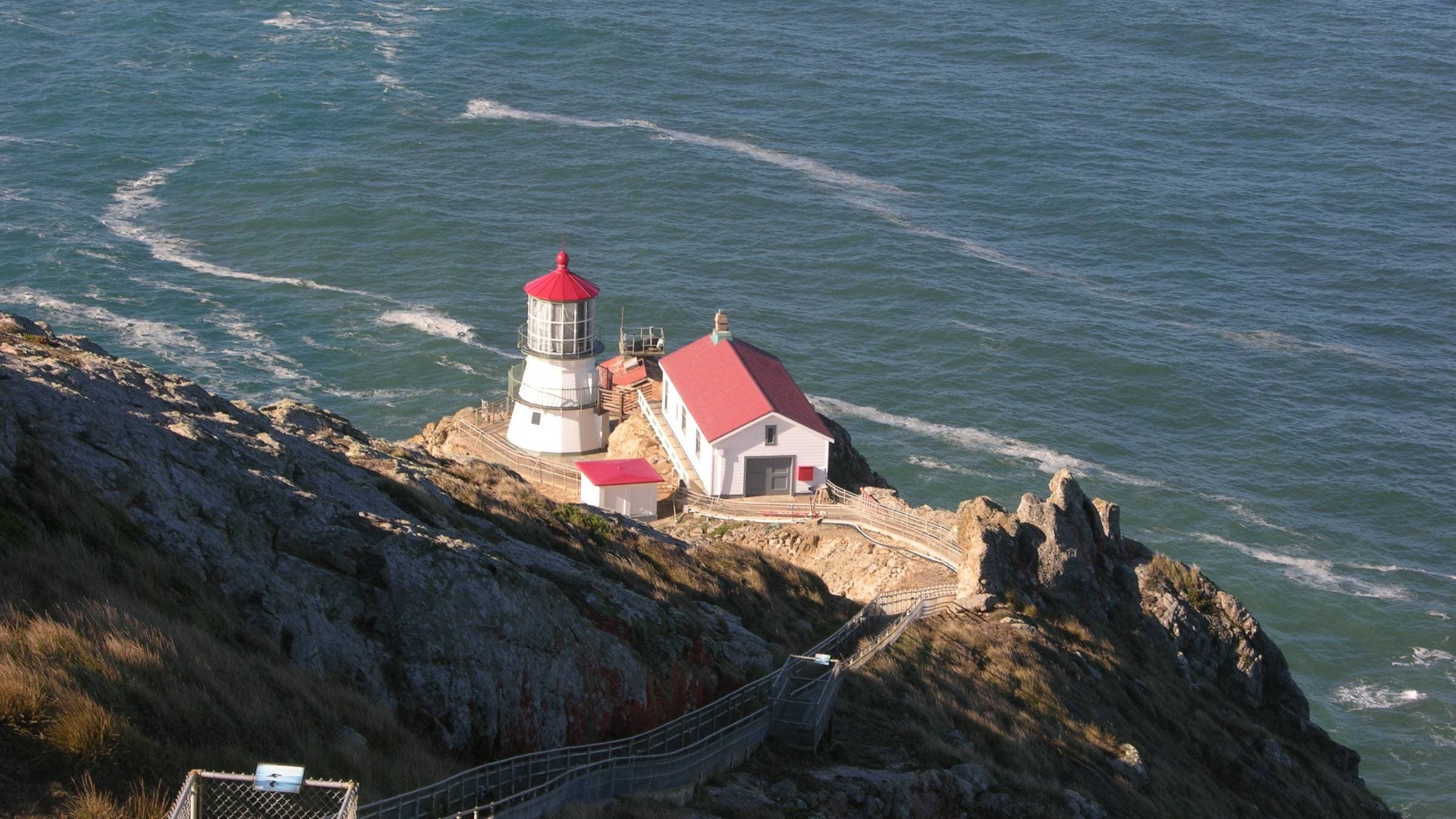
For those seeking a coastal experience on the Pacific, Point Reyes offers a 30-hour-a-week volunteer position. However, the NPS provides a candid assessment of the living conditions to deter those seeking a luxury retreat. The volunteer housing, a shared co-ed apartment, is explicitly described in listings as "not rodent-proof," highlighting the realities of living in a sensitive ecological and historical zone.
Technical Shifts and the National Historic Lighthouse Preservation Act
The transition of lighthouses from operational assets to cultural sites was accelerated by the National Historic Lighthouse Preservation Act (NHLPA) of 2000. This legislation allowed the federal government to transfer lighthouses to other government agencies, non-profits, or educational organizations at no cost, provided they are maintained for educational and cultural purposes.
This act saved hundreds of structures from being sold to private developers. By transferring these sites to the National Park Service or state park systems, the government ensured that the public would retain access to the coastlines. However, this transfer also created a massive maintenance backlog. Lighthouses are located in the most corrosive environments on earth—constantly battered by salt spray, high winds, and extreme humidity. The NPS relies on volunteers not just for public relations, but as a critical workforce to manage the physical deterioration of these assets.
The Psychological Allure of the "Long Horizon"
The persistent interest in lighthouse volunteerism, despite the lack of pay and the presence of manual labor, suggests a deeper cultural phenomenon. Analysts of maritime history suggest that the "human urge to stand watch" remains a powerful motivator in an increasingly digital and disconnected society.
For individuals like Sally Snowman, the pull is elemental. She describes the "poetry of the wind" and the "thrill of the distance" as components of a life that provides a sense of purpose often missing from modern urban existence. Even as access to sites like Boston Light is periodically restricted due to storm damage and maintenance—as was the case in early 2026 following a series of winter "bomb cyclones"—the demand for these roles does not wane.
Conclusion: The Future of Maritime Stewardship
The National Park Service’s lighthouse programs represent a successful model of heritage preservation. By leveraging the romanticism of the lighthouse keeper’s life, the NPS has secured a dedicated labor force to maintain structures that might otherwise fall into ruin.
As technology continues to advance, the role of the lighthouse will move further away from its origin as a tool of survival and closer to its future as a symbol of resilience. The "modern keeper" is no longer a guardian against shipwrecks, but a guardian against the erasure of history. For those willing to trade modern comforts for a three-week rotation on a wind-swept island, the opportunity to "stand watch" remains one of the most prestigious and demanding volunteer roles in the American public lands system. The lights may be automated, but the human presence at the edge of the map remains an essential part of the American maritime identity.


 Chandra Hamzah
 Tatiana Tantri Indah Sari
 Budi Mulyono
