
 Budi Mulyono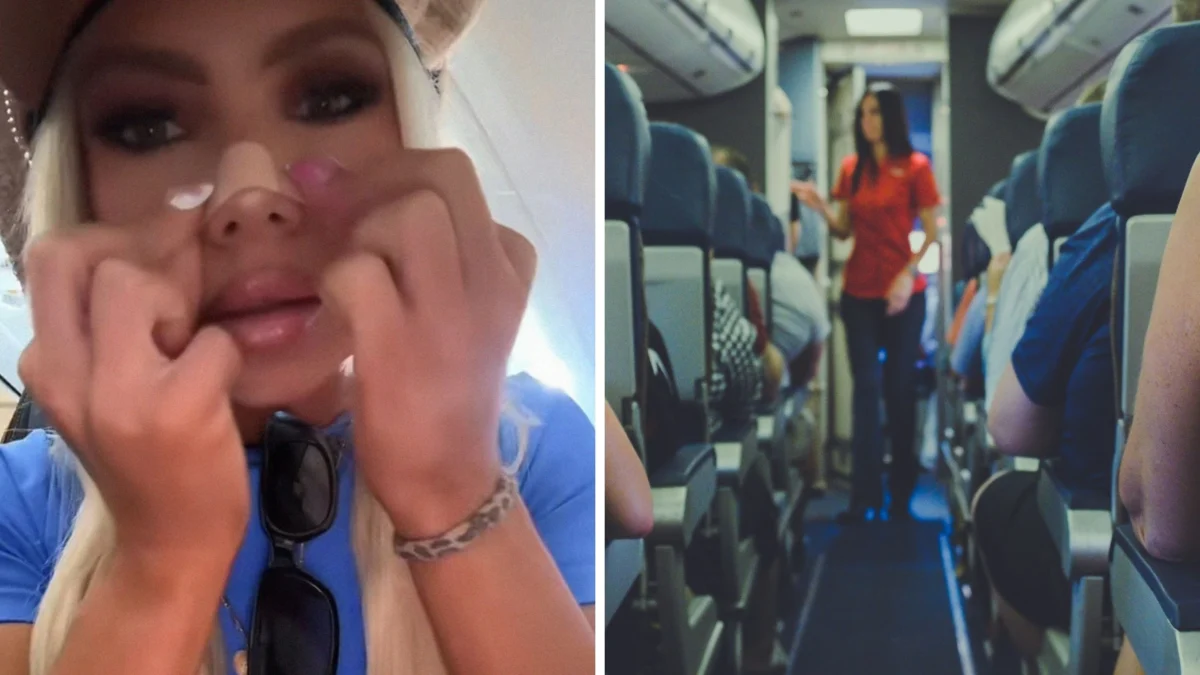
A recent travel incident involving Texas-based TikTok creator Kaitlyn Schultz has highlighted the critical importance of post-operative protocols for passengers traveling by air following cosmetic procedures. Schultz, who recently underwent a rhinoplasty procedure, found herself in a precarious medical situation during a three-hour flight to Florida when she realized she had neglected to pack essential medical tape required to manage swelling and maintain the structural integrity of her healing nasal tissues. The situation, which could have resulted in significant post-surgical complications, was resolved through the intervention of an attentive flight attendant who provided adhesive bandages from the aircraft’s mandated first aid supplies.

The incident gained widespread attention after Schultz shared her experience on the social media platform TikTok, where the video has amassed over 3.1 million views. The footage depicts Schultz applying bandages provided by the crew to her nose, utilizing them as a makeshift compression tool to counteract the effects of cabin pressure. This event serves as a focal point for a broader discussion regarding the physiological challenges of air travel after surgery and the regulatory requirements for medical preparedness within the aviation industry.
The Physiological Risks of Air Travel Following Rhinoplasty
Rhinoplasty, colloquially known as a "nose job," is a complex surgical procedure involving the modification of bone, cartilage, and skin. The recovery period is characterized by significant inflammation and the delicate stabilization of new nasal structures. Medical professionals, including Schultz’s surgeon, Dr. Russell Frautschi of Austin Face & Body, typically mandate a strict regimen of "taping" during the initial weeks of recovery. This practice applies consistent, gentle pressure to the tissues, which helps to minimize edema (swelling) and prevents the formation of scar tissue or "polly tip" deformity, where the tip of the nose becomes excessively rounded due to fluid retention.

The environment of a commercial aircraft cabin presents unique challenges to a healing surgical site. Most commercial flights maintain a cabin altitude equivalent to 6,000 to 8,000 feet above sea level. According to Boyle’s Law, as ambient pressure decreases, the volume of gas increases. In the context of a recent surgery, any trapped air or fluid within the surgical site can expand, leading to increased pain, pressure, and significant swelling.

Furthermore, the humidity levels in aircraft cabins are notoriously low, often dropping below 20%. This dry environment can dehydrate the nasal passages, leading to crusting and potential bleeding at incision sites. For a passenger like Schultz, the absence of compression tape during a three-hour flight represented a significant risk of "rebound swelling," a condition where the tissues expand rapidly, potentially compromising the aesthetic and functional results of the surgery.

Chronology of the Incident and Crew Intervention
The timeline of the event began shortly after Schultz’s surgery in Austin, Texas. Seeking a period of rest and recuperation, she planned a trip to the Florida coast. However, during the boarding process or shortly after takeoff, Schultz realized that her medical tape—a non-negotiable component of her recovery kit—had been left behind.

Realizing that her nose was at risk of becoming "misshapen" due to the impending pressure changes, Schultz initially attempted a manual solution, considering the possibility of pinching her nose for the duration of the flight. This method was quickly deemed impractical and potentially harmful, as uneven pressure could further damage the healing cartilage.

The resolution came when Schultz consulted the cabin crew. A flight attendant provided adhesive bandages, which Schultz then applied in a specific configuration to mimic professional medical taping. In her documented video, she is seen placing one bandage across the bridge of the nose to provide downward pressure and another across the tip with light upward pressure. While not an identical substitute for specialized medical-grade paper tape, the adhesive bandages provided the necessary tension to mitigate the effects of the cabin altitude.

Regulatory Framework: FAA Requirements for Onboard Medical Supplies
The ability of the flight crew to assist Schultz was supported by stringent federal regulations. The Federal Aviation Administration (FAA) mandates that all commercial aircraft be equipped with specific medical kits to handle both minor injuries and major emergencies. Under 14 CFR Part 121, Appendix A, airlines must carry Approved First-Aid Kits and Emergency Medical Kits (EMK).

The mandated contents of an FAA-approved first-aid kit include:
- Adhesive bandage compresses (1-inch).
- Antiseptic swabs.
- Ammonia inhalants.
- Arm and leg splints.
- Large gauze pads and rollers.
- Adhesive tape (standard surgical tape).
- Scissors.
While the primary purpose of these kits is to address acute injuries sustained during flight—such as burns, cuts, or fractures—they serve as a vital resource for passengers with pre-existing medical needs that become urgent due to the flight environment. The presence of adhesive bandages and tape in these kits is a regulatory requirement, ensuring that cabin crews have the tools necessary to assist passengers in maintaining their health and safety at 30,000 feet.

The Role of Social Media and Public Response
The viral nature of Schultz’s TikTok video highlights the intersection of "medical tourism" and social media. As more individuals travel for cosmetic and elective surgeries, the sharing of recovery experiences has become a prominent subculture online. The response to Schultz’s video was largely positive, with users praising the ingenuity of the solution and the helpfulness of the airline staff. One user, 870Wingmaster, commented "Queens doing queen things," reflecting a sentiment of solidarity among followers.

The incident also prompted inquiries regarding the surgical expertise behind the procedure. Schultz identified her surgeon as Dr. Russell Frautschi, a specialist at Austin Face & Body. This transparency provides insight into the growing trend of patients traveling domestically for specific surgical specialists, a practice that necessitates a deep understanding of travel-related recovery risks.
Expert Recommendations for Post-Operative Air Travel
Medical experts and aviation health organizations provide specific guidelines for patients who must fly shortly after a surgical procedure. While every case is unique, the general consensus for rhinoplasty patients involves several key precautions:

1. Timing and Clearance
Most surgeons recommend waiting at least five to seven days before flying after a rhinoplasty. This allows the initial acute swelling to subside and ensures that any internal packing or external splints are stable. Passengers should always obtain a formal "fit to fly" letter from their surgeon.

2. Hydration and Nasal Care
To combat the dry cabin air, patients are advised to use saline nasal sprays every hour during the flight. This keeps the mucous membranes moist and reduces the risk of epistaxis (nosebleeds).

3. Management of Pressure
Patients are encouraged to use decongestants (if approved by their doctor) to keep the Eustachian tubes clear, which helps the body equalize pressure between the middle ear and the cabin. Taping, as seen in Schultz’s case, remains a primary defense against external swelling.

4. Circulatory Health
Post-operative patients are at an increased risk for Deep Vein Thrombosis (DVT). Experts recommend short walks through the cabin every hour and the use of compression stockings to maintain healthy blood flow during long-haul or mid-range flights.

Broader Implications for the Aviation Industry
The Schultz incident underscores the evolving role of flight attendants as more than just safety and service providers. They are increasingly acting as intermediaries in complex medical situations. While flight attendants are not medical professionals, their training in first aid and their access to regulated medical supplies are essential components of the modern travel experience.

As the cosmetic surgery industry continues to grow—with the global rhinoplasty market alone projected to reach billions in the coming years—airlines can expect a higher volume of passengers traveling in various stages of recovery. This trend may necessitate more specialized training for cabin crews regarding the needs of post-surgical passengers and perhaps a re-evaluation of the standard items included in onboard medical kits.

For travelers, the lesson from Schultz’s experience is one of redundancy and communication. While the airline crew was able to provide a temporary solution, the stress and potential risk could have been avoided with a comprehensive "carry-on only" medical kit. Nevertheless, the successful resolution of this mid-flight dilemma serves as a testament to the importance of aviation safety regulations and the resourcefulness of airline personnel in ensuring passenger welfare.

Schultz’s experience, while unique in its specific medical context, reflects a universal truth of modern travel: the necessity for preparation and the value of a supportive crew when those preparations fail. BoardingArea has reached out to Schultz for further comments regarding her recovery progress and any subsequent advice she might offer to fellow travelers in similar positions. Updates will be provided as more information becomes available.




 Anjar Salim
 Chandra Hamzah
 Tatiana Tantri Indah Sari
 Lukman Taruna Persada Ramadan
