
 Anjar Salim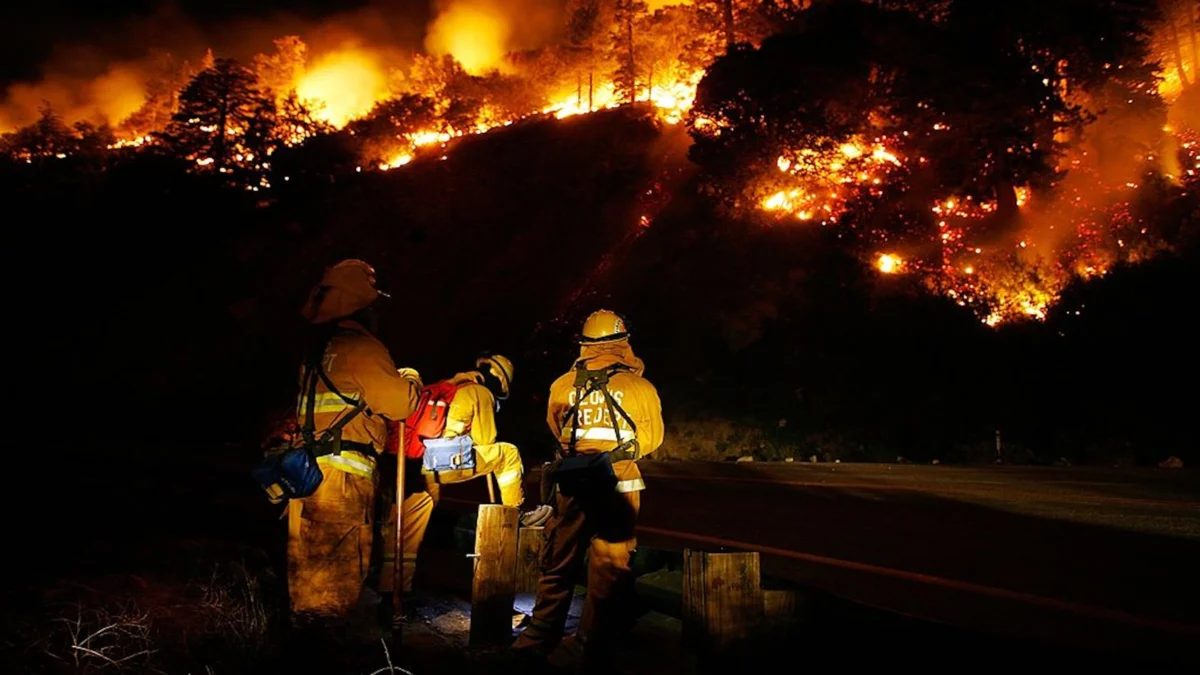
The United States is currently facing a volatile convergence of extreme climatic conditions and unprecedented federal agency restructuring, leading experts to warn that the 2026 wildfire season could be the most destructive in modern history. According to the latest data from the National Interagency Fire Center (NIFC), the first four months of the year have already shattered previous records for both fire frequency and total acreage burned. As of early May 2026, more than 1.8 million acres have been consumed by wildfires across the country, a figure that represents 194 percent of the ten-year average for this period. With 62 percent of the continental U.S. currently mired in drought conditions and snowpacks at historic lows in several key western watersheds, the nation’s wildlands have effectively become a powder keg awaiting the peak summer heat.
The scale of the current activity is underscored by the reporting of 24,066 individual wildfires between January 1 and April 30, marking a 150 percent increase over the decadal average. This surge in early-season activity has prompted a shift in terminology among fire management professionals. Riva Duncan, a former fire chief with 32 years of experience in the U.S. Forest Service (USFS) and the Bureau of Land Management (BLM), noted that the traditional concept of a "fire season" has become obsolete. Duncan, who now serves as the president of Grassroots Wildland Firefighters, stated that the U.S. is now navigating a "fire year," where the window for suppression and recovery has closed, replaced by a continuous cycle of ignition and combustion.
Historical Context and the 2026 Climatic Outlook
The current crisis is the culmination of several years of intensifying environmental stressors. The NIFC’s May 1 seasonal outlook highlights a trend of "flash droughts" and soaring temperatures that have desiccated vegetation much earlier than usual. In the American West, the lack of a substantial winter snowpack has left high-elevation forests vulnerable, while in the Southeast, unseasonably high temperatures have turned typically humid forests into receptive fuel beds.
The 2026 outlook indicates that the transition into summer will be characterized by persistent high-pressure systems, which are expected to trap heat and further deplete soil moisture. This "hot-dry" feedback loop is a primary driver behind the increased difficulty of fire suppression. When fuels are this dry, fires exhibit more extreme behavior, such as long-range spotting—where embers are carried miles ahead of the main fire front—and rapid rate of spread, which often outpaces the ability of ground crews to establish containment lines.
Structural Overhaul at the U.S. Forest Service
While the environmental conditions are severe, many experts argue that the administrative state of the U.S. Forest Service is compounding the risk. Under the current administration, the USFS is undergoing a massive reorganization that has sparked significant debate within the forestry and firefighting communities. The most prominent change is the relocation of the agency’s national headquarters from Washington, D.C., to Salt Lake City, Utah.
Forest Service Chief Tom Schultz defended the move, asserting that it prioritizes "common-sense forest management" by placing decision-makers closer to the 193 million acres of national forests and grasslands they oversee. The administration argues that a decentralized model will make the agency more nimble and responsive to local community needs. However, the restructuring also includes the closure of multiple regional offices and the shuttering of 57 research stations.
The loss of these research stations is particularly concerning to scientists who study fire behavior and forest ecology. These facilities provide the data necessary for predictive modeling, which incident commanders rely on to deploy resources safely and effectively. Critics of the restructuring, including Duncan, argue that the timing of these cuts—often attributed to Department of Government Efficiency (DOGE) initiatives—has eroded the foundational support network that wildland firefighters depend on for their safety.
The Human Element: Retention and Recruitment Crises
The physical and psychological toll on the federal firefighting workforce has reached a breaking point. For decades, the USFS and BLM have struggled with pay scales that lag significantly behind state agencies like CAL FIRE or municipal departments. In 2026, this disparity, combined with the "fire year" reality, has led to a mass exodus of experienced personnel.
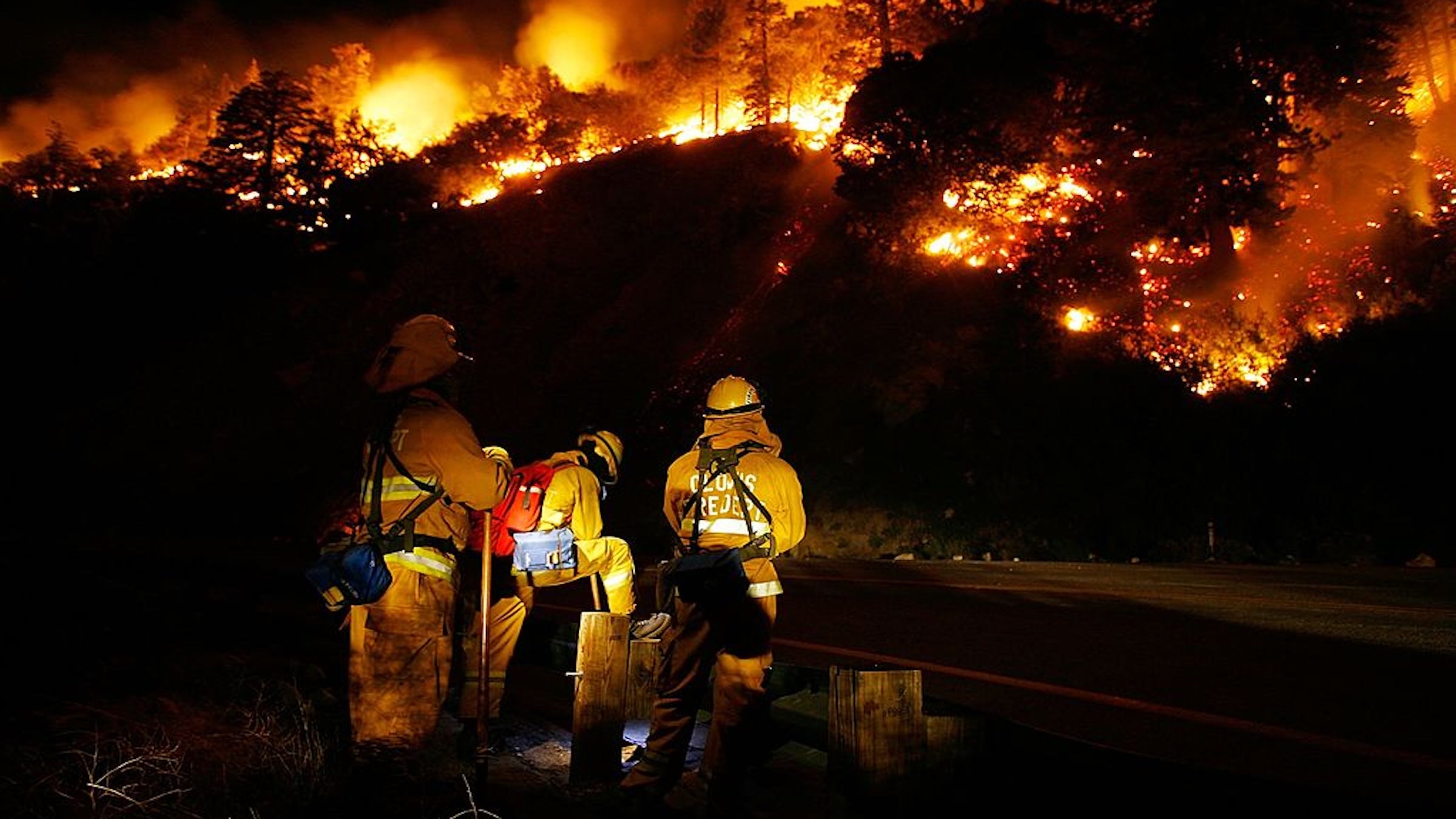
"We’ve had a terrible retention and recruitment problem," Duncan observed, noting that many veteran firefighters are opting for early retirement or transitioning into the private sector. The loss of mid-level supervisors is particularly damaging, as these individuals provide the mentorship and tactical expertise required to manage complex, high-risk incidents. The remaining crews are being asked to do more with less, leading to chronic fatigue before the traditional peak of the season has even arrived.
The restructuring has also led to what some are calling "delayed resignations," where staff who were already considering leaving the agency have been pushed to do so by the mandatory relocation of headquarters and regional offices. This "brain drain" threatens to leave the USFS without the institutional knowledge required to navigate a record-breaking fire year.
Current Regional Impacts: Southeast Under Siege
While the Western U.S. prepares for a difficult summer, the Southeast is already battling significant conflagrations. Georgia and Florida have emerged as the primary hotspots in the early months of 2026. In southern Georgia, the Pineland Road and Highway 82 fires have collectively scorched over 50,000 acres. Although these fires were reported to be over 65 percent contained by May 6, they continue to require significant resources to prevent further expansion.
In Florida, at least six large fires are currently active, having burned a combined 16,000 acres. These fires are particularly challenging due to the state’s dense Wildland-Urban Interface (WUI), where residential developments are interspersed with fire-prone vegetation. The proximity of these fires to populated areas necessitates aggressive suppression tactics, which further strains the available workforce.
Timeline of Recent Developments in U.S. Wildfire Management
- January – March 2026: Record-breaking temperatures recorded across the Southwest and Southeast; NIFC reports a 194% increase in burned acreage compared to the 10-year average.
- April 15, 2026: The Trump administration officially announces the relocation of the USFS headquarters to Salt Lake City and the closure of 57 research stations.
- May 1, 2026: NIFC releases the "Monthly and Seasonal Strategy Outlook," predicting above-normal fire potential for most of the continental United States through August.
- May 4, 2026: Advocacy groups, led by Grassroots Wildland Firefighters, testify before Congress regarding the "unsustainable" workload and morale crisis within the federal fire service.
- May 6, 2026: Large-scale containment efforts continue in Georgia as the Pineland Road fire enters its third week of active burning.
Analysis: The Implications of a "Perfect Storm"
The convergence of record drought, reduced administrative support, and a thinning workforce suggests that 2026 could see a fundamental shift in how the U.S. manages wildland fires. The "over-aggressive fire suppression" tactics of the past century—which sought to extinguish every fire immediately—have resulted in a massive buildup of combustible undergrowth. While experts advocate for more "prescribed burns" and "managed fire" to reduce this fuel load, the current personnel shortage makes such proactive measures nearly impossible to execute safely.
Furthermore, the restructuring of the USFS may lead to a fragmentation of national policy. By moving to state-based offices, there is a risk that forest management will become more susceptible to local political pressures, potentially prioritizing timber production or development over long-term ecological health and fire resilience.
The economic impact is also expected to be substantial. In previous high-activity years, the cost of fire suppression has exceeded $3 billion. Given the current inflation rates and the increased complexity of fires in the WUI, the 2026 season could set a new record for federal emergency expenditures, further complicating the administration’s goal of fiscal consolidation.
Wildfire Preparedness: Essential Safety Protocols
As the risk of wildfire increases for millions of Americans, emergency management agencies and private safety firms are urging the public to take immediate steps toward preparedness. Wildfire Safety Systems, a resource provider for fire-prone communities, recommends the following six essential actions for homeowners:
- Create Defensible Space: Maintain a 30-to-100-foot buffer around your home by removing dead vegetation, thinning trees, and clearing debris from roofs and gutters.
- Harden the Structure: Use fire-resistant building materials, such as metal roofing and ember-resistant vents, to prevent small sparks from igniting the interior of the home.
- Establish an Evacuation Plan: Identify multiple exit routes from your neighborhood and designate a meeting location for family members outside the danger zone.
- Assemble a "Go-Bag": Prepare an emergency kit containing essential documents, medications, five days of food and water, and basic tools.
- Monitor Local Alerts: Sign up for emergency notifications from local authorities and keep a battery-powered radio on hand to receive updates during power outages.
- Review Insurance Coverage: Ensure that your homeowners’ insurance policy is up to date and specifically covers wildfire damage and replacement costs at current market rates.
Conclusion
The 2026 wildfire season is shaping up to be a defining moment for American environmental and administrative policy. The data provided by the NIFC serves as a stark warning: the combination of a changing climate and a destabilized federal agency has created a high-stakes environment where the margin for error is razor-thin. As the summer heat intensifies, the resilience of both the land and the people tasked with defending it will be tested as never before. The decisions made in the coming months—both on the fire line and in the halls of Salt Lake City—will likely dictate the future of the American wilderness for decades to come.




 Chandra Hamzah
 Tatiana Tantri Indah Sari
 Budi Mulyono
 Lukman Taruna Persada Ramadan