
 Anjar Salim
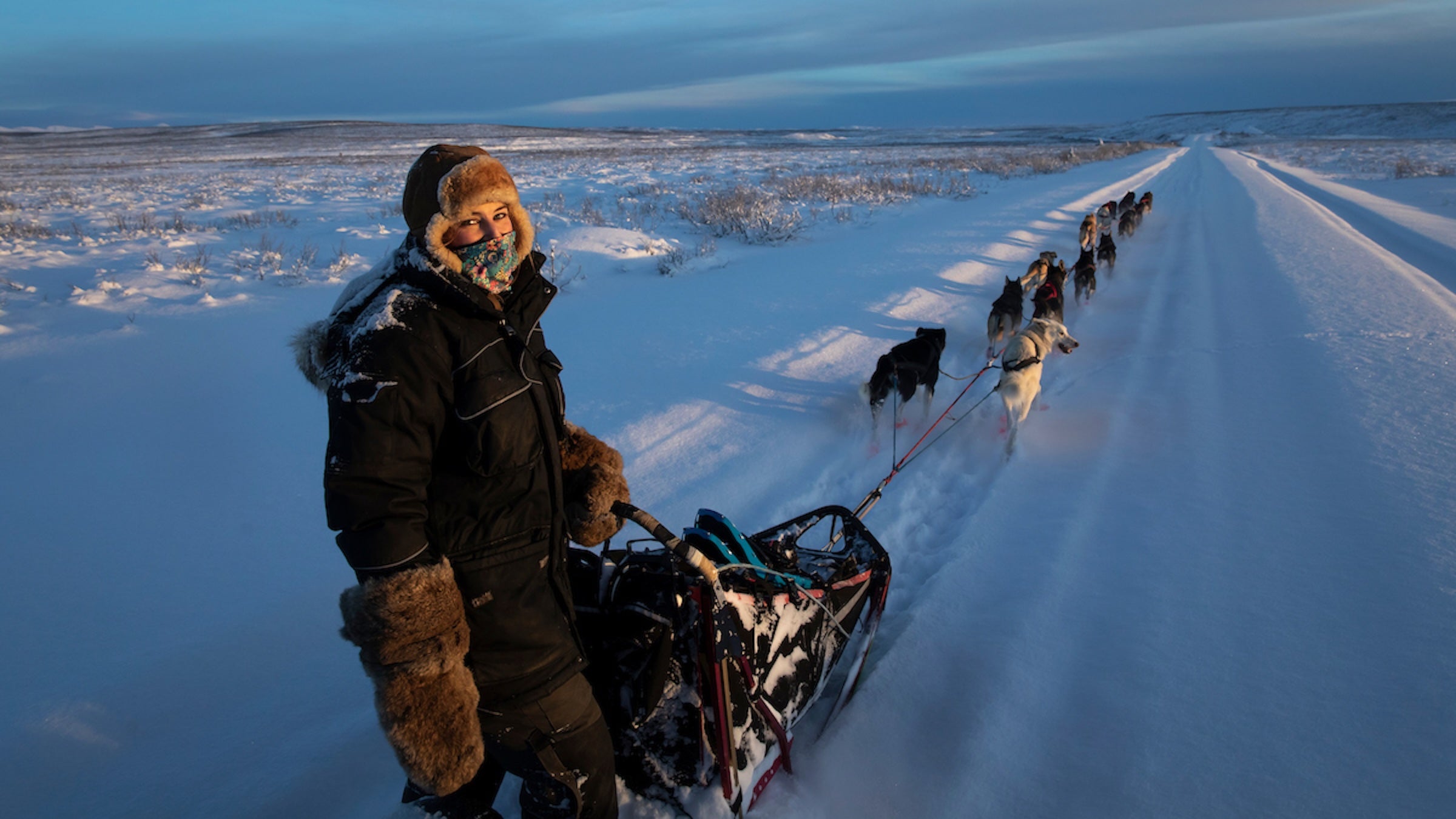
On May 12, 2026, Blair Braverman, the acclaimed long-distance dogsledder, author, and longtime columnist for Outside magazine, officially launched her latest media venture, a podcast titled What to Carry, What to Burn. The program represents a significant expansion of Braverman’s career as a storyteller, shifting from the written word and guest appearances to a dedicated long-form audio format. The podcast aims to dissect the mechanics of human endurance, using historical and contemporary survival tales as a lens through which to examine broader psychological themes of courage, fear, and resilience. Braverman’s approach moves away from the sensationalism often found in the survival genre, focusing instead on the emotional and sensory realities of those pushed to the brink of existence.
The Convergence of Experience and Narrative
The launch of What to Carry, What to Burn marks a culmination of Braverman’s diverse background in extreme environments. Known to the public as a musher who has completed some of the world’s most grueling sled dog races, including the Iditarod, Braverman has built a reputation for articulating the nuances of isolation and physical hardship. Her 2016 memoir, Welcome to the Goddamn Ice Cube, explored her journey into the male-dominated world of Arctic sledding, while her 2022 novel, Small Game, utilized a fictional survival reality show as a backdrop to examine social dynamics under pressure.
Braverman’s transition into podcasting was preceded by her tenure as the "survival correspondent" on the popular program You’re Wrong About, hosted by Sarah Marshall. During her guest appearances, Braverman revisited misunderstood or sensationalized events, such as the 1972 Andes flight disaster (Flight 571) and the life of Chris McCandless. These episodes consistently ranked among the most downloaded in the show’s history, indicating a significant public appetite for survival stories told with empathy and technical expertise. What to Carry, What to Burn is the direct evolution of this work, allowing Braverman to steer the narrative and conduct deeper investigative research into the human spirit’s response to adversity.
Debut Episode Analysis: The Legacy of Ada Blackjack
The inaugural episode of the podcast focuses on the historical account of Ada Blackjack, a 23-year-old Iñupiat woman who was the sole survivor of a disastrous expedition to Wrangel Island in the early 1920s. Braverman’s retelling of the story emphasizes Blackjack’s role not just as a survivor, but as a seamstress and a mother whose primary motivation was to earn enough money to care for her ailing son.
In 1921, Blackjack joined four men on an expedition organized by explorer Vilhjalmur Stefansson to claim the remote island for the British Empire. When the party became stranded due to failed supply shipments, three of the men attempted to cross the frozen sea for help and were never seen again. The fourth man died of scurvy, leaving Blackjack alone on the island for months. Braverman’s analysis of this event focuses on the "what to carry" aspect of survival—the skills Blackjack possessed, such as her ability to trap foxes and sew parkas, which proved more vital than the traditional "explorer" skills of the men she accompanied. This focus on practical, often overlooked labor serves as a cornerstone for the podcast’s broader mission: redefining what it means to be "tough" in a survival context.
A Chronology of Braverman’s Path to Survival Media
The development of What to Carry, What to Burn can be traced through several key milestones in Braverman’s career, reflecting a consistent focus on the intersection of the wilderness and the human psyche:
- 2016: Publication of Welcome to the Goddamn Ice Cube. The memoir established Braverman as a voice capable of blending the harsh realities of Arctic life with vulnerable, personal storytelling.
- 2018: Appearance on Discovery Channel’s Naked and Afraid. Braverman spent 21 days in the South African bush, an experience she later critiqued for its focus on television drama over the actual psychological toll of survival.
- 2019: Completion of the Iditarod Trail Sled Dog Race. Braverman became one of the few women to complete the 1,000-mile race, solidifying her status as an expert in cold-weather endurance.
- 2020–2024: Regular appearances on You’re Wrong About. These appearances allowed Braverman to test the "survival correspondent" format, debunking myths about famous wilderness tragedies.
- 2022: Publication of Small Game. This novel marked her foray into fiction, exploring how survival situations strip away societal pretenses.
- May 12, 2026: Launch of What to Carry, What to Burn. The podcast debuts on major platforms, including Spotify, Apple Podcasts, and YouTube.
The Psychology of Survival and Industry Trends
Braverman’s podcast enters a media landscape where the "survival" and "true story" genres are experiencing unprecedented growth. According to industry data from Edison Research and Triton Digital, society and culture podcasts—specifically those dealing with historical narratives and human interest—have seen a 25% increase in listenership over the last three fiscal years. There is a documented trend of listeners seeking "comfort" in stories of resilience, particularly in the wake of global instability and climate-related anxieties.
Braverman’s approach aligns with contemporary psychological research into "grit" and "post-traumatic growth." By focusing on the sensory details—the smells of the environment, the sounds of the wind, and the physical sensation of hunger—Braverman aims to ground her listeners in the reality of the experience. This method is designed to foster a sense of "vicarious resilience," a term used by psychologists to describe the phenomenon where individuals gain strength and perspective by witnessing the survival of others.
The title of the podcast itself—What to Carry, What to Burn—serves as a dual metaphor. Literally, it refers to the life-or-death decisions made in the wilderness (e.g., what supplies to keep and what to sacrifice for warmth). Metaphorically, it addresses the emotional baggage individuals carry through life’s daily challenges and the necessity of shedding what no longer serves them to move forward.
Supporting Data: The Rise of Narrative Non-Fiction Audio
The launch of this podcast is supported by a robust infrastructure within the digital media space. Outside Inc., the parent company of the magazine where Braverman is a columnist, has increasingly pivoted toward multi-channel storytelling. Internal metrics suggest that long-form audio content retains audiences for 40% longer than traditional long-form digital articles.
Furthermore, the "survival" niche has proven to be highly lucrative for advertisers in the outdoor gear, mental health, and insurance sectors. By positioning the podcast as a bridge between "hardcore" wilderness survival and "soft" psychological wellness, Braverman is tapping into a broad demographic that includes both outdoor enthusiasts and general interest listeners.
Official Responses and Anticipated Impact
While official reviews from major media outlets are pending, early reactions from the podcasting community and Braverman’s existing reader base have been overwhelmingly positive. Sarah Marshall, host of You’re Wrong About, has publicly supported the venture, noting that "Blair has a unique ability to find the humanity in situations where others only see the horror."
Observers in the outdoor industry suggest that Braverman’s podcast may influence how survival is taught and discussed in the future. By emphasizing emotional intelligence and adaptability over mere physical strength, the program challenges the "man vs. nature" archetype that has dominated the genre for decades. This shift is expected to resonate particularly well with younger audiences who prioritize mental health and inclusivity in their media consumption.
Broader Implications and Future Outlook
The launch of What to Carry, What to Burn suggests a maturing of the survival narrative genre. As the world faces increasing environmental and social stressors, the lessons learned from those who have survived the "impossible" become less about entertainment and more about a manual for living. Braverman’s goal is to provide her audience with a toolkit for endurance that is applicable whether they are lost on a glacier or navigating a personal crisis.
Future episodes are expected to cover a wide range of scenarios, from maritime disasters to modern-day urban survival. Braverman has indicated that her research will continue to prioritize marginalized voices and stories that have been lost to history, much like the Ada Blackjack narrative. By doing so, the podcast seeks to build a more comprehensive and diverse library of human resilience.
As of its launch week, What to Carry, What to Burn has already climbed into the top charts for Society & Culture podcasts, signaling that Braverman’s transition from the sled to the microphone is a strategic and successful move in her career as a chronicler of the human condition. The podcast is available for subscription on Spotify, Apple Podcasts, and YouTube, with new episodes scheduled for release on a bi-weekly basis.




 Chandra Hamzah
 Tatiana Tantri Indah Sari
 Budi Mulyono
 Lukman Taruna Persada Ramadan