
 Anjar Salim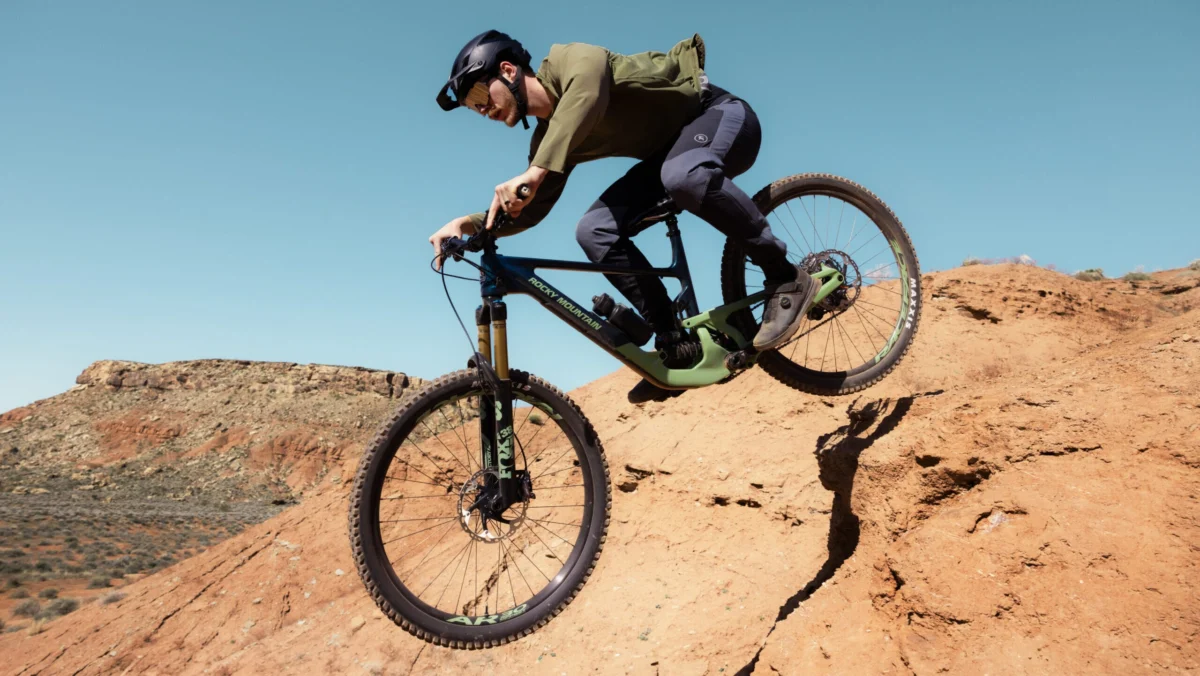
The 2026 cycling season has arrived amidst a period of significant technological maturation within the outdoor industry, as major retailers and manufacturers move to meet the demands of an increasingly sophisticated consumer base. Backcountry, a pillar of the outdoor retail market since its founding in 1996, has released its curated selection of essential gear for mountain biking and gravel riding. This inventory update reflects broader industry trends, including the integration of multi-functional safety systems, the refinement of carbon-fiber components for the gravel segment, and a shift toward apparel that bridges the gap between technical performance and post-ride utility. As enthusiasts prepare for the spring and summer months, the focus has shifted from mere ownership of equipment to the strategic selection of high-performance gear designed to enhance safety, endurance, and efficiency on varied terrain.
The Evolution of Cycling Technology: A Chronological Context
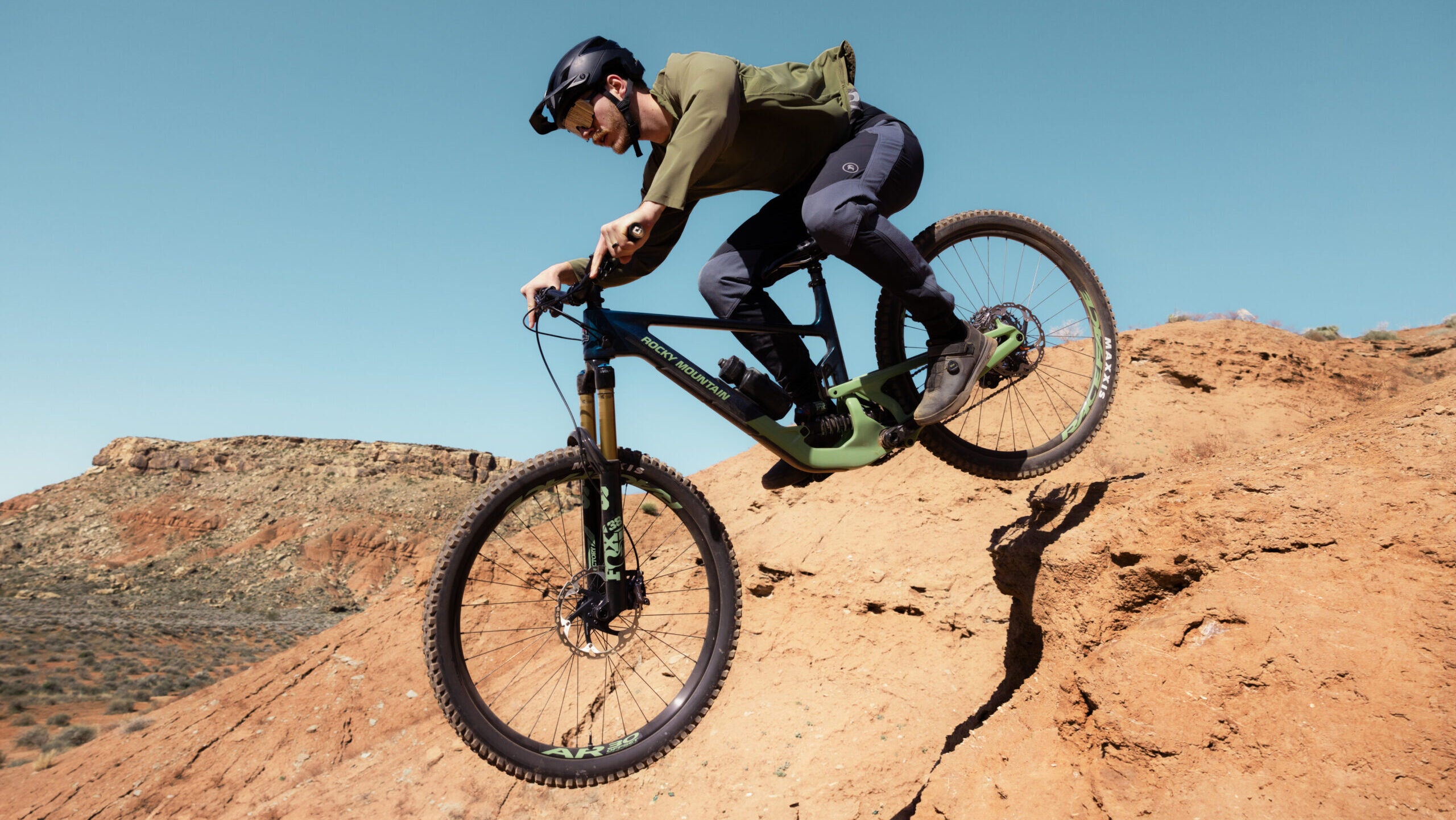
The current landscape of cycling gear is the result of a five-year acceleration in material science and ergonomic research. Between 2021 and 2025, the industry saw a definitive pivot toward "gravel-specific" engineering, recognizing that traditional road or mountain bike components often failed to meet the unique stresses of long-distance unpaved racing. Simultaneously, safety standards underwent a revolution. The widespread adoption of Multi-directional Impact Protection Systems (MIPS) and energy-absorbing materials like Koroyd became the baseline for consumer expectations.
By early 2026, the distinction between different riding disciplines began to blur, leading to the "cross-over" era of equipment. Riders now demand helmets that can transition from downhill intensity to cross-country breathability, and apparel that offers the durability of downhill gear with the aerodynamics of road kits. Backcountry’s 2026 collection is a direct response to this demand for versatility, featuring products that utilize modular designs and advanced textiles.
Advanced Hydration and Storage Solutions
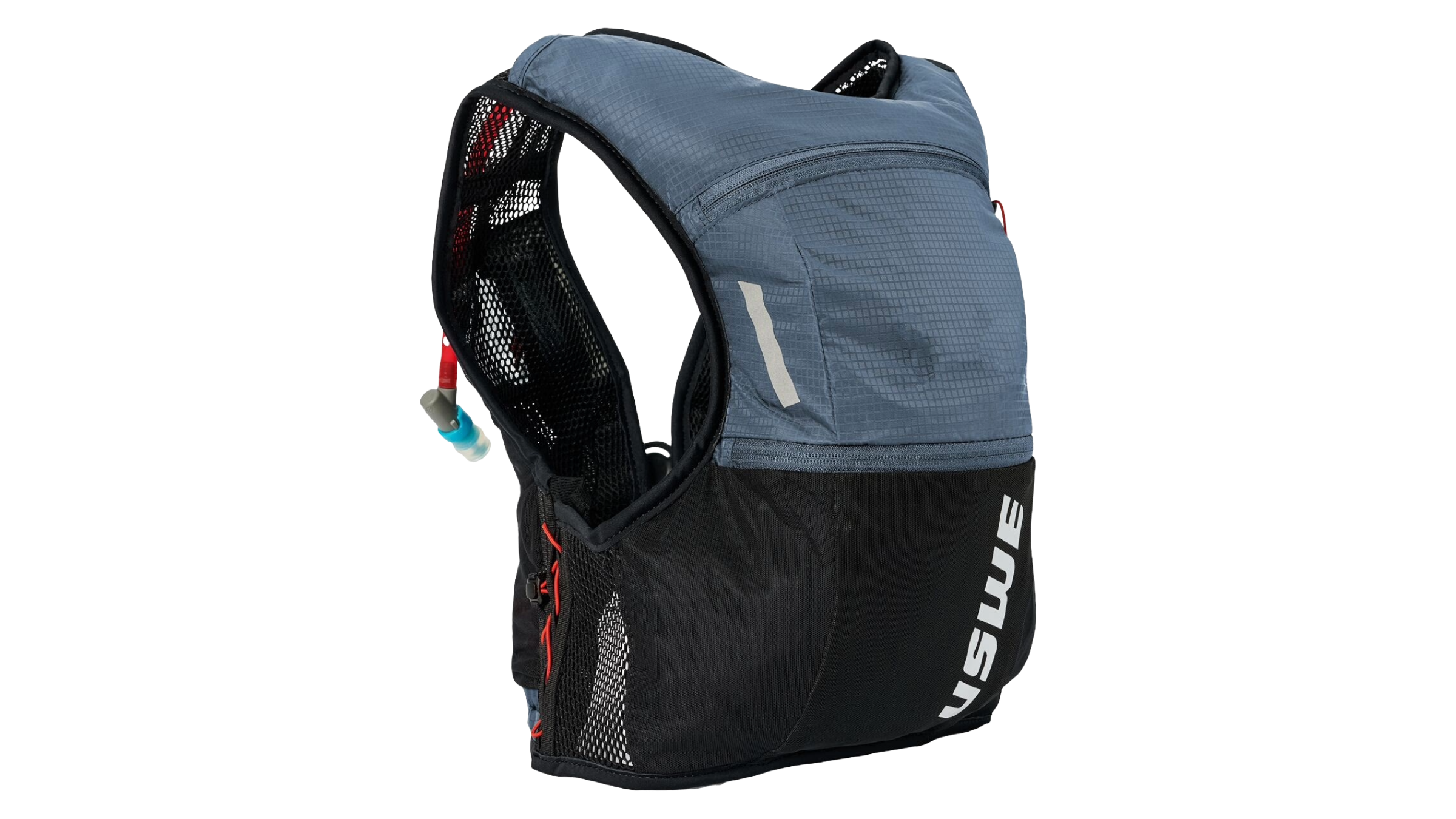
In the realm of personal carry, the 2026 season emphasizes stability and weight distribution. The USWE Rush 8L Hydration Pack represents the pinnacle of this movement, utilizing a "No Dancing Monkey" harness system. Unlike traditional backpacks that suffer from lateral movement during technical descents, this vest-inspired design anchors the weight to the rider’s thoracic spine. The inclusion of a two-liter reservoir and front-facing accessory compartments reflects a data-driven approach to endurance, allowing riders to maintain hydration and nutrition without breaking their aerodynamic tuck or stopping.
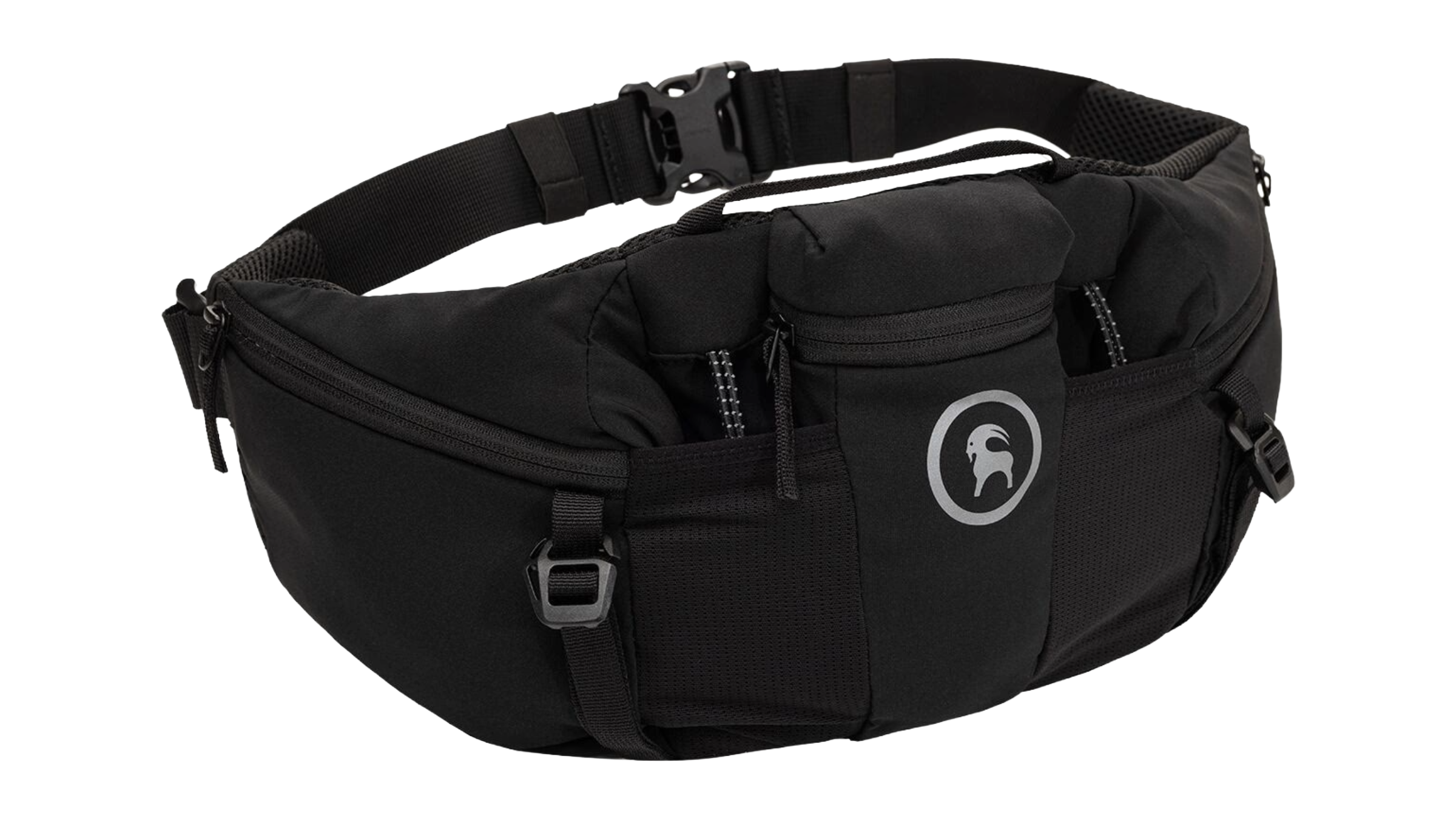
For those prioritizing minimalism, the Backcountry Slickrock 3L Hip Pack addresses the "lower-center-of-gravity" preference prevalent among modern trail riders. Industry data suggests that hip packs have seen a 40% increase in market share over the last three years as riders seek to reduce upper-body fatigue. The Slickrock model utilizes a raised mesh back panel to mitigate the heat-retention issues historically associated with lumbar packs, providing a breathable interface for high-intensity efforts.
Safety and Cranial Protection: A Multi-Tiered Approach
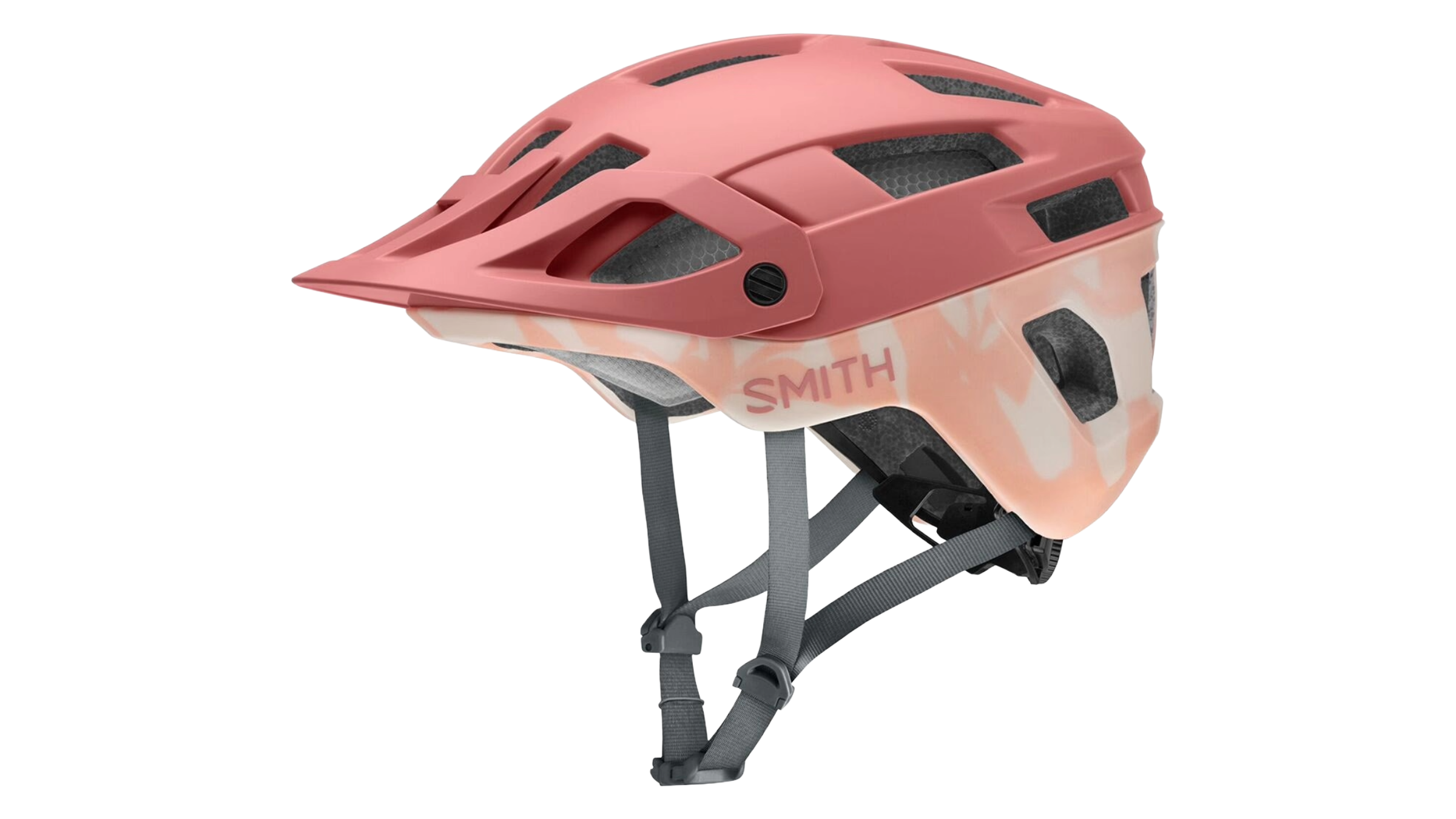
Safety remains the primary driver of innovation in the 2026 gear cycle. The Smith Engage MIPS Helmet serves as the standard-bearer for integrated protection, combining the MIPS rotational force mitigation system with Koroyd’s honeycomb structure. Analysis of impact data shows that these "crumple zone" technologies significantly reduce the G-force transmitted to the brain during oblique impacts. The Engage’s 20-vent architecture and AirVac integration further highlight the industry’s focus on thermoregulation, a critical factor in rider performance during the warmer months of the 2026 season.
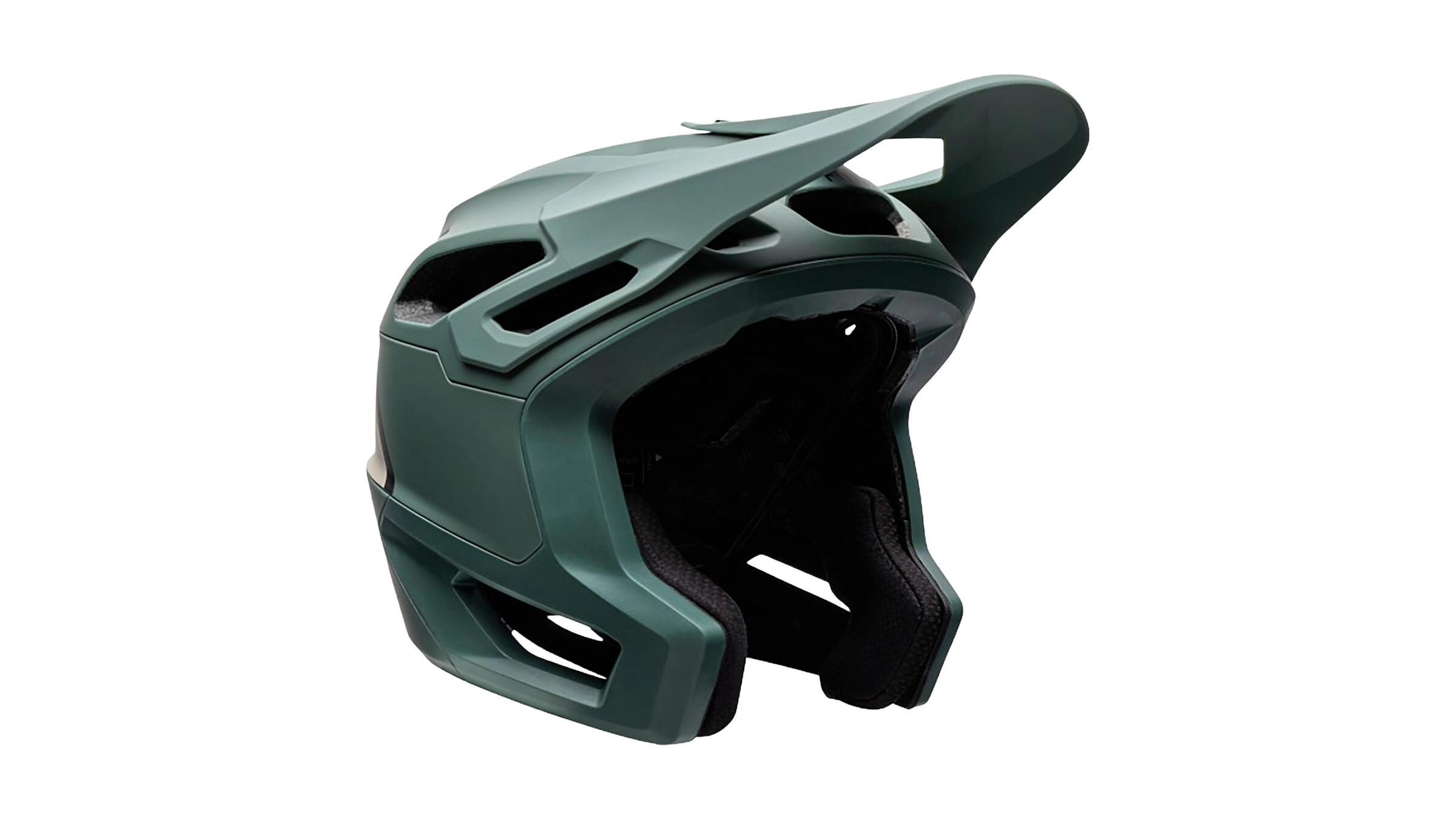
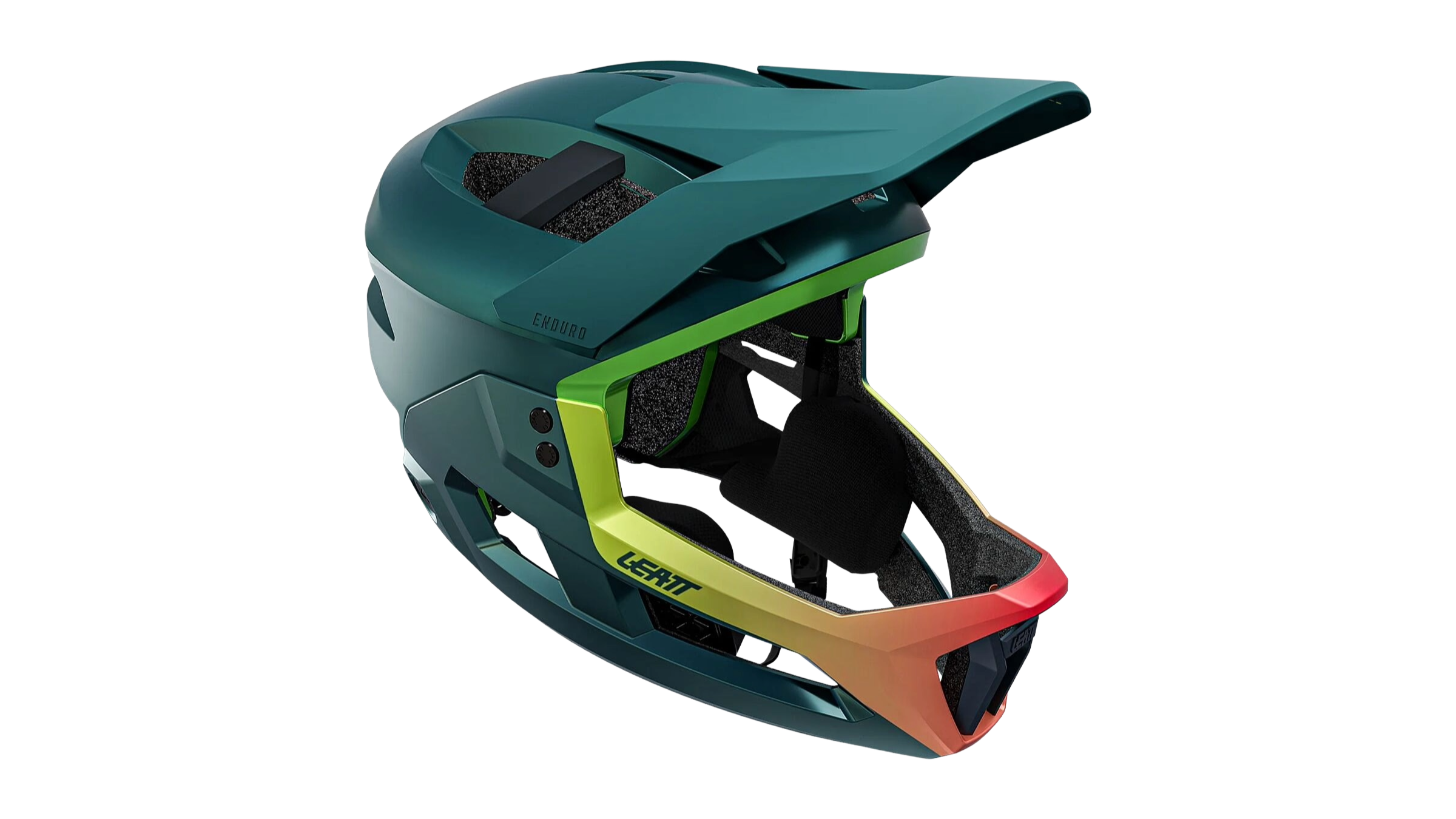
For more aggressive terrain, the Fox Racing Dropframe Pro and the Leatt MTB Enduro 3.0 represent two different philosophies in protection. The Fox Dropframe Pro offers extended coverage—protecting the ears and jawline—without the weight of a full chin bar, a design that has gained popularity in the "Enduro Lite" segment. Conversely, the Leatt MTB Enduro 3.0 offers a modular solution, allowing riders to switch between full-face, hybrid, and half-shell configurations. This adaptability is particularly relevant for the 2026 rider who may tackle a bike park on Saturday and a cross-country loop on Sunday. Leatt’s 360° Turbine Technology, which utilizes non-Newtonian material that hardens on impact, provides an additional layer of safety that exceeds standard certification requirements.
Performance Apparel and Ergonomics
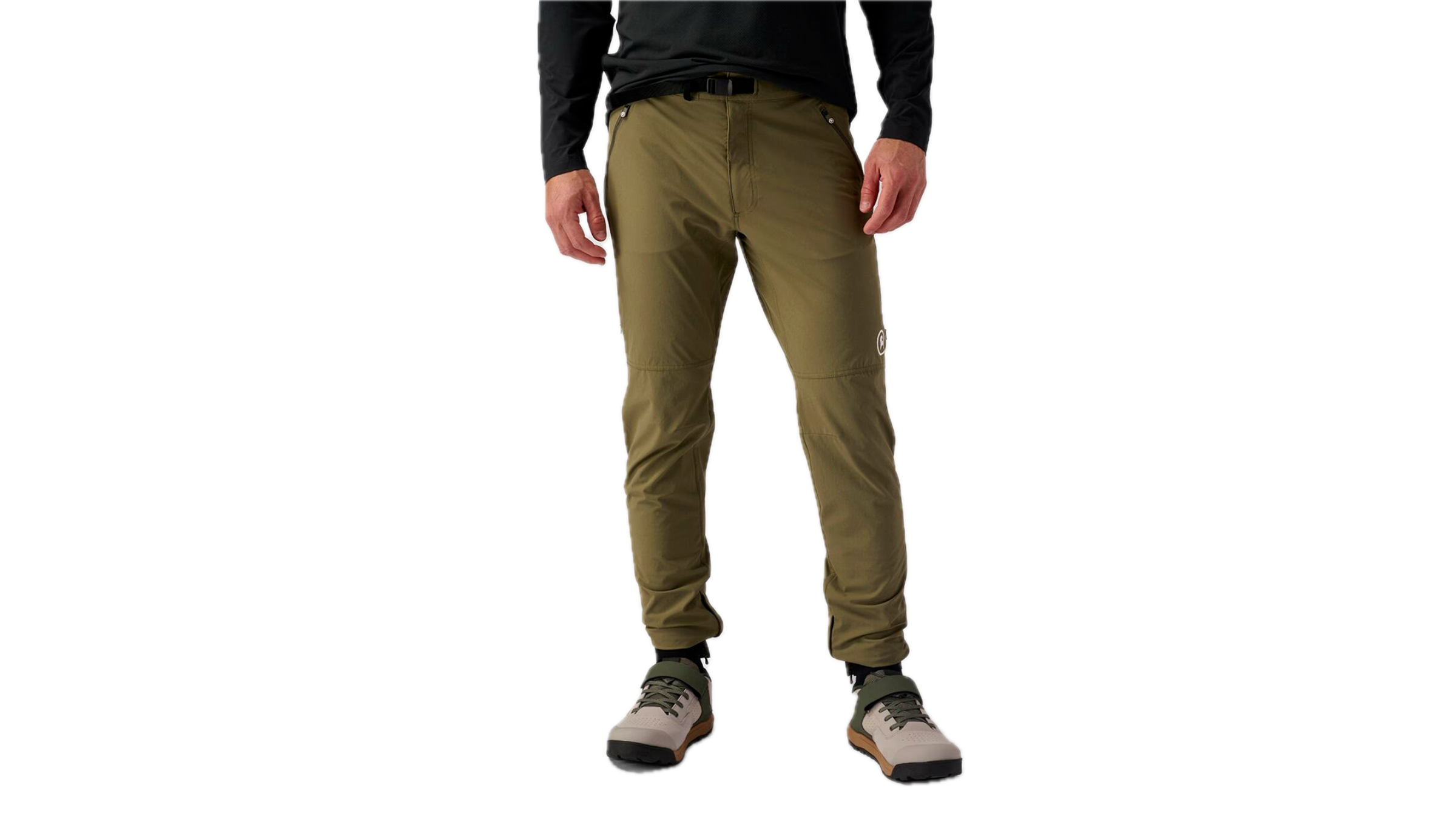
The 2026 apparel market is characterized by the "Slickrock" philosophy: gear that performs on the trail but remains aesthetically appropriate for social environments. The Backcountry Slickrock Pants utilize a four-way stretch fabric that is both abrasion-resistant and highly breathable. According to textile analysts, the move toward tapered, articulated fits is driven by the need to prevent "snagging" on trailside brush while maintaining enough internal volume to accommodate modern, low-profile knee pads.
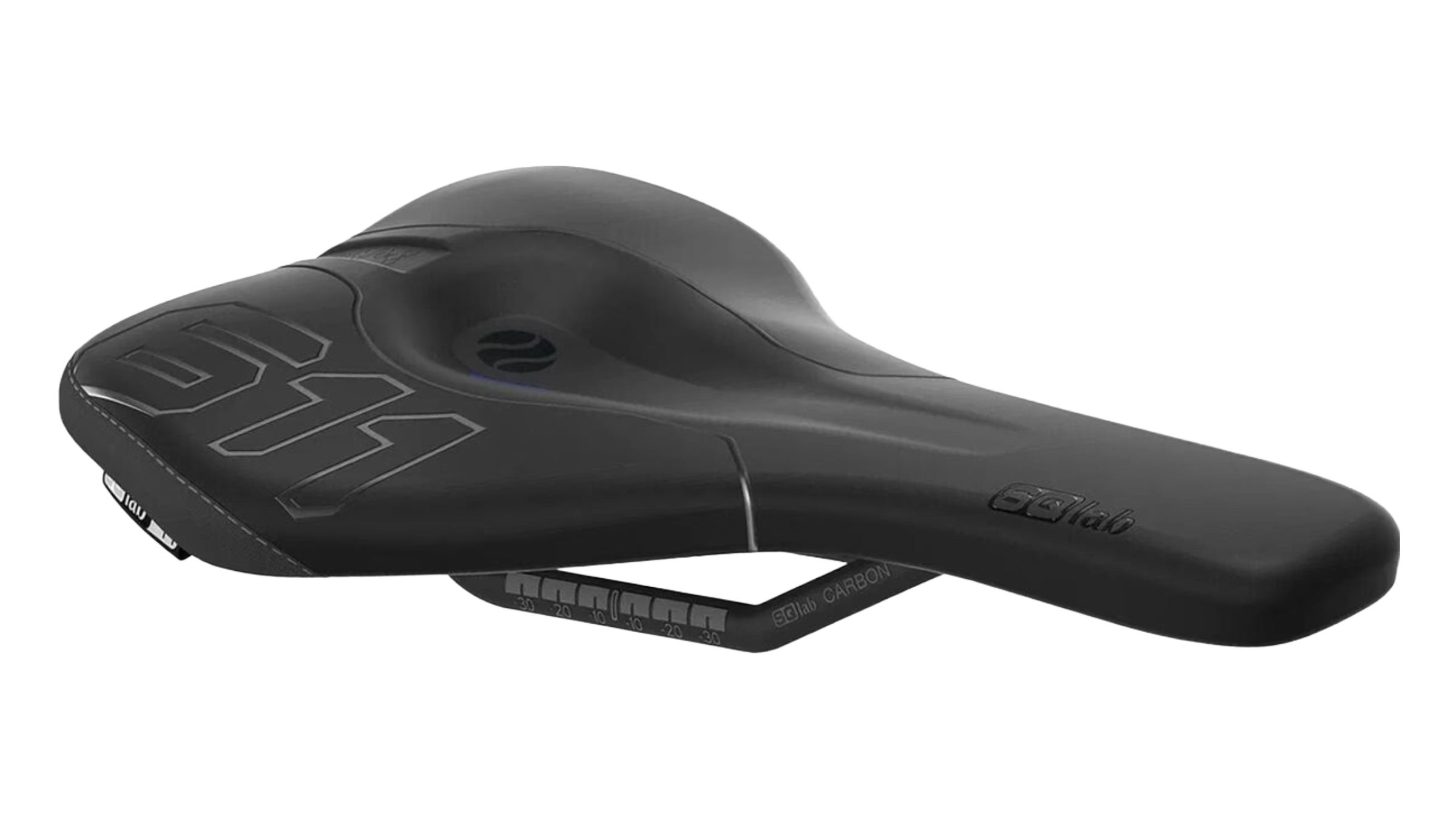
Underpinning the rider’s physical connection to the machine are the SQ Labs 611 Ergowave Carbon Saddle and the Race Face Chester Grip. The 611 Ergowave is a result of extensive medical research into saddle pressure distribution, using a stepped design to shift weight onto the sit bones rather than soft tissue. Its carbon-reinforced shell represents the ongoing effort to shave grams from the bike’s highest point, thereby improving handling. Similarly, the Race Face Chester Grip uses angled moisture-wicking channels to solve the perennial problem of hand slippage during long, sweaty climbs—a small but vital ergonomic refinement.
Gravel-Specific Engineering and Componentry
Gravel riding continues to be the fastest-growing segment of the cycling industry in 2026. The RockShox Rudy XL Ultimate Race Day 2 Fork is indicative of the "suspension-for-all" trend. Offering 50mm to 60mm of travel, this fork is designed to dampen the "chatter" of washboard roads, which reduces rider fatigue over 100-mile distances. The ability to fully lock out the suspension for tarmac sections ensures that efficiency is not sacrificed for comfort.
Complementing this is the Wolf Tooth Components DEL Gravel Clipless Pedal. In an industry often dominated by a few large players, Wolf Tooth has carved out a niche by offering adjustable Q-factors and carbon-fiber bodies. This level of customization allows riders to align their pedal stroke with their specific hip anatomy, reducing the risk of overuse injuries.
Finally, the Shimano XTR M9220 4-Piston Disc Brake and the RX910 S-PHYRE Shoe represent the high-water mark of Japanese engineering in the 2026 market. The XTR brakes provide the "modulation" required for technical descents, where locking a wheel can lead to a loss of control. The S-PHYRE shoes, meanwhile, utilize a dual-Boa closure system and a high-stiffness TPU outsole to ensure that every watt of energy generated by the rider is transferred directly to the drivetrain.
Market Analysis and Corporate Strategy
The release of this curated list coincides with Backcountry’s broader push to dominate the premium outdoor e-commerce space. By leveraging its "Summit Club+" loyalty program, the company is attempting to build a closed ecosystem of consumers. The program, which offers 10% cash back and dedicated "Gearhead" experts, is a strategic response to the increasing "direct-to-consumer" (DTC) models adopted by brands like Specialized and Canyon.
"The 2026 consumer is looking for more than just a product; they are looking for a technical partnership," says an industry analyst familiar with Backcountry’s operations. "By providing expert consultations and integrated loyalty rewards, Backcountry is positioning itself as the indispensable middleman in a fragmenting market."
The company’s portfolio, which includes Competitive Cyclist and BikeTiresDirect, gives it a unique data set regarding consumer habits. This data suggests that while the initial "bike boom" of the early 2020s has leveled off, the "replacement and upgrade" cycle is currently at a peak. Riders who purchased entry-level bikes several years ago are now investing in the high-end components—like the Shimano XTR brakes or the RockShox Rudy fork—featured in this year’s collection.
Implications for the 2026 Season and Beyond
As the 2026 season progresses, the influence of these technological advancements will likely be seen in both professional racing and recreational trail use. The emphasis on "smart" protection and ergonomic efficiency suggests a future where the physical toll of cycling is mitigated by the gear itself. Furthermore, the shift toward versatile, multi-use equipment reflects a more sustainable approach to consumption, where a single high-quality item—like the Leatt modular helmet—replaces the need for multiple specialized products.
For the cycling community, the 2026 gear lineup represents more than just a series of upgrades; it is a testament to the resilience and innovation of the outdoor industry. Whether navigating the technical rock gardens of Moab or the endless gravel ribbons of the Midwest, riders are now equipped with technology that was once the exclusive domain of professional athletes. As Backcountry continues to expand its physical and digital footprint, its role in shaping the equipment standards of the modern rider remains central to the evolution of the sport.



 Chandra Hamzah
 Gabriela Annisa
 Tatiana Tantri Indah Sari
 Hendra Ismail
 Walid Sujud Trenggono
 Budi Mulyono