
 Anjar Salim
In a significant milestone for environmental conservation and cultural preservation, Organ Pipe Cactus National Monument has officially been designated as an International Dark Sky Park. The announcement, made on May 15, 2026, marks the culmination of more than a decade of rigorous scientific monitoring, infrastructure adjustments, and community outreach. This certification, awarded by DarkSky International, arrives during a period of heightened tension in the Arizona borderlands, offering a rare moment of celebration for a region recently marred by the destruction of irreplaceable Indigenous heritage sites.
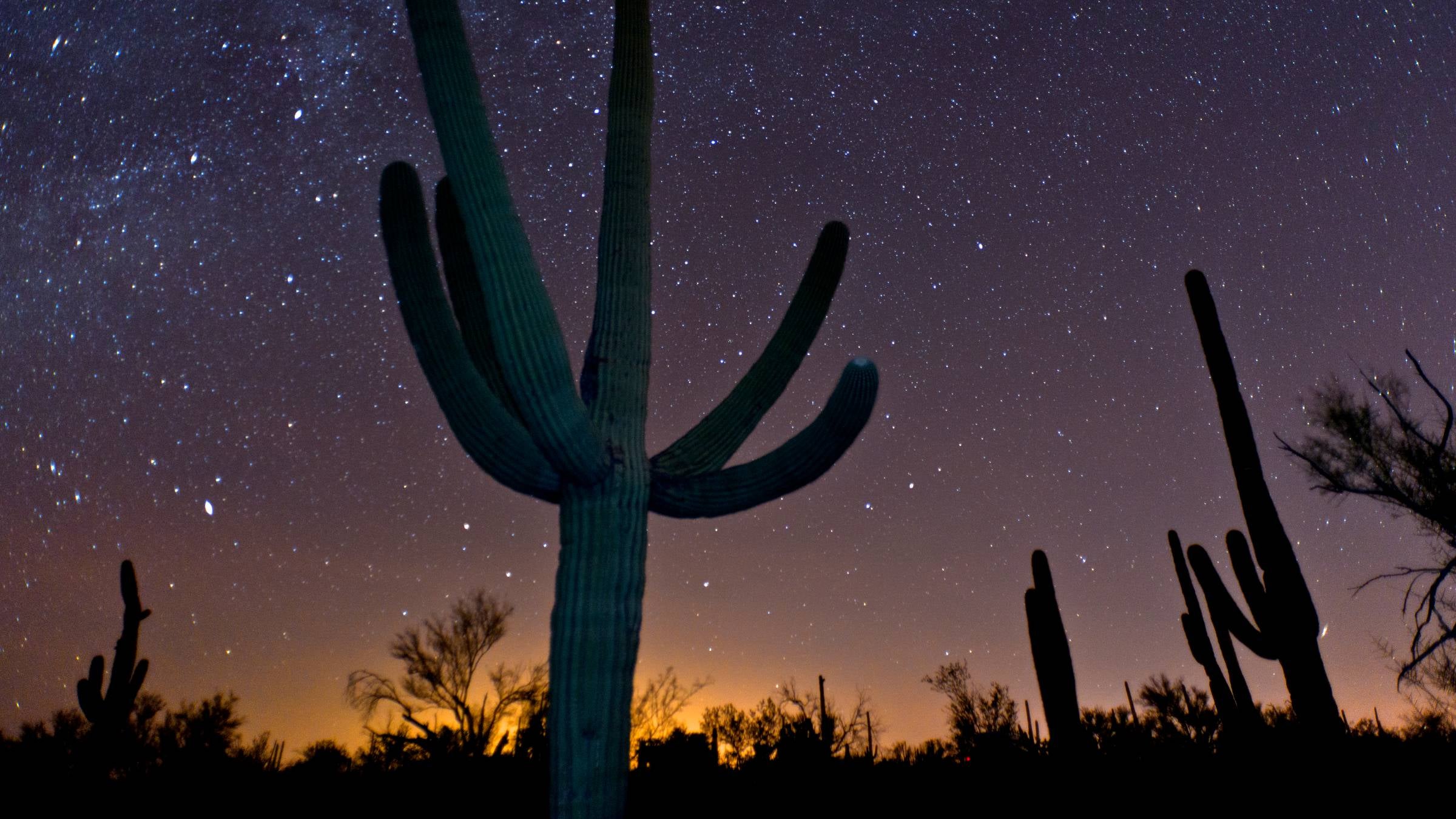
Located in the heart of the Sonoran Desert, approximately two hours west of Tucson and stretching to the United States-Mexico border, Organ Pipe Cactus National Monument is now the 12th location in Arizona to receive this prestigious status. It joins a global network of more than 250 certified dark-sky destinations, reinforcing Arizona’s reputation as a global leader in the protection of the nocturnal environment. The designation recognizes the monument’s commitment to preserving its "primitive" night skies, which remain among the darkest and most pristine in the continental United States.
A Decade of Dedication to the Nocturnal Landscape
The journey toward Dark Sky Park certification was neither swift nor simple. To meet the stringent criteria set by DarkSky International—the leading global authority on light pollution—park officials and volunteers engaged in a ten-year campaign to document and mitigate artificial light. This process required the systematic collection of night-sky brightness data, ensuring that the "sky glow" from nearby urban centers like Ajo, Arizona, and Sonoyta, Mexico, remained within acceptable limits.
Key to the success of the application was a comprehensive overhaul of the monument’s own lighting infrastructure. Staff worked to replace outdated fixtures with dark-sky-compliant lighting around the Kris Eggle Visitor Center, administrative buildings, and the Twin Peaks Campground. These improvements involved installing shielded fixtures that direct light downward and utilizing "warm" amber-toned bulbs that minimize the blue-light spectrum, which is most disruptive to both human circadian rhythms and wildlife behavior.
Ruskin Hartley, the executive director and CEO of DarkSky International, emphasized the rigor of the monument’s efforts. "Organ Pipe Cactus National Monument protects an extraordinary nighttime ecosystem within one of the most biologically diverse regions in North America," Hartley stated. "This certification reflects more than a decade of dedicated work by the monument’s staff, showcasing incredible determination that has also been reflected through years of public outreach and education efforts."
Beyond technical upgrades, the park expanded its educational footprint. Over the past several years, Organ Pipe has hosted more than 100 evening telescope programs and annual "star parties" that draw visitors from across the Southwest. In a forward-looking move, the park announced that it will launch an official astronomer-in-residence program in 2025, further cementing its role as a hub for celestial observation and scientific inquiry.
The Cultural Connection: The O’odham and the Daamkaachim
For the Indigenous peoples who have inhabited the Sonoran Desert for approximately 16,000 years, the night sky is not merely a scenic resource but a fundamental pillar of cultural identity. The Tohono O’odham Nation, whose ancestral lands encompass the monument and extend across the international border, maintains a deep spiritual and practical connection to the heavens, known in their language as daamkaachim.
In O’odham tradition, the stars serve as a celestial calendar, guiding agricultural cycles and ceremonial life. One of the most poignant examples of this connection is the constellation known in Western astronomy as the Big Dipper. To the O’odham, these stars represent the Ku’ibaḍ, or "cactus hook." This tool, fashioned from dried saguaro ribs, is essential for harvesting the fruit of the saguaro and organ pipe cacti. The appearance of certain star patterns signals the ripening of the fruit and the approach of the summer solstice, a period of renewal and the beginning of the O’odham New Year.
"Protecting the monument’s night environment honors a landscape where the stars have guided and inspired early peoples for generations," said Superintendent Raquel Montez. The certification is seen as an act of "ethno-astronomy" preservation, ensuring that the same stars viewed by O’odham ancestors remain visible to future generations. Jacelle Ramon-Sauberan, a tribal education development liaison, noted in recent public discussions that Indigenous people were the "first astronomers," using the movement of the sun and stars to survive and thrive in a landscape defined by extreme temperatures and seasonal shifts.
A Bittersweet Milestone Amid Border Conflicts
The celebration of the Dark Sky Park status is juxtaposed against a backdrop of ongoing environmental and cultural distress. Just weeks prior to the May 15 announcement, federal authorities confirmed significant damage to the Las Playas Intaglio, a 1,000-year-old Indigenous geoglyph located in the neighboring Cabeza Prieta National Wildlife Refuge. The damage occurred during a second phase of border wall expansion, which involves the movement of heavy machinery and the installation of high-intensity surveillance infrastructure.
Archaeologists believe the Las Playas Intaglio, a massive earthwork etched into the desert floor, depicts a fish—a symbol of the region’s ancient hydrological history. Its degradation has reignited fierce criticism from tribal leaders, conservationists, and historians who argue that expedited border projects bypass essential environmental and cultural protections.
The conflict between border security and dark-sky preservation is particularly acute. The installation of high-intensity stadium-style lighting along sections of the border wall poses a direct threat to the "natural darkness" required for Dark Sky certification. While Organ Pipe has managed to maintain its dark-sky integrity thus far, the potential for expanded "security lighting" remains a point of concern for conservationists. The Dark Sky Park designation serves as a formal recognition of the area’s value, providing a baseline of data that advocates hope will influence future federal decisions regarding infrastructure and light pollution in the borderlands.
Ecological Importance of the Dark
The Sonoran Desert is a biodiversity hotspot, and many of its most iconic residents are nocturnal. The organ pipe cactus (Stenocereus thurberi), for which the monument is named, blooms primarily at night. These large, cream-colored flowers rely on nocturnal pollinators, specifically the lesser long-nosed bat and various species of moths, to reproduce.
Artificial light at night (ALAN) can disrupt these delicate ecological relationships. Studies have shown that excessive light can disorient bats, alter the foraging patterns of rodents, and interfere with the migratory paths of birds that navigate using the stars. By committing to dark-sky standards, Organ Pipe Cactus National Monument is protecting more than just a view; it is safeguarding the biological rhythms of a unique desert ecosystem.
The monument’s status as a UNESCO Biosphere Reserve further underscores the importance of this work. The integration of dark-sky conservation into the monument’s management plan ensures that the "nocturnal habitat" is treated with the same level of priority as water resources or soil health.
Economic and Educational Implications
The certification is expected to provide a boost to "astrotourism" in Southern Arizona. As light pollution continues to erase the Milky Way from the view of nearly 80% of North Americans, travelers are increasingly seeking out remote destinations where they can experience true darkness.
Arizona’s 12 Dark Sky Parks, which include Grand Canyon National Park and Petrified Forest National Park, have become major draws for international tourists. For the local communities of Ajo and Why, Arizona, the designation of Organ Pipe Cactus National Monument offers an opportunity to diversify the local economy through eco-tourism.
Looking ahead, the park plans to integrate its dark-sky status into a broader curriculum for visiting students and researchers. The upcoming astronomer-in-residence program will allow scientists and artists to live within the monument, producing work that highlights the intersection of science, art, and the night sky. This initiative aims to foster a deeper public understanding of why darkness is a resource worth defending.
Conclusion: A Fragile Balance
The official certification of Organ Pipe Cactus National Monument as an International Dark Sky Park is a testament to the resilience of conservation efforts in the face of complex geopolitical challenges. It honors the 16,000-year history of human connection to the Sonoran sky and provides a framework for protecting the region’s biodiversity.
However, the designation also serves as a reminder of the fragility of the desert. While the stars above Organ Pipe are now officially recognized for their clarity and beauty, the ground below remains a flashpoint of controversy. The preservation of the daamkaachim (heavens) must now coexist with the ongoing debates over the tash (sun/land) and the infrastructure that increasingly divides it.
For now, the monument remains open to the public 24 hours a day, offering a sanctuary where the "cactus hook" still reaches for the stars, unencumbered by the glow of the modern world. As Superintendent Montez noted, the stars continue to shape our understanding of this place—a place where the ancient and the modern, the celestial and the terrestrial, meet under a blanket of desert velvet.




 Chandra Hamzah
 Tatiana Tantri Indah Sari
 Budi Mulyono

