Anjar Salim
The Republic of Maldives, an archipelago of 26 atolls situated 470 miles off the southern tip of India, is widely regarded as one of the world’s premier scuba diving destinations. Each year, nearly two million tourists are drawn to its crystalline waters, vibrant coral ecosystems, and diverse marine life. However, on May 14, 2026, the nation’s celebrated diving industry was overshadowed by the deadliest underwater accident in its history. A group of five Italian divers—comprising expert recreational divers and marine researchers—descended into the depths of the Vaavu Atoll, only to never return to the surface alive. The incident, which also claimed the life of a high-ranking Maldivian military rescuer, has sent shockwaves through the global diving community and prompted a rigorous investigation into safety protocols, equipment limitations, and the psychological pressures of high-risk exploration.
A Chronology of the Vaavu Atoll Disaster
The tragedy began on the afternoon of Thursday, May 14, 2026. A group of six Italian nationals, characterized by their significant experience in marine science and recreational diving, departed for a dive at the Dhekunu Kandu reef, a site known for its challenging currents and a massive, deep-water cave system. Shortly before the descent, one member of the group made the pivotal decision to call off their participation in the dive. While the specific reasoning for this withdrawal remains part of the ongoing inquiry, this individual would become the sole survivor of the initial party.
The remaining five divers, including a professional dive instructor, entered the water and proceeded toward the reef’s largest barrier. When the group failed to surface at their scheduled time, a local search was immediately initiated. Later that evening, the body of the group’s dive instructor was discovered near the entrance of the Dhekunu Kandu cave. The discovery confirmed the worst fears of local authorities and triggered a massive mobilization of the Maldivian National Defense Force (MNDF).
On May 15, the MNDF launched a full-scale search and rescue operation, deploying their most experienced personnel. On May 16, the tragedy deepened when a senior MNDF diver, tasked with exploring the cave’s interior to locate the missing Italians, suffered a catastrophic physiological failure. After attempting to penetrate the cave system, the rescuer ascended but succumbed shortly thereafter to severe decompression sickness (DCS). His death underscored the extreme peril of the environment and forced a temporary halt to the mission as authorities realized standard equipment was insufficient for the task.
The complexity of the recovery required international intervention. Specialized cave diving teams from Finland, equipped with technical gear and supported by logistics experts from the United Kingdom and Australia, were flown into the Maldives. On May 18, utilizing advanced underwater imaging and specialized gas mixtures, the Finnish team located the four remaining bodies deep within the cave system. The recovery of the remains was completed on May 20, bringing a somber end to the week-long ordeal.
Technical Violations and Environmental Hazards
The Dhekunu Kandu cave is an architectural marvel of the reef, but it is also a site of extreme technical difficulty. Maldivian law strictly mandates that recreational diving be capped at a maximum depth of 30 meters (approximately 98 feet). This regulation is designed to keep divers within a "no-decompression" limit, ensuring they can safely return to the surface without the need for complex staged decompression stops.
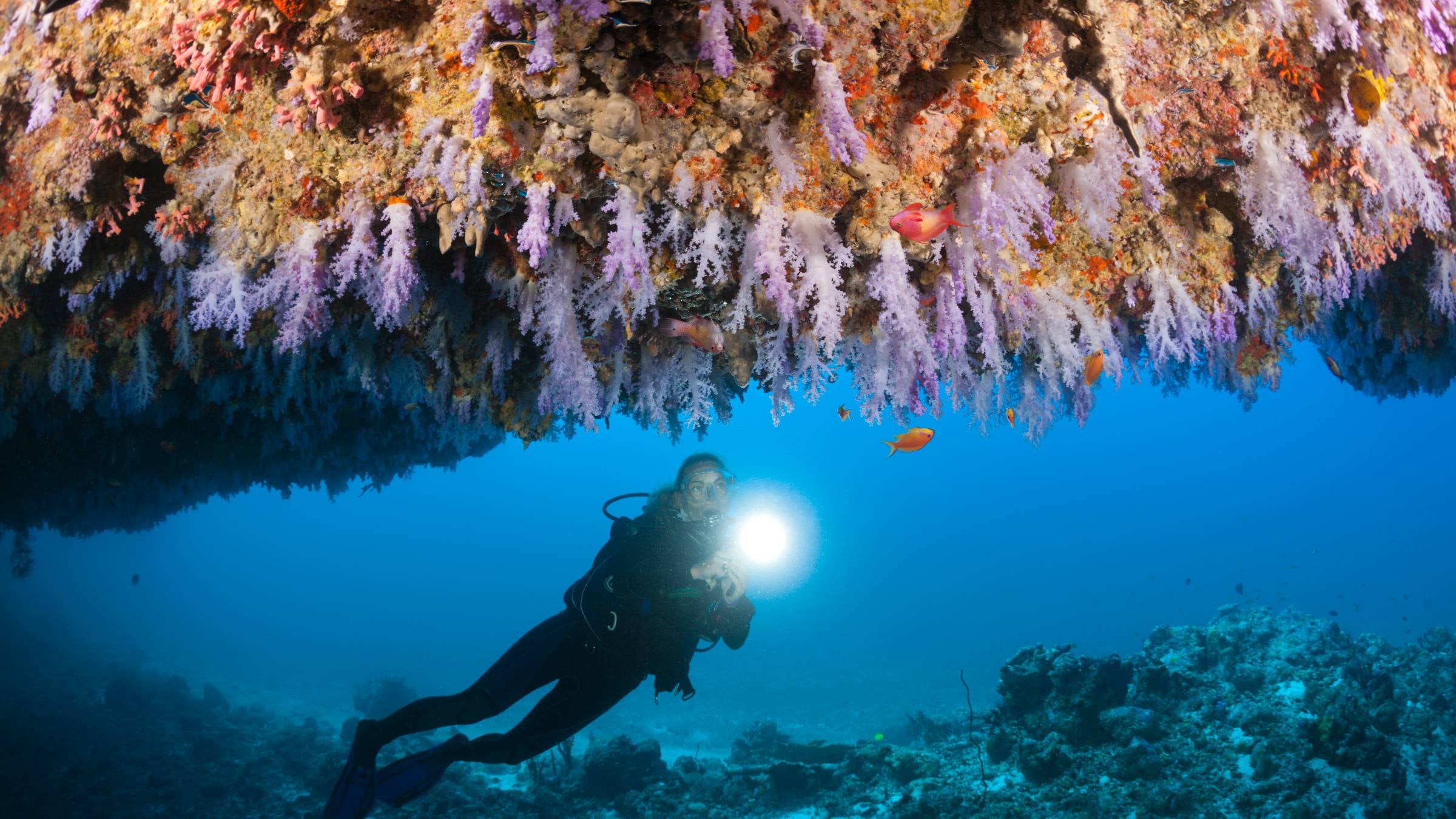
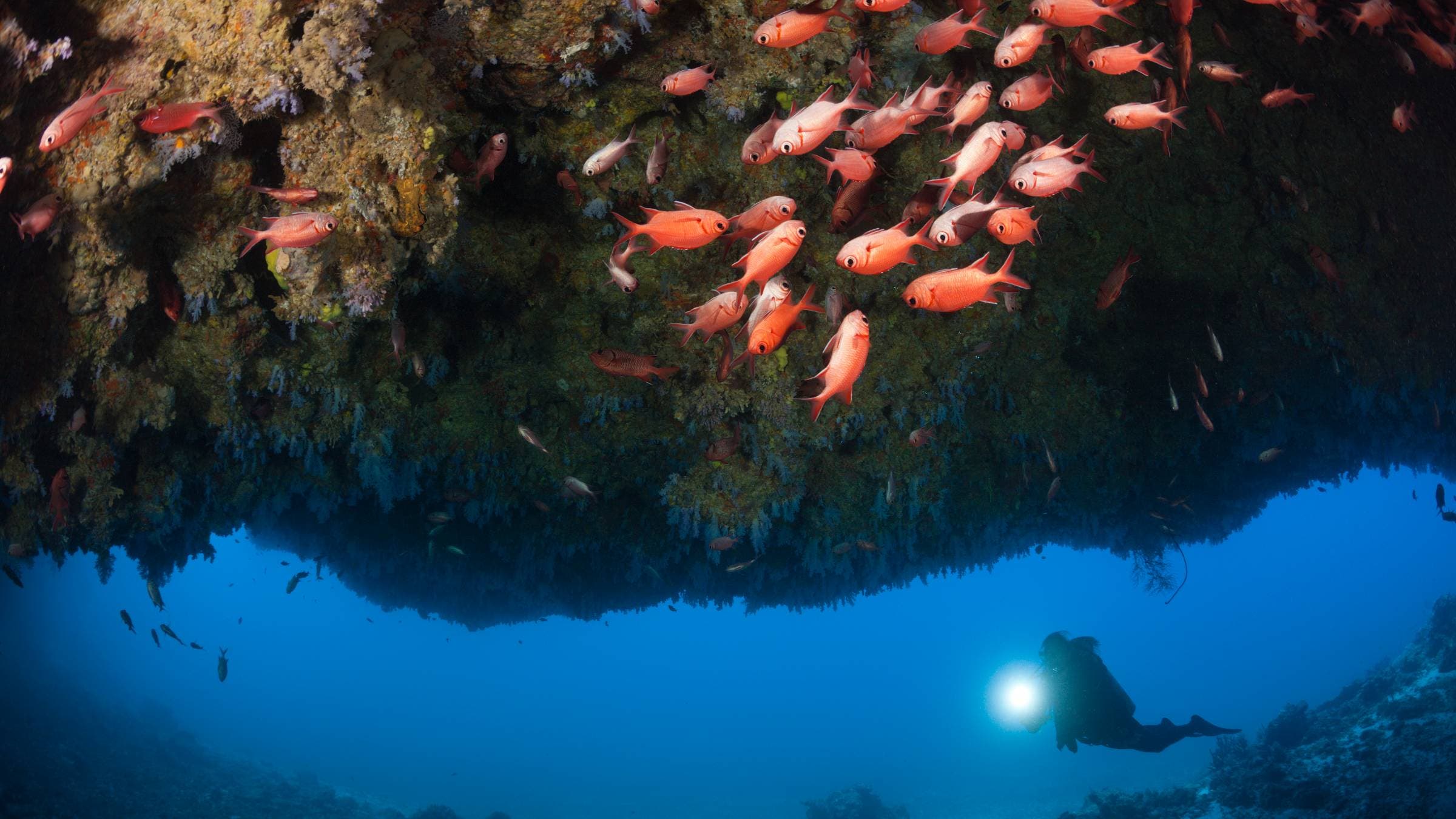
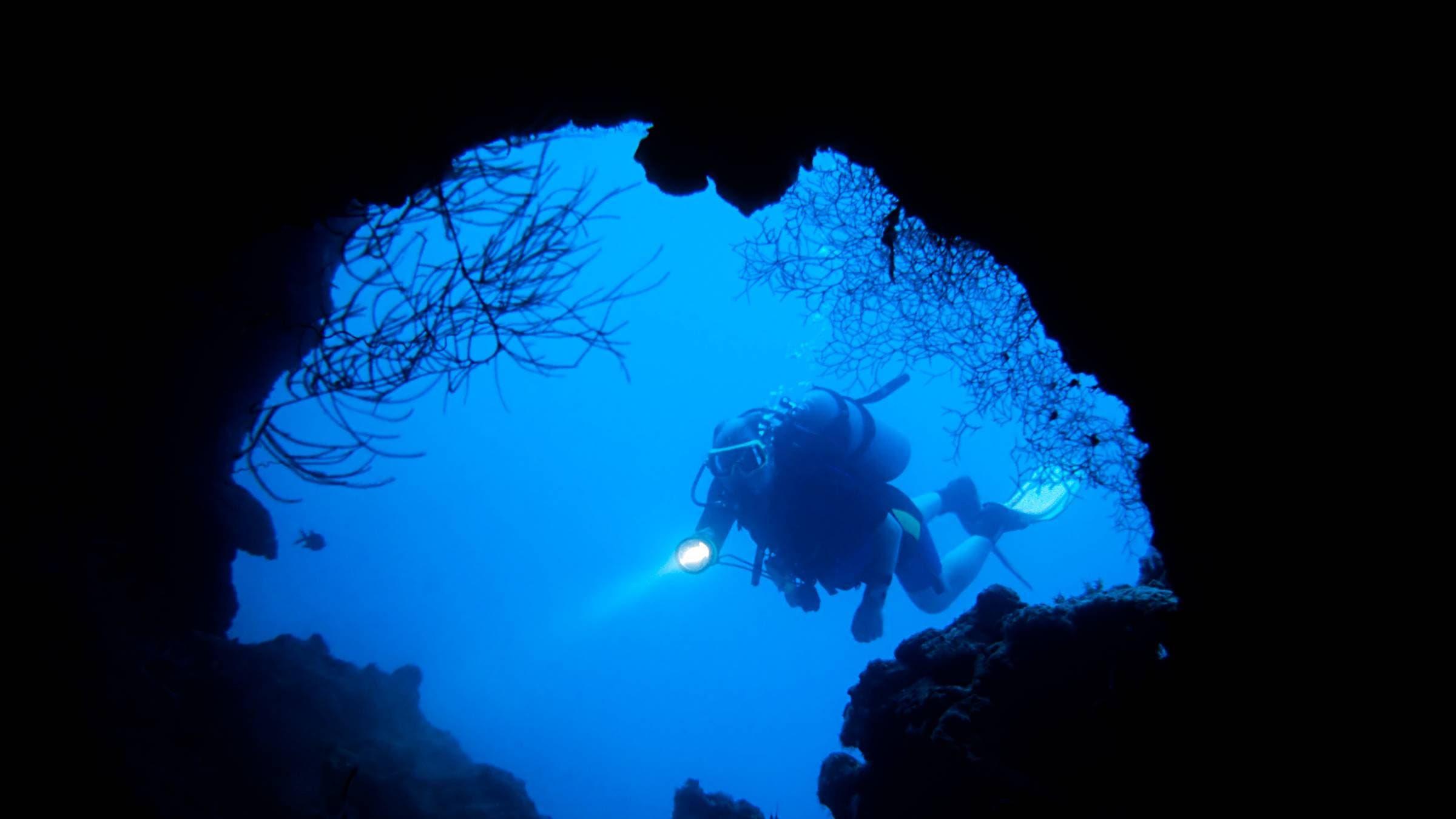
The geography of the Dhekunu Kandu cave, however, exists far beyond these legal and safety boundaries. The entrance to the cave sits at a depth of 50 meters (164 feet), and its deepest recesses drop to 70 meters (230 feet). The cave system extends 200 meters (656 feet) into the reef, consisting of three distinct chambers connected by narrow, silt-prone passages.
Initial investigative reports indicate that the Italian divers were equipped with standard recreational gear: single tanks filled with nitrox—an oxygen-enriched air mixture. While nitrox is beneficial for extending bottom time at shallower depths, it becomes progressively dangerous as depth increases. At the 230-foot depth reached in the cave’s lower chambers, the partial pressure of oxygen in a standard nitrox mix would likely exceed the threshold for oxygen toxicity, which can cause immediate seizures and drowning. Furthermore, the group lacked the redundant gas supplies, "trimix" (helium-based) gas blends, and guideline reels essential for safe cave penetration.
Physiological Factors: Narcosis, Toxicity, and Silt-Outs
The investigation is currently exploring several potential causes for the fatalities, with experts pointing to a "cascade of errors" rather than a single point of failure.
- Nitrogen Narcosis: At depths exceeding 100 feet, the anesthetic effect of nitrogen begins to impair a diver’s judgment, coordination, and cognitive function. At 230 feet, this "rapture of the deep" can be severe, leading to disorientation or a total lack of concern for one’s safety.
- Oxygen Toxicity: As noted, the use of nitrox at extreme depths is a major red flag. High levels of oxygen under pressure are toxic to the central nervous system.
- Silt-Out and Disorientation: Cave diving experts, including world-renowned diver Jill Heinerth, emphasize the danger of "finning" in enclosed spaces. A single misplaced kick can stir up fine sediment, reducing visibility to zero in seconds. Without a physical guideline to lead them back to the entrance, divers can become hopelessly lost in the dark.
- Decompression Sickness: The death of the MNDF rescuer highlights the danger of rapid pressure changes. When a diver spends time at depth, nitrogen dissolves into their tissues. If they ascend too quickly—often due to panic or gas depletion—this nitrogen forms bubbles in the bloodstream, leading to joint pain, paralysis, or death.
Official Responses and Industry Reaction
The Maldivian Ministry of Tourism and the MNDF have issued statements expressing deep regret over the loss of life and have pledged a comprehensive review of diving regulations. While the Maldives has a robust safety record, this incident has raised questions about the enforcement of depth limits and the vetting of recreational groups who may attempt to bypass local laws for the sake of exploration.
Karl Shreeves, a senior executive at PADI (Professional Association of Diving Instructors), noted that the tragedy serves as a grim reminder that diving regulations are not bureaucratic hurdles but are "written in the blood" of those who came before. "There is a massive difference between a 40-foot dive and a 120-foot dive, and an even greater chasm between open water and an overhead cave environment," Shreeves stated. He emphasized that the training required for the Dhekunu Kandu cave takes years of specialized study and hundreds of logged technical dives.
The Divers Alert Network (DAN) Europe is currently assisting Maldivian authorities in the forensic analysis of the divers’ computers. These devices, which log depth, time, and water temperature, will provide a second-by-second account of the divers’ final moments, helping investigators determine if the group suffered from a collective equipment failure or if they simply succumbed to the physiological effects of the environment.
Broader Implications for Global Diving Safety
The Vaavu Atoll incident has reignited a debate within the diving community regarding the "normalization of deviance"—a psychological phenomenon where divers repeatedly push boundaries without immediate negative consequences until a catastrophic failure occurs. The fact that the group consisted of experienced researchers suggests that overconfidence may have played a role in the decision to enter the cave with inadequate equipment.
Industry experts are now calling for stricter oversight at the local level. Potential recommendations include:
- Mandatory Guide Verification: Requiring local dive masters to have the authority to cancel dives if they observe guests attempting to use improper gear for a specific site.
- Enhanced Signage: Placing physical warnings at the entrances of known deep-water caves, similar to those used in Florida’s freshwater springs, which feature an image of the "Grim Reaper" to deter untrained divers.
- Technological Integration: Utilizing GPS-enabled surface markers and more advanced dive computer tracking to alert boat crews the moment a diver exceeds a pre-set depth limit.
Conclusion: The Finality of the Deep
As the Maldives prepares to conclude its inquiry, the tragedy stands as a stark testament to the unforgiving nature of the underwater world. The Dhekunu Kandu cave, while beautiful, is an environment that offers no margin for error. The loss of five visitors and a dedicated local rescuer underscores a fundamental truth of the sport: no sighting of a rare species or geological formation is worth the sacrifice of a life.
For the international diving community, the legacy of the May 14 accident will likely be a renewed focus on the "power to call the dive." The survivor who stayed on the boat on that fateful Thursday serves as a silent witness to the importance of intuition and adherence to personal limits. As search teams return to their bases and the Vaavu Atoll returns to a semblance of normalcy, the lessons learned from this disaster will be taught in classrooms and on dive boats for decades to come, aimed at ensuring that such a catastrophic loss of life never happens again.



 Chandra Hamzah
 Gabriela Annisa
 Tatiana Tantri Indah Sari
 Budi Mulyono