Anjar Salim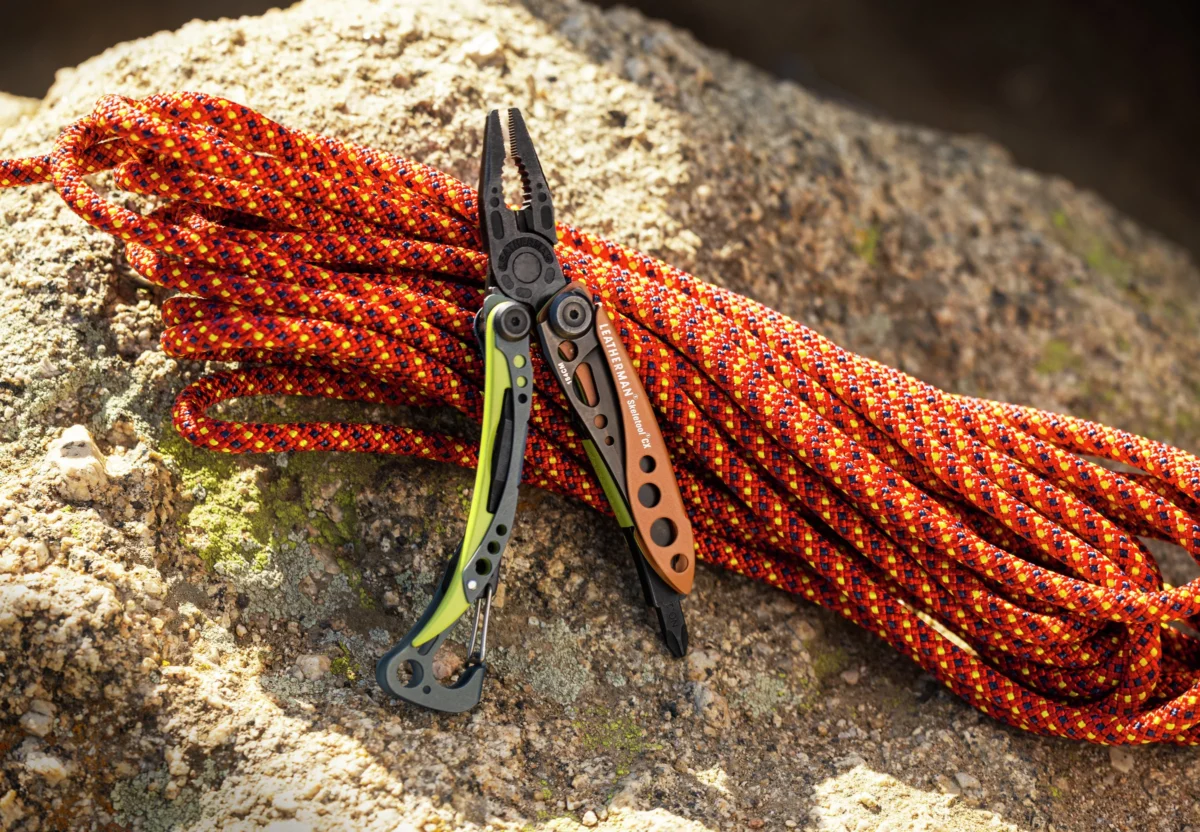
As the global retail sector prepares for the 2026 Father’s Day shopping season, the Oregon-based Leatherman Tool Group has unveiled an expanded lineup of multi-tools designed to cater to increasingly specific consumer niches. Moving beyond the "one-size-fits-all" philosophy that characterized much of the early multi-tool industry, the latest offerings—led by the flagship ARC and the specialized Wave Alpha—reflect a broader trend toward professional-grade materials, such as MagnaCut steel, and high levels of aesthetic customization. This strategic pivot comes at a time when the "Everyday Carry" (EDC) market is experiencing a surge in demand for tools that bridge the gap between heavy-duty trade equipment and lightweight outdoor gear.
Technical Innovation and the Shift Toward Premium Metallurgy
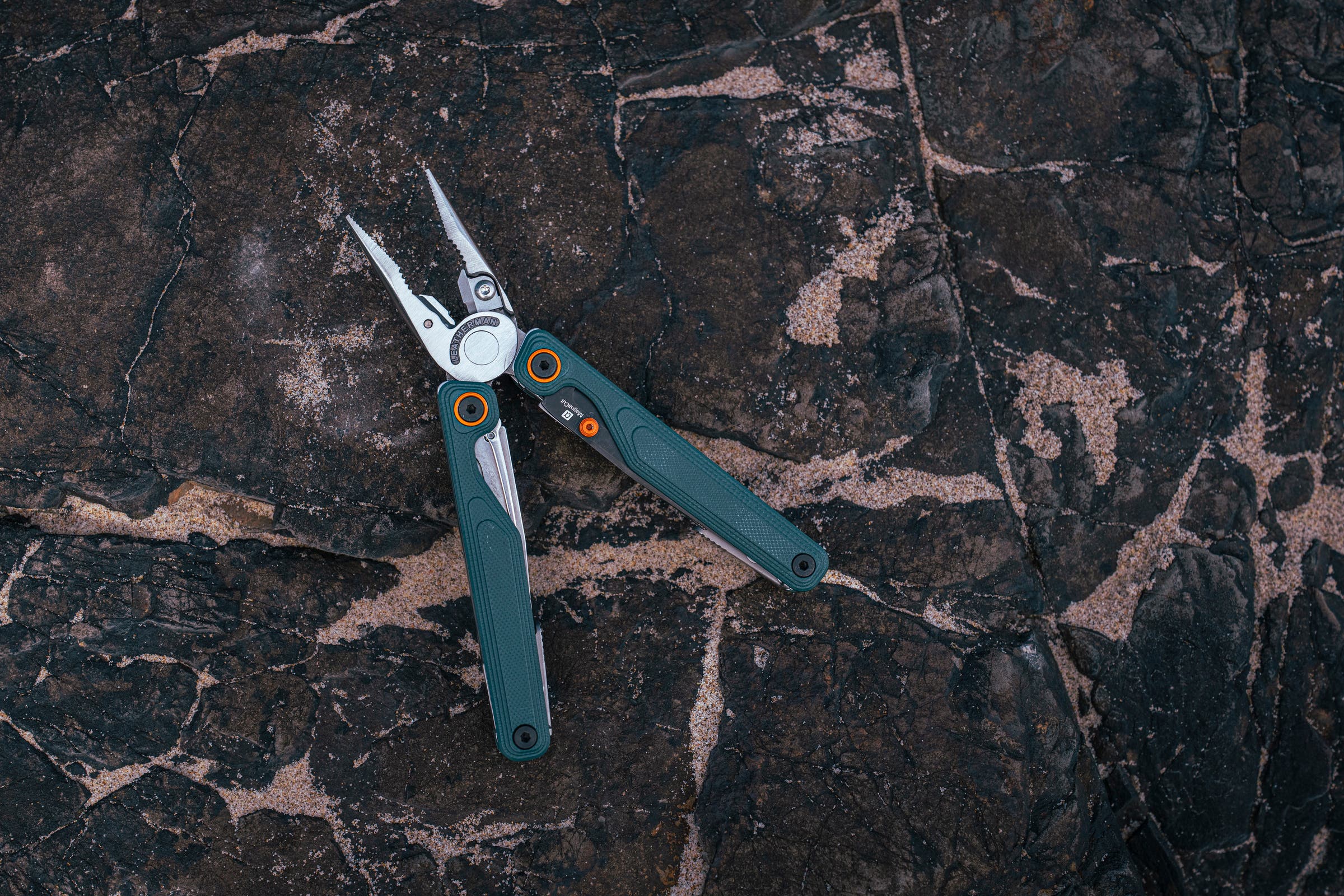
At the center of the 2026 collection is the ARC multi-tool, which represents a significant technological milestone for the Portland manufacturer. The ARC is the first major multi-tool to utilize MagnaCut steel for its primary blade. Developed by metallurgist Larrin Thomas, MagnaCut is a powder metallurgy stainless steel specifically engineered to provide an optimal balance of toughness, edge retention, and corrosion resistance—qualities that were traditionally mutually exclusive in blade manufacturing.

The inclusion of such high-performance steel is a response to a more sophisticated consumer base. Market data from the outdoor and hardware sectors indicates that modern tool users are increasingly willing to pay a premium for longevity and reduced maintenance. By integrating MagnaCut, Leatherman addresses the common consumer pain point of blade dulling and oxidation, particularly for users who operate in humid or coastal environments. Furthermore, the ARC utilizes the company’s "FREE" technology, a magnetic architecture that allows for smooth, one-handed opening of all 20 integrated tools, a feature that has become a benchmark for ergonomic design in the industry.
Specialized Utility: Catering to Niche Outdoor Segments
The 2026 lineup further distinguishes itself by offering tools tailored to specific activities, such as freshwater angling and backcountry survival. The Wave Alpha, an evolution of the brand’s classic Wave platform, has been recalibrated for the fishing market. While it retains the 18-tool versatility of its predecessors, it introduces enlarged spring-action scissors and precision pliers designed for debarbing hooks and managing fishing lines.
However, the company has issued a specific technical note regarding the Wave Alpha’s material composition. While highly resistant to freshwater environments, the stainless steel used in the Alpha series remains susceptible to the corrosive effects of chloride in saltwater. This transparency reflects a shift in journalistic and corporate communication toward providing consumers with realistic expectations of tool performance under specific environmental stressors.

For the wilderness-oriented demographic, the Signal multi-tool continues to serve as a cornerstone of the brand’s survival category. Unlike standard urban EDC tools, the Signal incorporates a ferrocerium rod for fire-starting and an emergency whistle. These features represent a move toward "integrated safety," where the tool serves not just as a mechanical aid but as a critical component of a survival kit. The 2026 iterations of the Signal also feature high-visibility colorways, a practical design choice intended to prevent tool loss in dense brush or low-light conditions.
The Growth of the Personalization Economy
A defining feature of the current Leatherman strategy is the expansion of its "Custom Shop" capabilities. All primary tools in the 2026 collection—the ARC, Wave Alpha, Signal, and Skeletool CX—are now eligible for comprehensive customization. Consumers can add laser-engraved text, complex patterns, and bespoke artwork to both the handles and the blades.
This move aligns with broader retail trends where personalization is used as a tool for brand loyalty and gift differentiation. According to recent consumer behavior reports, personalized gifts see a 20% higher retention rate and a significantly higher perceived value compared to mass-produced alternatives. For Leatherman, this serves a dual purpose: it mitigates the "commodity" status of hardware and transforms a utilitarian object into a legacy item or a commemorative gift.
Historical Context and Corporate Evolution
The current trajectory of the Leatherman Tool Group cannot be understood without acknowledging its origins. Founded in 1983 by Tim Leatherman, the company was born out of a practical need discovered during a budget trip through Europe in the 1970s. Leatherman’s "Pocket Survival Tool" (PST) revolutionized the market by combining pliers with a folding knife and various drivers.
For over four decades, the company has maintained its manufacturing base in Portland, Oregon. In an era where much of the hardware industry has offshored production to reduce costs, Leatherman’s commitment to domestic manufacturing has become a central part of its brand identity. The company’s headquarters and factory occupy the same building, allowing for a tight feedback loop between engineering, manufacturing, and quality control.
Timeline of Key Innovations:
- 1975: Tim Leatherman conceives the idea for a plier-based multi-tool.
- 1983: Leatherman Tool Group is officially incorporated; the PST is launched.
- 1998: Launch of the original Wave, which would become the world’s best-selling multi-tool.
- 2007: Introduction of the Skeletool, focusing on minimalism and weight reduction.
- 2019: Launch of the FREE series, introducing magnetic architecture.
- 2023–2026: Integration of premium MagnaCut steel and expansion of the "Custom Shop" for all flagship models.
Minimalist Trends and the "Less is More" Philosophy
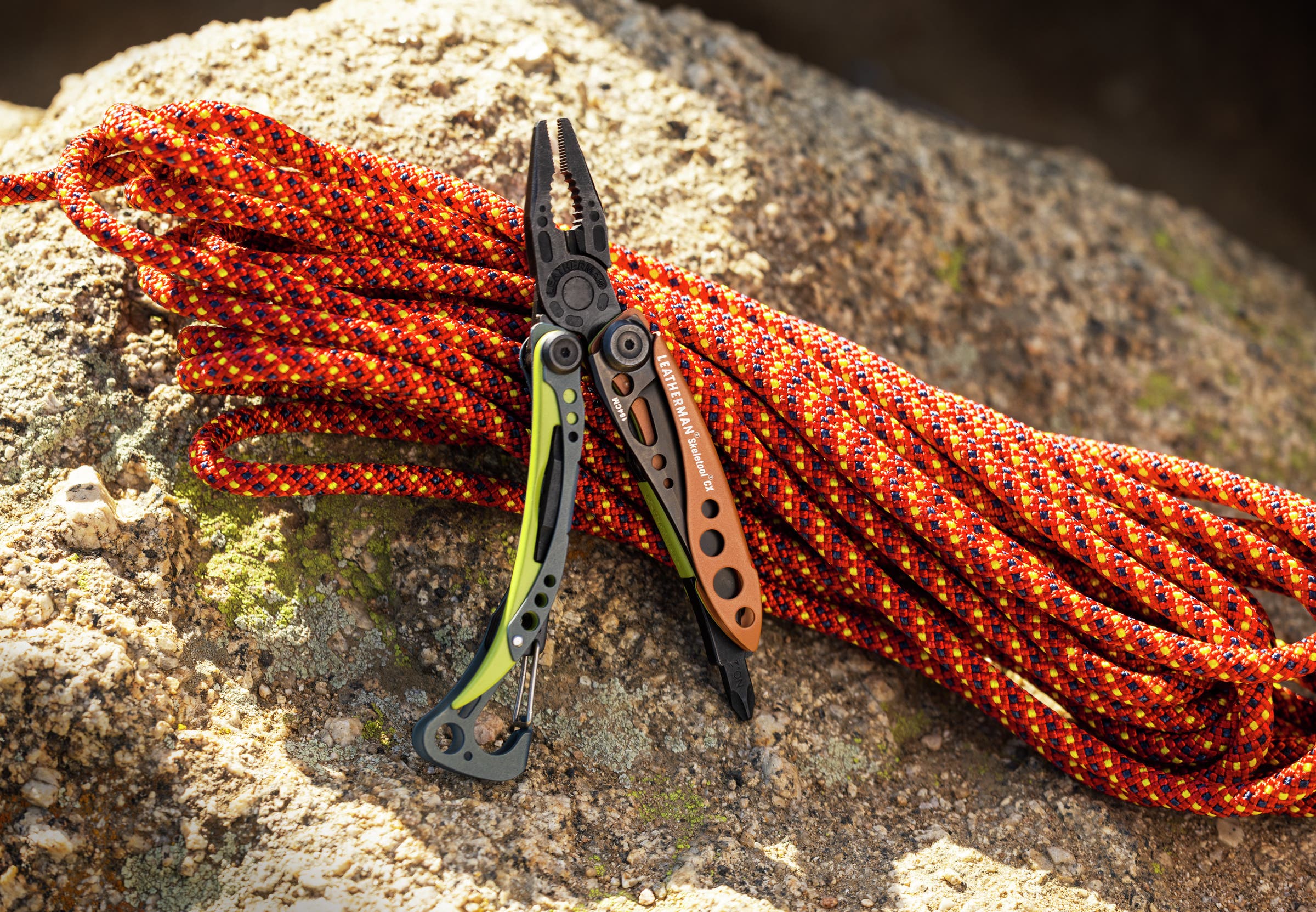
While the flagship ARC focuses on maximal utility with 20 tools, the Skeletool CX addresses the growing "minimalist EDC" movement. Weighing only five ounces, the Skeletool CX strips the multi-tool down to seven essential functions: pliers, wire cutters, a premium blade, a carabiner/bottle opener, and a bit driver.

This product reflects a shift in user psychology. As more professionals move toward "modular" carry systems, there is a decreasing desire to carry heavy, bulky tools for everyday tasks. The Skeletool CX’s inclusion of a replaceable pocket clip and a streamlined profile makes it a preferred choice for urban commuters and light-duty technicians who prioritize speed of access over a high tool count.
Accessory Ecosystems: The Bit Kit and Tool Pouch
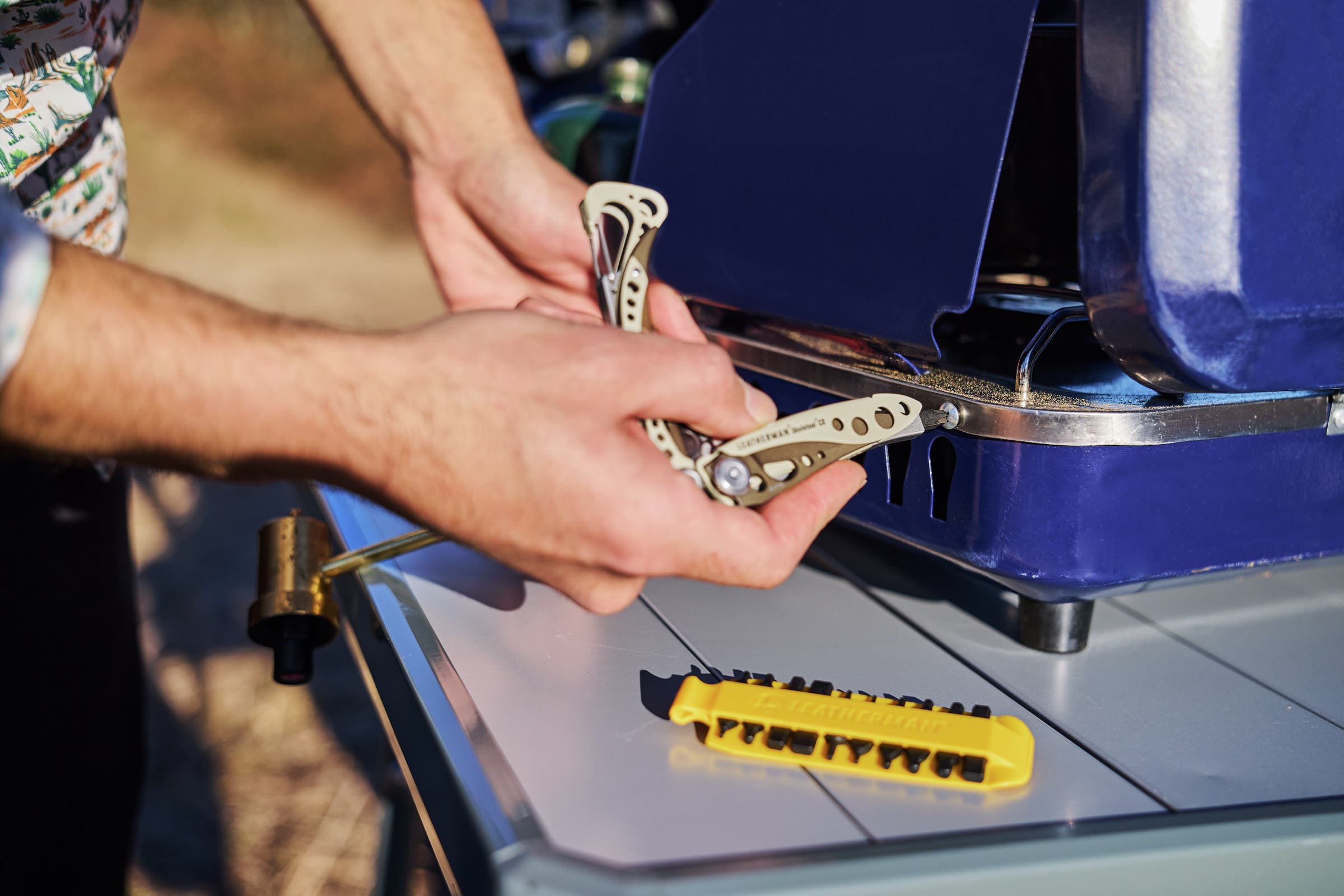
The 2026 strategy also emphasizes the "ecosystem" approach to tool ownership. The Bit Kit Set, featuring 21 double-ended bits, effectively triples the functionality of tools like the ARC and Wave Alpha without requiring the user to carry a larger primary chassis. This modularity is a key selling point for "Handyman Dads" who require specific drivers for electronics or specialized machinery.
Complementing the hardware is the 2026 Tool Pouch, constructed from recycled ripstop fabric. The move toward recycled materials reflects a broader corporate responsibility trend within the outdoor industry. The pouch is designed not just for storage but as an organizational hub, capable of housing the tool, the bit kits, and additional small gear. This focus on organization addresses a common consumer complaint regarding the loss of small accessories and bits.
Economic and Industry Implications
The release of these tools ahead of Father’s Day 2026 is expected to have a measurable impact on the specialty hardware market. Analysts suggest that the multi-tool category is currently outperforming traditional single-blade folding knives, largely due to the perceived "value-per-ounce" of multi-functional devices.
The "Right to Repair" movement has also bolstered interest in high-quality multi-tools. As consumers seek to repair household items, electronics, and bicycles themselves rather than replacing them, the demand for portable, reliable tools has seen a steady incline. Leatherman’s 25-year warranty remains a significant factor in this consumer confidence, positioning the tools as long-term investments rather than disposable goods.
Furthermore, the brand’s presence in over 86 countries highlights the global nature of the "DIY" and outdoor markets. Despite regional differences in tool usage, the core demand for "ingenious design and the ability to save the day"—the principles cited by the company’s founders—remains a universal driver for the brand’s expansion.
Conclusion: The Future of the Multi-Tool
As the Leatherman Tool Group moves through 2026, the focus remains on the intersection of high-end metallurgy and user-centric design. By segmenting their product line into specific "persona-based" categories—the "Off-the-Grid Dad," the "Fisherman," and the "Minimalist"—the company is effectively navigating a crowded market.
The move toward MagnaCut steel and full customization suggests that the future of the multi-tool lies in high-performance specialization rather than general utility alone. For the consumer, this means tools that are not only more durable and easier to use but also deeply personal. As Father’s Day approaches, these developments underscore a significant evolution in how tools are designed, marketed, and valued in the modern era.




 Chandra Hamzah
 Gabriela Annisa
 Tatiana Tantri Indah Sari
 Budi Mulyono