
 Anjar Salim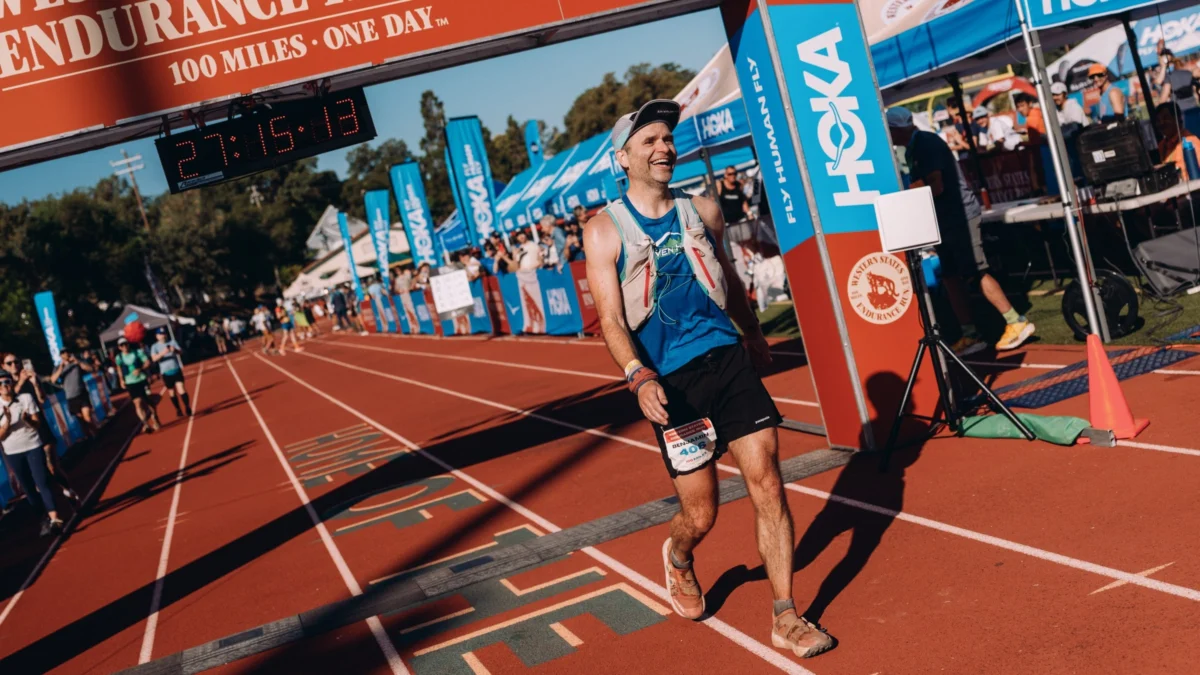
The intersection of creative discipline and physical endurance has rarely found a more prominent avatar than Ben Gibbard, the frontman of the seminal indie-rock band Death Cab for Cutie. As the band prepares for the June 5, 2026, release of their 11th studio album, I Built You a Tower, Gibbard is simultaneously navigating a parallel career as a seasoned ultrarunner. At 49 years old, the musician is redefining the traditional trajectory of the aging rock star, trading the stereotypical excesses of the industry for the grueling requirements of 100-mile mountain races. This duality comes to a head this week as the band kicks off its 2026 tour at the Outside Days festival on May 29, just days after Gibbard’s latest competitive endurance efforts.
The Dual Evolution of a Creative Icon
Gibbard’s journey into the world of high-altitude athletics began relatively late, at the age of 36. By that point, he had already secured his legacy in American music. Death Cab for Cutie, formed in Bellingham, Washington, in 1997, had evolved from a cult favorite into a Grammy-nominated powerhouse. With platinum-selling records like Plans (2005) and Narrow Stairs (2008), Gibbard was established as a premier songwriter of his generation. However, it was in 2012, while lacing up a pair of Brooks Adrenalines for the Golden Gate Trail Run 30K in Sausalito, California, that Gibbard discovered a new outlet for his obsessive work ethic.
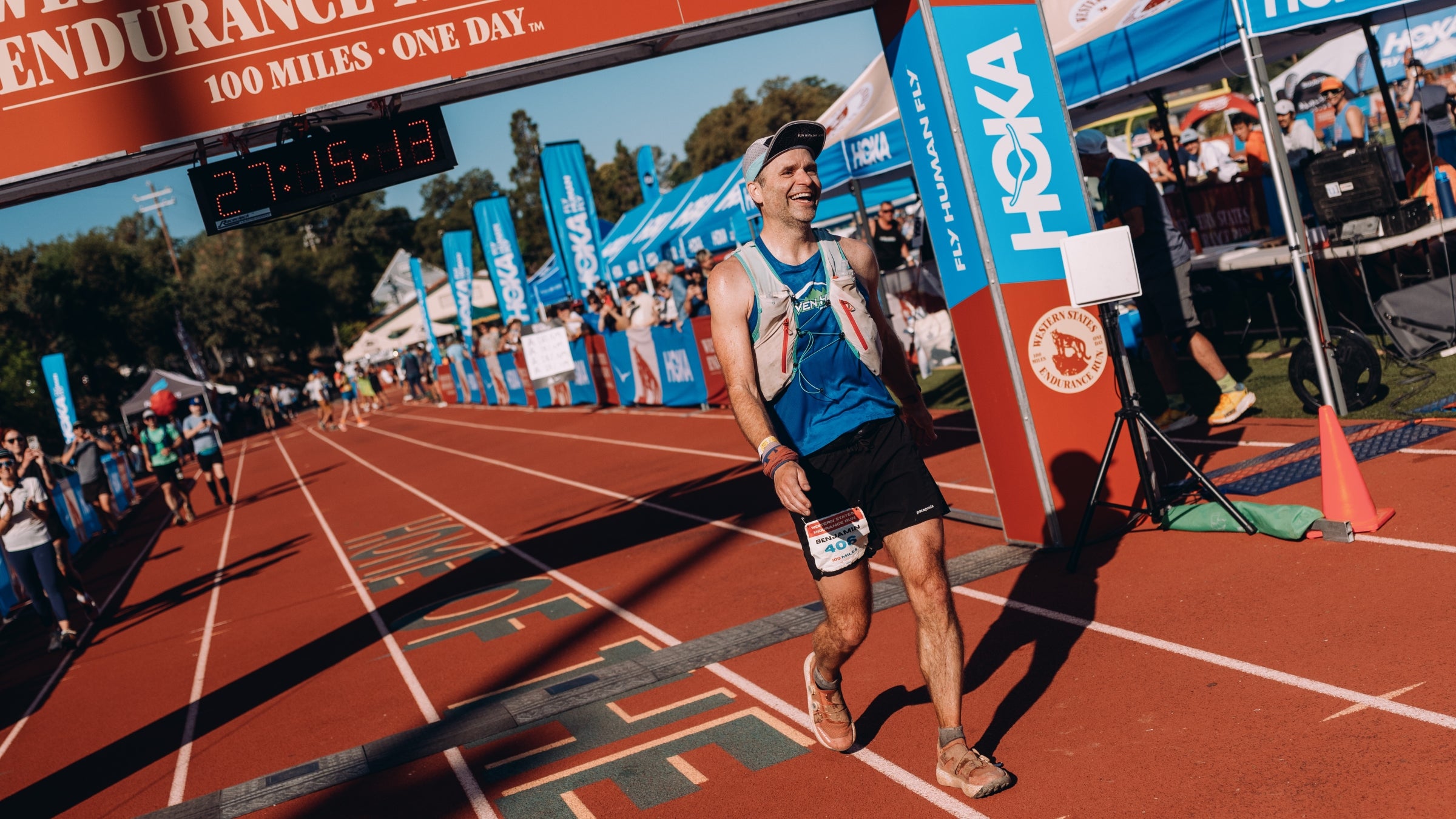
Since that initial 18.6-mile foray into trail running, the sport has become an inextricable part of his life. His resume now includes several of the most prestigious and difficult ultramarathons in the world. Most notably, in 2025, Gibbard completed the Western States Endurance Run (WSER), widely considered the "Crown Jewel" of 100-mile races. The WSER takes participants through the rugged Sierra Nevada Mountains, featuring over 18,000 feet of cumulative climbing and 23,000 feet of descent. For Gibbard, these races are not merely hobbies but are fundamental to his creative output and mental clarity.
I Built You a Tower and the 2026 Tour
The upcoming album, I Built You a Tower, represents a significant milestone for Death Cab for Cutie. Following the critical success of Asphalt Meadows (2022), the new record arrives during a period of renewed cultural relevance for the band. The lead single, "Riptides," has already garnered significant airplay, showcasing the band’s signature blend of introspective lyricism and complex melodic structures.
The timing of the album’s release and the subsequent tour highlights the logistical challenges of balancing a professional music career with the demands of elite-level training. The 2026 tour begins at the Outside Days festival, an event organized by Outside Inc., which celebrates the convergence of outdoor sports and culture. Industry analysts suggest that Gibbard’s public persona as an athlete has helped the band tap into a burgeoning demographic of "active listeners"—consumers who value wellness and outdoor engagement alongside artistic depth.
The Philosophy of "Trusting the Process"
Gibbard has frequently drawn parallels between the grueling nature of songwriting and the "pain cave" of an ultramarathon. He cites a principle often attributed to Britt Daniel of the band Spoon: "Inspiration likes to find you hard at work." Gibbard applies this to both his studio sessions and his trail miles. He famously spent months struggling with the material for the 2005 album Plans, only to write the hit "I Will Follow You into the Dark" in a mere 15 minutes once the foundation of hard work had been laid.
"It took months of failure to get to that 15 minutes," Gibbard noted during a recent discussion on his training. "That’s a principle that I’ve certainly followed as a creative person, but also something that I’ve really leaned into as an athlete. When you put time into something, when you spend so many hours honing a craft, the hope is that you will make it look easy."
This dedication is managed through a meticulous training regimen designed by his coach, Gary Robbins. Robbins, a legendary figure in the ultrarunning community known for his attempts at the Barkley Marathons, transitioned Gibbard from a mileage-based training program to one focused on "time on feet." This school of thought suggests that the body registers duration and effort rather than specific distances, allowing for better recovery and adaptation on varied terrain.
Technical Training and Data-Free Performance
Despite the modern trend toward wearable technology and biometric tracking, Gibbard maintains a surprisingly analog approach to his athleticism. While many of his peers in the "sub-24-hour" 100-mile cohort rely on heart rate monitors, VO2 max data, and real-time pace tracking, Gibbard prefers to run by feel.
"I don’t have any heart rate monitoring or anything like that," Gibbard stated. "One of the things I love about ultra is that I just go out, and the course dictates how fast I’m going to go. If it’s a really mountainous course, or if it’s at altitude, or if it’s hot that day, I’m running to finish. I’m running for the experience."
His primary goal as he enters his fifties is to achieve another sub-24-hour finish in a 100-mile race. Achieving a "Silver Buckle" at an event like Western States (awarded to those who finish under 24 hours) is a feat reserved for the top tier of amateur runners. Gibbard has reached this milestone once before and believes his current training trajectory makes a repeat performance possible.
Breaking the "Jock vs. Artist" Dichotomy
Gibbard’s lifestyle challenges the traditional social structures of the Gen X era, which often dictated that individuals choose between being an "artist" or an "athlete." He recalls a cultural climate where "cross-pollination" between these identities was discouraged.
"You had to be a jock or a punk or a metalhead, or a nerd," he explained. "You weren’t allowed to cross-pollinate. I think one of the places in which it seemed that was drummed into my head was that being an athlete and being an artist were not two tastes that went great together."
Gibbard credits the Japanese author Haruki Murakami—whose memoir What I Talk About When I Talk About Running explored the link between long-distance running and novelist discipline—as a primary role model for his dual-track life. By charting his own course, Gibbard has become a figurehead for a new generation of creatives who view physical fitness as a prerequisite for long-term artistic sustainability rather than a distraction from it.
Philanthropy and Environmental Advocacy
Gibbard has also leveraged his platform to support environmental causes, particularly through his involvement with Protect Our Winters (POW). During the New York City Marathon, he engaged fans by allowing them to curate his race playlist in exchange for donations to the organization, which advocates for climate change legislation to protect outdoor spaces.

His relationship with audio during runs is nuanced. While he "rawdogs"—a colloquial term for running without headphones—during mountain training to stay present in nature, he utilizes music and podcasts as psychological tools during the later stages of races. During his 2025 Western States run, Gibbard turned to music at mile 50 to combat the onset of heatstroke and mental fatigue, a tactic that provided a crucial neurochemical boost to reach the finish line.
Economic Context and the "Charmed Life"
In an uncharacteristic display of transparency for a public figure, Gibbard acknowledges the socio-economic factors that allow him to maintain his rigorous schedule. He notes that his success in the music industry has afforded him the luxury of time—a commodity that is often the greatest barrier to entry for aspiring ultrarunners.
"I live a very charmed life. I do not have the stressors that most people have," Gibbard admitted. "I don’t commute to a job every day and sit in a chair for eight hours. I don’t have the economic insecurities that a lot of people have."
This acknowledgment provides a realistic context for his achievements. The "pro-am" nature of ultrarunning often requires 15 to 25 hours of training per week, a commitment that is difficult for those without flexible schedules or significant financial stability.
Chronology of Key Milestones
- 1997: Death Cab for Cutie forms in Bellingham, WA.
- 2005: Release of Plans, featuring "I Will Follow You into the Dark."
- 2012: Gibbard runs his first 30K (Golden Gate Trail Run).
- 2016: Completion of his first 100-mile ultramarathon.
- 2022: Release of Asphalt Meadows and subsequent world tour.
- 2025: Finishes the Western States Endurance Run (100.2 miles).
- May 28, 2026: Announcement of new album details and tour prep.
- May 29, 2026: 2026 Tour kicks off at Outside Days.
- June 5, 2026: Official release of I Built You a Tower.
Analysis of Impact and Future Outlook
Ben Gibbard’s transition into his fifties marks a new chapter for both his music and his athletics. As Death Cab for Cutie embarks on their 2026 tour, the industry is watching closely to see how the band’s sound has evolved on I Built You a Tower. Early indications suggest a more expansive, perhaps more "rugged" sonic landscape, potentially influenced by Gibbard’s thousands of hours spent in the wilderness.
The broader implication of Gibbard’s career is the normalization of the "high-performance artist." By rejecting the self-destructive tropes of rock history in favor of the discipline of the trail, he provides a blueprint for longevity in a notoriously fickle industry. As he prepares for his next race—scheduled just days after his tour kickoff—Gibbard remains cautiously optimistic, adhering to a superstitious silence regarding his physical health while "trusting the process" that has served him for nearly three decades.




 Budi Mulyono
 Chandra Hamzah
 Tatiana Tantri Indah Sari

 Lukman Taruna Persada Ramadan