
 Anjar Salim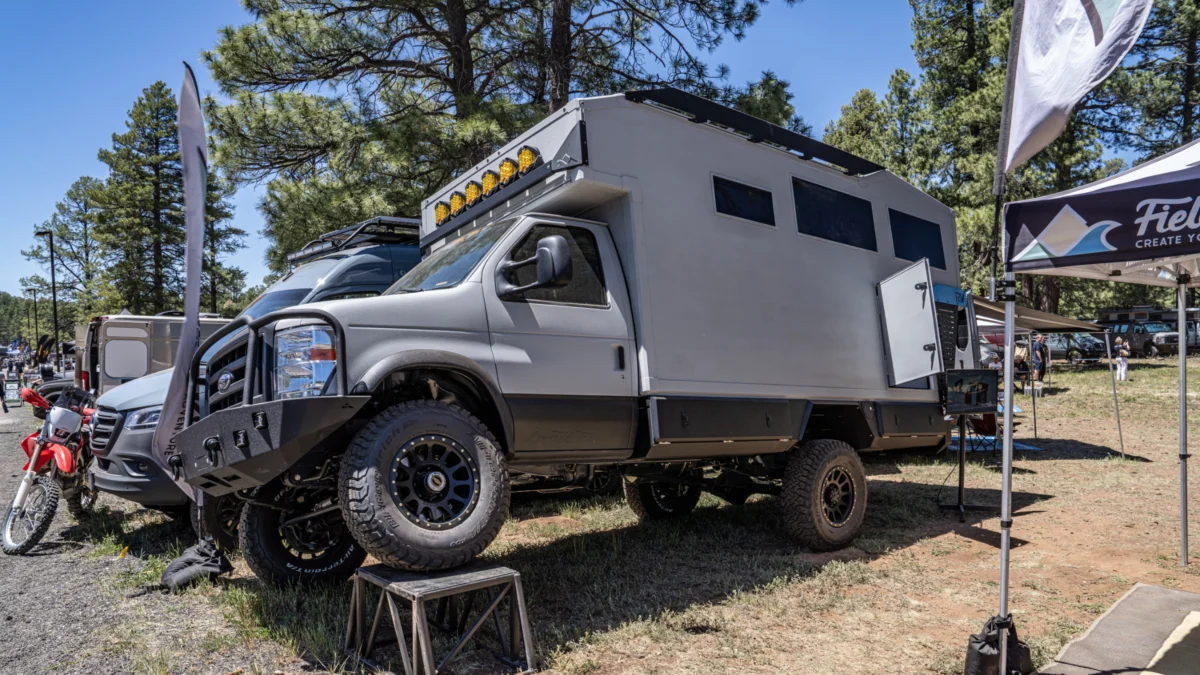
The 2026 Overland Expo West, held in the high-altitude ponderosa pines of Flagstaff, Arizona, marked a significant pivot point for the multi-billion-dollar vehicle-supported adventure industry. Following a decade of unprecedented growth that saw overlanding transition from a niche hobby to a mainstream lifestyle, this year’s exhibition focused less on the introduction of entirely new categories and more on the sophisticated refinement of existing technologies. Manufacturers and engineers at the event demonstrated a clear shift toward durability, weight reduction, and multi-functional design, signaling that the overlanding market has entered a phase of professional maturity.
The trajectory of the overlanding market in the United States has been steep. Industry data from the Specialty Equipment Market Association (SEMA) indicates that the off-road and adventure travel segment has grown by more than 45 percent since 2016. What was once a market dominated by rugged, minimalist setups has evolved into a sophisticated ecosystem where comfort and technological integration are paramount. At the 2026 Expo, this evolution was evident across ten key product categories that showcased how the industry is addressing the long-term needs of enthusiasts who are now spending weeks, rather than just weekends, off the grid.
The Rise of the Class B+ Adventure Vehicle
One of the most prominent trends at the 2026 Expo was the proliferation of Class B+ vehicles. These platforms represent a middle ground between the traditional camper van (Class B) and the larger, often less capable motorhome (Class C). The shift toward Class B+ reflects a growing demand for internal space and amenities without sacrificing the maneuverability required for technical backcountry trails.
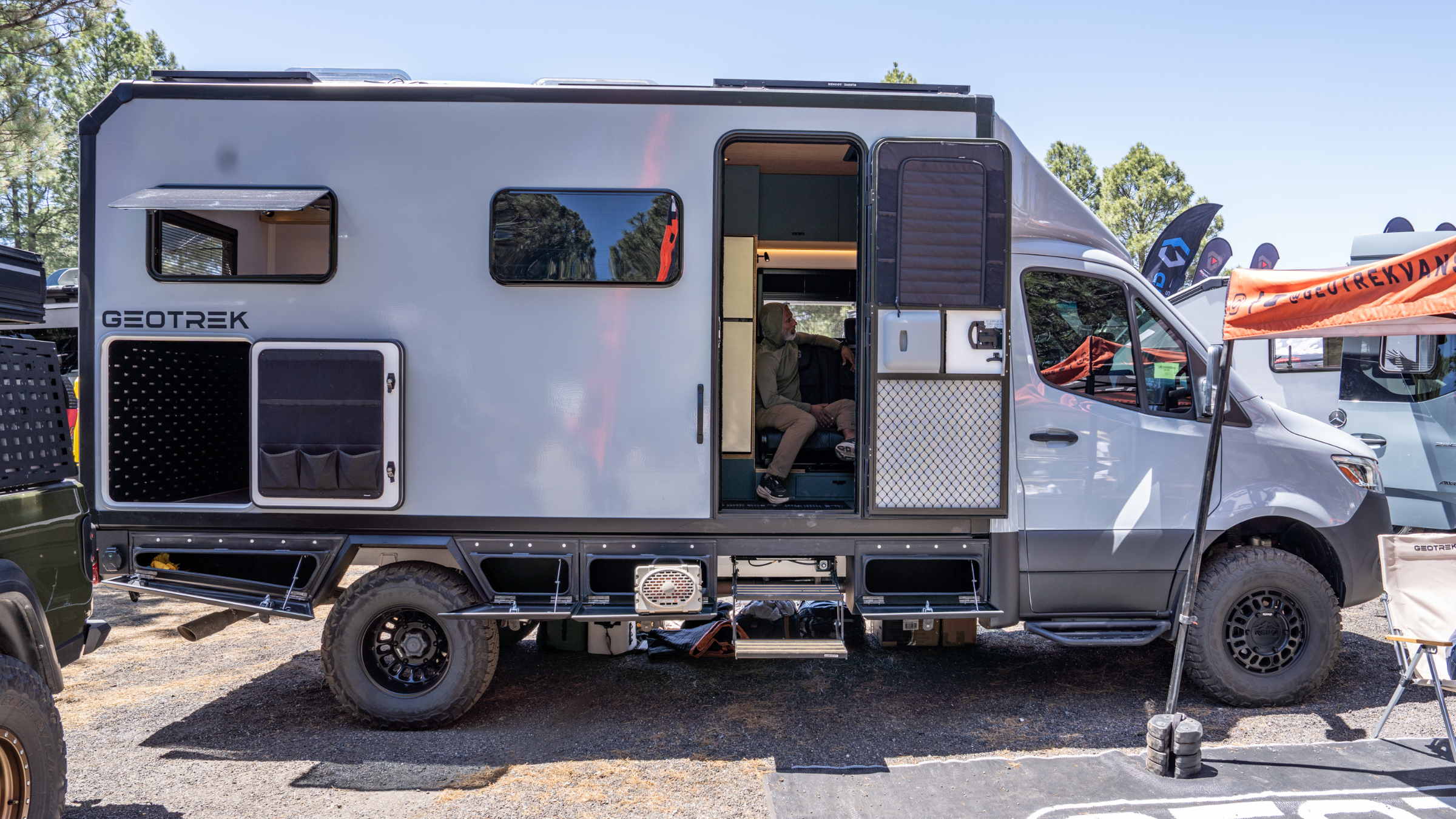
Geotrek showcased its Verus Van, built on a 170-inch Mercedes-Benz Sprinter High Roof chassis. Unlike standard van conversions that work within the existing metal shell of the vehicle, the Verus utilizes a reinforced subframe paired with an insulated composite box. This architectural change allows for vertical walls and increased width, providing enough interior volume for a full-sized shower and expanded kitchen facilities.
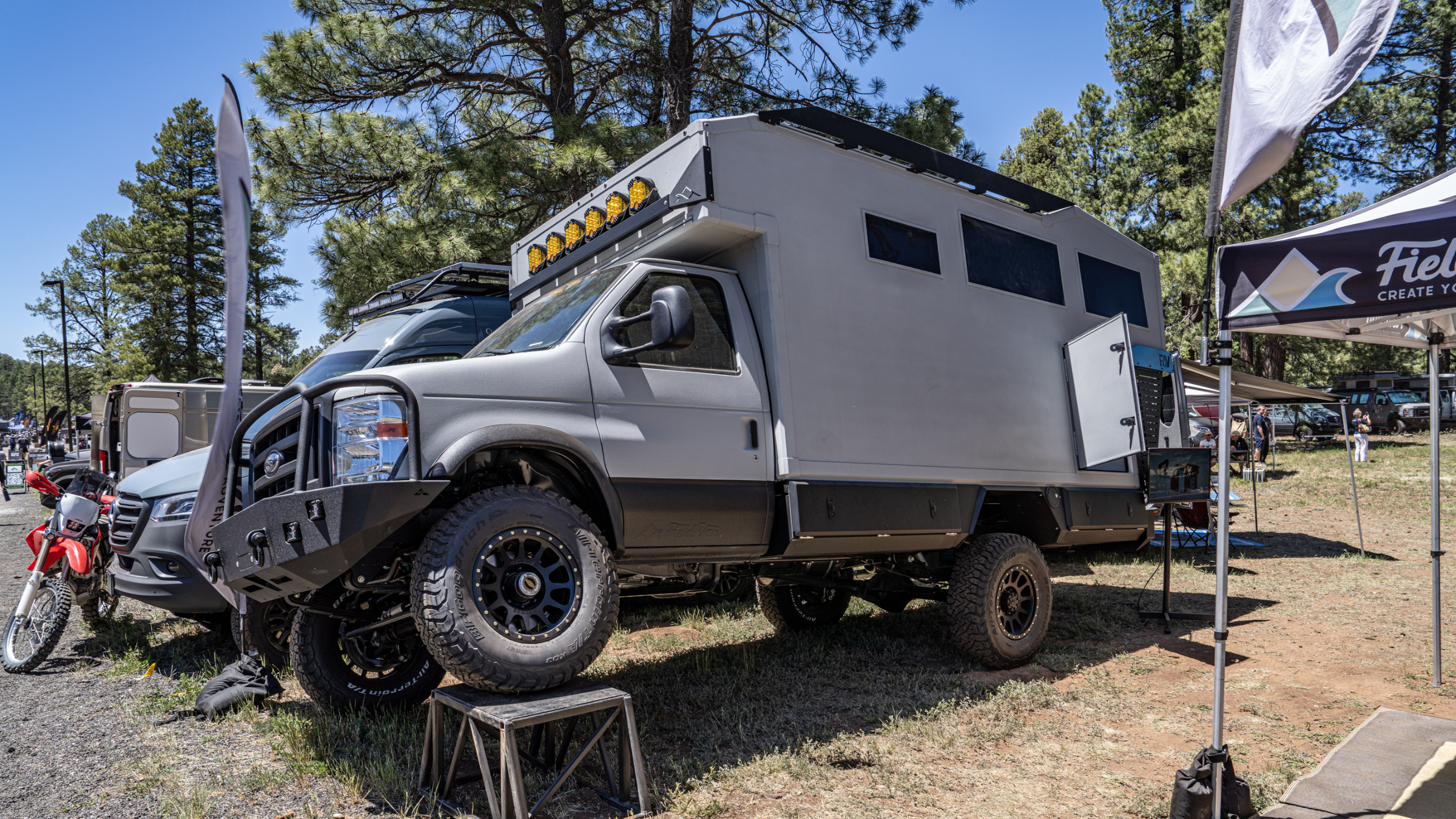
Simultaneously, Modbox presented a more modular approach on the 144-inch Sprinter chassis. By offering a "blank box" configuration starting at $98,000, Modbox is targeting a demographic that prioritizes customization over pre-packaged luxury. However, the high-end segment remains robust, as evidenced by Field Van’s Field Adventure Vehicle (FAV). Built on a Ford E350 platform, the FAV is a technical powerhouse featuring a four-wheel-drive system, an Atlas transfer case, and Dynatrac axles. With 26 inches of suspension travel available when the sway bars are disconnected, the FAV represents the extreme end of the B+ market, with pricing expected to exceed $300,000.
Engineering Comfort and Structural Integrity
As overlanders push further into remote environments, the durability of camp furniture and shelters has become a primary focus for research and development. The 2026 Expo highlighted a move away from "disposable" camping gear toward high-specification equipment designed to withstand extreme weather and abrasive terrain.
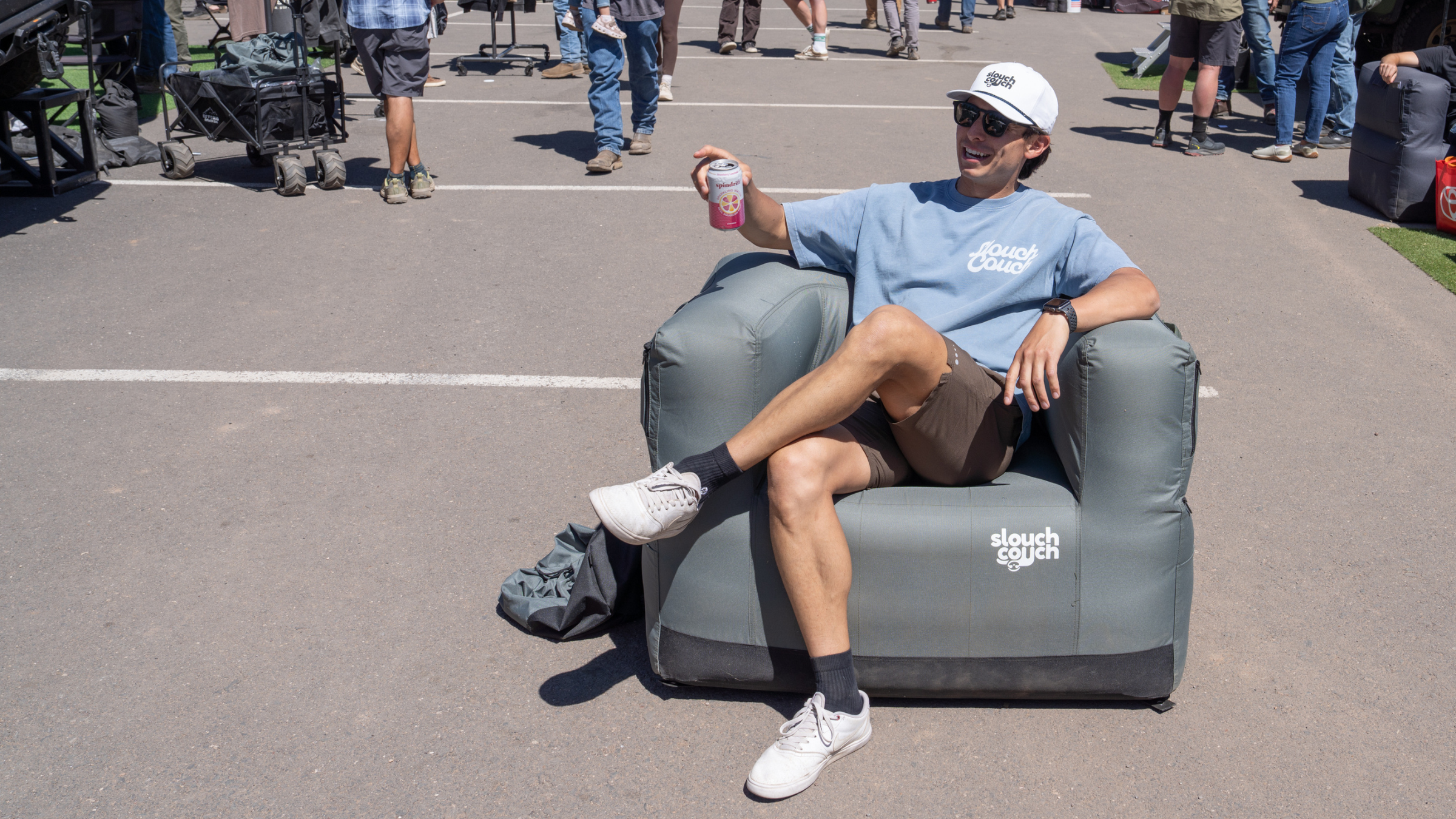
Slouch Couch addressed a long-standing weakness in inflatable furniture: punctures. Their Solo Chair and loveseat are constructed with a 600-denier Cordura fabric shell. In textile engineering, denier measures the linear mass density of fibers; 600-denier Cordura is a heavy-duty material typically reserved for luggage and motorcycle apparel, offering exceptional resistance to tears and abrasions. To combat the issue of wind displacement—a common problem in the Arizona desert—these units are weighted and include integrated stake-down points. An internal, rechargeable electric pump allows for a sub-two-minute inflation time, while the unit’s ability to compress to the size of a small watermelon addresses the critical overlanding need for space efficiency.
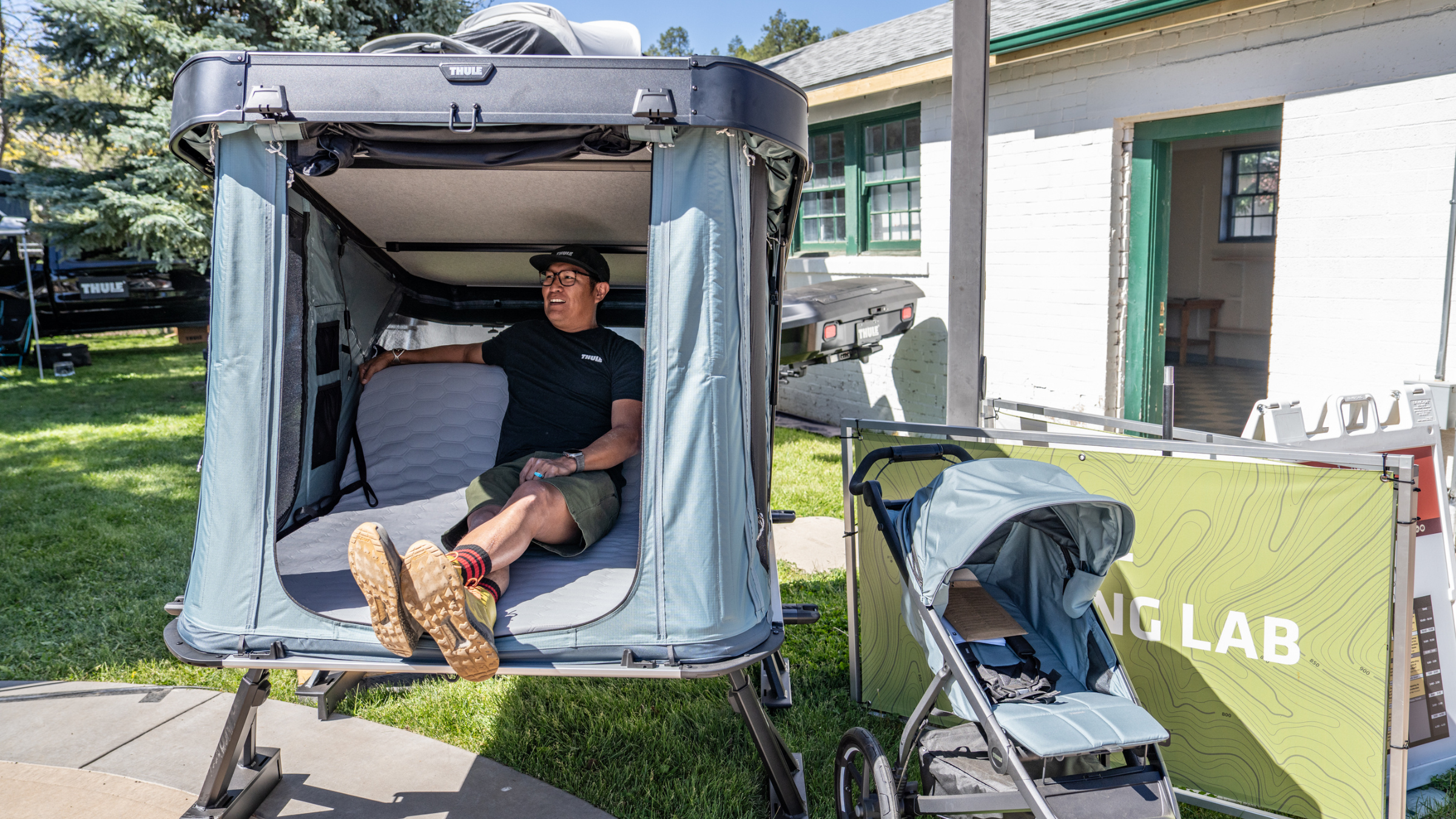
In the realm of rooftop shelters, Thule introduced the Widesky Rooftop Tent. This product focuses on the ergonomics of "living" rather than just "sleeping." The design features a modular mattress that can be reconfigured into a couch, transforming the tent into a daytime lounge or observation deck. Weighing 147 pounds, the Widesky is relatively light for its class, which is crucial for maintaining a vehicle’s low center of gravity. Integrated LED lighting and roofbar locks suggest a move toward more integrated, user-friendly ecosystems in the rooftop tent market.
Innovation in Recovery and Storage Systems
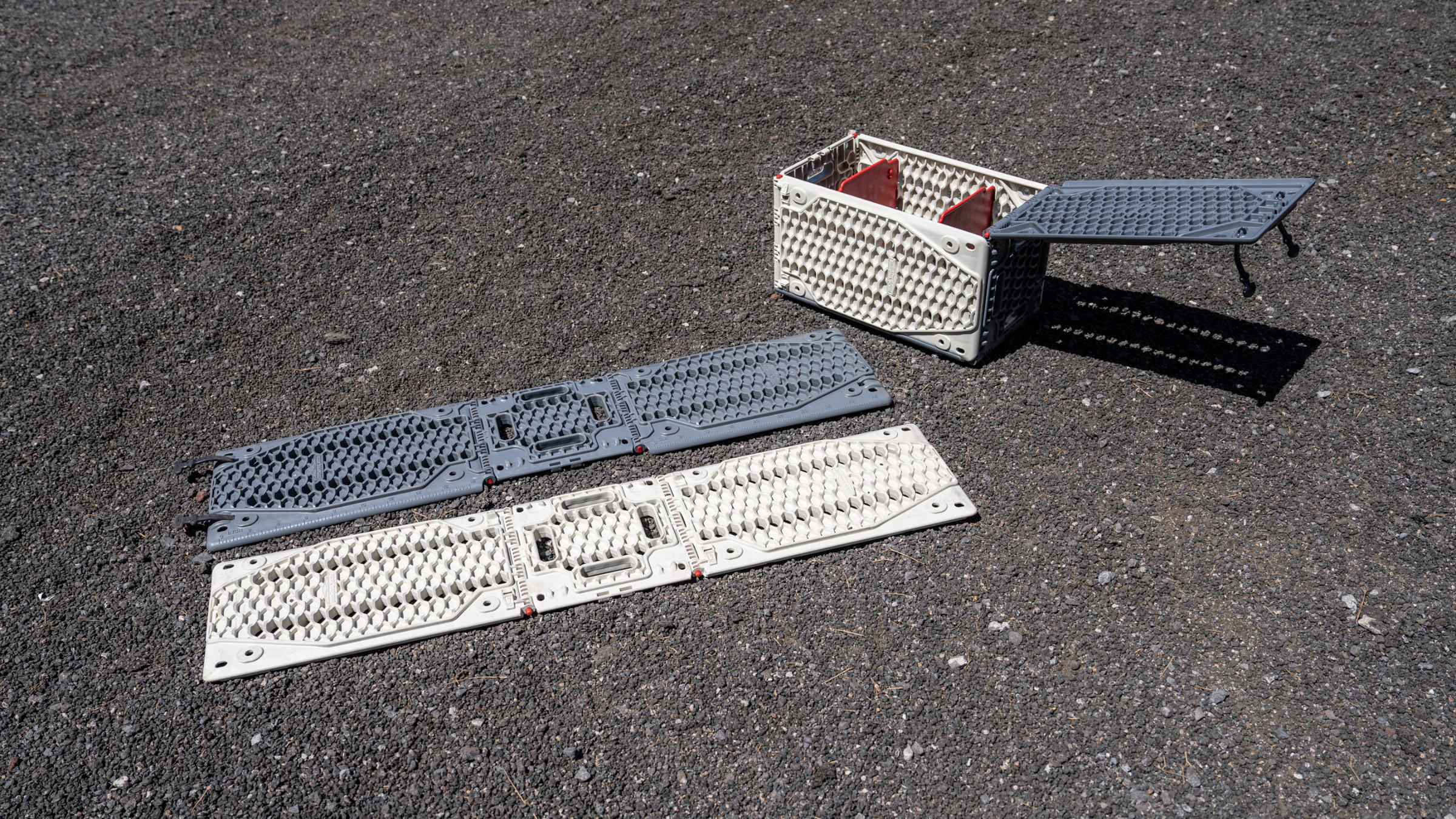
Safety and recovery remain the bedrock of responsible overlanding. The 2026 Expo saw several "hybrid" gear solutions that combine storage utility with emergency recovery functions. Rock Tamers introduced the Traction Crate, a modular storage system that can be disassembled into two fully functional traction boards. These boards provide the necessary friction for vehicles to escape mud, sand, or snow. By consolidating two essential items into one, the system optimizes the limited payload and volume capacities of overlanding rigs.
Pelican, a leader in protective cases, expanded its lineup with a 90-liter crate designed specifically for the rigors of vehicle-mounted storage. The system incorporates internal dividers and built-in Molle (Modular Lightweight Load-carrying Equipment) panels. This allows users to organize medical kits, recovery straps, and tools with military-grade precision. The integration with the Mounting Company’s plate system allows these crates to be locked onto roof racks or truck beds and removed via a quick-release pin, a feature highly valued in emergency scenarios where every second counts.
Mechanical Safety and Towing Technology
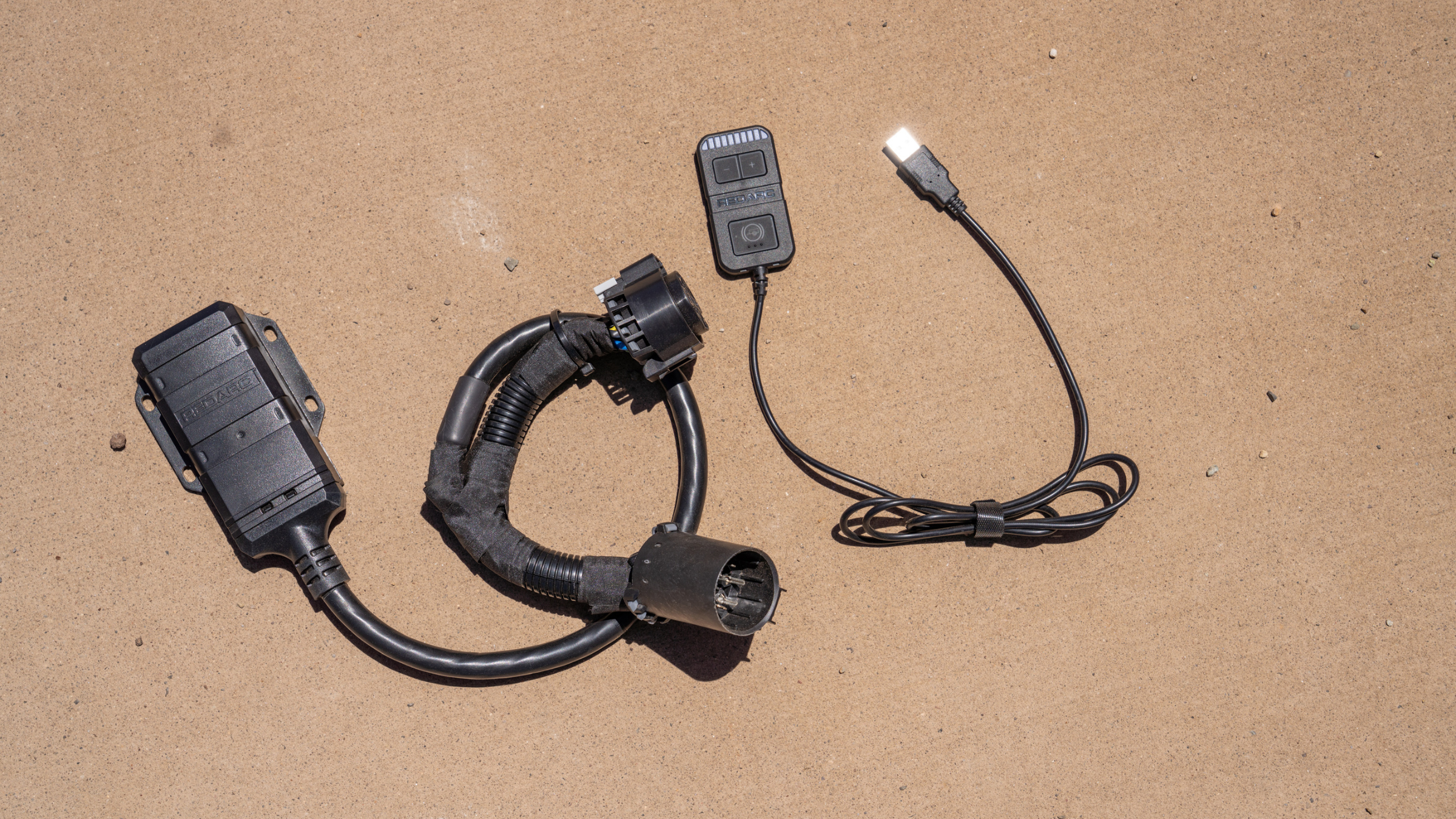
As trailers become more common in overlanding—allowing for basecamp setups while the primary vehicle explores technical trails—towing safety has become a major focus for engineers. Redarc showcased its Tow-Pro Link Electric Brake Controller, a sophisticated piece of electronics designed to mitigate trailer sway. Trailer sway is a leading cause of highway accidents involving towed loads, often triggered by crosswinds or sudden maneuvers. The Redarc system includes a remote interface that allows the driver to manually activate trailer brakes independently of the vehicle brakes, a proven technique for pulling a swaying trailer back into alignment.
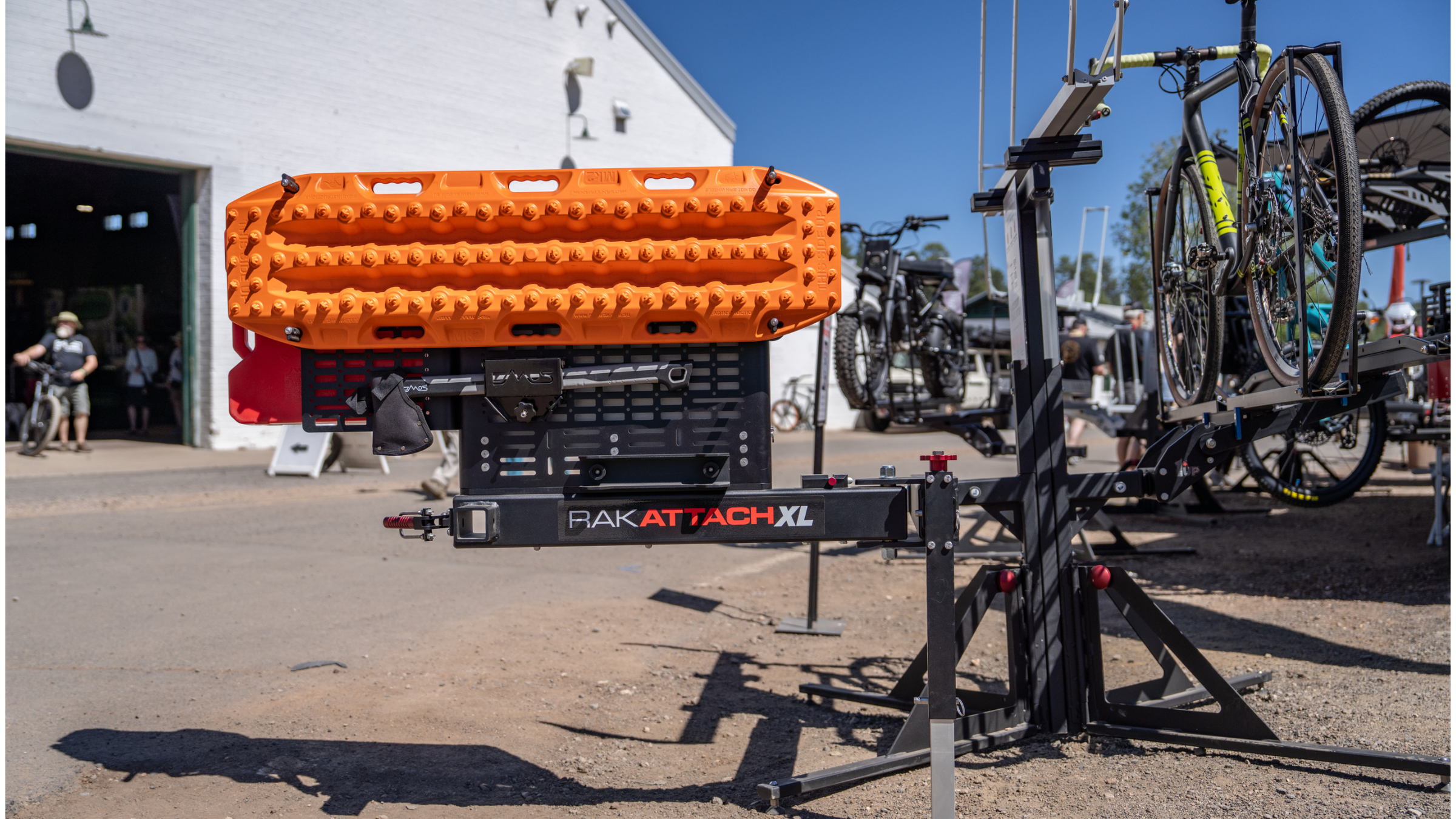
In terms of external load management, 1Up released the RakAttach XL. This heavy-duty swing-out arm slots into a two-inch hitch receiver and is rated for 375 pounds—a 36 percent increase over previous models. The engineering challenge for swing-out mounts is the leverage exerted on the hinge when the arm is extended; 1Up solved this by including a support jack to stabilize the load when the vehicle is stationary, allowing users to access rear hatches without removing heavy bike racks or gear trays.
Precision Tools and Everyday Carry (EDC)
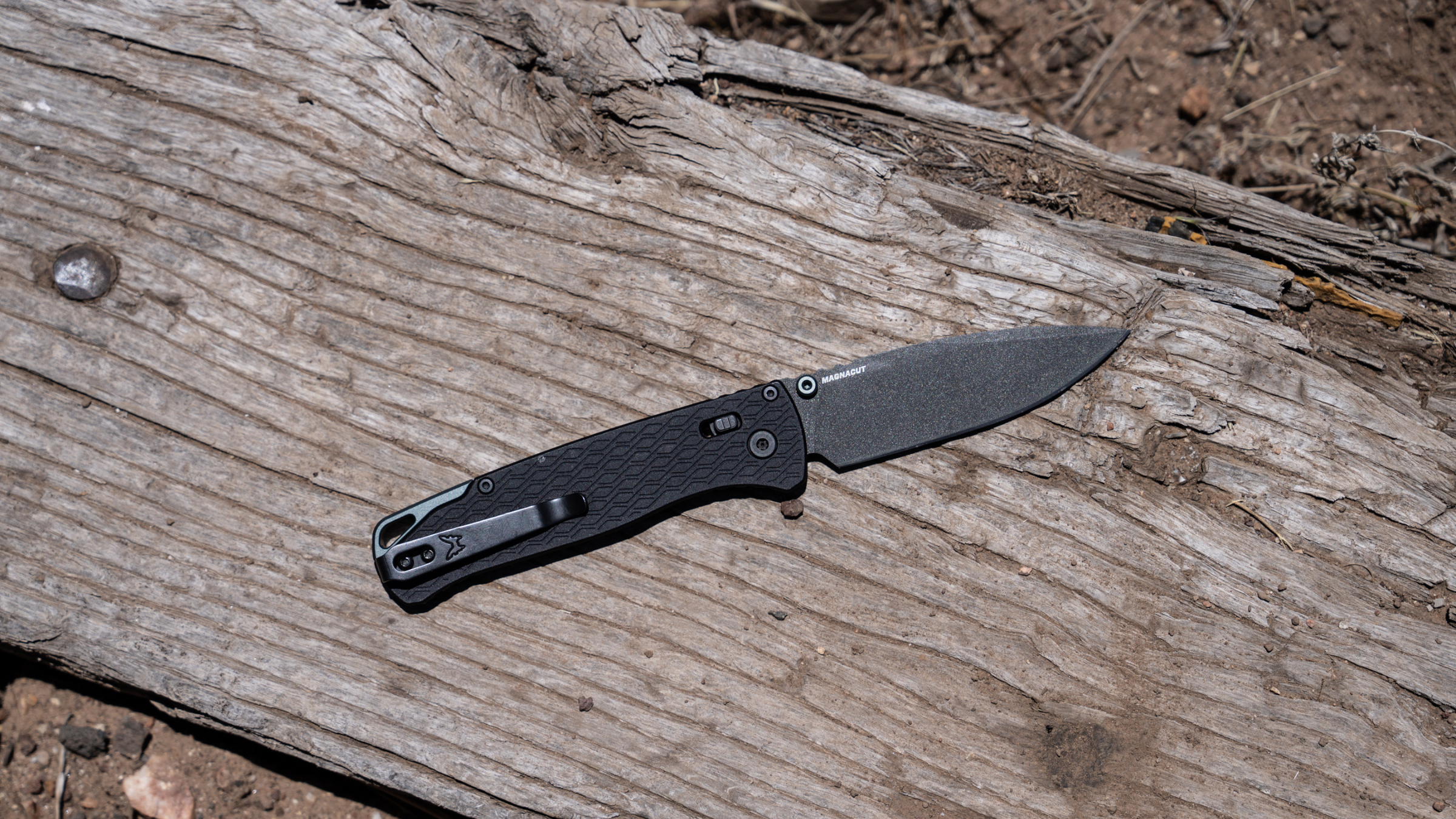
Even at the micro-level of personal gear, the theme of refinement was prevalent. Benchmade’s introduction of the Vapyr knife illustrates the application of high-end materials to traditional tools. The Vapyr utilizes Magnacut stainless steel, a powder metallurgy steel specifically engineered for the knife industry to provide a rare combination of high toughness, edge retention, and corrosion resistance. By reducing the handle thickness to 0.282 inches and the total weight to 1.72 ounces, Benchmade has produced a tool that meets the "everyday carry" requirements of modern adventurers who demand professional performance in a minimalist package.
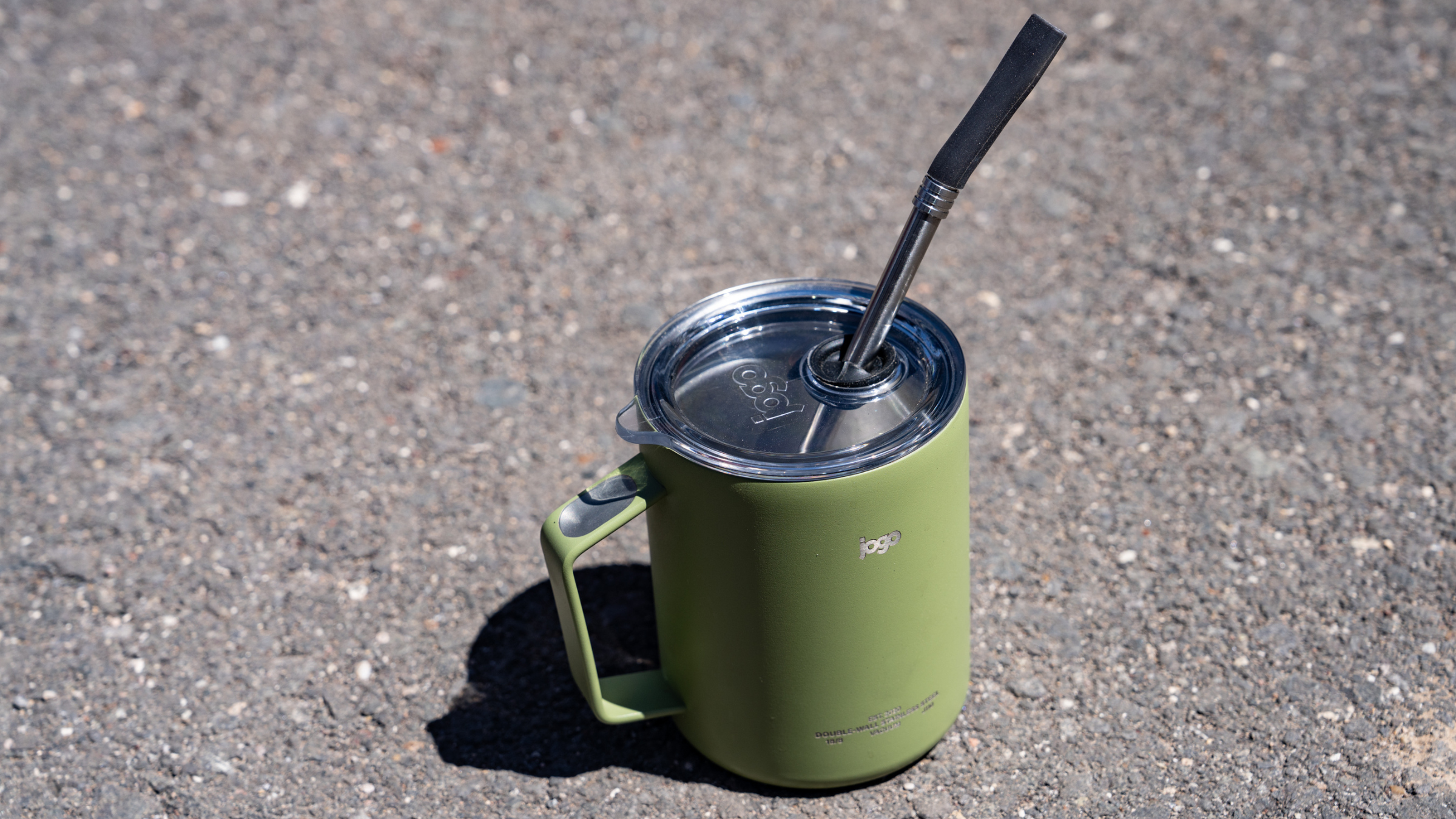
Similarly, the Jogo Camp Mug and straw system represent a refinement of backcountry coffee brewing. The system utilizes a metal straw with a screened filter, allowing for the consumption of "cowboy coffee" without the grit. The 2026 update includes a double-wall, vacuum-insulated stainless steel mug with a dedicated straw port in the lid, bridging the gap between rugged camp use and daily commuting.
Market Analysis and Future Implications
The innovations displayed at Overland Expo West 2026 suggest that the industry is moving away from the "gear for gear’s sake" mentality that characterized the early 2020s. Instead, there is a clear trend toward professionalization. Manufacturers are increasingly using high-performance materials like Cordura, Magnacut steel, and insulated composites to ensure that products survive years of use in harsh environments.
From an economic perspective, the presence of high-ticket items like the $300,000 Field Van FAV alongside $375 knives and $100,000 modular vans indicates a healthy, bifurcated market. There is a clear path for entry-level enthusiasts through modular systems like Modbox, while the "luxury-rugged" segment continues to push the boundaries of what is possible in off-road mobility.
Furthermore, the emphasis on safety—seen in the Redarc brake controllers and SeaSucker’s vacuum-mounted phone holders—reflects a maturing consumer base that is becoming more aware of the risks associated with remote travel. SeaSucker’s use of hand-operated vacuum pumps for phone mounts, a technology they also use for roof-mounted bike racks, ensures that critical navigation equipment remains secure even under the high-vibration conditions of "washboard" dirt roads.
As the 2026 Overland Expo West concluded, the consensus among industry analysts was one of stability. The "explosion" of overlanding has settled into a sustainable industry focused on quality over quantity. For the consumer, this means gear that is lighter, stronger, and more thoughtfully engineered than ever before. The backcountry is more accessible than it was a decade ago, not because there is more gear, but because the gear that exists has finally been perfected for the journey.




 Chandra Hamzah
 Tatiana Tantri Indah Sari
 Budi Mulyono
