
 Anjar Salim
The American dream of owning a cabin in the woods has historically been defined by proximity to nature, the warmth of a fireplace, and the quietude of the forest. However, as of mid-2024, that dream has become increasingly elusive for the average professional. In premier mountain destinations such as Aspen, Colorado, and Jackson Hole, Wyoming, real estate prices have decoupled from the reality of the median American income. For instance, a 460-square-foot studio in the heart of Aspen recently listed for $1.9 million, representing a price-per-square-foot ratio that rivals luxury high-rises in Manhattan. This trend is mirrored in Wyoming, where entry-level bungalows near major ski resorts now command similar multimillion-dollar premiums.
As mortgage interest rates hover around the 6.51 percent mark, prospective homeowners are being forced to recalibrate their search parameters. The phenomenon known as "amenity migration"—where individuals move to specific locations for environmental and recreational benefits—is no longer exclusive to the ultra-wealthy. Instead, a new tier of mountain towns is emerging. These locations, often former industrial or mining hubs, offer the same high-quality access to skiing, mountain biking, and hiking as their more famous counterparts but at a fraction of the cost. By capping the search at a $300,000 price point, several hidden gems across the United States have been identified as viable alternatives for those seeking a life defined by the outdoors rather than by debt.
The Economic Shift from Industry to Recreation
Historically, the American mountain town was a place of labor. From the iron mines of Michigan’s Upper Peninsula to the coal seams of West Virginia, these communities were built on extraction. As these industries waned in the late 20th century, many towns faced economic stagnation. However, the 21st century has seen a pivot toward "recreation-based economies." This transition is characterized by the repurposing of industrial infrastructure—such as old rail lines becoming "rail trails" for cyclists and mining claims becoming backcountry skiing access points.
The following five towns represent the vanguard of this movement. They offer a unique combination of historic charm, robust recreational infrastructure, and, most importantly, a real estate market that remains accessible to the middle class.
Ironwood, Michigan: The Gateway to Lake Superior
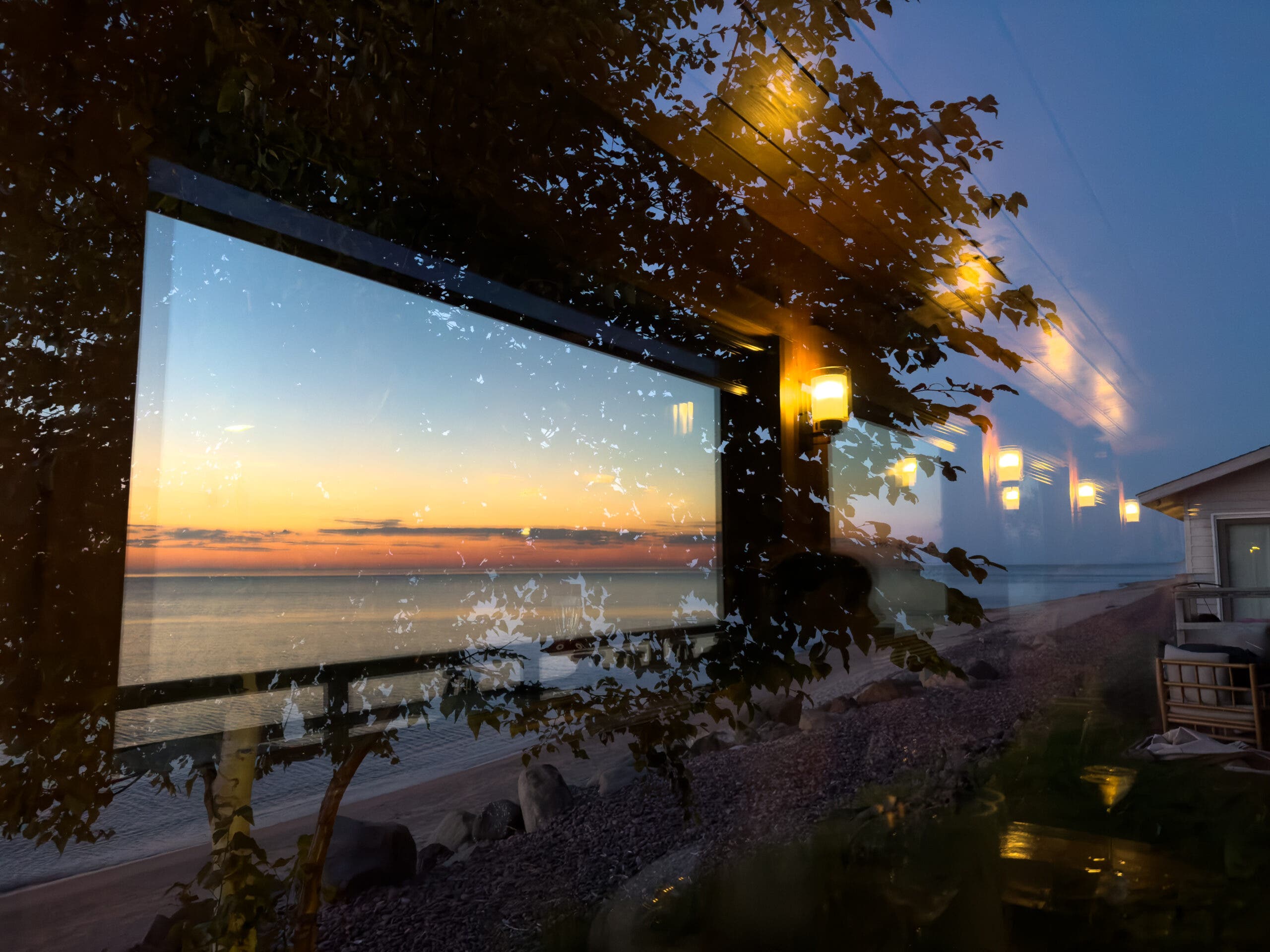
Located at the westernmost tip of Michigan’s Upper Peninsula, Ironwood is a town of approximately 5,000 residents that sits directly on the Wisconsin border. Once a powerhouse of the iron mining industry, Ironwood is currently undergoing a cultural and recreational renaissance. The town is bordered by the Ottawa National Forest and is a short drive from the Porcupine Mountains Wilderness State Park, providing a massive geographical footprint for exploration.
Recreational Infrastructure and Data
Ironwood’s primary draw is its winter climate. The region receives an average of 200 inches of snow annually, fueled by lake-effect moisture from Lake Superior. This makes it a premier destination for "silent sports." The Wolverine Nordic Center provides 15 miles of groomed cross-country ski trails and five miles of dedicated fat-tire bike trails. For downhill enthusiasts, Big Powderhorn Mountain offers 253 acres of skiable terrain. A unique local feature includes "wine huts" available for daily rental, equipped with wood stoves and slopeside decks.
In the summer months, the focus shifts to Miners Memorial Heritage Park, a 167-acre urban forest located within city limits that features 10 miles of singletrack mountain bike trails. Additionally, the nearby Little Girl’s Point provides access to the pebble-lined shores of Lake Superior for paddling and fishing.
Real Estate Analysis
The Ironwood market remains one of the most affordable in the country. Historic homes in the downtown district, many featuring the sturdy architecture of the early 1900s, are frequently listed for under $200,000. In neighboring Hurley, Wisconsin, smaller starter homes have been seen as low as $70,000. For those looking to build, 20-acre parcels of wooded land situated between the town and the lake are available for approximately $65,000, offering a rare opportunity for significant acreage at a low entry price.
Anaconda, Montana: High-Altitude Living in the Shadow of the Divide
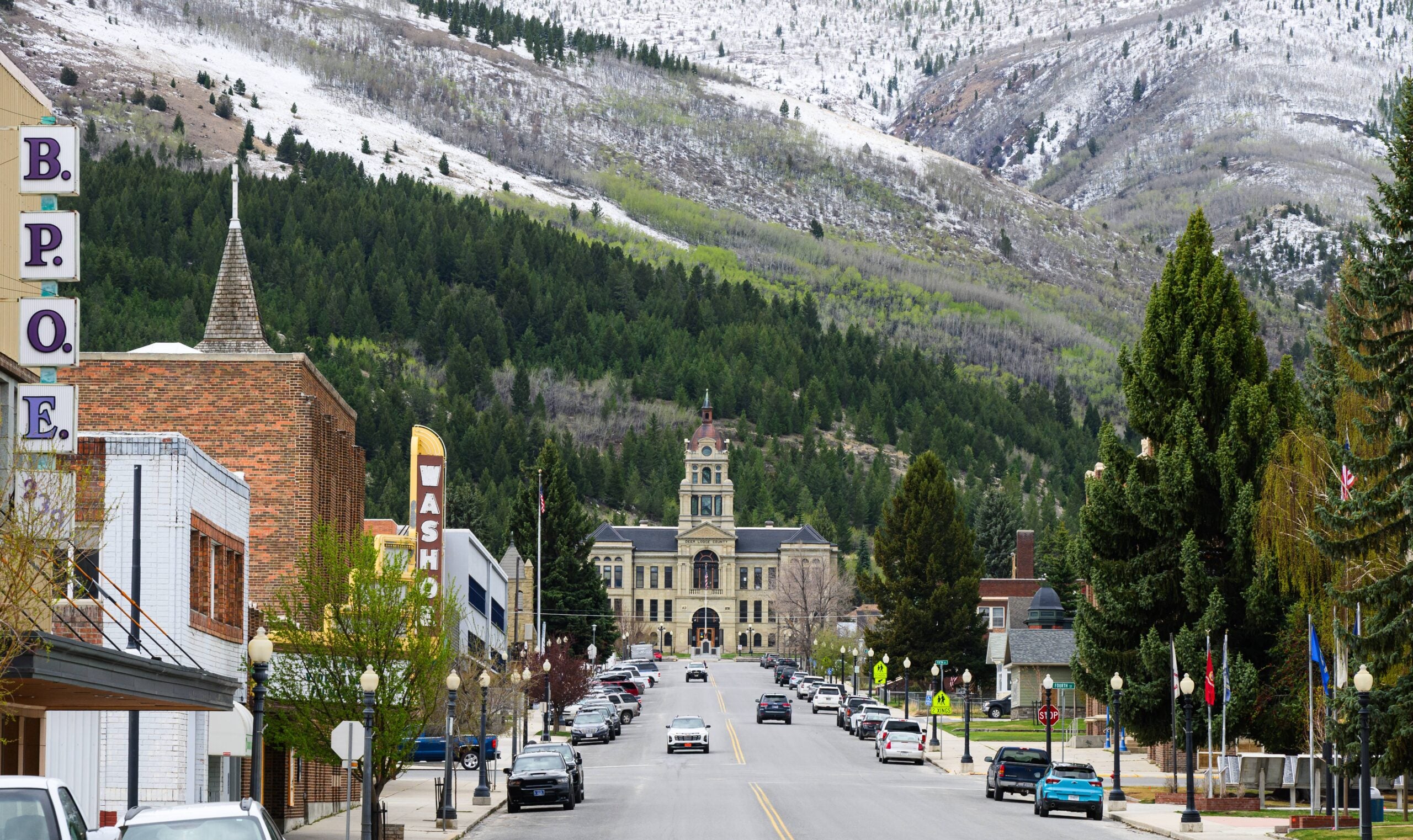
Anaconda, with a population of roughly 9,400, sits at an elevation of 5,335 feet in a glacial bowl at the base of the Anaconda Range. Founded by copper king Marcus Daly in 1883, the town served as the site for the Washoe Smelter. Today, the town’s industrial past is visible in its architecture, with a main street listed on the National Register of Historic Places.
Recreational Infrastructure and Data
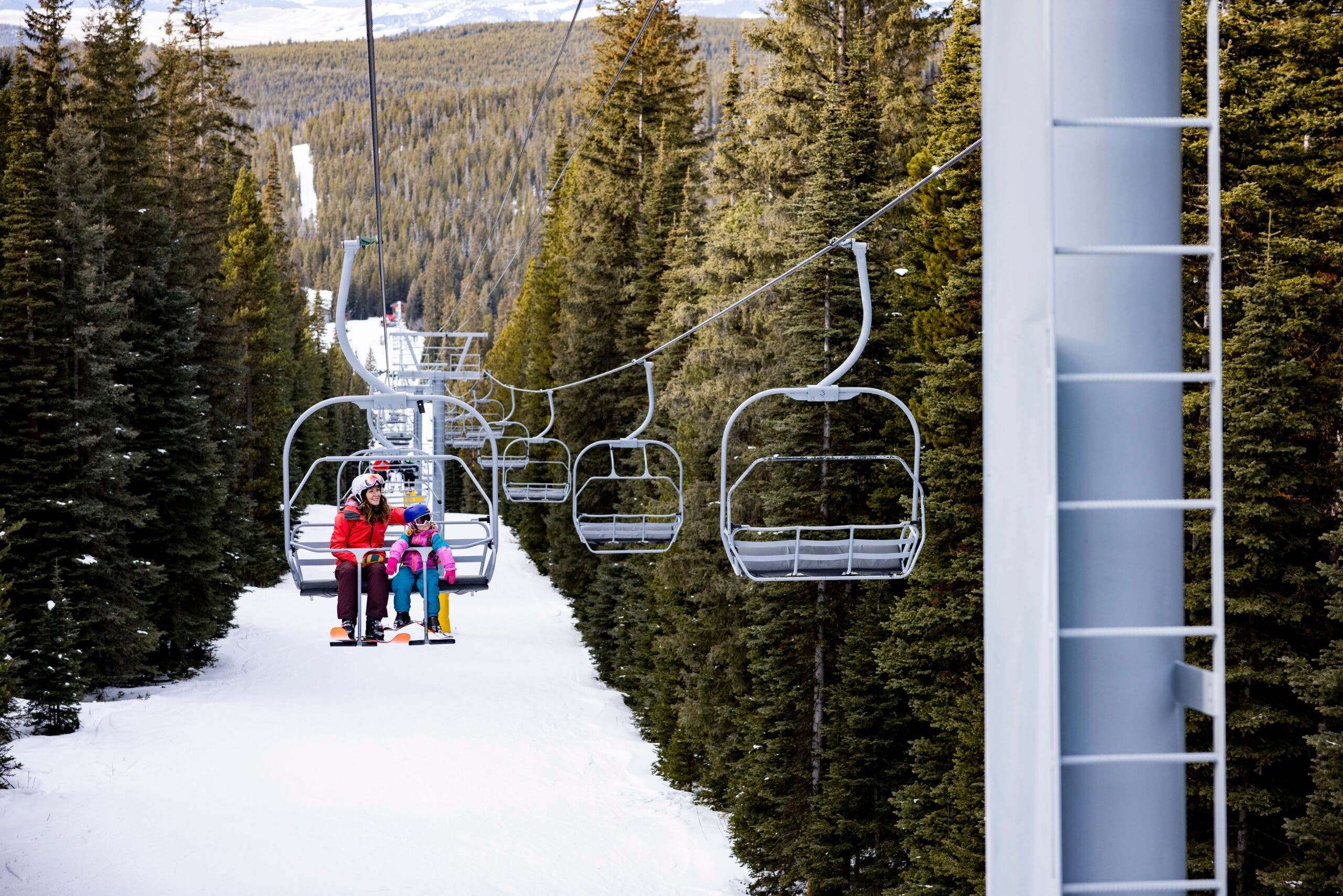
The recreational profile of Anaconda is anchored by the Discovery Ski Area. Located just 23 miles west of downtown, "Disco," as locals call it, features 2,200 acres of terrain and a vertical drop of 2,150 feet. The mountain receives over 215 inches of snow per year and transitions into a lift-served mountain bike park during the summer months.
The town also serves as a strategic base for long-distance hikers, as the Continental Divide Trail (CDT) traverses the ridges just south of the city. Lost Creek State Park, famous for its 1,200-foot limestone cliffs and spectacular waterfalls, offers additional hiking and camping opportunities within minutes of the town center.
Real Estate Analysis
While the outskirts of Anaconda have seen an influx of high-end ranch properties, the town core remains accessible. Renovated two-bedroom, two-bathroom homes built in the early 20th century are currently valued at approximately $250,000. Perhaps more intriguing for investors is the availability of large-acreage mining claims. It is still possible to find 25-acre parcels with mountain views for under $100,000, providing a rugged canvas for off-grid development.
Davis, West Virginia: The High Allegheny Hub
Davis is a small but culturally significant town of 650 residents located in the Allegheny Mountains. Despite its size, it has become a focal point for the mid-Atlantic outdoor community. A former coal and logging town, Davis has successfully rebranded itself as a hub for technical mountain biking and backcountry skiing.
Recreational Infrastructure and Data
Davis sits at an elevation of 3,100 feet, which allows it to capture significant lake-effect snow despite its southern latitude. The region averages 150 to 200 inches of snow per year. The Whitegrass Touring Center is nationally recognized for its cross-country and backcountry skiing culture, while Timberline Mountain and Canaan Valley Resort provide traditional downhill options.
During the warmer months, the focus is on the Dolly Sods Wilderness. This 17,371-acre plateau is characterized by high-altitude bogs and wind-swept rocks more reminiscent of Canada than the American South. The town is also adjacent to over 100 miles of technical singletrack, making it a "bucket list" destination for East Coast mountain bikers.
Real Estate Analysis
The Davis market has seen steady appreciation over the last five years, yet it remains significantly cheaper than regional alternatives like Asheville, North Carolina. Cabins located near the trail systems are still available for under $300,000. For those looking for a long-term investment, flat building lots of several acres can be found for roughly $115,000.
Glens Falls, New York: The Gateway to the Adirondacks
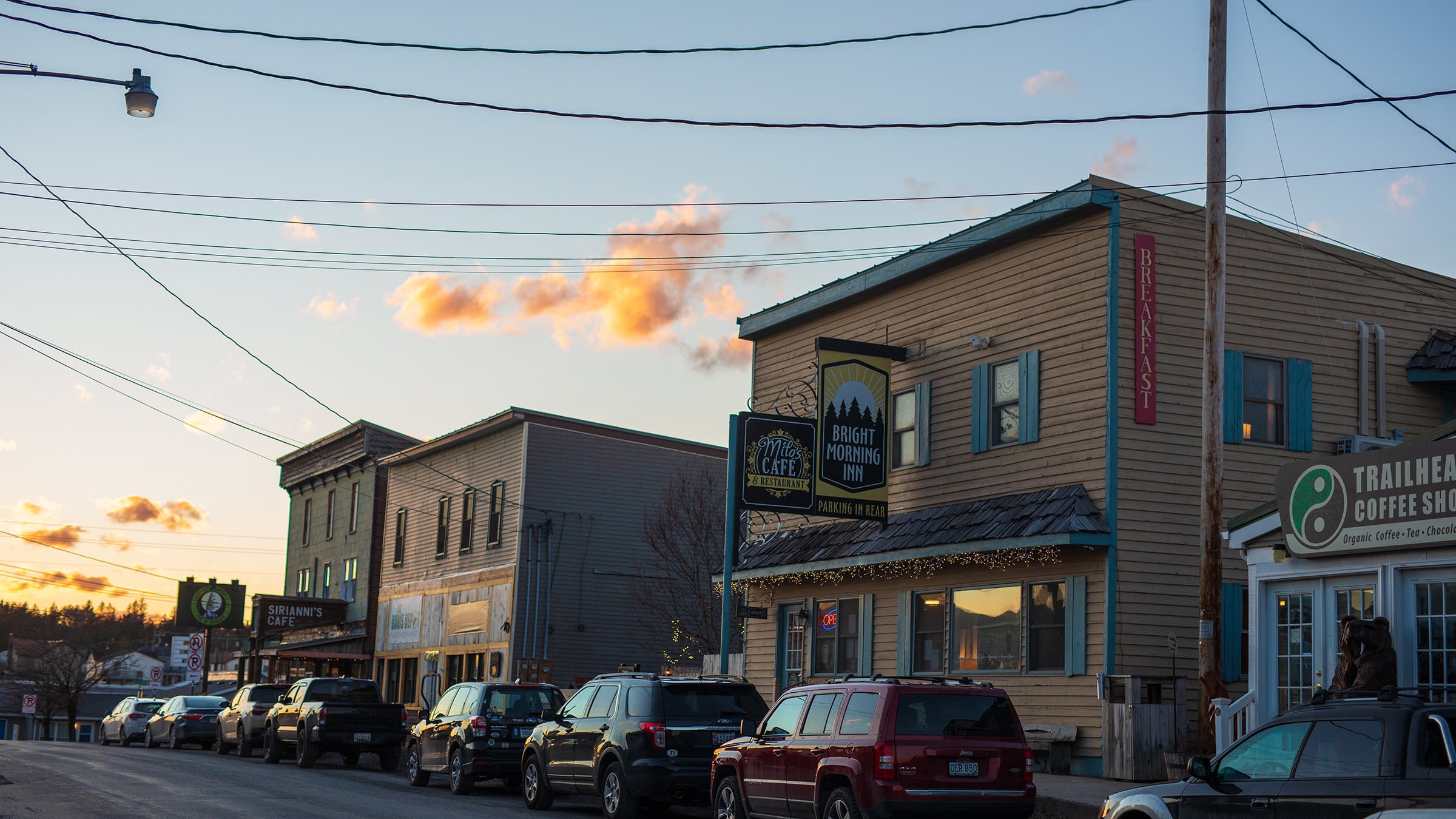
Known as "Hometown U.S.A.," Glens Falls is a city of 15,000 located on the Hudson River, just south of the six-million-acre Adirondack Park. Unlike many mountain towns that rely solely on tourism, Glens Falls has a diversified economy rooted in healthcare and manufacturing, which provides a stable foundation for its real estate market.
Recreational Infrastructure and Data
Glens Falls offers a "best of both worlds" scenario. It possesses an urban cultural scene, including the Hyde Collection art museum and The Shirt Factory—a repurposed industrial building housing over 100 local artists. Recreationally, it serves as the southern gateway to the Lake George region.
Gore Mountain, located 45 minutes to the north, is one of the premier ski destinations in the Northeast, boasting 110 trails and a 2,537-foot vertical drop. Locally, Cole’s Woods provides a network of lighted cross-country ski and mountain bike trails within the city limits, allowing for post-work recreation throughout the winter.
Real Estate Analysis
The housing stock in Glens Falls is diverse, ranging from historic Victorians to mid-century cottages. Three-bedroom homes within walking distance of the downtown core are currently priced around $250,000. In the surrounding rural areas, such as Fort Edward or Lake George, historic farmhouses on an acre or more can be found for approximately $230,000, offering a level of value that is increasingly rare in New York State.
Bryson City, North Carolina: The Quiet Side of the Smokies
Bryson City, population 1,500, is located at the edge of the Great Smoky Mountains National Park (GSMNP). While the northern entrance to the park near Gatlinburg, Tennessee, is often congested with millions of tourists, the Bryson City side offers a more secluded and authentic mountain experience.
Recreational Infrastructure and Data
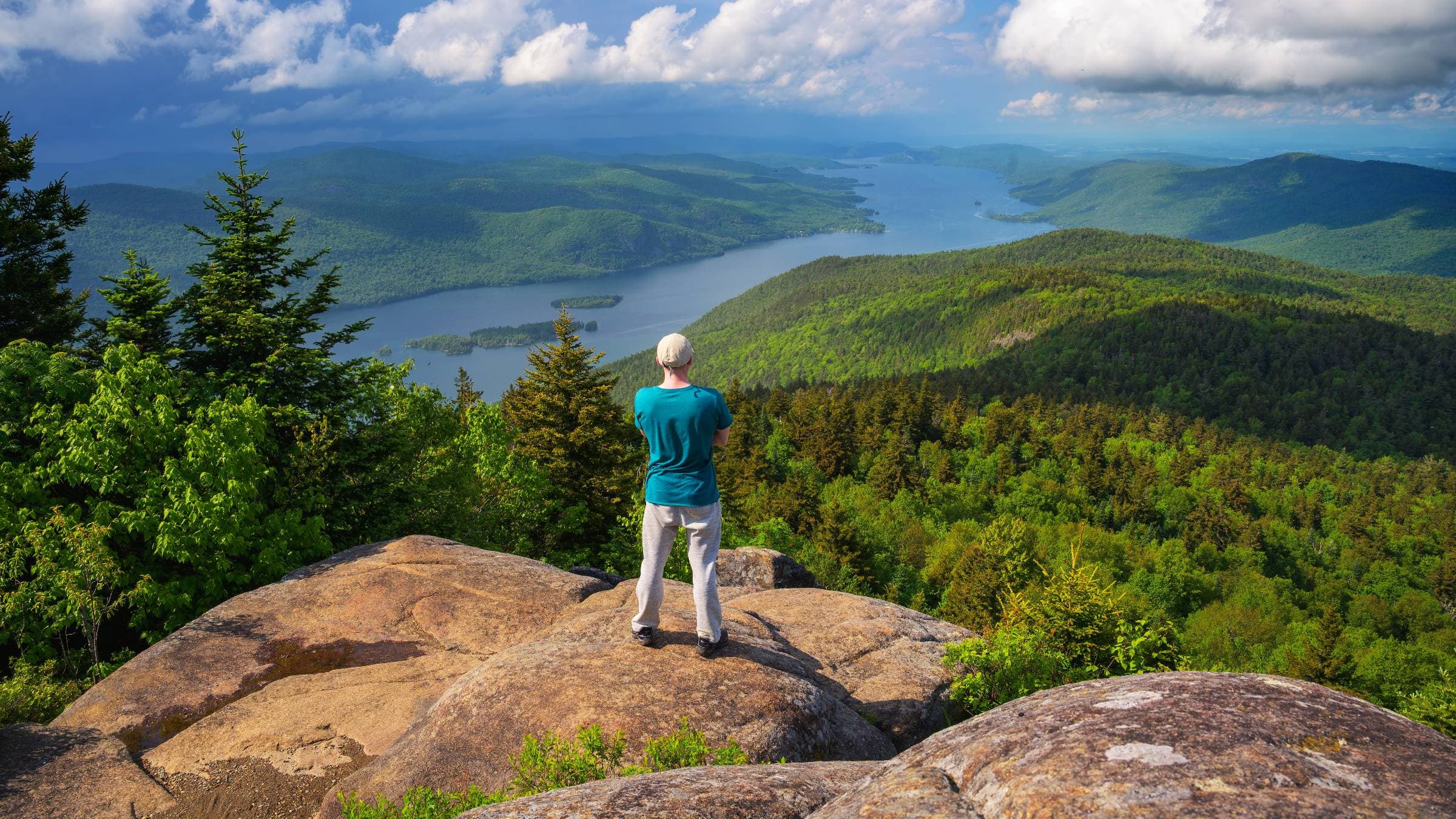
The town is bisected by the Tuckaseegee River, a renowned destination for fly fishing. To the west lies the Tsali Recreation Area, which offers 40 miles of flowy, world-class mountain bike trails within the Nantahala National Forest.
Water-based recreation is a primary driver of the local economy. The Nantahala River provides Class II and III whitewater rafting, while Fontana Lake—which forms the boundary of the GSMNP—offers boat-in camping opportunities that are among the most remote in the Eastern United States.
Real Estate Analysis
The Bryson City market is characterized by mountain-side cabins and wooded lots. A 1,000-square-foot cabin with mountain views and proximity to Fontana Lake can be acquired for approximately $229,000. Land prices are also competitive, with two-acre parcels featuring established views listing for $170,000.
Broader Impact and Market Implications
The rise of these "secondary" mountain towns is indicative of a larger shift in American demographics. As remote work becomes a permanent fixture for a significant portion of the workforce, the "commute to the city" is being replaced by the "access to the trail." However, this migration brings both opportunities and challenges to these communities.
Local governments in towns like Ironwood and Anaconda are grappling with the need to modernize infrastructure to support new residents while maintaining the affordability that attracted them in the first place. There is also the looming concern of "gentrification by recreation," where the influx of outdoor enthusiasts eventually drives up prices to the point that the original working-class population is displaced.
For the prospective buyer, the window of opportunity in these towns remains open, but it may be narrowing. As more people seek refuge from the pricing bubbles of the West, these five locations represent the current "sweet spot" of the American real estate market: high recreational value, rich cultural history, and a price tag that doesn’t require a Rockefeller’s bank account. For those willing to look beyond the famous zip codes, the dream of a cabin in the woods is still very much alive.




 Chandra Hamzah
 Tatiana Tantri Indah Sari
 Budi Mulyono

