
 Diana Nuri Rohmawati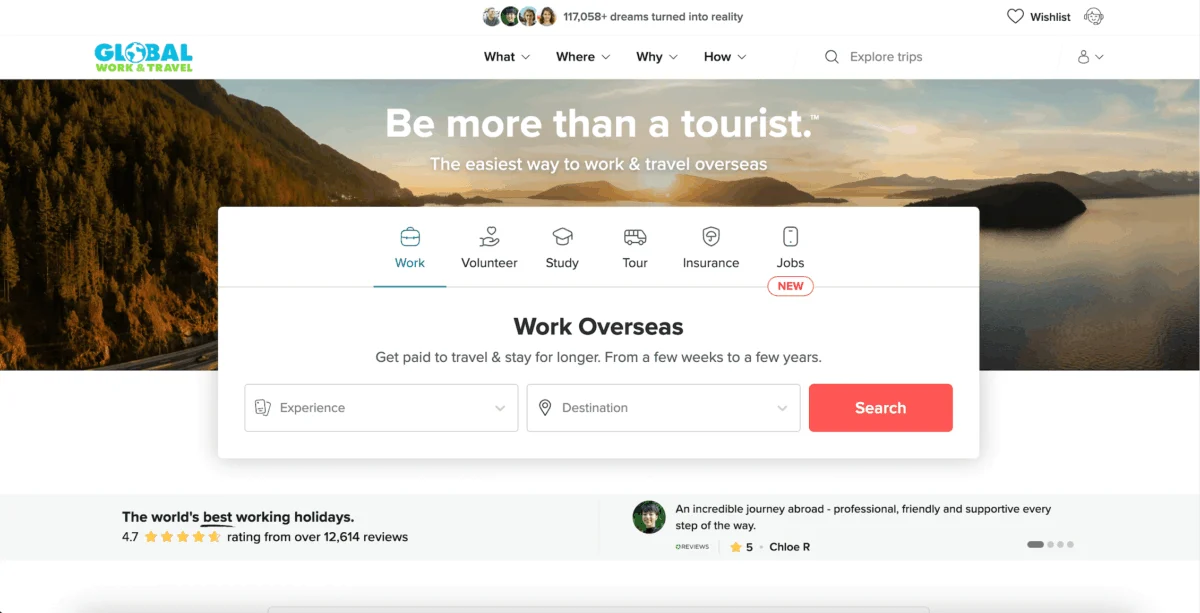
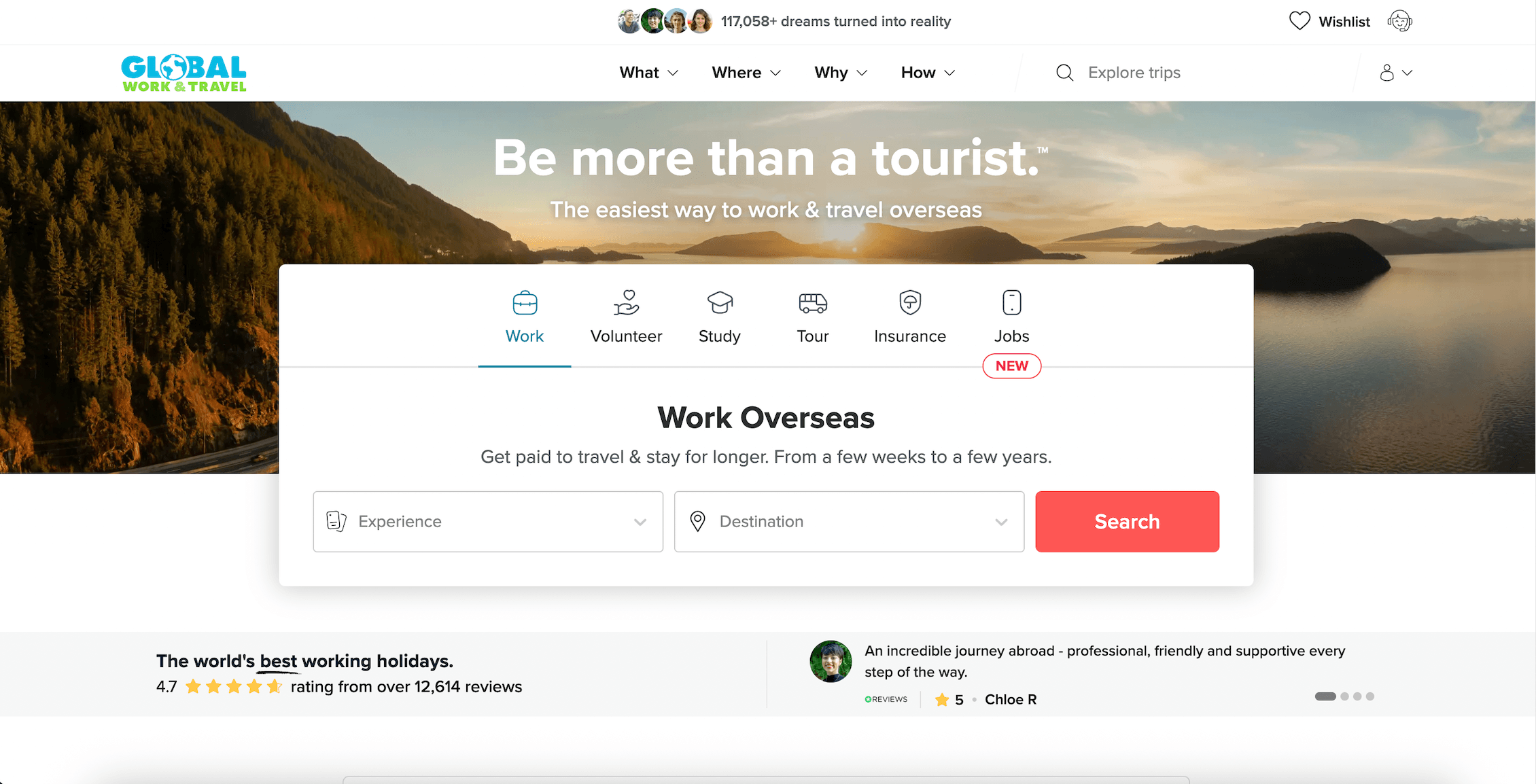
The global travel industry is currently witnessing a significant paradigm shift as travelers move away from "extractive" and passive tourism toward more immersive, long-term engagement with host communities. For decades, the standard travel model involved brief visits to landmarks, dining at recommended establishments, and limited interaction with local populations—a cycle often described by industry critics as a "pass-through" experience. However, emerging trends and data from global travel facilitators indicate a rising demand for "deep travel," characterized by working holidays, teaching abroad, and ethical volunteering. At the forefront of this movement is Global Work & Travel, a leading gap year organization that has facilitated international placements for over 116,000 individuals over the past two decades. This shift reflects a broader desire among modern travelers to transition from being mere observers to becoming active participants in local economies and social structures.
The Economic and Social Evolution of Long-Term Travel
The concept of long-term travel has evolved through several distinct phases since the mid-20th century. Following World War II, international travel was largely the province of the affluent or the "backpacking" subculture of the 1960s and 70s. By the early 2000s, the "gap year" became a standardized rite of passage for students in the United Kingdom, Australia, and New Zealand. Today, the industry has expanded to include "career break" travelers and older professionals, with programs now accommodating individuals aged 18 to 80.
In the last decade, the "digital nomad" lifestyle—working remotely while living in low-cost destinations—captured the public imagination. While this model allowed for extended travel, it often created a "parallel society" where travelers earned in strong foreign currencies but remained disconnected from the local workforce and social fabric. Industry analysts now suggest that working holidays are emerging as a more sustainable and accessible alternative to digital nomadism. Unlike remote work, which requires pre-existing employment and high levels of career stability, working holidays allow travelers to integrate directly into the local economy by securing employment upon arrival. This "grounded" version of travel fosters genuine relationships with local coworkers and neighbors, effectively turning travel into a lifestyle rather than a temporary escape.
Global Work & Travel: A Case Study in Structured Mobility
As the world’s largest gap year company, Global Work & Travel has spent nearly 20 years developing a framework to support this transition toward immersive travel. Operating across the United Kingdom, Europe, the Americas, Asia, Africa, and the Pacific, the organization provides what industry experts call "scaffolding" for international relocation. The logistical barriers to moving abroad—securing visas, finding permanent housing, and navigating foreign job markets—often serve as insurmountable hurdles for solo travelers.
The company’s operational model focuses on removing these barriers through a comprehensive support system. This includes pre-departure guidance, visa assistance, and job matching services. To manage the complexities of modern travel, the firm utilizes the gWorld portal, a centralized trip management application. By providing a structured safety net, these programs enable individuals to move beyond the "tourist" label. According to company data, the most sought-after programs include working holidays, teaching positions (often bundled with TEFL training), and internships, which provide travelers with professional development that enhances their resumes upon return to their home countries.
Chronology of the Modern Gap Year Industry
The trajectory of structured international work programs has been marked by several key milestones:
- Late 1940s–1950s: Post-war peace movements lead to the creation of the first international volunteer and student exchange programs.
- 1970s–1980s: Commonwealth countries establish formal Working Holiday Visa (WHV) agreements to encourage cultural exchange among youth.
- 2008–2010: The global financial crisis prompts a surge in "voluntourism," though the period is later criticized for a lack of vetting and ethical standards in some programs.
- 2015–2019: The rise of the digital nomad. Technology allows for remote work, but the "extractive" nature of short-term stays begins to draw criticism from local governments in hubs like Lisbon and Bali.
- 2021–Present: Post-pandemic travel recovery sees a shift toward "slow travel." Organizations like Global Work & Travel see record interest as travelers seek deeper connections and longer stays to compensate for lost time.
Supporting Data: The Impact of Working Holidays
Data from the WYSE Travel Confederation and other industry bodies highlight the significant economic impact of the youth and student travel market, which accounts for approximately 23% of international arrivals. Unlike traditional tourists who may stay for one to two weeks, working holiday makers often remain in a country for 6 to 12 months.
Economic studies indicate that these travelers contribute more to local economies on a per-trip basis than high-spending luxury tourists. Because they earn and spend locally, their capital circulates through neighborhood businesses—grocery stores, local transport, and community services—rather than being concentrated in international hotel chains. Furthermore, the skill acquisition associated with working abroad is substantial. A survey of former gap year participants indicated that 88% felt their international experience significantly improved their employability, citing increased adaptability, cross-cultural communication, and problem-solving skills.
Addressing the Ethics of Global Volunteering
One of the most complex sectors of the travel industry is international volunteering. Historically, the sector has been plagued by "profit-driven campaigns" that prioritize the traveler’s experience over the needs of the host community. To counter this, modern facilitators have implemented rigorous vetting processes for their partner organizations.
Global Work & Travel, for instance, focuses on community-defined priorities in sectors such as wildlife conservation, healthcare, and education. Examples include community development projects in Zanzibar, elephant rehabilitation in Thailand, and wildlife conservation in South Africa. A critical component of their ethical framework is the Global Animal Welfare Fund, which ensures that financial resources are funneled directly into conservation projects. This shift toward "ethical volunteering" requires that programs be sustainable and that the presence of volunteers does not displace local workers or create cycles of dependency.
Logistics and Accessibility: Demographics of the New Traveler
The democratization of long-term travel is also reflected in the broadening demographics of participants. While working holiday visas are typically capped at age 35 due to international treaty limitations, other forms of "deep travel" are seeing an uptick in older participants.
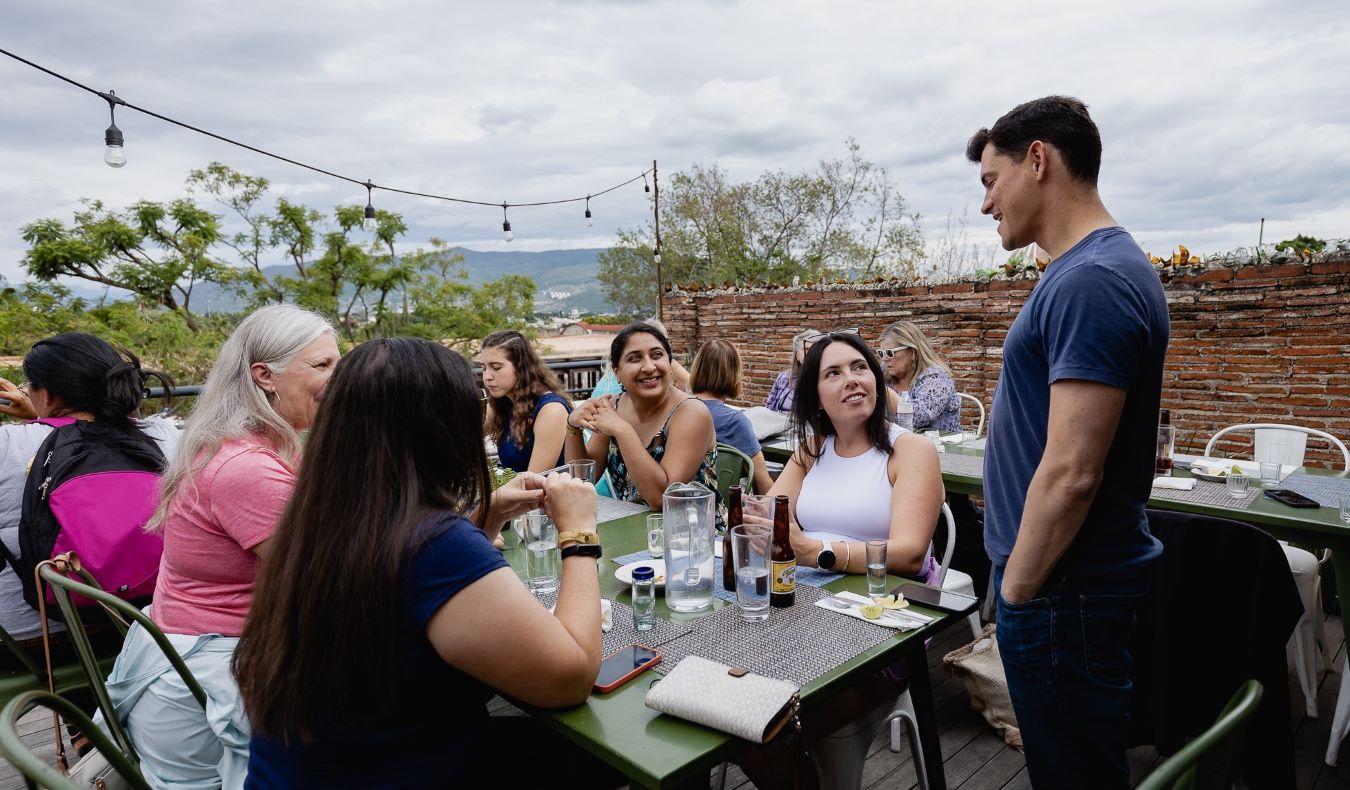
- Age Flexibility: Volunteer and teaching programs are increasingly open to ages 18 through 80, catering to "grey gappers" or retirees seeking meaningful engagement.
- Solo Travel Trends: Approximately 60% of participants in structured work-abroad programs travel solo. The rise of digital communities, such as the gWorld Community, has mitigated the risks of isolation, allowing solo travelers to connect with peers before they even depart.
- Financial Planning: The cost of such programs is often seen as an investment. With "lifetime deposit" policies and payment plans starting as low as $1, the barrier to entry has lowered. Most participants plan their trips 6 to 12 months in advance to navigate visa quotas and job matching.
Industry Analysis: Implications for Global Labor and Culture
The rise of structured working holidays has broader implications for the global labor market. As "quiet quitting" and the "Great Resignation" signaled a shift in worker priorities, many individuals are looking for ways to integrate life and work more holistically. Living and working in a foreign country provides a "cultural immersion" that traditional vacations cannot match. It allows for the discovery of "hidden spots" and a nuanced understanding of local social issues, which in turn fosters global empathy and international cooperation.
Furthermore, the integration of travelers into local workforces helps address labor shortages in sectors such as hospitality, agriculture, and childcare in countries like Australia, Canada, and the UK. This creates a mutually beneficial relationship: the traveler receives a life-changing experience and a source of income, while the host country receives motivated, short-term labor that supports its domestic industries.
Conclusion: The Future of the "Deep Travel" Movement
The transition from passive tourism to active participation marks a maturing of the travel industry. As travelers become more conscious of their impact on the world, the demand for vetted, high-impact experiences is expected to grow. The moments that define a journey are increasingly those involving human connection and contribution—the "doing something" rather than just "seeing something."
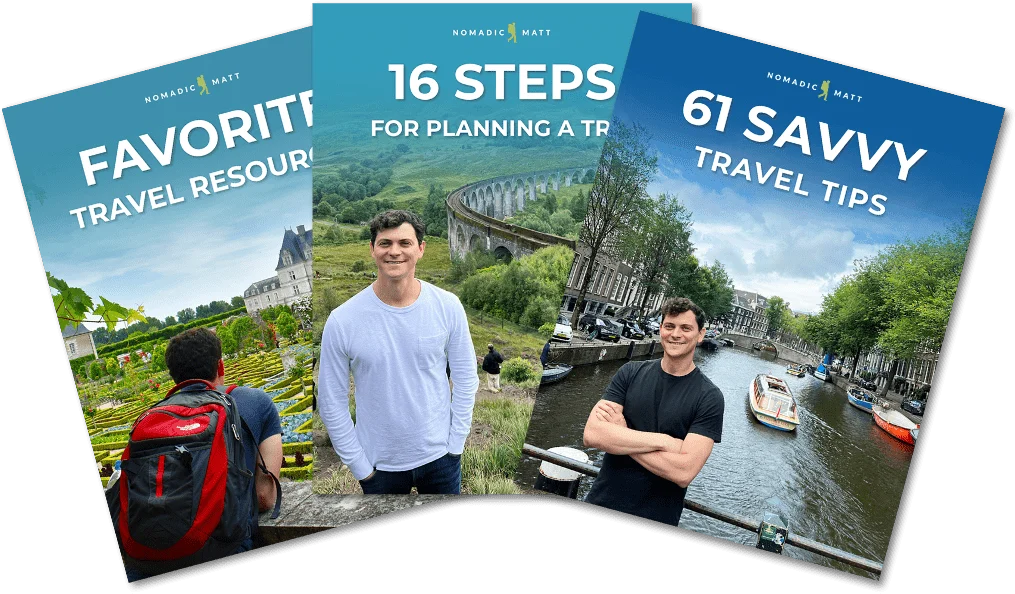
Through organizations like Global Work & Travel, the logistics of this transition have become manageable for the average person. By providing the necessary infrastructure, the industry is enabling a new generation of global citizens to build real relationships across borders. As the world becomes more interconnected, the value of staying long enough to "build a life" in a new place—even temporarily—cannot be overstated. For many, this is no longer just a vacation; it is a fundamental shift in how they choose to experience the world. For those looking to begin this journey, resources like the "How to Travel the World on $75 a Day" guide and specialized booking platforms continue to provide the tactical knowledge required to make long-term travel a sustainable reality. Use of promotional codes like NOMADICMATT further incentivizes this shift, offering a $100 discount to those ready to move from tourism to immersion.


 Anjar Salim
 Chandra Hamzah
 Tatiana Tantri Indah Sari
 Budi Mulyono
 Lukman Taruna Persada Ramadan
