
 Diana Nuri Rohmawati
The island of Ko Lipe, situated in the Adang-Rawi Archipelago of the Andaman Sea, has undergone a radical transformation over the last two decades, evolving from a remote outpost with minimal infrastructure into a high-density tourist destination. This evolution, while driving significant economic activity in the Satun Province, has raised urgent concerns regarding environmental sustainability, resource management, and the displacement of indigenous populations. Once characterized by limited electricity and seasonal accessibility, the island now faces the systemic challenges of overdevelopment, mirroring the trajectory of other Thai destinations such as Ko Phi Phi and Phuket. As the Thai government seeks to bolster its tourism sector following global disruptions, the current state of Ko Lipe serves as a critical case study in the tension between rapid commercial expansion and the preservation of fragile marine ecosystems.
Historical Evolution of Ko Lipe: From Backpacker Outpost to Luxury Hub
In the mid-2000s, Ko Lipe was widely regarded as one of Thailand’s last "undiscovered" frontiers. In 2006, the island’s infrastructure was rudimentary; electricity was typically provided by private generators for only a few hours each evening, and the primary mode of transport consisted of dirt footpaths connecting the three main beaches: Pattaya, Sunrise, and Sunset. At that time, accommodation largely consisted of basic bamboo bungalows, and the island’s economy was still deeply integrated with the traditional lifestyles of the Urak Lawoi, the indigenous "sea gypsy" community that has inhabited the region for generations.
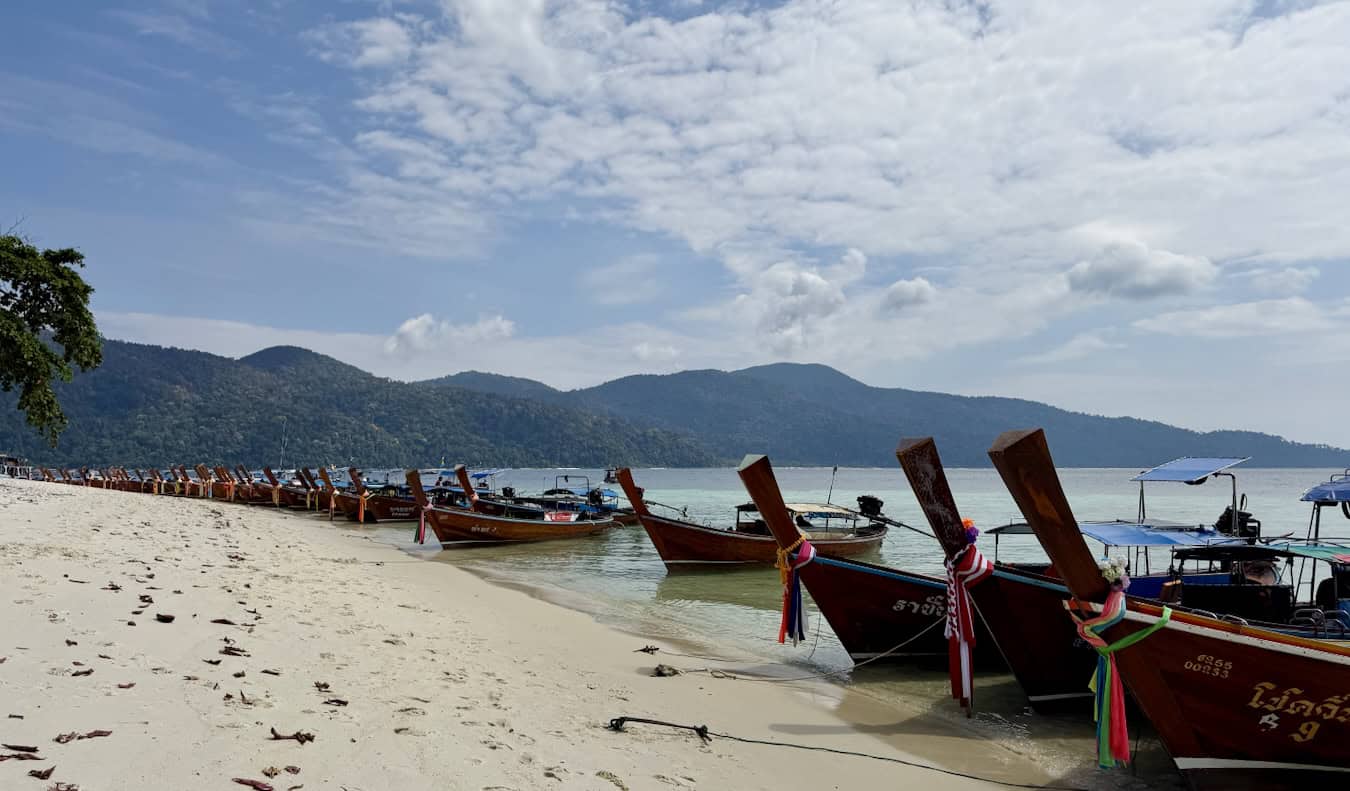
The transition toward high-density tourism began in earnest during the late 2000s and early 2010s. The introduction of regular high-speed ferry services from the mainland and nearby Langkawi, Malaysia, significantly increased the volume of arrivals. This accessibility catalyzed a construction boom. By 2024, the former dirt paths had been replaced by concrete roads designed to accommodate motorized vehicles and construction equipment. The landscape, once dominated by dense palm groves and coastal vegetation, is now characterized by a high concentration of resorts, boutique hotels, and a "Walking Street" lined with international restaurants and commercial retail outlets.
Infrastructure Strain and Resource Depletion
The rapid expansion of Ko Lipe’s built environment has outpaced the island’s natural carrying capacity. One of the most pressing issues is the management of water resources. Ko Lipe possesses no significant natural freshwater supply, yet the proliferation of high-end resorts—many featuring private swimming pools—has led to an exponential increase in water demand. This has necessitated the use of energy-intensive desalination plants and the transport of freshwater from the mainland, both of which carry a high carbon footprint and increase the cost of living on the island.
Waste management presents a secondary, equally critical challenge. As a small island within the Tarutao National Marine Park, the logistical difficulty of removing solid waste is immense. The influx of thousands of tourists daily generates a volume of plastic and organic waste that frequently exceeds the capacity of local disposal systems. Furthermore, the lack of a centralized, island-wide sewage treatment facility has led to concerns regarding the runoff of untreated or partially treated wastewater into the surrounding sea, threatening the very marine life that attracts visitors to the region.
Environmental Degradation and Marine Impact
Ko Lipe is located within the boundaries of the Tarutao National Marine Park, an area theoretically protected by Thai federal law. However, the environmental reality on the ground suggests a significant disconnect between policy and practice. The coral reefs surrounding the island, once among the most vibrant in Southeast Asia, are showing signs of severe distress.
Several factors contribute to this ecological decline:
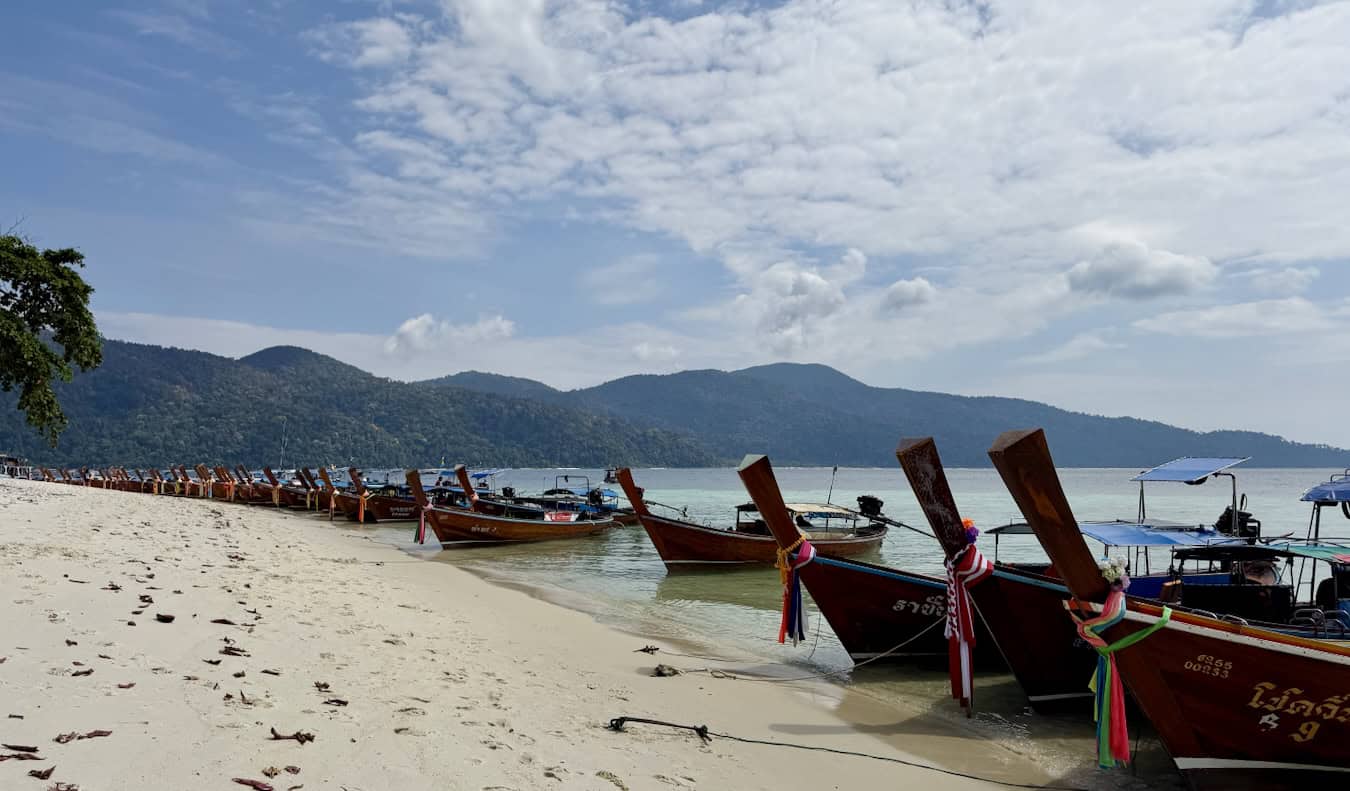
- Boat Traffic: The sheer volume of longtail boats and speedboats required to transport tourists and supplies has led to physical damage from anchors and increased water turbidity.
- Pollution: Hydrocarbon runoff from boat engines creates visible films on the water’s surface, while chemical runoff from sunscreens and cleaning agents contributes to coral bleaching.
- Overfishing: To satisfy the culinary demands of the tourism sector, local fish stocks are under continuous pressure, disrupting the delicate balance of the reef ecosystem.
- Rising Sea Temperatures: Like much of the Andaman Sea, Ko Lipe’s reefs are vulnerable to global climate trends, but local stressors significantly reduce the corals’ ability to recover from thermal stress events.
Oceanographic surveys in the region have indicated that while some offshore sites remain healthy, the "house reefs" directly accessible from Ko Lipe’s beaches have seen a marked reduction in biodiversity and live coral cover over the last 19 years.
Socio-Economic Shifts and Local Displacement
The "boom" in Ko Lipe’s tourism has not yielded equitable benefits for all residents. Historically, the Urak Lawoi people held customary land rights on the island. However, as land values plummeted and then skyrocketed with the arrival of developers, many indigenous families were pressured or incentivized to sell their ancestral plots. This has led to a geographic and economic displacement, where much of the island’s prime real estate is now owned by mainland corporations or international investors.
The labor market has also shifted. A significant portion of the current workforce on Ko Lipe consists of seasonal migrants from the Thai mainland or neighboring countries. While tourism provides jobs, the high cost of goods on the island—driven by the need to import almost all supplies—means that real wages for service workers remain low. The traditional culture of the Urak Lawoi has been largely marginalized or commodified for tourist performances, leading to a loss of the social fabric that defined the island in previous decades.
Comparative Analysis: The "Phi Phi Model" of Development
Industry analysts often point to Ko Lipe as the latest victim of the "Phi Phi model." This refers to a pattern of development seen on Ko Phi Phi Don, where a lack of zoning regulations and a "growth at all costs" mentality led to extreme overtourism, environmental collapse, and the eventual forced closure of Maya Bay for several years to allow for ecological recovery.
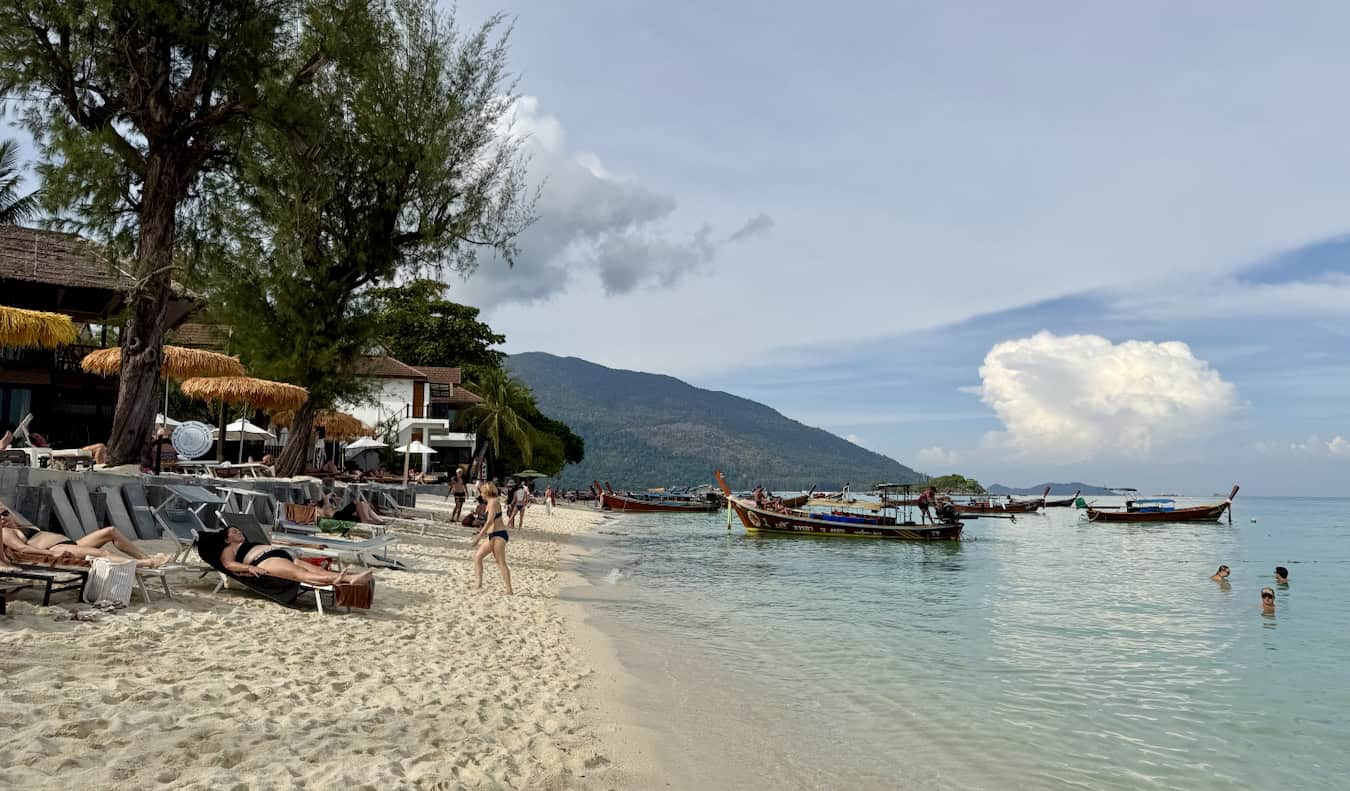
Unlike Ko Lanta or Ko Jum, which have maintained a more balanced approach to growth through larger landmasses and more diverse economies, Ko Lipe’s small size (approximately 2 square kilometers) makes it uniquely vulnerable. The high density of development leaves no "buffer zones" for nature, meaning that every new resort directly impacts the island’s total ecological health.
Official Responses and Regulatory Frameworks
The Thai Ministry of Tourism and Sports, along with the Department of National Parks, Wildlife and Plant Conservation (DNP), has faced increasing pressure to intervene. In recent years, the DNP has implemented stricter controls on the number of visitors allowed into certain zones of the Tarutao National Marine Park and has increased entrance fees to fund conservation efforts.
However, enforcement remains a challenge. Local administrative bodies often prioritize immediate economic revenue from tourism over long-term environmental sustainability. There are ongoing debates within the Thai government regarding the implementation of a "carrying capacity" limit for Ko Lipe, similar to the quotas now in place for the Similan Islands. Proponents argue this is the only way to save the island’s remaining natural assets, while business owners express concern over the potential loss of income.
Broader Implications for Southeast Asian Tourism
The situation in Ko Lipe reflects a broader trend across Southeast Asia, where "overtourism" is forcing a re-evaluation of national strategies. From the temporary closure of Boracay in the Philippines to the restricted access to Komodo Island in Indonesia, governments are beginning to recognize that the unregulated exploitation of natural resources is a self-limiting economic strategy.
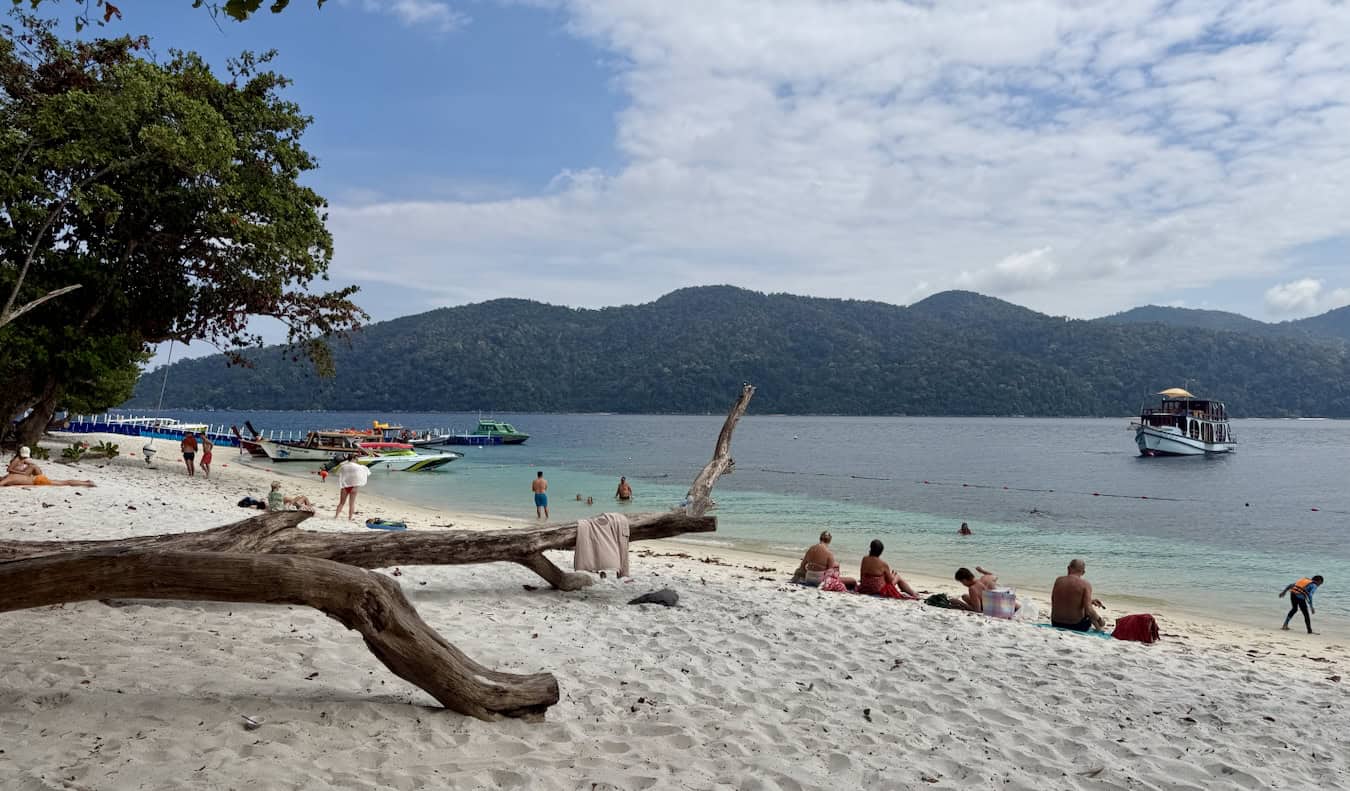
For travelers, the transformation of Ko Lipe highlights a growing ethical dilemma. While the island remains visually stunning to first-time visitors—boasting azure waters and white sands—long-term observers and environmentalists argue that the current pace of consumption is unsustainable. The shift in consumer behavior toward "eco-tourism" and "slow travel" has led many to seek out alternative destinations such as Ko Mook or Ko Libong, which offer a more authentic and less congested experience.
Future Outlook: Can the Trend Be Reversed?
The "genie is out of the bottle" regarding Ko Lipe’s development. With massive capital already invested in concrete infrastructure and luxury resorts, a return to the "sleepy paradise" of 2006 is impossible. However, experts suggest that a transition to a more sustainable "managed growth" model is still viable if immediate action is taken.
Required measures include:
- Centralized Infrastructure: Developing island-wide sewage and waste-to-energy systems to minimize the environmental footprint.
- Stricter Zoning: Halting new construction permits to prevent further encroachment on remaining green spaces.
- Marine Protection Zones: Establishing "no-anchor" and "no-fishing" zones directly around the island to allow reefs to regenerate.
- Empowering Local Communities: Ensuring that the Urak Lawoi have a formal role in the governance of the island’s tourism and land use.
In conclusion, Ko Lipe stands at a crossroads. While it continues to be a major revenue generator for the Thai tourism industry, the environmental and social costs of its rapid ascent are becoming impossible to ignore. The island serves as a stark reminder that without proactive management, the very beauty that draws the world to Thailand’s shores may eventually be its undoing. The choices made by policymakers and travelers alike in the coming years will determine whether Ko Lipe remains a viable destination or becomes a cautionary tale of paradise lost to progress.




 Anjar Salim
 Chandra Hamzah
 Tatiana Tantri Indah Sari
 Budi Mulyono
 Lukman Taruna Persada Ramadan
