
 Anjar Salim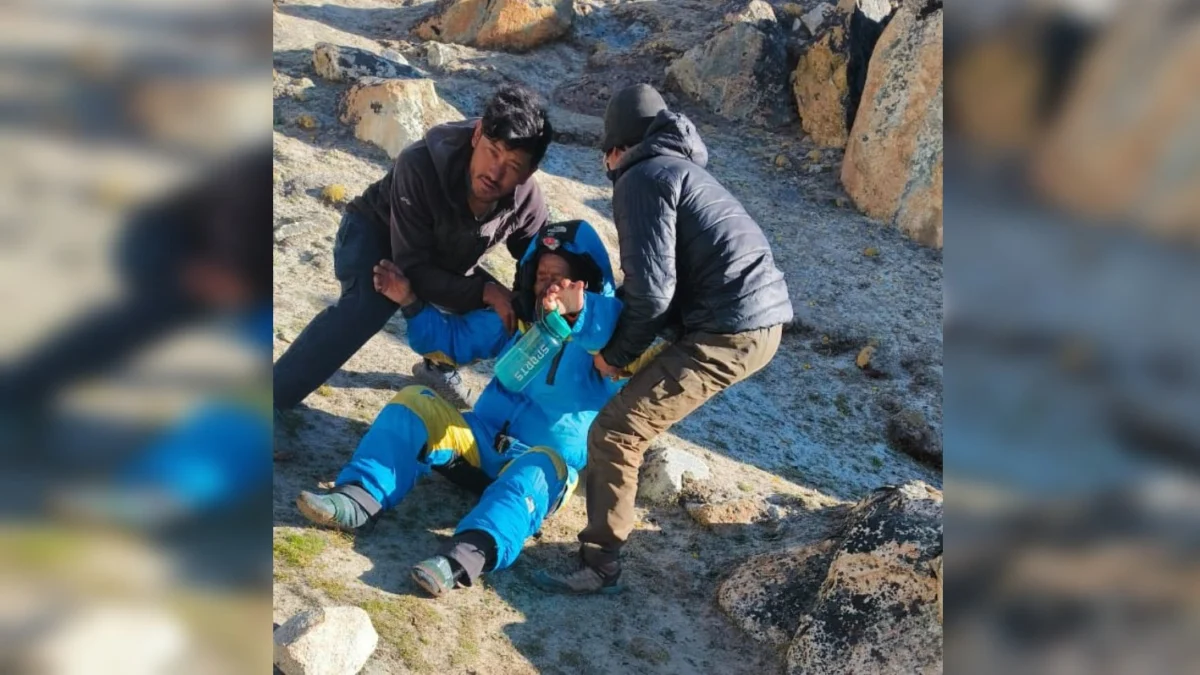
The global mountaineering community is reeling from the unprecedented survival of Hillary Dawa Sherpa, a 52-year-old Nepali guide who reappeared alive near Mount Everest Base Camp on June 4, 2026, six days after being reported missing at 25,000 feet. The veteran Sherpa, who survived nearly a week without supplemental oxygen, food, or water in the mountain’s "Death Zone," was discovered by workers from the Sagarmatha Pollution Control Committee (SPCC) as he crawled across the jagged ice and rock at the foot of the Khumbu Icefall. His self-rescue is being hailed as one of the greatest feats of survival in the history of Himalayan climbing, yet the circumstances surrounding his disappearance have ignited a fierce debate over safety standards, the treatment of local staff, and the ethics of high-altitude commercial expeditions.
The Discovery and Physical Condition of Hillary Dawa
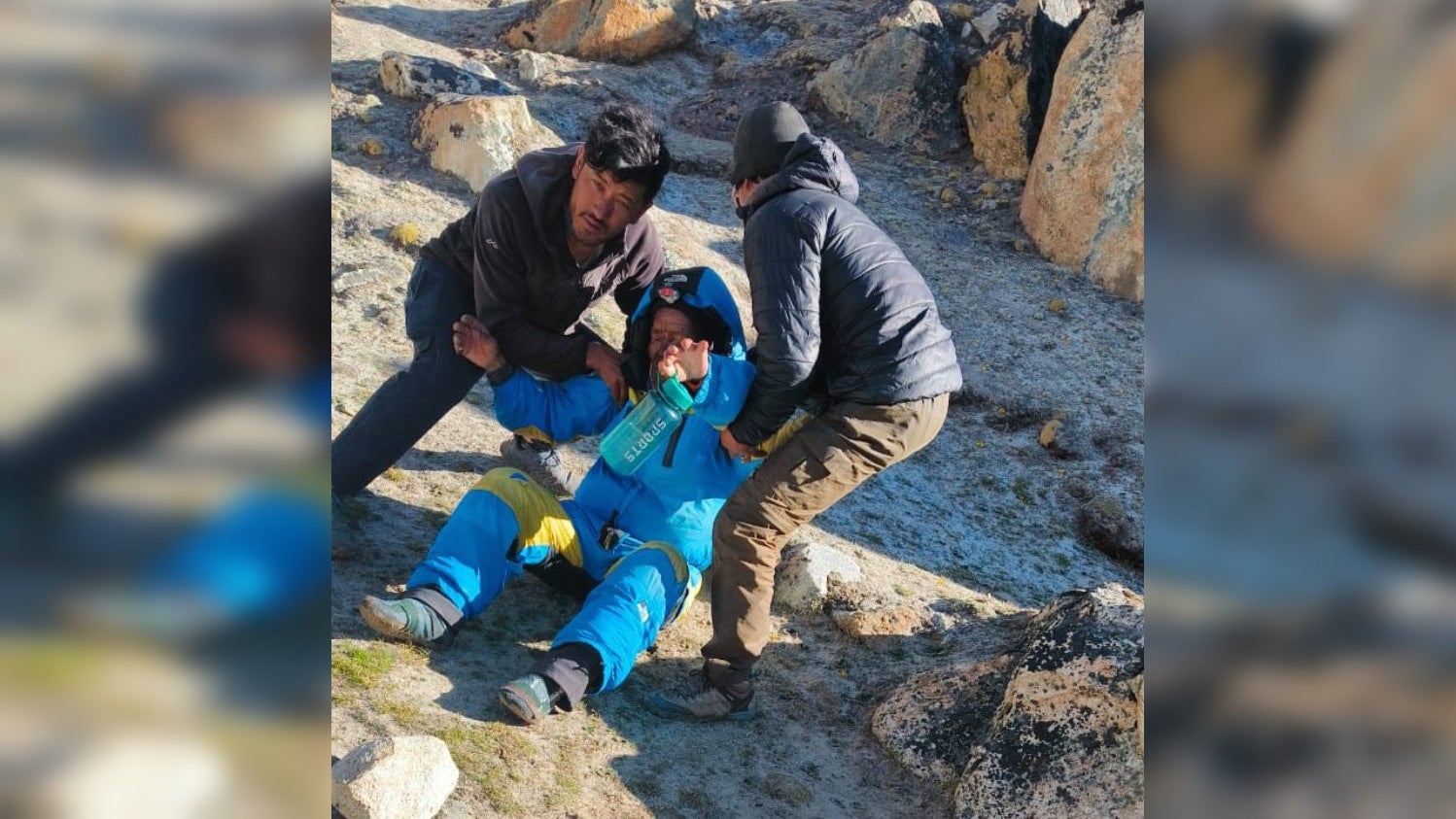
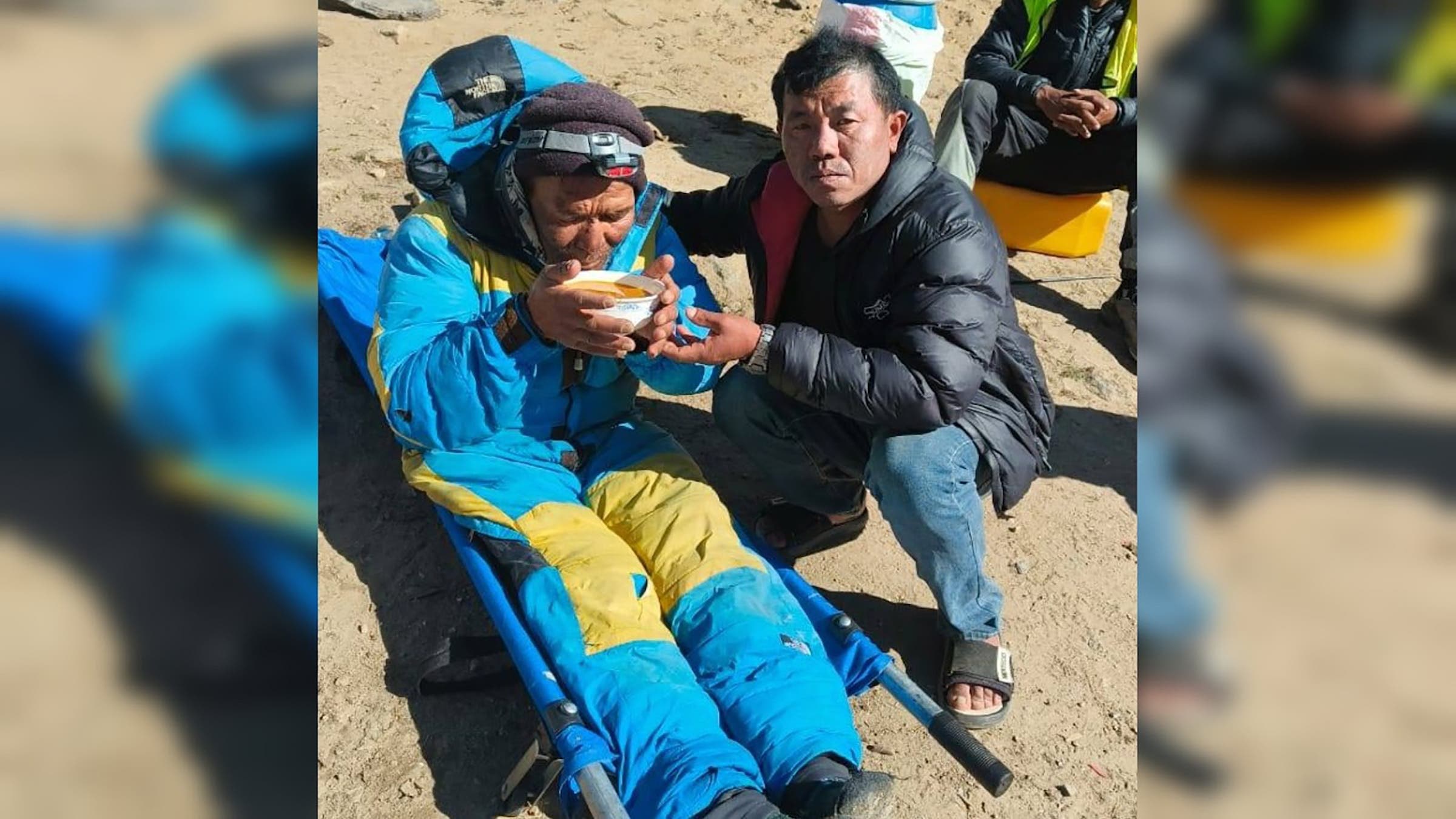
On the morning of June 4, Hillary Dawa Sherpa was spotted moving slowly through the debris of the Khumbu Icefall, a treacherous river of ice that sits at approximately 17,500 feet. When rescuers reached him, they found a man who had effectively descended nearly 8,000 vertical feet alone while suffering from the debilitating effects of extreme altitude. Clad in the same blue and yellow summit suit he wore when he was last seen on May 29, Hillary Dawa was reportedly in a state of advanced physical collapse.
Witnesses described him as being in a state of semi-consciousness, suffering from severe frostbite on his extremities and total exhaustion. Despite these injuries, he had managed to navigate the most dangerous section of the mountain—the Khumbu Icefall—without assistance. Lakpa Sherpa, the director of 8K Expeditions, characterized the event as defying the known limits of human physiology. "Dawa’s ability to self-rescue and get to safety is one of the most incredible things we’ve ever seen on Mount Everest," Lakpa stated. Following his discovery, Hillary Dawa was provided with immediate hydration and nutrition before being evacuated to the village of Gorak Shep and subsequently airlifted to HAMS Hospital in Kathmandu for specialized treatment.
A Chronology of the Disappearance
The timeline of Hillary Dawa’s ordeal began on May 29, 2026, during a descent from the upper reaches of Mount Everest. Hillary Dawa was working for Himalayan Traverse Adventures, a smaller Nepali outfitter. He had been accompanying a Polish client toward the summit, but the pair turned back before reaching the peak due to deteriorating conditions or fatigue.
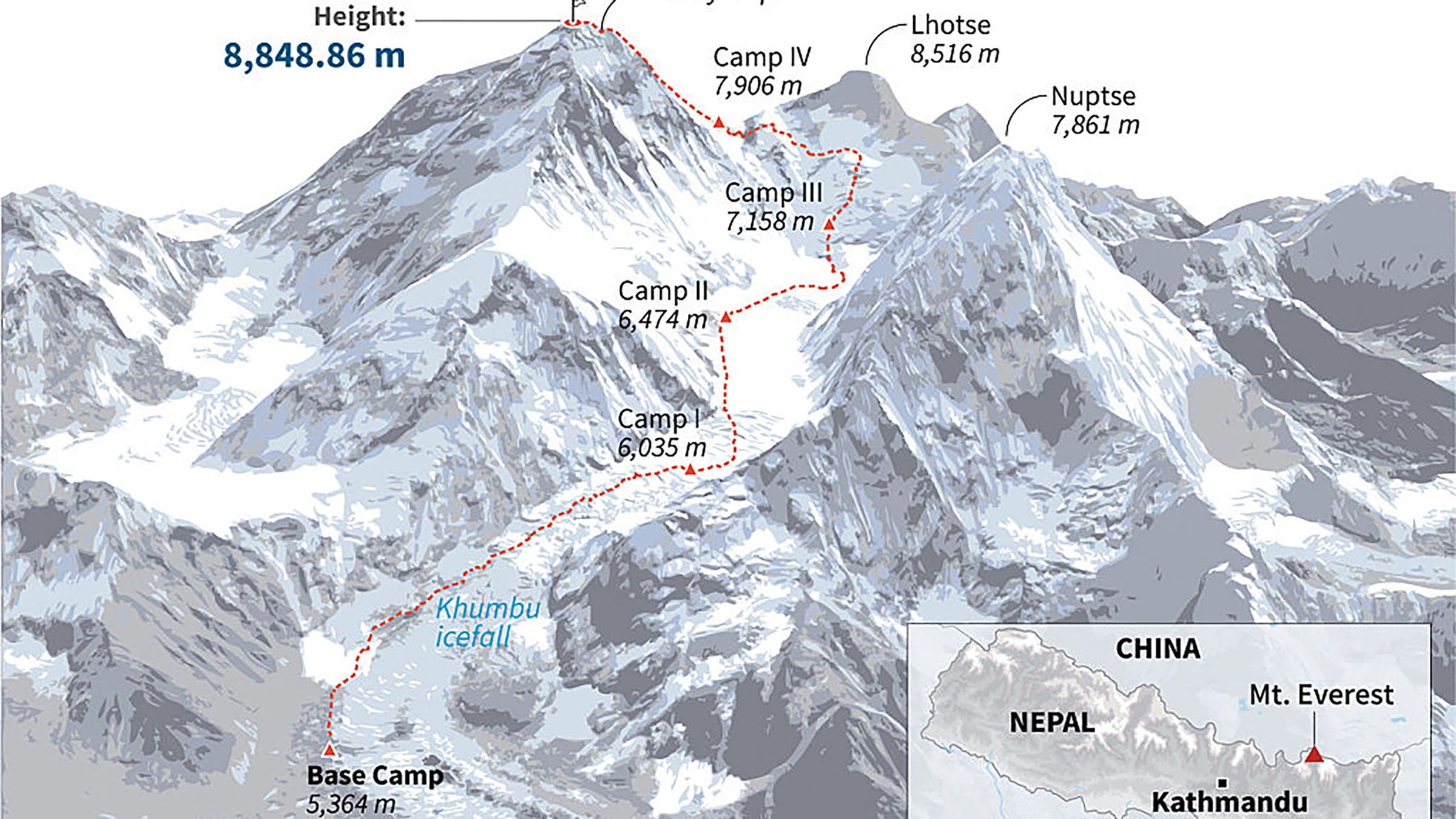
As they descended toward Camp IV, located at the South Col (26,000 feet), they were joined by British climber Chris Thrall. At approximately 25,000 feet, Hillary Dawa, burdened by a heavy pack and the cumulative toll of the ascent, stopped to rest on a rock. According to Thrall, the Sherpa appeared fatigued but lucid. When Thrall checked on him, Hillary Dawa insisted the clients continue their descent, stating, "Yes, yes, I’m fine, Chris. Please go."
Thrall and the Polish climber continued down, eventually reaching Camp III (23,300 feet) and then Camp II (21,000 feet). Looking back from a lower vantage point, Thrall reported seeing Hillary Dawa still sitting on the rock. This was the last confirmed sighting of the Sherpa for six days. By the time the clients reached Camp II, they alerted Himalayan Traverse Adventures staff that Hillary Dawa had not followed them down.
Physiological Context: Surviving the Death Zone
To understand the magnitude of Hillary Dawa’s survival, one must consider the physiological environment of Mount Everest above 24,000 feet. This region is known as the "Death Zone" because the atmospheric pressure is so low that there is insufficient oxygen for human life to be sustained over the long term. Most climbers utilize supplemental oxygen to prevent High Altitude Cerebral Edema (HACE) and High Altitude Pulmonary Edema (HAPE), both of which are often fatal.
Hillary Dawa survived six days in this environment without a tent, sleeping bag, or stove to melt snow for water. Dehydration at high altitude accelerates the onset of frostbite as the blood thickens and the body prioritizes core temperature over blood flow to the extremities. Experts suggest that Hillary Dawa likely entered a state of "survival hibernation," where his body’s metabolism slowed significantly, though his ability to maintain the mental clarity required to navigate the Khumbu Icefall—a labyrinth of shifting seracs and bottomless crevasses—remains unexplained by current medical understanding.
Institutional Failure and the Rescue Delay
While the story is one of personal triumph, it has exposed significant lapses in the management of the expedition. Records indicate that Hillary Dawa was not originally hired as a high-altitude climbing Sherpa. Instead, he was contracted as a cook for Camp II. The transition from a kitchen role at 21,000 feet to a guiding role at 28,000 feet is a point of major contention.
Billi Bierling, director of The Himalayan Database, expressed concern over this shift in responsibilities. "Sherpas are strong, but this man was not supposed to be a climbing Sherpa; he was the Camp II cook," Bierling told Outside. She noted that Hillary Dawa was tasked with looking after two relatively inexperienced climbers, a responsibility that may have exceeded his training and physical preparation for that specific season.
Furthermore, the delay in the rescue mission has drawn sharp criticism. Although Hillary Dawa went missing on May 29 and reports reached Base Camp by May 30, a dedicated search flight was not organized until June 2. This mission was initiated not by his direct employer, Himalayan Traverse Adventures, but by 8K Expeditions after Hillary Dawa’s family pleaded for help. Lakpa Sherpa of 8K Expeditions alleged that Himalayan Traverse Adventures failed to even notify his company—which held the climbing licenses for the team—that a staff member was missing.
Industry Reactions and the Ethics of Guiding
The disparity between the rescue efforts for Western clients versus Nepali staff has become a focal point of the aftermath. Mingmar Dhondup Sherpa, a veteran rope-fixer, noted that a Western climber in a similar position would have likely triggered an immediate, massive mobilization of resources. "They only searched for him after five days," he remarked. "If it was a Western climber, they would have mobilized immediately."
Lukas Furtenbach, founder of Furtenbach Adventures, echoed these sentiments, calling for a universal standard of care on the mountain. "Nobody—client, guide, or Sherpa—should ever be left behind on a mountain," Furtenbach stated. He emphasized that Sherpas are not "superhuman" and are susceptible to the same high-altitude ailments as their clients, despite their genetic adaptations to altitude.
The incident has also highlighted the risks associated with smaller, budget-friendly outfitters that may lack the infrastructure, communication equipment, or reserve staff to handle emergencies. Himalayan Traverse Adventures has not yet responded to inquiries regarding their safety protocols or the decision to utilize a camp cook as a high-altitude guide.
Broader Implications for Everest Management
The survival of Hillary Dawa Sherpa is expected to prompt a review of the regulations governing the 2027 climbing season. Potential reforms being discussed among stakeholders include:
- Role Verification: Stricter enforcement of the roles specified in climbing permits to ensure that staff hired as cooks or porters are not being pressured into high-altitude guiding roles without proper certification and insurance coverage.
- Mandatory Tracking: The requirement for all personnel—not just clients—to carry GPS tracking devices while above Base Camp.
- Communication Protocols: Establishing a mandatory 24-hour reporting window for missing persons, overseen by the Nepal Department of Tourism, to prevent delays caused by internal company mismanagement.
- Insurance Reform: Increasing the mandatory insurance payouts for Nepali staff to ensure that helicopter rescues can be launched instantly without waiting for family or third-party guarantees.
Billi Bierling pointed out that the current trend of "client-heavy" expeditions puts an unsustainable burden on Sherpas. "A lot of clients expect the Sherpas to look after them, and when something goes wrong with the Sherpa, often the clients are not able to help," she said.
A Miracle Amidst the Clouds
As Hillary Dawa Sherpa recovers in Kathmandu, his story remains a rare bright spot in a season often marked by tragedy. Norwegian climber Kristin Harila, a record-holder in high-altitude mountaineering, called the news "fantastic," suggesting it serves as a reminder to never abandon hope during rescue operations.
However, the "miracle" at 25,000 feet serves as a cautionary tale for the Himalayan climbing industry. While Hillary Dawa’s physical resilience saved his life, the systemic failures that left him alone in the Death Zone for six days suggest that the infrastructure of Everest expeditions remains fragile. As the mountain becomes more crowded and the "gig economy" of guiding expands, the line between a successful summit and a fatal disappearance continues to thin, leaving the lives of the mountain’s most essential workers hanging in the balance.



 Chandra Hamzah
 Tatiana Tantri Indah Sari
 Budi Mulyono
