
 Anjar Salim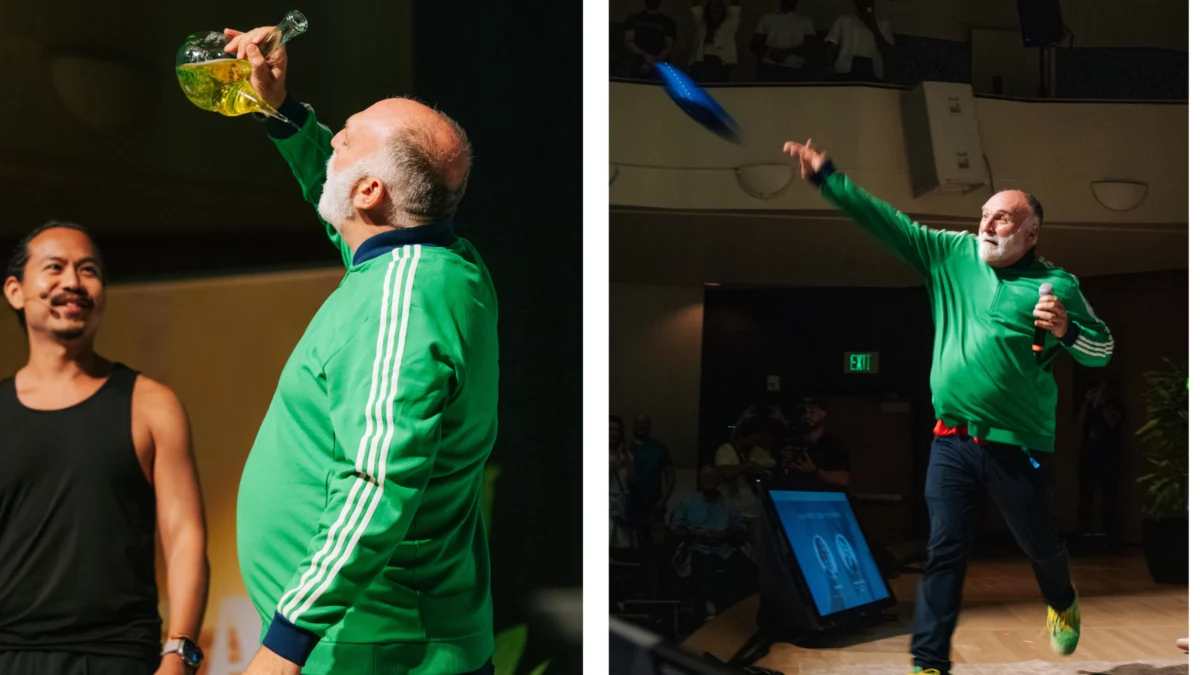
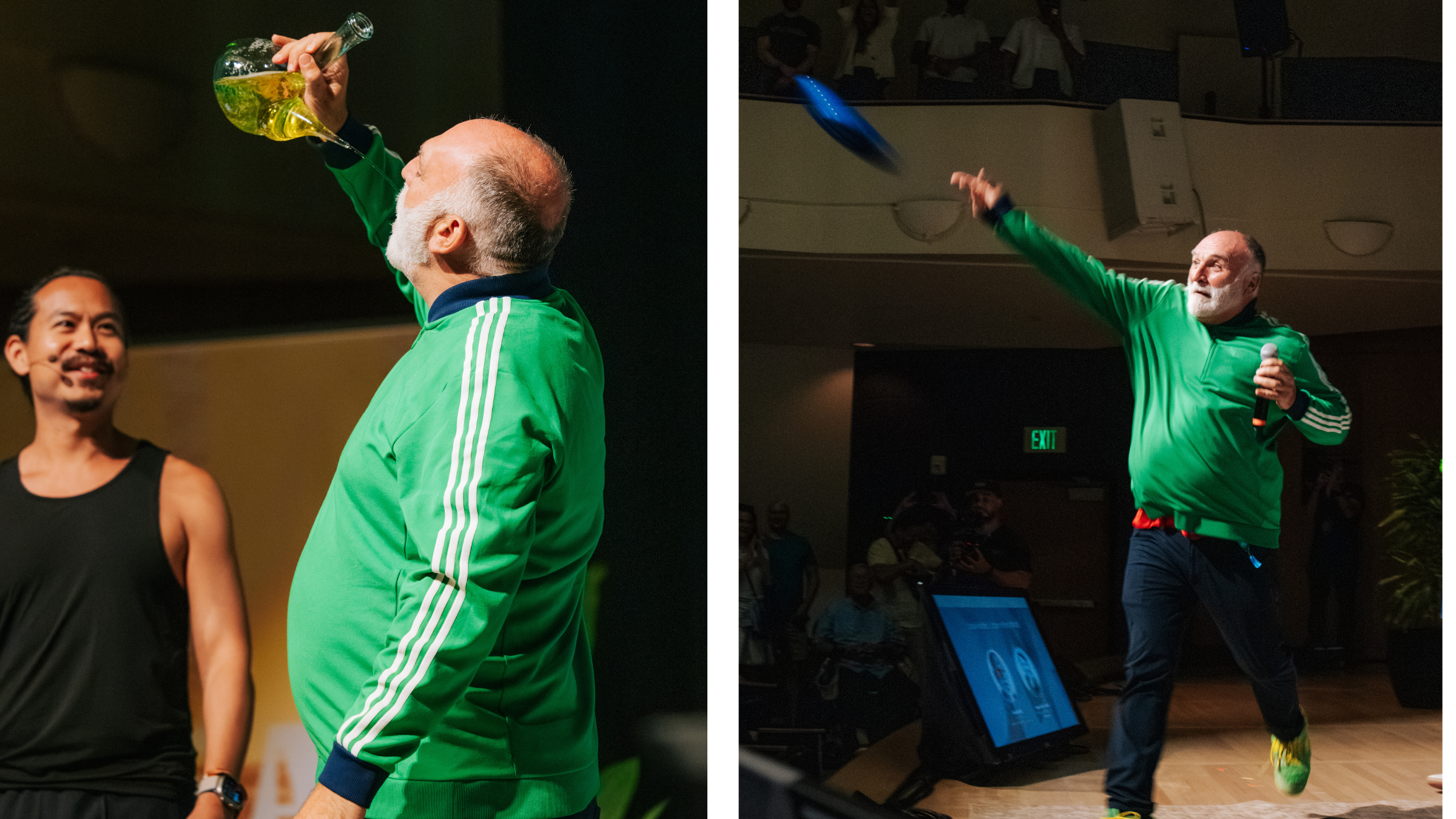
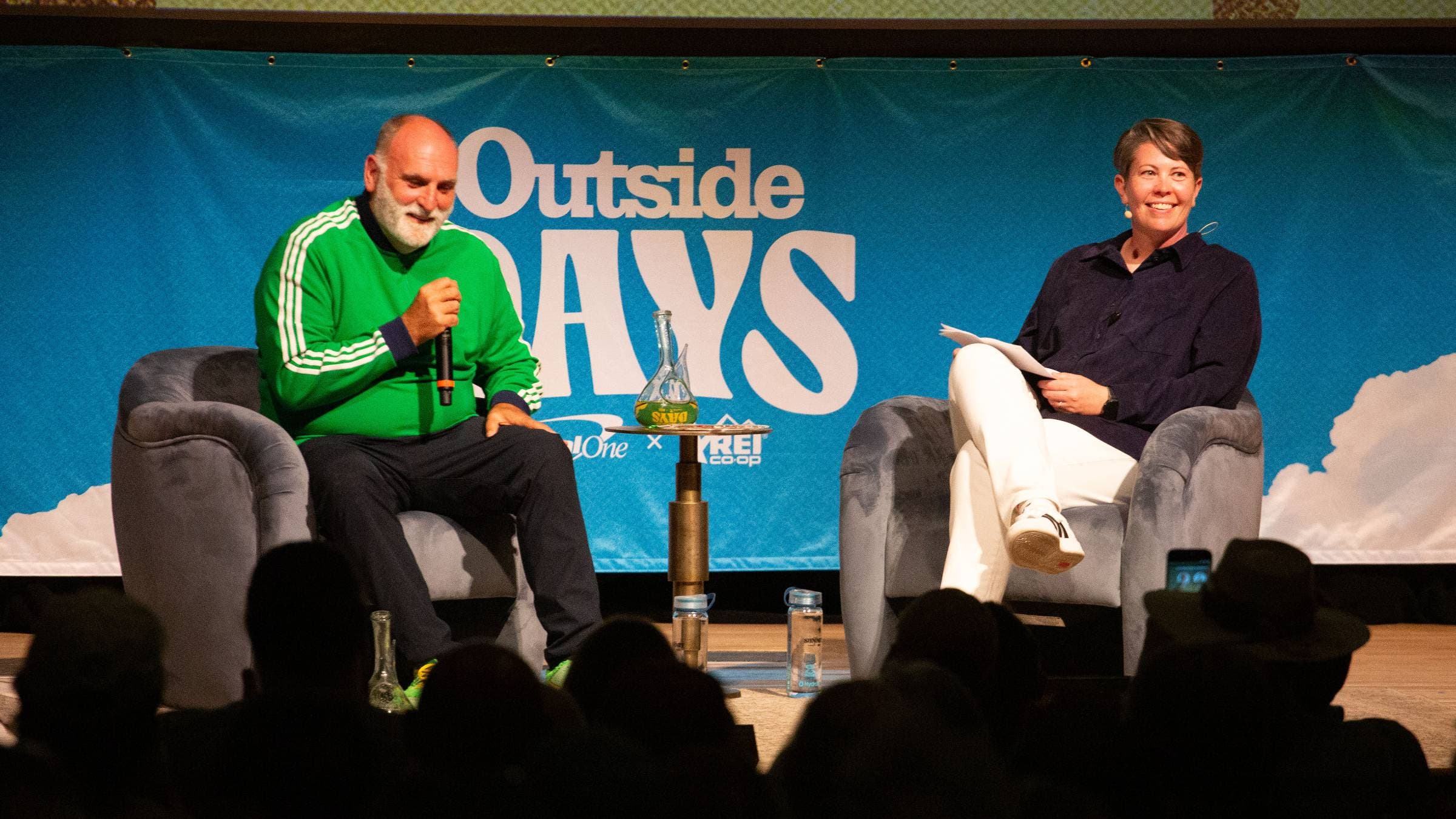
The intersection of culinary excellence, global activism, and the restorative power of nature took center stage on June 4, 2026, as James Beard Award-winning chef and Nobel Peace Prize nominee José Andrés addressed a capacity audience at the Outside Days festival. Speaking from the event held in late May, Andrés utilized his platform to detail the symbiotic relationship between his Spanish heritage, his extensive travels, and his mission to provide food security in disaster-stricken regions through his nonprofit, World Central Kitchen (WCK). The presentation, moderated by Mary-Frances Heck, Vice President of Media at Outside, served as both a retrospective of Andrés’s storied career and a forward-looking manifesto on the humanitarian responsibilities of the global community.
A Pilgrimage of Reflection and Action
The discussion opened with a focus on Andrés’s recent journey along the Camino de Santiago, the historic network of pilgrims’ ways leading to the shrine of the apostle Saint James the Great in the Cathedral of Santiago de Compostela in Galicia, Spain. Walking the route to commemorate his 30th wedding anniversary with his wife, Patricia, Andrés used the experience to bridge the gap between personal reflection and professional urgency. Even while traversing the sacred path, Andrés remained actively engaged with World Central Kitchen’s operations, specifically managing relief efforts in Gaza via satellite communication.
The Camino de Santiago has seen a significant resurgence in the 21st century, with the Pilgrim’s Office in Santiago reporting over 440,000 "Compostela" certificates issued in 2023 alone. For Andrés, the walk is an annual necessity rather than a singular event. He characterized the journey not as an escape from the complexities of global crises, but as a vital mechanism for processing them. During the trek, he famously prepared an impromptu three-course meal for fellow pilgrims using trail-side resources, illustrating his belief that the act of cooking is a universal language of connection and sustenance.
The Formative Influence of the Spanish Navy
Central to the narrative of Andrés’s development is his tenure in the Spanish Navy, a period he identifies as the catalyst for his "traveler" identity. At age 18, Andrés served aboard the Juan Sebastián de Elcano, a four-masted topsail schooner and the third-largest tall ship in the world. Originally slated for a stationary assignment cooking for a high-ranking admiral, Andrés lobbied for a position at sea, a decision he credits with shaping his worldview.
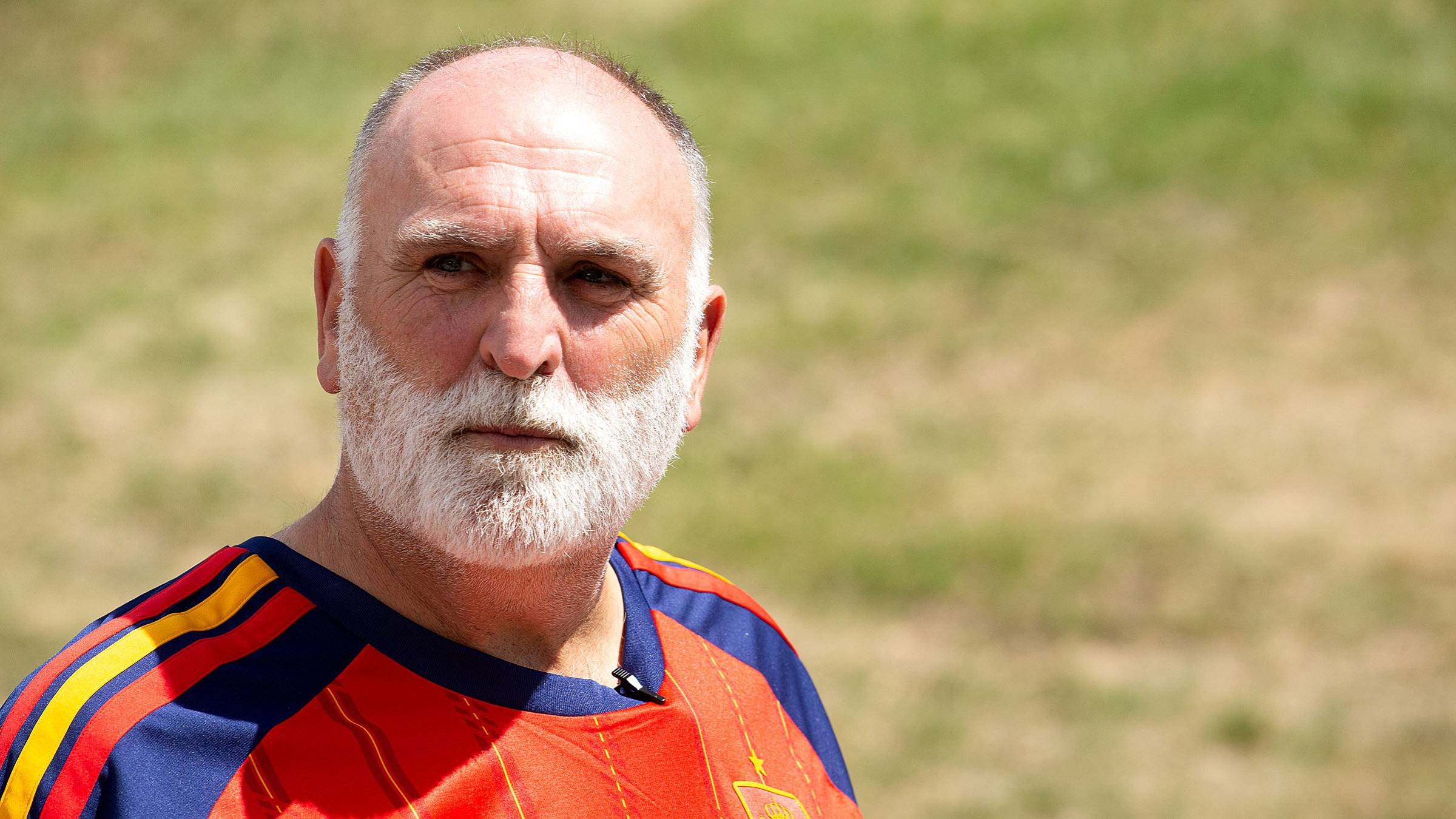
"When you want something, knock on the door. If the door isn’t open, jump through the window," Andrés told the Outside Days audience, emphasizing the importance of personal agency. His time on the Elcano brought him to the Americas for the first time, docking in New York City just blocks from where he would eventually establish Mercado Little Spain, his 35,000-square-foot culinary hall. This period of his life provided more than just geographical exposure; it offered a masterclass in logistics and collective effort. Andrés noted that the experience of 300 crew members working in unison against adverse weather and unpredictable currents served as the foundational model for the rapid-response teams he now deploys to disaster zones.
The Evolution of World Central Kitchen and Disaster Relief Logistics
Since its founding in 2010 following the catastrophic 7.0-magnitude earthquake in Haiti, World Central Kitchen has fundamentally altered the landscape of humanitarian aid. While traditional aid organizations often focus on dry goods and long-term shelf-stable rations, Andrés’s model prioritizes "the urgency of now," providing freshly cooked, culturally appropriate meals.
To date, World Central Kitchen has served hundreds of millions of meals across the globe, responding to hurricanes, wildfires, and armed conflicts. During his talk, Andrés highlighted the economic and health-related nuances of food preparation in developing nations. In Haiti, for instance, many families spend upwards of 25% of their daily income on charcoal for cooking. This reliance on solid fuels contributes to significant deforestation and severe respiratory illnesses. According to World Health Organization (WHO) data, approximately 3.2 million people die prematurely each year from illnesses attributable to household air pollution caused by inefficient cooking practices. Andrés announced a long-term commitment to dedicating the next three decades of his life to the implementation of clean cookstoves in Haiti, viewing the transition from wood and charcoal to cleaner energy as a vital step in breaking the cycle of poverty.
Culinary Philosophy: The Sanctity of Time and the Four Elements
Andrés’s newest publication, Spain: My Way, served as a backdrop for a deeper discussion on the elemental nature of cooking. He argued that while "air, water, and fire" are the physical tools of the chef, "time" remains the most critical ingredient. This philosophy is best exemplified in the production of Jamón Ibérico, the premium cured ham from the Iberian pig.
The curing process for Jamón Ibérico is a multi-year endeavor that relies on the natural environment of the Spanish dehesa. The pigs are fattened on acorns (bellotas), and the meat is cured using the fluctuating mountain winds—the cold air from the north and the warm air from the south. Andrés used this example to illustrate the necessity of patience in a fast-paced world. "The most precious gift and ingredient is time," he stated, "because when we waste it, it is precious, and when we don’t, it’s precious because we are enjoying every second."
Scientific Curiosity and Celestial Interests
Andrés’s interests extend beyond the terrestrial, encompassing a fascination with astrophysics and space exploration. He recounted a 2022 collaboration with NASA and Axiom Space, where he developed a space-ready menu for the International Space Station (ISS). The goal was to provide a shared meal—Valencian paella—for American and Russian astronauts to foster camaraderie.
However, the experiment served as a lesson in the physics of microgravity. Without sufficient moisture to bind the grains, the rice dispersed throughout the cabin upon opening the container. Andrés joked that he told NASA officials he was simply "recreating the Big Bang." Despite the logistical hurdle, the initiative underscored his belief that food is a tool for diplomacy, even in low-earth orbit.
Looking ahead, Andrés confirmed his plans for the upcoming total solar eclipse on August 12, 2026. The path of totality for this event will pass directly over northern Spain. Andrés has secured a ten-room hotel in a high-probability clear-sky zone, specifically chosen for its proximity to renowned regional restaurants, further blending his passion for astronomy with his culinary pursuits.
The Outdoor Community as a Humanitarian Vanguard
In the concluding segment of his presentation, Andrés addressed the intrinsic link between outdoor enthusiasts and humanitarian values. He argued that individuals who spend time in nature—whether through trekking, scuba diving, or simple exploration—possess a unique understanding of the interconnectedness of humanity.
"The people you find in the outside world just enjoying nature itself are the people that are always on the side of humanity," Andrés observed. He suggested that the willingness to share space and resources in the wilderness translates directly to a willingness to support global relief efforts. He framed the enjoyment of nature not as an individualistic pursuit, but as a communal responsibility, stating that what is good for the individual must be good for the collective.
Analysis of Global Implications and Industry Response
The remarks made by Andrés at Outside Days 2026 reflect a broader shift in the culinary and outdoor industries toward integrated social responsibility. Analysts suggest that Andrés’s move to focus on clean cookstoves signals a transition for World Central Kitchen from immediate disaster response toward sustainable infrastructure development.
The outdoor industry has responded with increased interest in supporting these global initiatives. By framing food as a fundamental human right and cooking fire as a survival challenge for three billion people, Andrés has challenged the "gear-centric" focus of the outdoor market, urging a shift toward global equity. His call to action emphasizes that the "beauty of a campfire" is a luxury not afforded to those for whom fire is a source of respiratory disease and economic hardship.
As Andrés continues his work on the front lines of global crises and within the kitchens of his expanding restaurant empire, his message remains consistent: the destiny of a community is built on the strength of its team and its respect for the elements of time and nature. His presence at Outside Days 2026 served as a reminder that the world’s most celebrated chefs are no longer confined to the kitchen; they are increasingly serving as the architects of global resilience.




 Chandra Hamzah
 Tatiana Tantri Indah Sari
 Budi Mulyono
 Lukman Taruna Persada Ramadan