
 Anjar Salim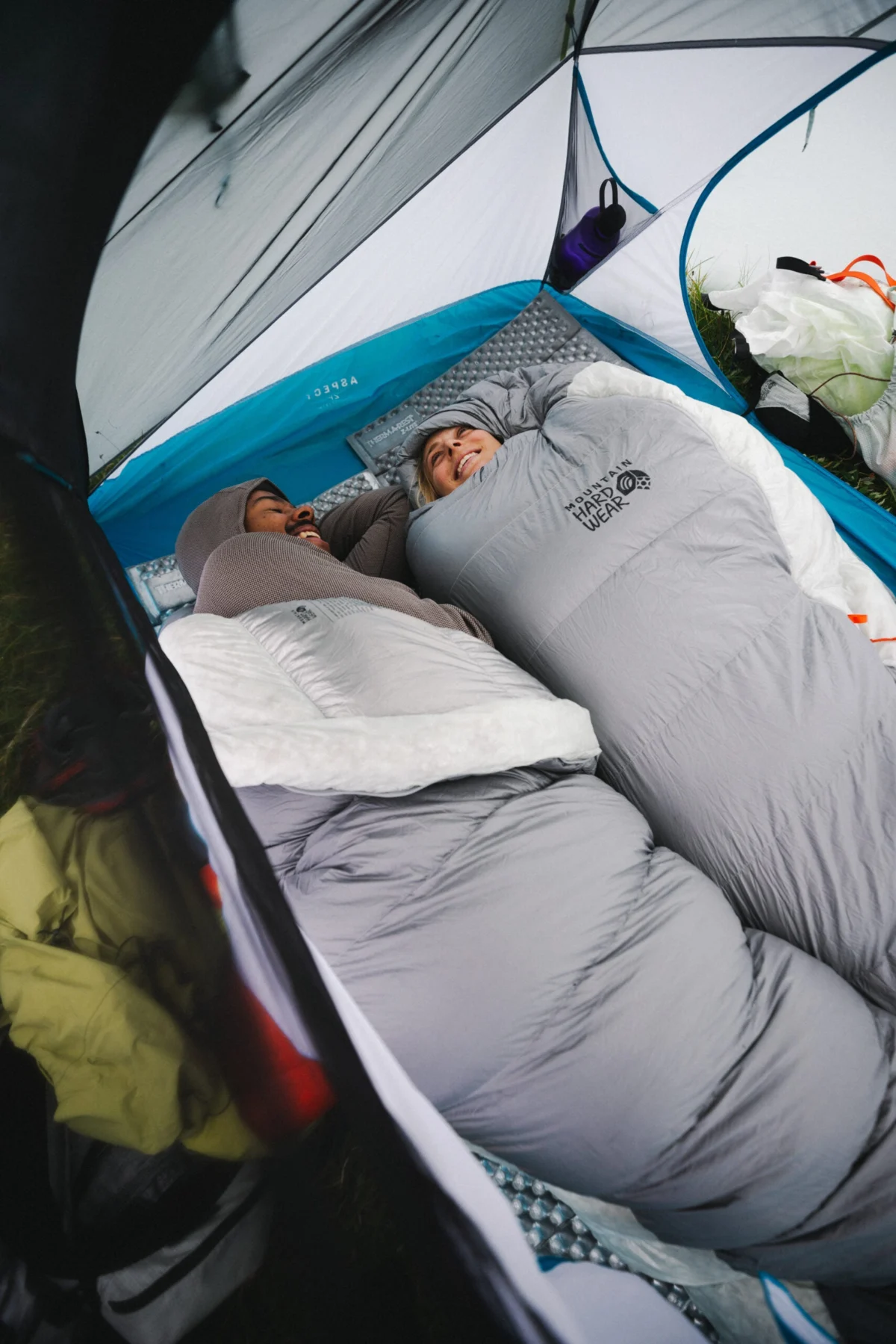
Mountain Hardwear, a veteran in the high-performance alpine equipment sector, has officially announced the launch of its Lightness of Being collection, a strategic pivot that aims to redefine the ultralight (UL) gear market through the integration of advanced material science and streamlined engineering. Released in June 2026, the collection represents the culmination of over three decades of mountaineering expertise, focusing on the premise that weight reduction does not necessitate a compromise in durability or user comfort. By utilizing cutting-edge textiles such as Aluula and proprietary technologies like Radiant Recovery, the Richmond-based company is positioning itself to capture a growing segment of the outdoor industry that demands "fast and light" performance without the fragility often associated with minimalist equipment.
A Strategic Shift in Ultralight Design Philosophy
The traditional "ultralight" movement, which gained significant traction in the early 2000s, often forced backpackers to choose between pack weight and gear longevity. Early UL gear frequently utilized thin silnylon or specialized films that, while light, were prone to punctures and lacked the structural integrity required for technical alpine environments. Mountain Hardwear’s approach, as detailed by Equipment and Accessory Design Director Ben Guthrie, shifts the focus from "removal" to "efficiency."
According to Guthrie, the design team viewed the Lightness of Being collection as an exercise in industrial optimization. Rather than simply stripping away features, the engineering team focused on simplifying patterns and reducing the number of individual parts. This "efficiency-first" model ensures that every gram of material serves a functional purpose, maintaining the brand’s reputation for dependable construction while meeting the rigorous weight requirements of modern thru-hikers and alpine climbers.
The Alakazam 45L: Integrating Aluula for Enhanced Durability
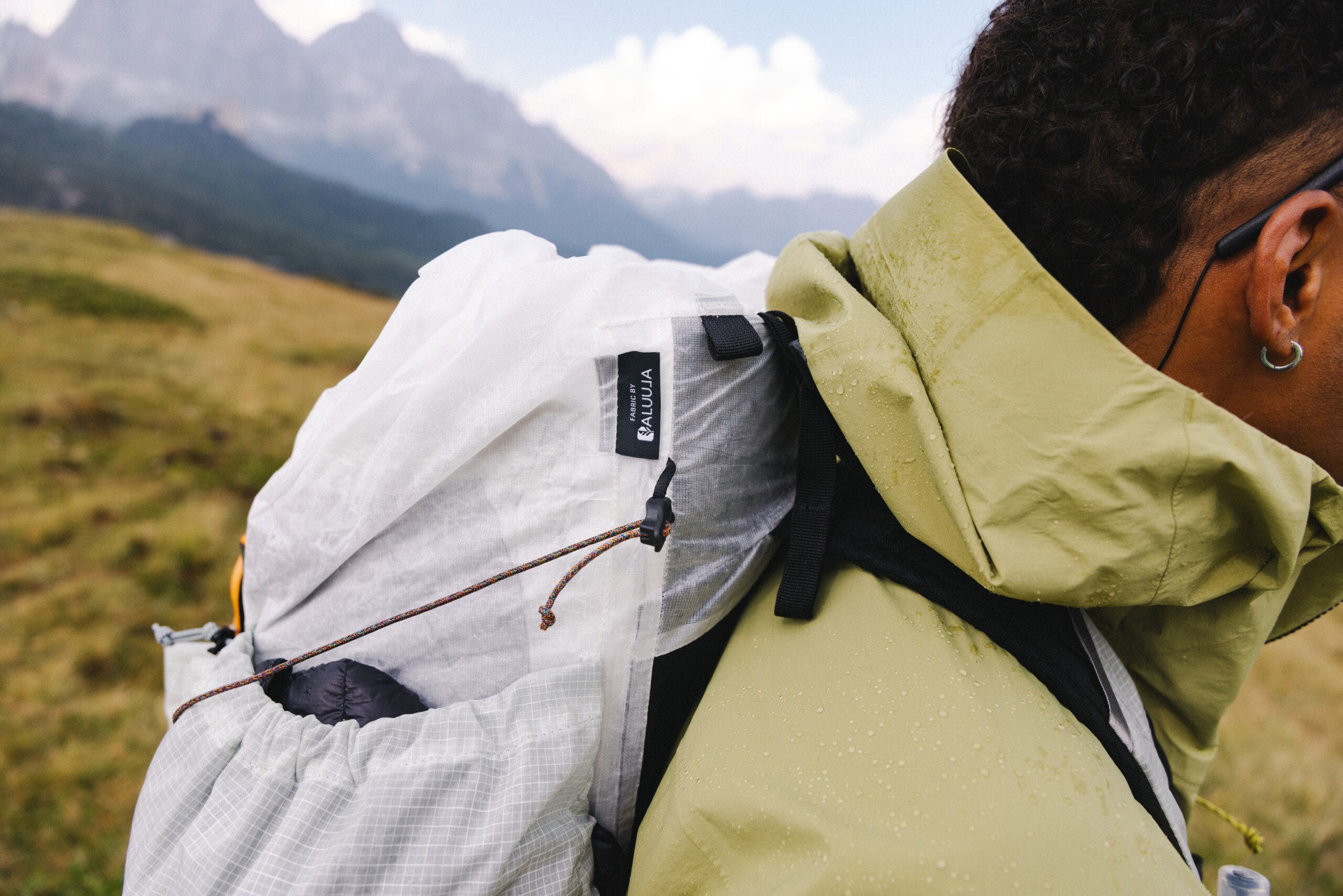
Central to the new collection is the Alakazam 45L backpack, a product that weighs in at under two pounds while maintaining a waterproof, ultra-strong chassis. The primary driver of this performance is the use of Aluula fabric, a high-tech composite material originally developed for the kiteboarding and sailing industries. Aluula is known for its exceptional strength-to-weight ratio and resistance to UV degradation and moisture absorption, making it an ideal candidate for high-exposure mountain environments.
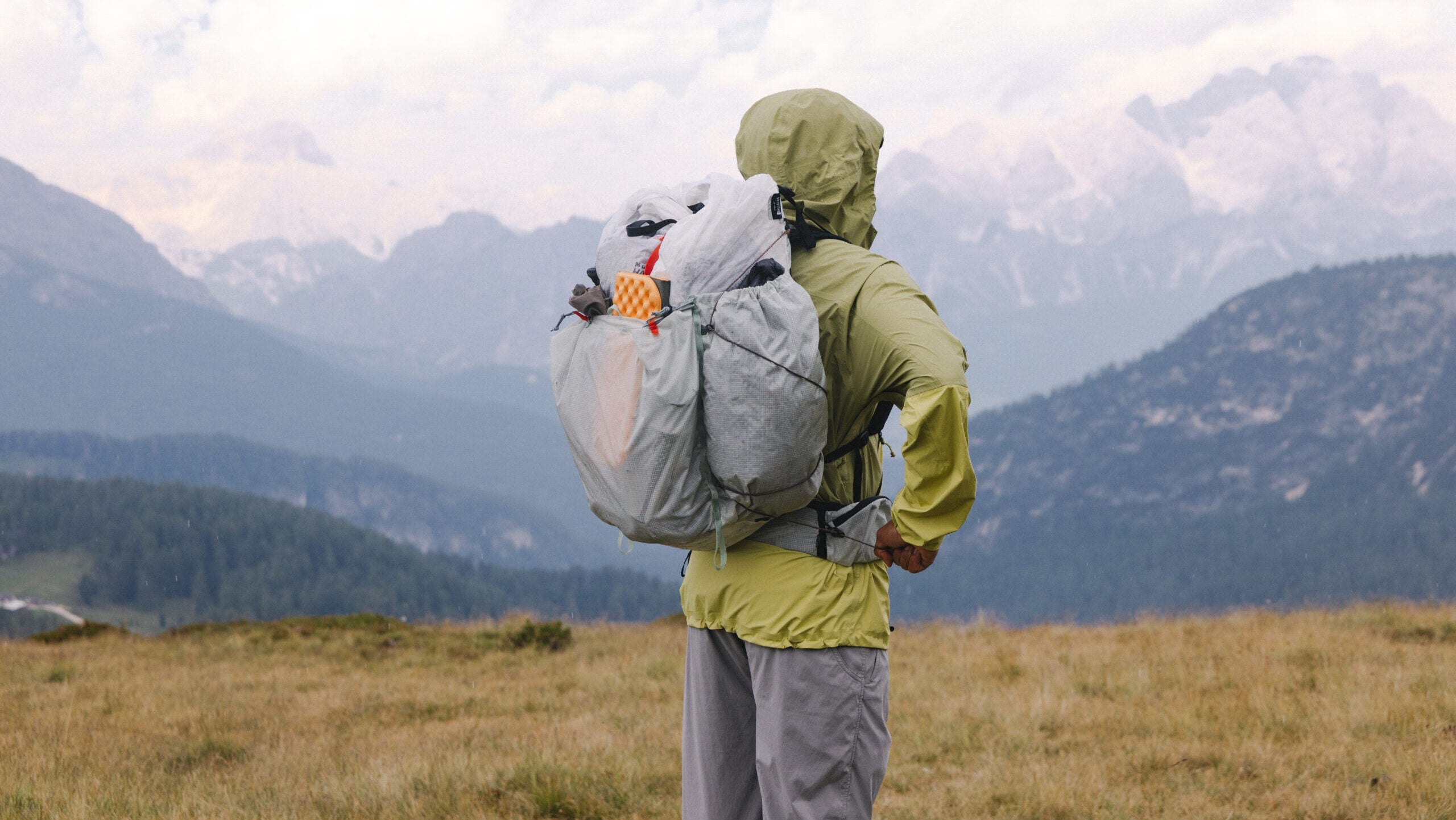
The development of the Alakazam involved an extensive R&D phase, characterized by multiple rounds of prototyping and field testing. Guthrie noted that the team had to develop new manufacturing techniques to work with the unique properties of the Aluula composite. Beyond the material, the pack features the "Gait Keeper" hipbelt, a mechanical design intended to mimic the natural motion of a hiker’s stride. By allowing the pack to move in sync with the body, Mountain Hardwear aims to reduce the fatigue caused by the static load-sway common in many ultralight packs.
Furthermore, the Alakazam introduces the "Giddy Up" compression system. This modular system allows users to reroute or remove compression straps based on their specific needs for a given trip. The system can be attached directly to the hipbelt to stabilize heavier loads or detached to allow for greater hip mobility during technical scrambles, offering a level of versatility rarely seen in the sub-two-pound category.
Thermal Engineering and the Ghoul Sleeping Bag
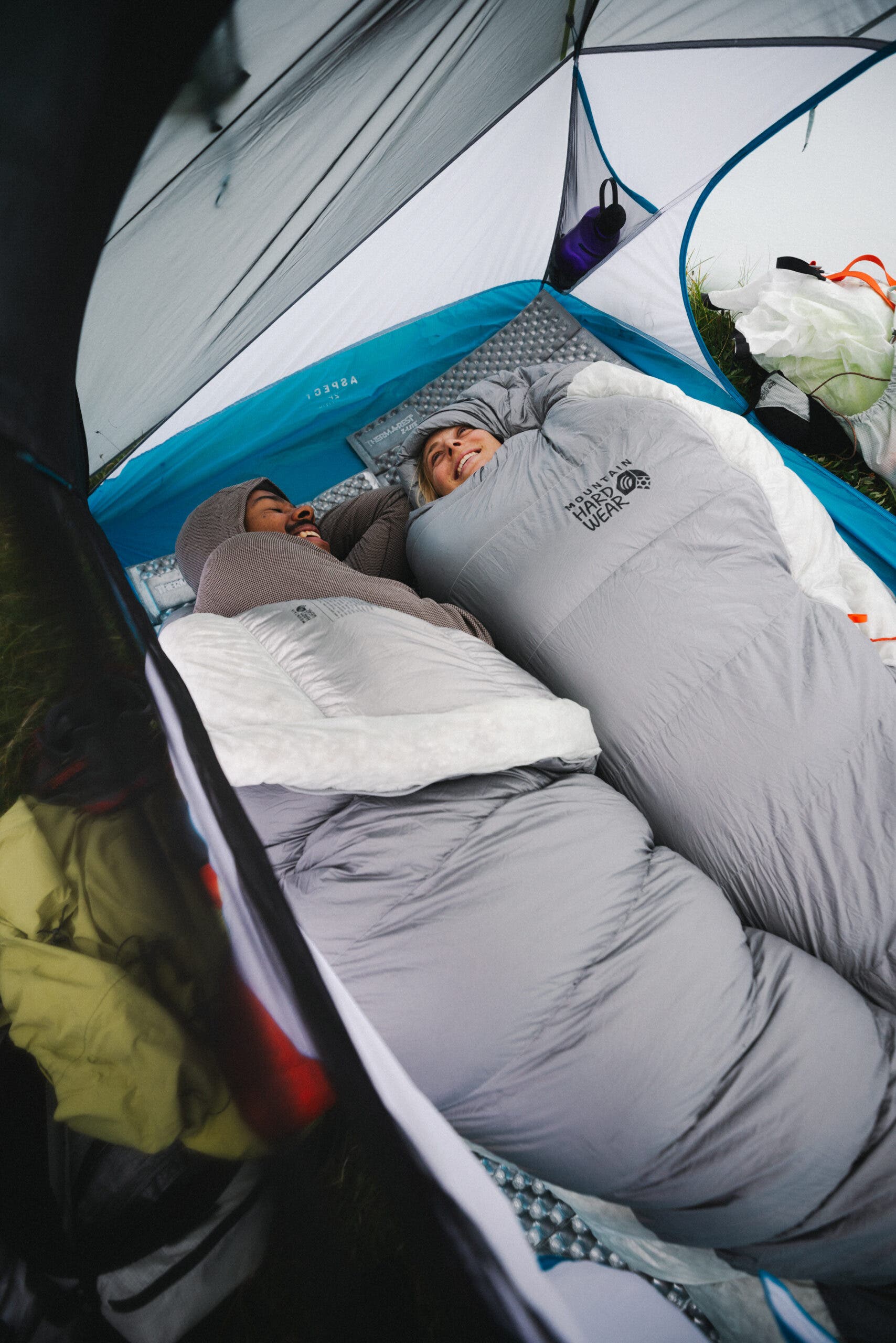
In the realm of sleep systems, the Lightness of Being collection introduces the Ghoul sleeping bag. Designed as an evolution of the brand’s successful Phantom series, the Ghoul addresses the inherent thermal inefficiencies of traditional ultralight bags. To achieve a weight-to-warmth ratio that exceeds previous benchmarks, the design team focused on two primary innovations: Radiant Recovery technology and 950-fill-power down.
Radiant Recovery is a metallic-finish fabric integrated into the bag’s lining. It functions by reflecting body heat back toward the sleeper, mitigating heat loss through radiation without the bulk of additional insulation layers. When paired with high-loft 950-fill down—which undergoes a hydrophobic treatment to maintain performance in damp conditions—the Ghoul provides a 20°F (-7°C) rating at a fraction of the weight of standard cold-weather bags.
The bag’s construction also utilizes a mapped, layered baffle system. This design prioritizes insulation in areas where the body is most prone to heat loss, such as the torso and feet, while streamlining the pattern to eliminate unnecessary seams. This precision engineering results in what Mountain Hardwear describes as its most compressible and thermally efficient sleeping bag to date.
Chronology of Innovation: From Mountaineering to Ultralight
The launch of the Lightness of Being collection is the latest milestone in Mountain Hardwear’s 33-year history. Founded in 1993 in Richmond, California, by a group of outdoor industry iconoclasts, the company initially focused on filling a gap in the market for high-altitude expedition gear.
- 1993-2000: Mountain Hardwear establishes itself with the introduction of the first tents featuring tension shelves and the use of Gore-Tex in innovative ways.
- 2000-2015: The brand becomes a staple on 8,000-meter peaks, sponsoring legendary climbers and developing the Ghost Whisperer down jacket, which became a benchmark for lightweight insulation.
- 2016-2024: The company expands its focus toward the "fast-packing" and thru-hiking communities, recognizing a shift in consumer behavior toward high-mileage, low-weight adventures.
- 2025-2026: The development and release of the Lightness of Being collection, incorporating Aluula and Radiant Recovery, marking a formal entry into the premium ultralight market.
This timeline illustrates a transition from "heavy-duty expedition" gear to "high-performance efficiency," reflecting broader trends in the outdoor industry where speed and mobility are increasingly prioritized.
Supporting Data: The Growth of the Ultralight Market
The decision to invest heavily in the Lightness of Being collection is backed by significant market data. According to industry reports from 2024 and 2025, the "Ultralight and Fast-Packing" segment has seen an annual growth rate of approximately 12%, outperforming the general outdoor equipment market. Consumer demand has shifted away from the "overbuilt" aesthetic of the 1990s toward gear that enables longer distances with less physical strain.
Furthermore, a 2025 survey of thru-hikers on the Pacific Crest Trail and Appalachian Trail indicated that weight was the primary factor in purchasing decisions for 78% of respondents. However, "durability" remained the second most important factor, with many users expressing frustration over the short lifespan of first-generation ultralight materials. Mountain Hardwear’s use of Aluula and 3-layer rain shell constructions (such as the Cloud Cipher jacket) directly addresses this market gap.
Official Responses and Field Testing Protocols
The development of the collection was not confined to a laboratory. Ben Guthrie emphasized that the team’s field-testing protocols were essential to the final product. Unlike traditional testing where gear is sent to third-party athletes, Mountain Hardwear’s design team conducted "collective testing" trips. Designers, engineers, and product managers spent nights in the wilderness together, testing multiple iterations of prototypes in real-time.
"The goal is gear that feels calm on your body," Guthrie stated during the product unveiling. "We wanted to eliminate the ‘UL penalty’—the hotspots, the sway, and the constant worry that your gear might fail in a storm."
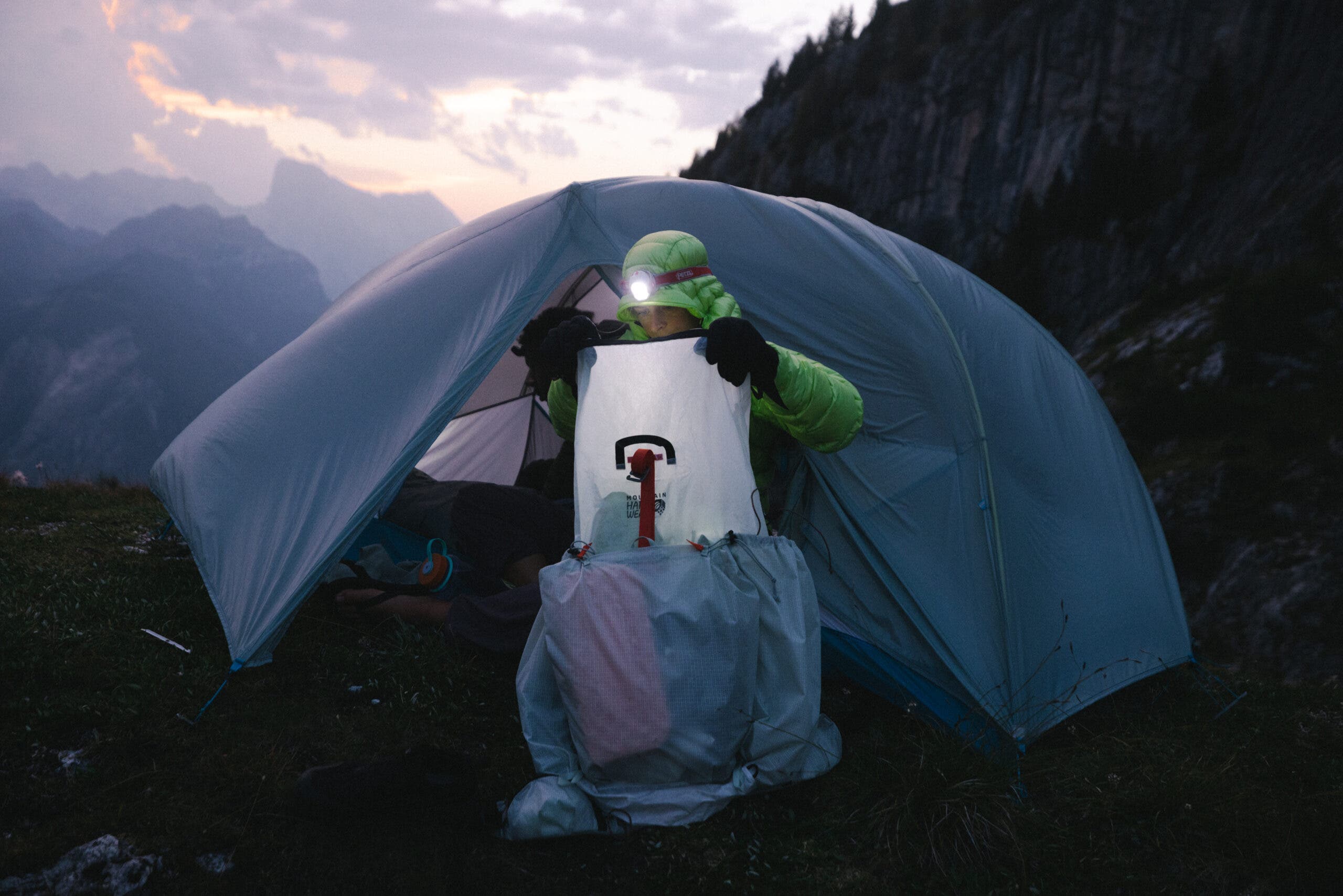
This hands-on approach led to the refinement of the Nimbus UL series of tents. Initially released as a standalone lightweight option, the success and feedback from the Nimbus UL 1 and UL 2 models served as the catalyst for the broader Lightness of Being kit. The tents utilize a freestanding, double-wall design, which many UL enthusiasts prefer for condensation management, despite the slight weight addition compared to single-wall trekking-pole shelters.
Technical Analysis: The Future of Material Science in Outdoors
The inclusion of Aluula in the Alakazam pack is a significant indicator of where the outdoor industry is headed. For years, Dyneema Composite Fabric (DCF) was the gold standard for ultralight gear. However, Aluula offers a different set of advantages, particularly in terms of shear strength and bond stability. As more brands look toward the sailing and aerospace industries for textile inspiration, the "Lightness of Being" collection may serve as a blueprint for the next generation of alpine equipment.
Additionally, the Cloud Cipher Rain Jacket utilizes the new "Dryspell Standard," a proprietary three-layer waterproof-breathable membrane. In a market saturated with lightweight 2.5-layer jackets that often feel "clammy" against the skin, Mountain Hardwear’s move to a packable 3-layer system suggests a focus on long-term comfort and moisture management that exceeds the industry average for UL apparel.
Broader Impact and Implications for the Industry
The launch of the Lightness of Being collection is likely to have several long-term implications for the outdoor gear market:
- Normalization of Premium Materials: As Mountain Hardwear scales the use of Aluula and Radiant Recovery, these high-cost materials may become more common in mid-range gear, eventually driving down prices through economies of scale.
- Sustainability through Longevity: By focusing on durability, Mountain Hardwear is addressing a growing environmental concern in the UL community: the "disposable" nature of lightweight gear. Gear that lasts ten seasons instead of two significantly reduces the environmental footprint of the average hiker.
- Cross-Pollination of Disciplines: The collection blurs the lines between mountaineering and backpacking. Features once reserved for alpine climbing—such as extreme weather resistance and high-tensile fabrics—are now being optimized for the trail.
As the outdoor industry moves toward the latter half of the decade, the Lightness of Being collection stands as a testament to the evolution of Mountain Hardwear. By leaning into its legacy of "relentless precision," the company has successfully navigated the transition from the heavy-duty needs of the 20th-century explorer to the streamlined requirements of the 21st-century athlete. The result is a suite of equipment that promises to make the "wilder path" more accessible, comfortable, and sustainable for the next generation of adventurers.


 Dwi Wanna
 Budi Mulyono
 Lukman Taruna Persada Ramadan
 Chandra Hamzah
 Gabriela Annisa