Anjar Salim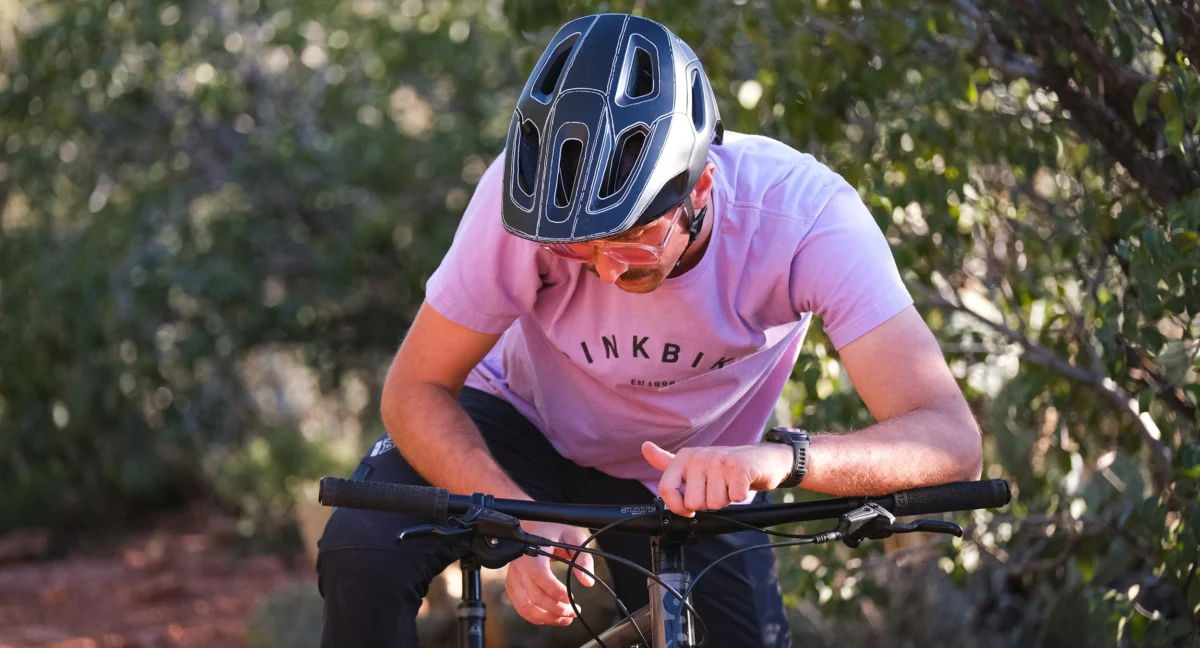
The landscape of mountain bike safety equipment has undergone a significant transformation leading into the 2026 season, moving away from basic impact protection toward sophisticated systems designed to mitigate complex rotational forces. As mountain biking continues to evolve into specialized disciplines, the demand for "general trail" helmets—those balancing the lightweight nature of cross-country gear with the robust coverage of downhill equipment—has reached an all-time high. Following a comprehensive multi-month evaluation of the industry’s leading offerings, the Smith Forefront 3 Mips has emerged as the premier choice for the modern trail and enduro rider, setting a new benchmark for integration, comfort, and ventilation.
The Evolution of Helmet Safety Standards and Technology
To understand the current market, one must look at the shift in safety certifications that occurred between 2020 and 2026. While the CPSC (Consumer Product Safety Commission) and CE EN1078 remain the legal baseline for sales in North America and Europe, respectively, savvy consumers now look toward independent assessments. The Virginia Tech Helmet Ratings have become the de facto authority in the industry, utilizing a STAR (Summation of Tests for the Analysis of Risk) evaluation system that calculates the probability of concussion based on 24 different impact locations and velocities.
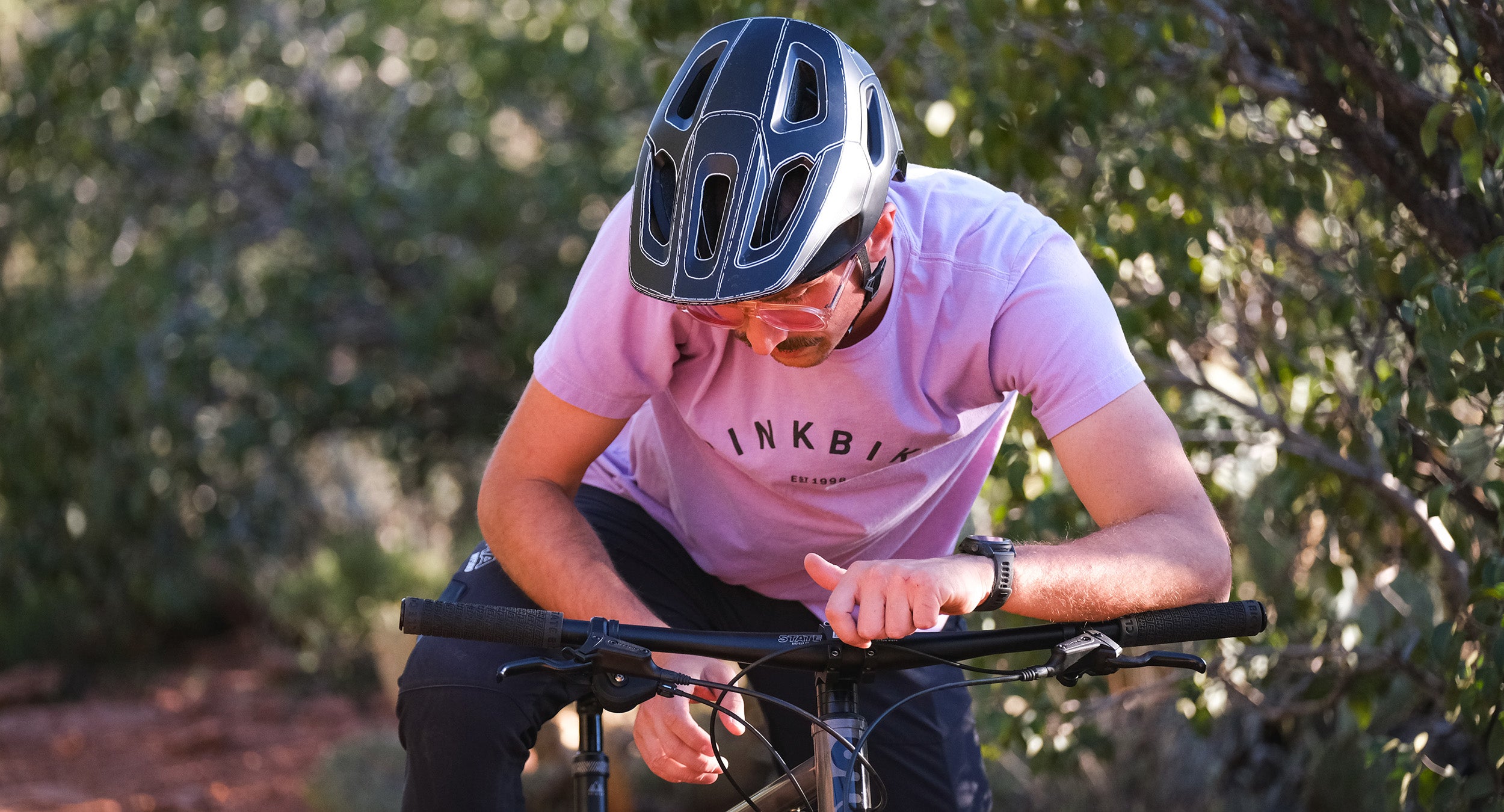
In 2026, the inclusion of a rotational impact protection system is no longer a luxury but a standard expectation for any helmet priced above $100. Systems like MIPS (Multi-directional Impact Protection System) utilize a low-friction layer inside the helmet that allows the shell to slide 10–15mm relative to the head during an angled impact. This movement is designed to redirect the rotational energy that would otherwise be transferred to the brain, potentially reducing the severity of traumatic brain injuries (TBIs).
Chronology of the 2026 Testing Phase
The selection process for the 2026 helmet guide began in late 2025, involving a rigorous scouting phase where nine flagship models were identified based on technological innovation and historical performance. The testing window spanned approximately six months, concluding in June 2026, to ensure each product was subjected to a wide variety of environmental stressors.
Testing was conducted across four primary geographical zones to simulate the diverse conditions a global rider might encounter:
- La Ventana, BCS: Provided high-temperature, high-exposure desert conditions to test ventilation and sweat management.
- Sedona, Arizona: Offered technical, slow-speed climbing and high-glare environments to evaluate visor effectiveness and low-airflow cooling.
- Hood River, Oregon: Served as the primary ground for testing high-wind stability and eyewear integration.
- Bellingham, Washington: Provided steep, loamy, and often wet conditions to assess the helmets’ security on rough terrain and their ability to shed moisture.
Lead testers Nikki Rohan, Matt Patterson, and Annick Chalier—who collectively bring over 40 years of professional mountain biking and coaching experience—logged thousands of vertical feet of climbing and descending to verify manufacturer claims regarding weight and comfort.
Top Performers: An Analytical Review
The Gold Standard: Smith Forefront 3 Mips
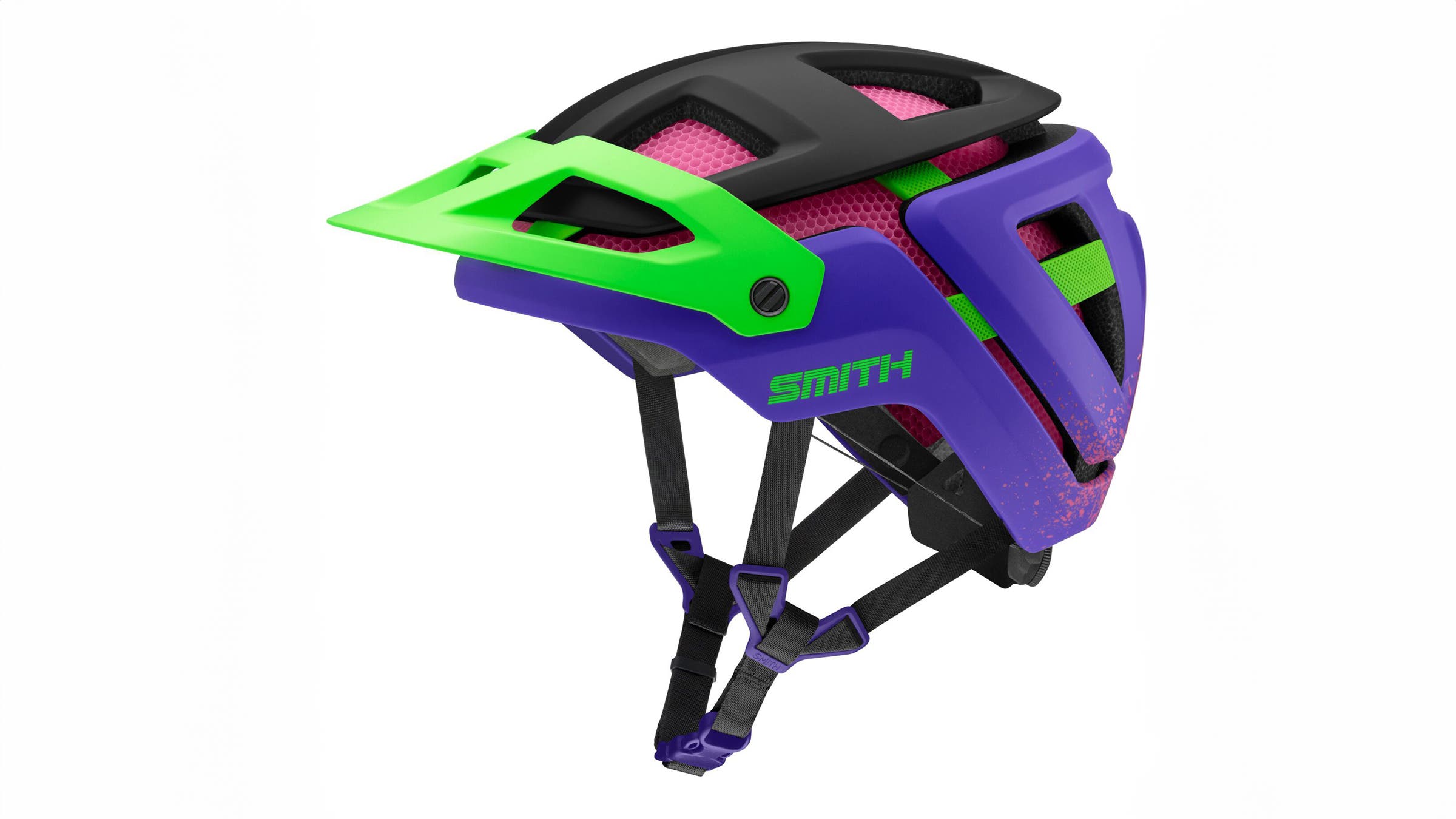
The Smith Forefront 3 Mips was awarded the top overall spot due to its holistic approach to design. Weighing in at 410 grams, it utilizes a proprietary honeycomb structure known as Koroyd. Unlike traditional EPS (expanded polystyrene) foam, which acts as a solid block, Koroyd consists of thousands of co-polymer tubes that crush uniformly on impact, absorbing energy more efficiently while allowing for better airflow. The integration of the BOA FS360 fit system allows for micro-adjustments that accommodate a wide range of head shapes, effectively eliminating the "hot spots" often found in less adjustable models.
The Value Benchmark: Fox Racing Speedframe
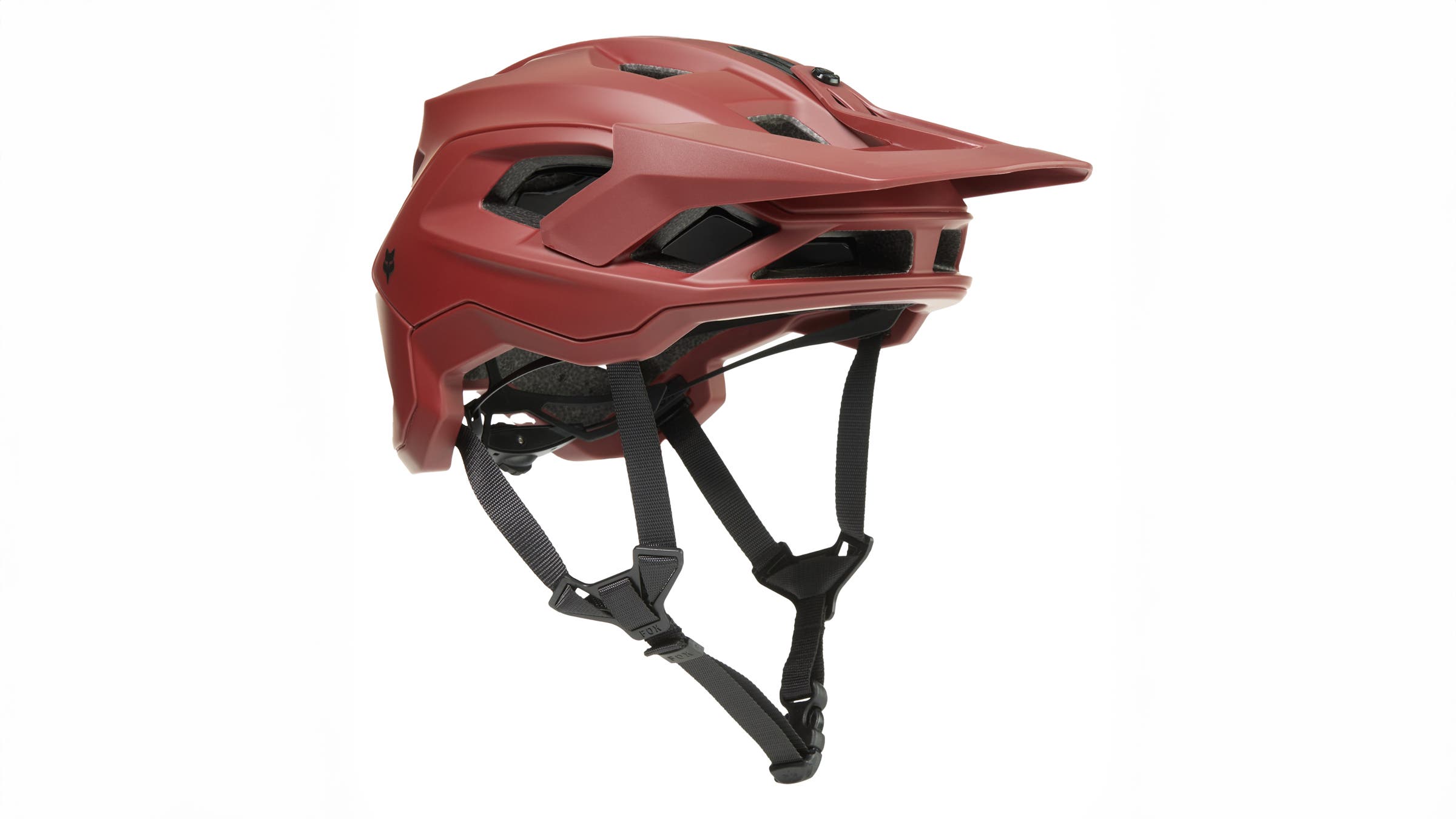
For the broader consumer market, the Fox Racing Speedframe represents a critical price-to-performance milestone. At $120, it provides the same MIPS technology found in helmets costing twice as much. While it lacks some of the premium finishes of the "Pro" or "RS" versions, its Virginia Tech rating remains competitive, proving that high-level safety does not necessarily require a premium investment.
The Safety Specialist: POC Cularis
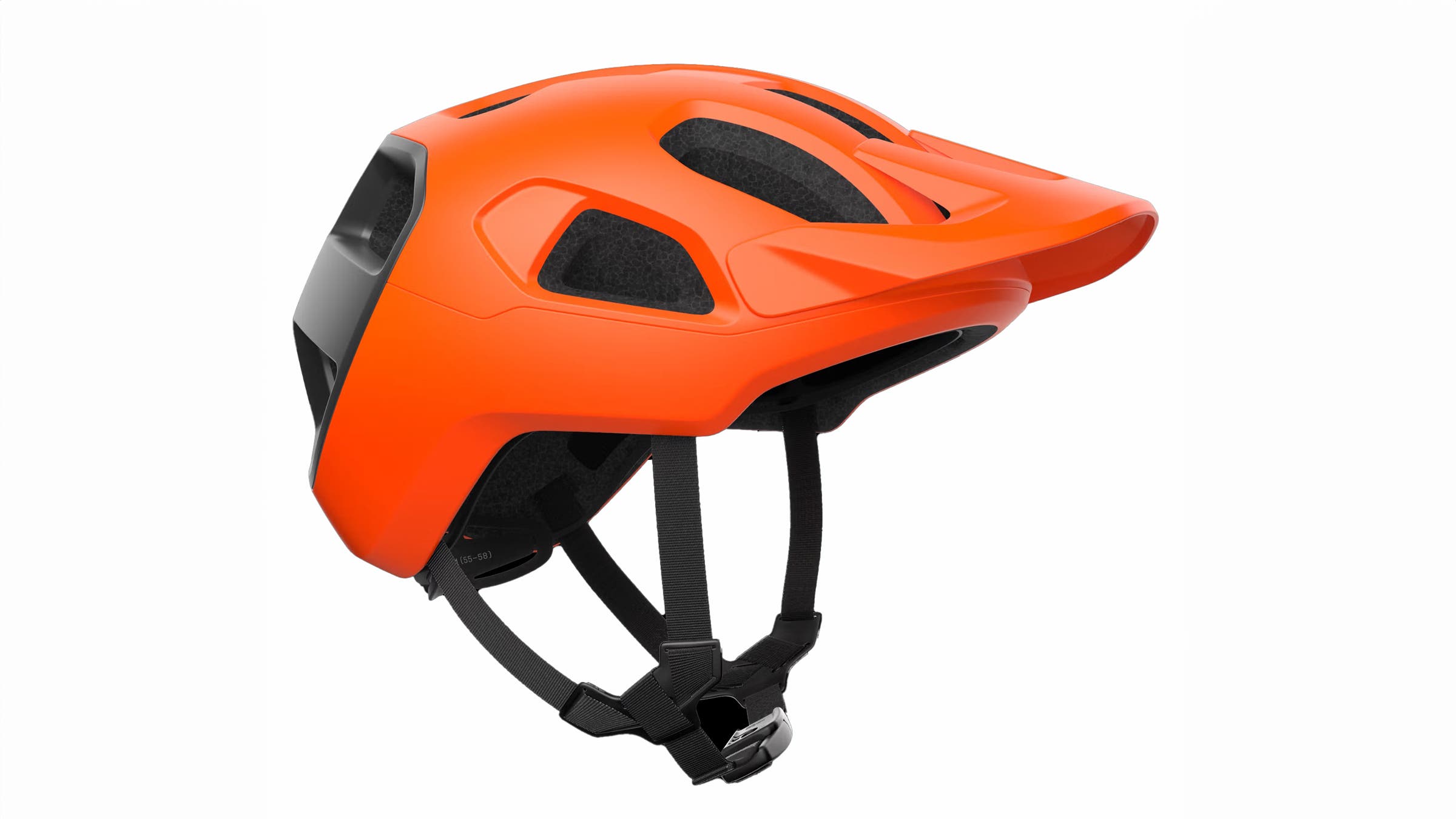
The POC Cularis distinguishes itself through computational fluid dynamics (CFD) mapping. By analyzing how air moves over and through the helmet at various speeds, POC engineers created a venting profile that outperforms almost every other half-shell on the market. Furthermore, its performance in the Virginia Tech STAR rating system places it in the top tier of all tested helmets, making it the primary recommendation for riders who prioritize safety above all else.
The Comfort King: Giro Montaro Mips III
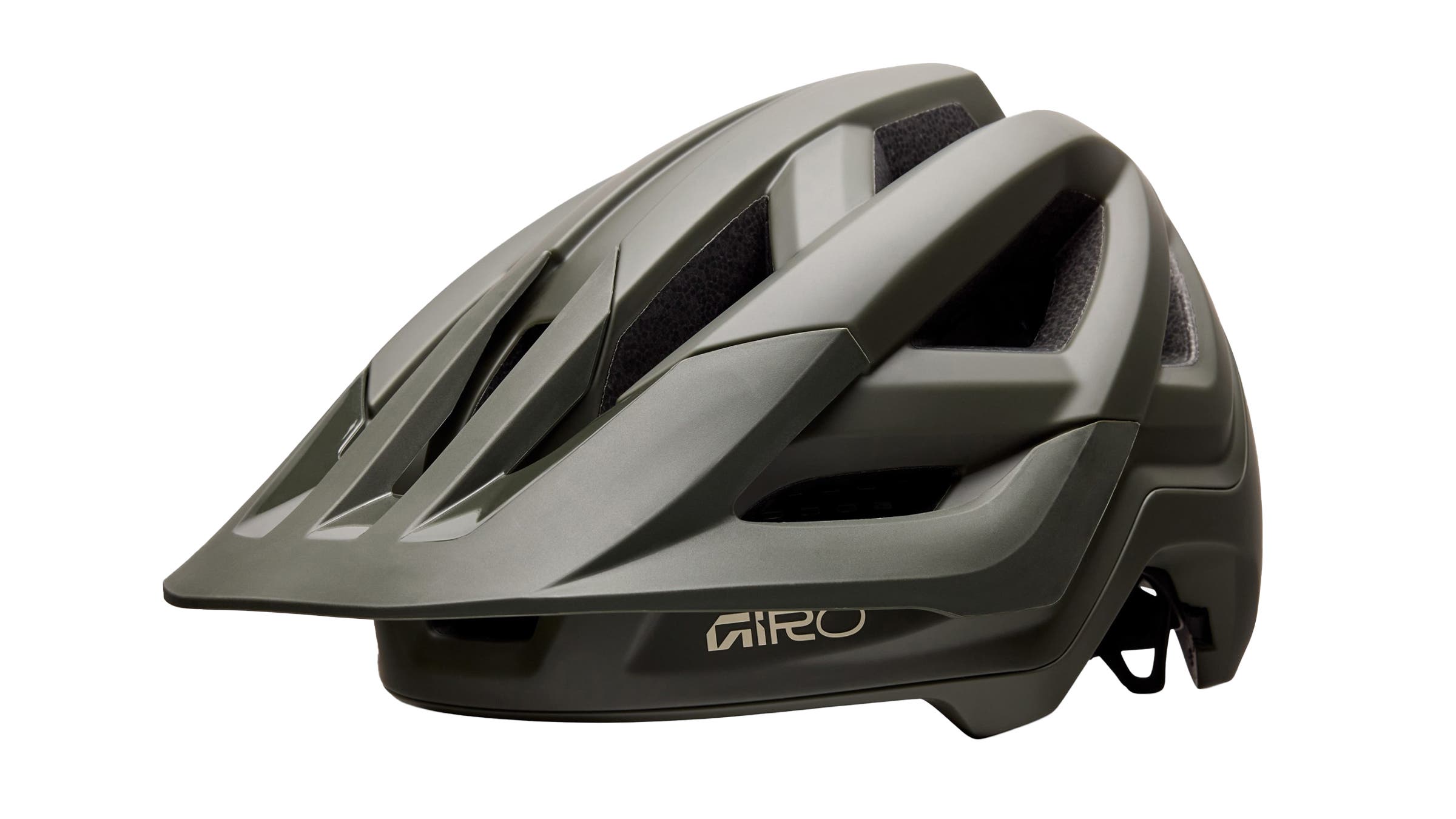
Giro has long focused on the "deep fit" philosophy, and the Montaro Mips III continues this tradition. By offering more coverage around the temporal and occipital regions of the skull, the Montaro provides a sense of security that shallower helmets lack. Notably, it meets the NTA 8776 e-bike safety standard, which requires helmets to be tested at higher impact speeds to account for the increased velocities of electric-assist mountain bikes.
Supporting Data and Comparative Analysis
The following data summarizes the physical specifications of the leading 2026 models:
| Model | Weight (Size M) | Sizing | Primary Safety Tech | MSRP |
|---|---|---|---|---|
| Smith Forefront 3 | 410g | S-L | MIPS / Koroyd | $260 |
| Fox Speedframe | 410g | S-L | MIPS | $120 |
| POC Cularis | 360g | S-L | MIPS Air Node | $250 |
| Giro Montaro III | 450g | S-L | MIPS Evolve Core | $230 |
| Leatt Enduro 2.0 | 690g* | S-L | 360° Turbine | $219 |
*Weight for Leatt Enduro 2.0 includes the removable chin bar.
The testing data revealed a direct correlation between weight and rider fatigue on climbs exceeding 1,500 vertical feet. While the Leatt Enduro 2.0 is the heaviest, its versatility as a convertible full-face provides a unique utility for riders who frequent bike parks but still enjoy traditional trail riding.
Official Responses and Industry Perspectives
The 2026 gear cycle has seen manufacturers respond to growing consumer skepticism regarding "proprietary" safety claims. Industry analysts note that brands like Specialized and Lazer have increasingly relied on third-party validation to build trust. For instance, the Specialized Tactic 4’s marketing heavily emphasized its five-star Virginia Tech rating, a move that forced competitors to be more transparent about their own testing data.
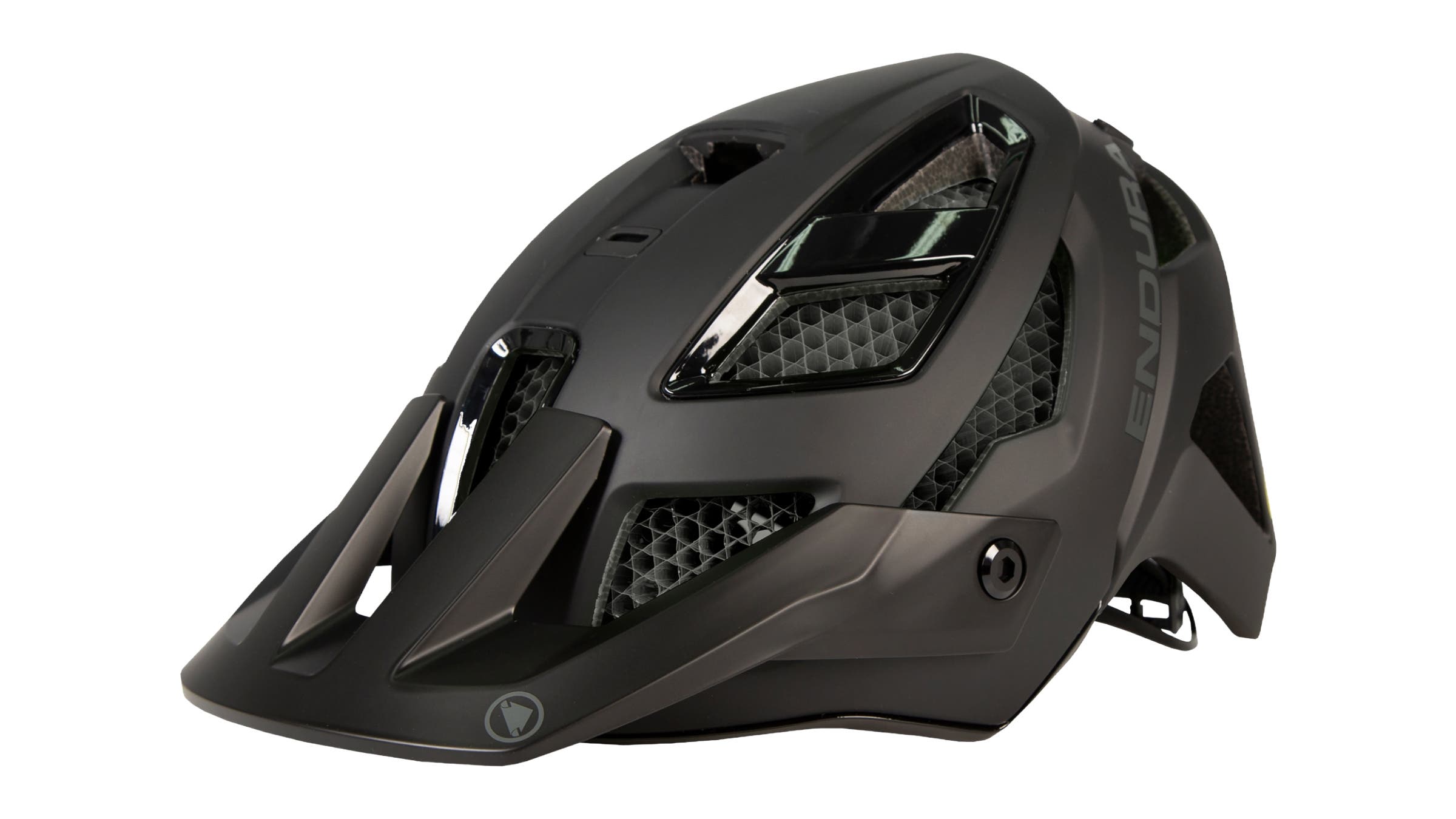
Environmental sustainability has also surfaced as a key theme. Several manufacturers, including Endura, have begun incorporating recycled materials into their padding and straps. While the primary EPS liners are still difficult to recycle, the 2026 market shows a clear trend toward "cradle-to-grave" responsibility in gear manufacturing.
Broader Impact and Future Implications
The findings of this 2026 review suggest that the industry is nearing a plateau in terms of traditional impact protection, leading to a new focus on "smart" integration. The rise of e-bikes has already necessitated the NTA 8776 standard, but the next five years are expected to see the integration of crash-detection sensors and integrated lighting systems as standard features.
Moreover, the success of helmets like the POC Cularis and the Smith Forefront 3 highlights a shift in consumer behavior: riders are now more willing to pay for "invisible" features like airflow and rotational protection than for aesthetic flourishes. This move toward data-driven purchasing is likely to encourage even more rigorous independent testing in the years to come.
In conclusion, while the Smith Forefront 3 Mips remains the most versatile and high-performing helmet for the current year, the 2026 market offers high-quality options for every budget. Riders are encouraged to prioritize fit and independent safety ratings over brand loyalty, as the differences in head shape compatibility remain the most significant factor in a helmet’s effectiveness during a real-world crash. As the 2026 season progresses, these five approved models stand as the definitive choices for those seeking the optimal balance of protection and performance on the trail.



 Budi Mulyono
 Lukman Taruna Persada Ramadan
 Chandra Hamzah
 Gabriela Annisa
 Tatiana Tantri Indah Sari