Walid Sujud Trenggono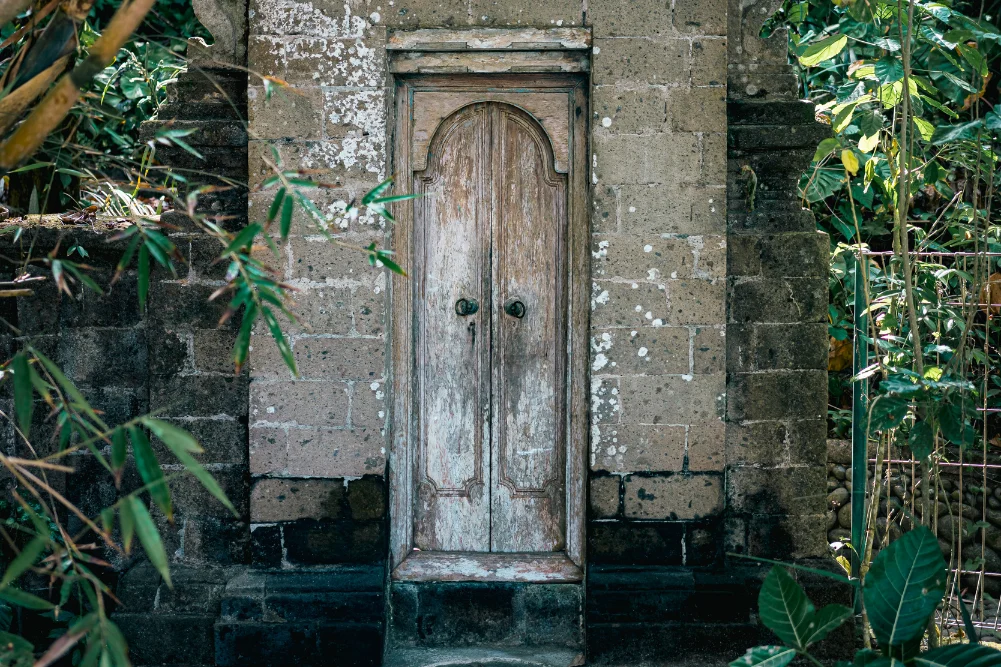
The landscape of Balinese tourism is undergoing a significant transformation as international travelers increasingly bypass the saturated southern hubs of Kuta, Seminyak, and Canggu in favor of the island’s rugged western coastline. This shift toward "slow travel" and authentic cultural immersion is most visible in the region of Balian Beach and its neighboring villages, where the traditional Balinese way of life remains largely insulated from the commercial intensity of Denpasar. For those willing to navigate the two-to-three-hour drive from Ngurah Rai International Airport, the reward is a landscape defined by volcanic black sands, world-class surf breaks, and a communal atmosphere that recalls the Bali of the 1970s.
The Geographic and Cultural Landscape of Balian Beach
Balian Beach, situated in the village of Lalanglinggah, Tabanan Regency, serves as the gateway to Bali’s wild west. Unlike the manicured white sands of the Bukit Peninsula, Balian’s shoreline is characterized by its dramatic, sea-ravaged volcanic crags and a pebble-strewn beach that endures the relentless pummelling of Indian Ocean swells. The geology here is a direct result of the island’s volcanic history, with the Balian River depositing nutrient-rich sediment that has created a lush, verdant backdrop of rice paddies and coconut groves.
The cultural fabric of the region is rooted in the traditional Balinese compound system. In Balian, these rectangular walled structures house multiple generations of families, centered around private temples. This architectural and social continuity provides a stark contrast to the transient, hotel-heavy landscape of the south. Local residents maintain a lifestyle dictated by the agricultural calendar and religious ceremonies, offering visitors a glimpse into an unhurried existence where the "hello mister" hustle is replaced by genuine hospitality and a lack of street-side solicitation.
A Chronology of the West Coast Experience
The journey into Bali’s west typically begins with a transit from the southern tourism corridor. As the urban sprawl of Denpasar fades, the scenery shifts into the Tabanan Regency, often referred to as the "Rice Bowl of Bali." Travelers arriving at Balian Beach find themselves in a micro-environment where the daily rhythm is dictated by the tides and the wind.
Early mornings in Balian are defined by a specific meteorological phenomenon: the convection breeze. From April to October, cool mountain air blows offshore over the coast, carving out clean, glassy waves before the southeasterly trade winds arrive around noon. This window of time is the primary draw for the international surfing community.
Following the morning surf sessions, the focus shifts to the village’s growing wellness infrastructure. Establishments like Balian Spirit Yoga, led by local instructors such as Nicky Sudianta, offer hatha and vinyasa flow sessions in open-air shalas that overlook the jungle. This integration of physical activity and spiritual mindfulness has positioned Balian as a burgeoning hub for "surf and zen" retreats, attracting a demographic that prioritizes health and tranquility over nightlife.
By mid-afternoon, the heat of the day often leads visitors to the local river mouth. While the area is aesthetically stunning, it carries a unique ecological footnote: the presence of bull sharks. Local knowledge dictates that surfing near the river mouth is avoided after heavy rains, as the runoff creates the murky conditions preferred by these predators. This element of raw nature underscores the "untamed" reputation of the west coast.
Technical Analysis of the Surf Breaks
Balian Beach is celebrated for its consistency, offering three distinct breaks that cater to various skill levels. The "Peak" is a slow-breaking left that can transition into a fast right barrel, providing a versatile canvas for intermediate riders. Across the river lies "Ketuts," a high-performance right-hand break that demands more technical precision. Further west, the conditions mellow out, providing "cruisy" rides for novices.
Further up the coast, approximately an hour from Balian, lies Medewi. This location is home to Bali’s longest left-hand point break, capable of producing rides that extend for over 300 meters. The experience at Medewi is more specialized, drawing longboarders and experienced surfers who seek the endurance required for such extended rides. However, the infrastructure in Medewi and the adjacent Yeh Sumbul remains rudimentary. Accommodations are often budget-oriented surf camps, reflecting a region that is still in the early stages of tourism development.
Supporting Data: Tourism Trends and Economic Impact
Recent data from the Bali Provincial Tourism Office indicates a growing interest in the Tabanan and Jembrana Regencies. While South Bali still accounts for over 80% of total tourist arrivals, the West Bali region has seen a 15% year-on-year increase in "alternative" lodging bookings, such as private villas and boutique eco-resorts.
The economic impact on local communities is significant but nuanced. In Balian, the rise of villa clusters like Pondok Hari Baik, which integrates accommodations within active rice paddies, provides employment for villagers as cooks, gardeners, and housekeepers. This "agro-tourism" model allows local families to supplement their agricultural income without abandoning their traditional land-use practices.
| Location | Accommodation Type | Average Price (AUD) | Primary Draw |
|---|---|---|---|
| Balian Beach | Boutique Villa / Eco-Resort | $45 – $100 | Consistent Surf, Yoga |
| Yeh Sumbul | Budget Surf Camp | $30 – $60 | Longest Left-Hand Break |
| Lalanglinggah | Traditional Guesthouse | $20 – $40 | Cultural Immersion |
Environmental and Infrastructure Context
The future of Bali’s west coast is inextricably linked to infrastructure projects currently under consideration by the Indonesian government. The proposed Gilimanuk-Mengwi Toll Road is designed to cut travel times from the south to the west by half. While this promises economic growth and easier access for tourists, it has sparked a debate among locals and environmentalists regarding the potential for overdevelopment.
Experts in sustainable tourism argue that the west coast’s appeal lies precisely in its difficulty of access. "The two-hour buffer acts as a natural filter," notes a regional tourism analyst. "It ensures that the people visiting Balian and Medewi are those who value the environment and the quietude. Rapid infrastructure could turn these villages into the next Canggu, which would be a loss for Bali’s cultural diversity."
The Culinary and Wellness Evolution
The gastronomic scene in West Bali has evolved to meet the demands of a more health-conscious traveler while remaining rooted in Indonesian flavors. Establishments like Warung Makan OCA and Balian Beach Cafe have gained reputations for blending traditional staples—like gado gado and tempeh—with modern dietary preferences, such as vegan and gluten-free options.
The presence of "bomboloni" (Italian filled doughnuts) and high-quality kombucha in remote villages like Yeh Sumbul highlights the "global-local" synthesis occurring on the coast. This culinary shift is supported by the availability of fresh, local produce sourced directly from the surrounding Tabanan farms, ensuring a low carbon footprint for the region’s hospitality sector.
Comparative Analysis: The West vs. The South
A critical component of the West Bali experience is the inevitable comparison with the southern tourist hubs. For many travelers, the "wild times" on the west coast—characterized by rougher accommodations, unpredictable currents, and a lack of traditional "nightlife"—are balanced by a return to the convenience of places like Legian or Seminyak at the end of their journey.
The return to the south often serves as a "re-entry" period. While the west offers spiritual and physical rejuvenation, the south provides the logistical ease of hot showers, consistent air conditioning, and a wider array of international dining. However, the perspective of the traveler is often permanently shifted. The "Denpasar hustle" is viewed through a new lens after experiencing the silence of a Balian rice paddy at sunrise.
Broader Implications and Future Outlook
The rise of Bali’s west coast as a premier destination for "authentic" travel signifies a broader global trend where the luxury of "space" and "silence" outweighs the luxury of high-end amenities. Balian Beach and Medewi represent a middle ground in Bali’s development: they are no longer "undiscovered," but they remain "untarnished."
As the Indonesian government continues to promote "10 New Balis" across the archipelago, the original Bali is finding its second wind in its western reaches. The challenge for the next decade will be maintaining the delicate balance between welcoming the "non-surfers" who are "hot on the heels" of the board riders and preserving the volcanic, sea-ravaged soul of the coast. For now, the west remains best for those seeking a watery adventure that is as much about inner peace as it is about catching the perfect wave.
The conclusion for most who traverse this coastline is clear: Bali is far more than the sum of its hotspots. By venturing beyond the two-hour mark, travelers discover an island that still breathes with the rhythm of the tides and the warmth of a toothy, welcoming smile from a rice planter—a Bali that is vibrant, uncrowded, and utterly authentic.


 Chandra Hamzah
 Gabriela Annisa
 Tatiana Tantri Indah Sari
 Budi Mulyono
 Anjar Salim