Anjar Salim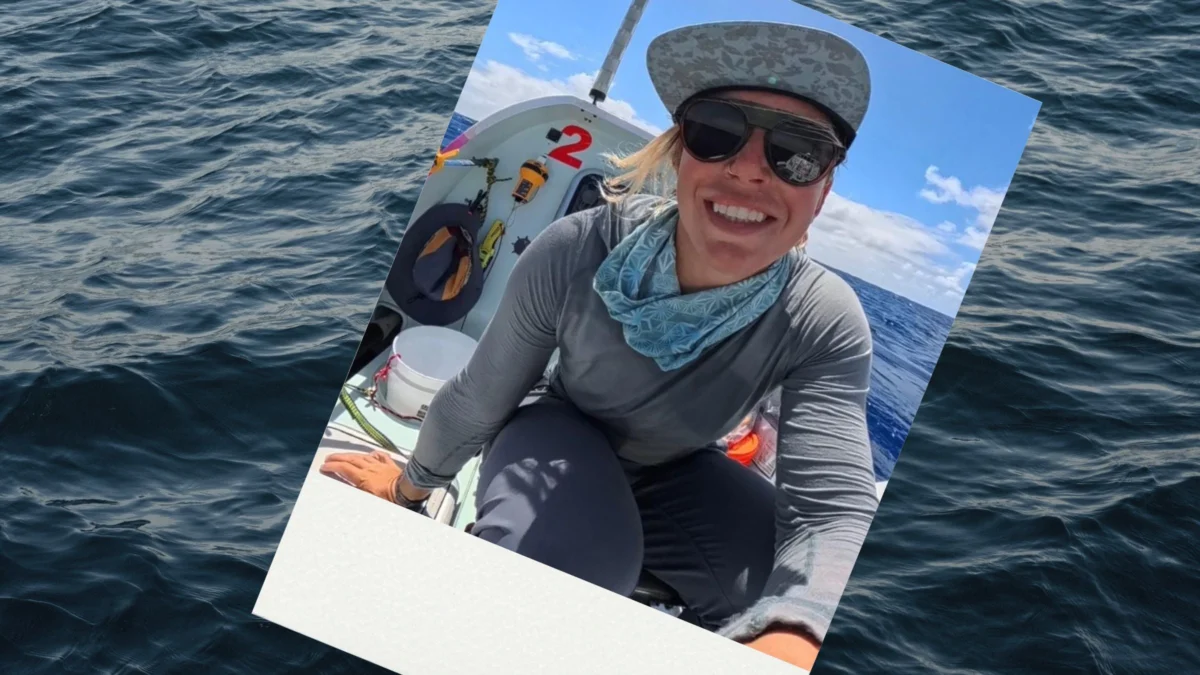
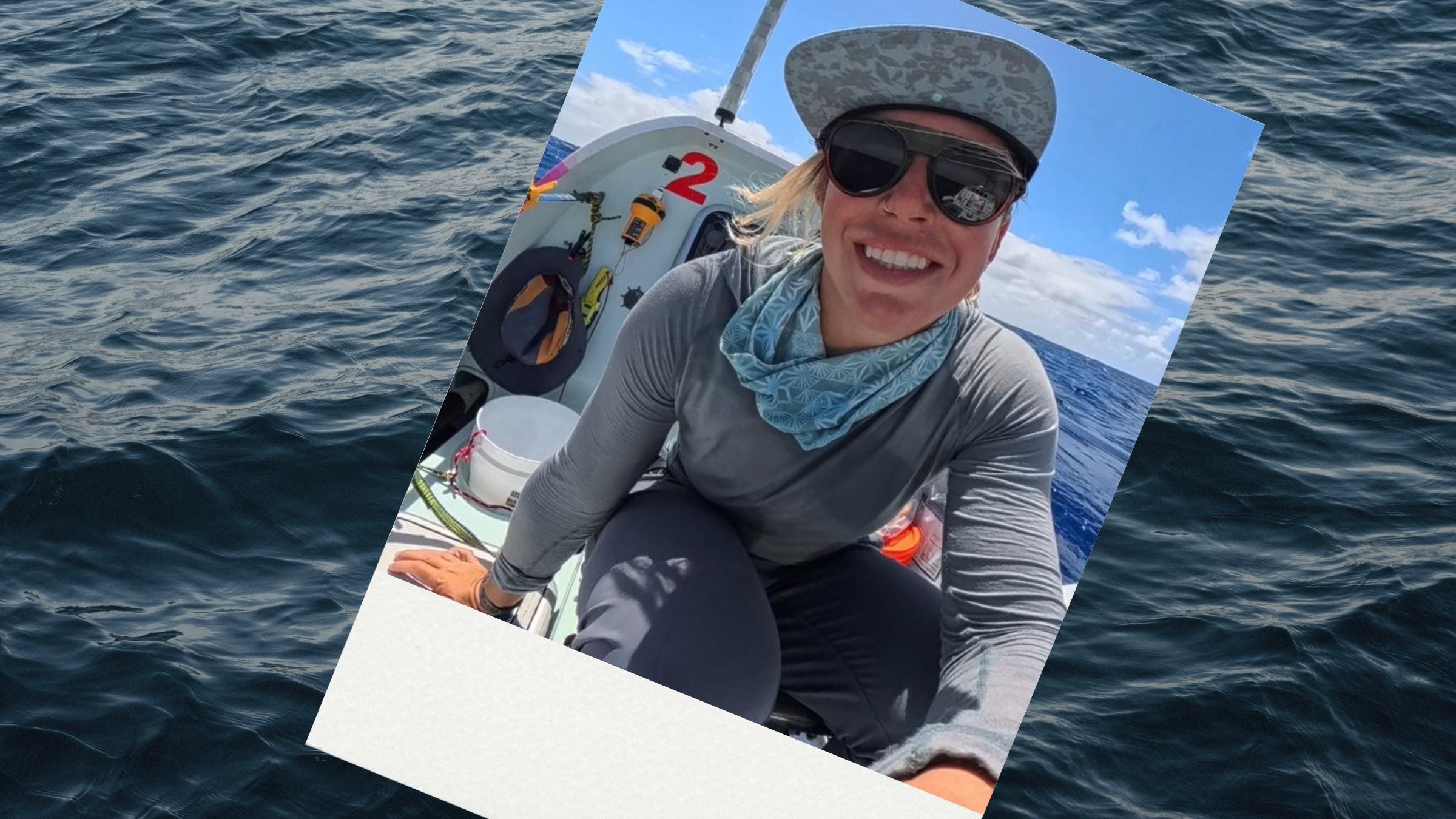
Kelsey Pfendler, a 31-year-old endurance athlete and professional river guide, is currently 28 days into a solo rowing expedition across the Pacific Ocean, positioned to shatter multiple world records. Having departed from Monterey, California, on May 21, 2026, Pfendler is navigating a 2,400-mile course toward Oahu, Hawaii, aboard a 24-foot fiberglass vessel. If her current pace holds, she will secure her place in maritime history as the first American woman to complete a solo row from the California coast to the Hawaiian Islands. Furthermore, Pfendler is on track to become the fastest woman and the youngest individual ever to achieve the feat, with the potential to break the overall speed record for the mid-Pacific east-to-west route.
As of June 17, 2026, Pfendler has completed more than half of the journey, reaching the 1,200-mile midpoint on June 14. This milestone was achieved in just 25 days, a rate of progress that has caught the attention of the global ocean rowing community. While maritime conditions remain unpredictable, Pfendler’s trajectory suggests she could significantly undercut the standing records. The current overall solo record is held by Rob Eustace, who completed the crossing in 52 days, 13 hours, and 17 minutes in 2014. The women’s solo record was established in 2020 by Lia Ditton, who reached Hawaii in 86 days, 10 hours, and 5 minutes. Pfendler’s current performance indicates a finish time that could potentially shave weeks off the existing female record and days off the absolute world record.
Technical Specifications and Logistical Challenges
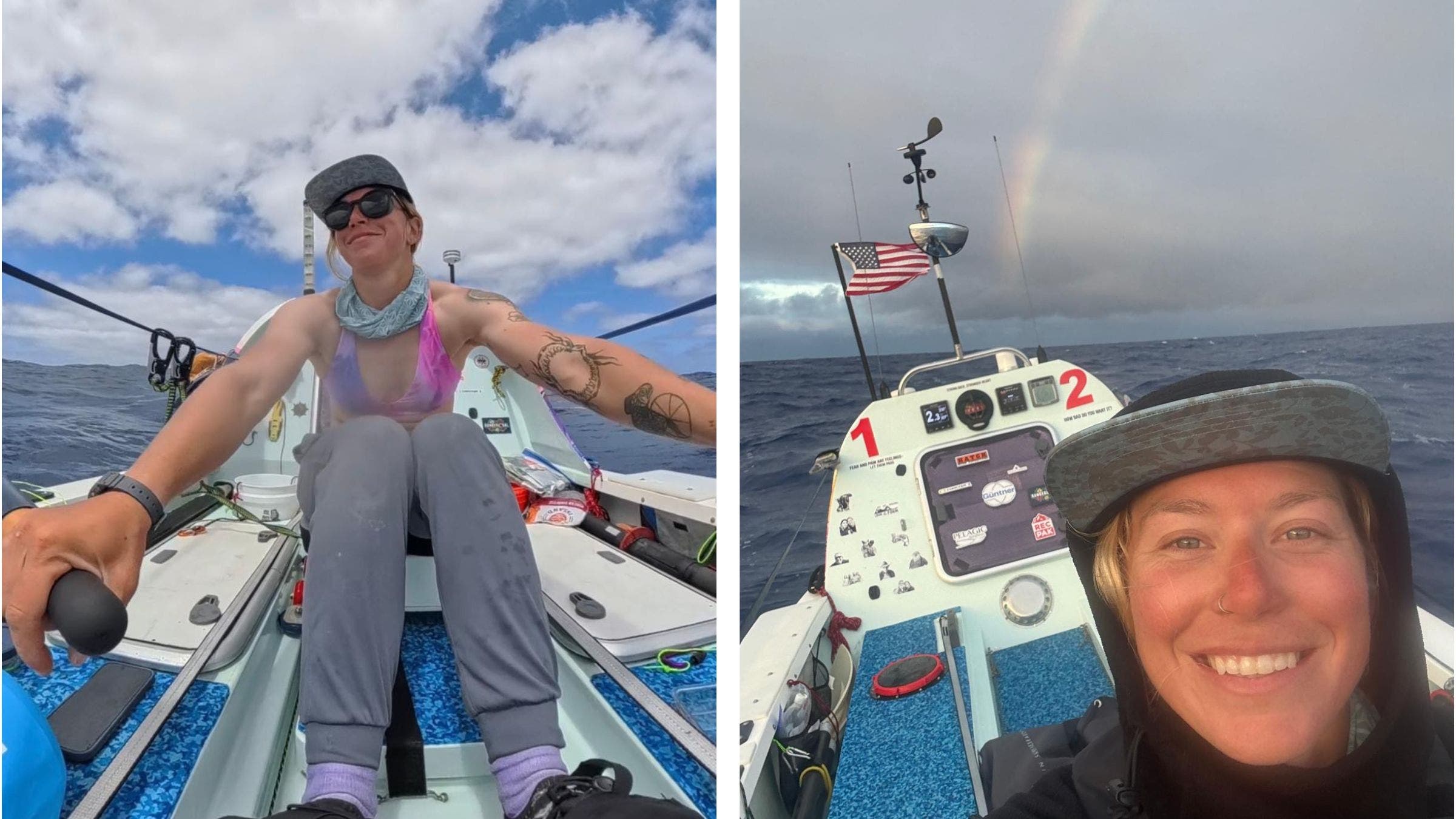
The vessel carrying Pfendler is a specialized ocean rowing boat, measuring 24 feet in length and 5.5 feet in width. Constructed from high-durability fiberglass, the boat is designed to be self-righting in the event of a capsize—a critical safety feature in the volatile waters of the Pacific. Despite the advanced engineering, the living quarters are extremely confined, requiring meticulous organization of supplies and equipment.
To maintain her physical output and prevent debilitating weight loss, Pfendler is adhering to a rigorous nutritional regimen, attempting to consume approximately 4,000 calories per day. Her diet consists primarily of freeze-dried backpacking meals, carbohydrate mixes, powdered milk, and cereal. Water is managed through a desalination system, and hot meals are prepared using a compact Jetboil stove.
Communication and navigation are facilitated by modern satellite technology. Pfendler utilizes Starlink for high-speed internet connectivity, allowing her to provide real-time updates to a global audience and consult with her support team via WhatsApp. This level of connectivity has transformed the nature of solo ocean rowing, which was historically characterized by total isolation. However, the technological advantages do not mitigate the physical toll of the journey. Pfendler reports that repetitive motion injuries and "salt sores"—painful skin irritations caused by the combination of friction and seawater—remain constant threats to her progress.
Chronology of the Expedition
The first week of the journey, which Pfendler has termed "the Sea God Week," was defined by extreme sleep deprivation and the physical shock of transitioning from land to sea. During this initial phase, she averaged only 90 minutes of sleep per day as she navigated the complex currents off the California coast.
Following this grueling start, Pfendler established a more sustainable rhythm, though the environment remains "relentless." Because her boat is optimized for speed and record-breaking, she is unable to utilize sunshades, as they are classified as sails under official rowing regulations. Consequently, she is exposed to direct solar radiation for the duration of the daylight hours, leading to severe skin peeling and exhaustion.
By June 14, Pfendler’s arrival at the halfway point served as a psychological boost. Her progress has been documented extensively on her Instagram account, @yourowkelsey, where she has amassed over 400,000 followers. Her reels provide a candid look at the duality of the experience: the breathtaking beauty of the open ocean and the visceral reality of emotional breakdowns, physical pain, and the monotony of the rowing bench.
Physiological and Psychological Resilience
The demands of solo ocean rowing extend beyond cardiovascular fitness. Pfendler has emphasized the importance of emotional regulation and "pain management," qualities she believes are particularly well-suited to female endurance athletes. She cited the recent success of Rachel Entrekin, who won the Cocodona 250-mile trail race outright, as a source of inspiration during her most difficult moments.
To combat the psychological effects of isolation, Pfendler relies on a curated selection of audiobooks and podcasts. Her listening list includes J.R.R. Tolkien’s The Lord of the Rings and Shark Dialogues, a historical novel tracing Hawaiian lineage. Additionally, she carries two stuffed animals, an octopus named Maury and a crab named Hugo, which she describes as "silent observers" that provide a sense of companionship and accountability in the vastness of the Pacific.
The depth of the ocean beneath her—reaching approximately 30,000 feet in certain sections—serves as a constant reminder of the scale of her undertaking. "I am farther away from another person than I could be almost anywhere else in the entire world," Pfendler noted during a mid-sea interview. "It’s beautiful in the sense that it’s so vast, but it’s also just humbling."
Philanthropic Mission: The Whale Foundation
Beyond the pursuit of athletic records, Pfendler’s journey is a fundraising vehicle for the Whale Foundation, a non-profit organization dedicated to supporting the Grand Canyon river-guiding community. Pfendler has worked as a river guide since the age of 18 and has spent the last decade navigating the waters of the Grand Canyon.
Her connection to the charity is deeply personal. Following a traumatic incident on a river trip several years ago, Pfendler suffered from severe Post-Traumatic Stress Disorder (PTSD). The Whale Foundation provided her with specialized mental health care for six months, a service she credits with her recovery and her ability to return to high-level endurance sports. By rowing to Hawaii, she seeks to bring visibility and financial support to the foundation’s mental health services, physical health grants, and scholarship opportunities for guides.
Broader Impact and Maritime Significance
Pfendler’s expedition occurs during a period of heightened interest in solo female endurance feats. Her potential to break the overall speed record—beating out previous male competitors—highlights the closing gap in gender performance within ultra-endurance categories. Analysts suggest that women’s physiological advantages in fat metabolism and psychological resilience during prolonged isolation may be contributing factors to these narrowing margins.
The maritime community is closely monitoring her approach to the Hawaiian Islands. The final leg of the journey often presents the greatest risk, as rowers must contend with increased maritime traffic, unpredictable trade winds, and the physical exhaustion of nearly two months at sea.
Upon her arrival in Hawaii, Pfendler plans to indulge in the simple luxuries of land life, specifically a comprehensive skincare and hygiene routine. Her partner, who is already in Hawaii awaiting her arrival, has prepared a significant supply of bath and skin-care products to address the toll the salt and sun have taken on her body.
As Pfendler enters the final 1,000 miles of her journey, she remains focused on the mantra that has guided her through the "Sea God Week" and beyond: "Why not me?" This question, she says, helps her overcome the internal doubt that often plagues solo adventurers. If she continues at her current pace, the world will have its answer before the end of July, marking a new chapter in the history of transpacific exploration.


 Chandra Hamzah
 Gabriela Annisa
 Tatiana Tantri Indah Sari
 Budi Mulyono