
 Diana Nuri Rohmawati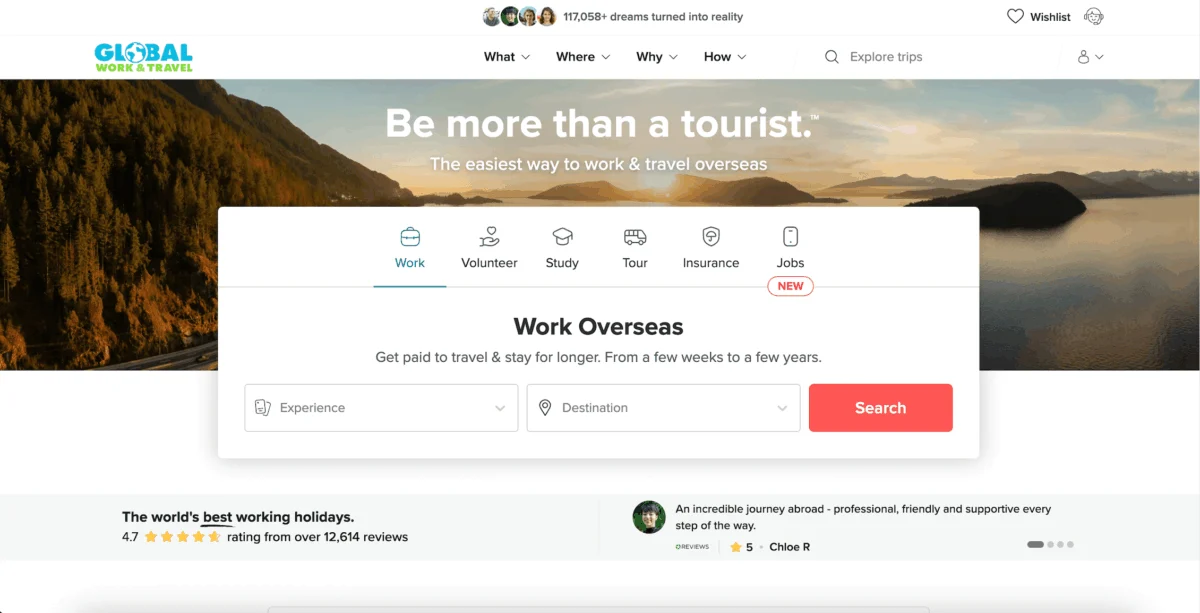
The landscape of international travel is undergoing a fundamental shift as the traditional model of passive tourism faces increasing scrutiny for its extractive nature. Modern travelers, particularly within the 18-to-35 demographic, are increasingly rejecting the "touch-and-go" approach to landmarks in favor of "deep travel"—a methodology defined by extended stays, local labor integration, and community-based contribution. At the forefront of this transition is Global Work & Travel, an organization that has spent nearly two decades facilitating the infrastructure required for long-term international mobility. Since its inception, the company has assisted over 116,000 individuals in navigating the complexities of working holidays, volunteer programs, teaching positions, and internships across the United Kingdom, Europe, the Americas, Asia, Africa, and the Pacific.
The Structural Shift from Passive Tourism to Local Integration
For decades, the travel industry was dominated by short-term leisure trips characterized by high turnover and minimal local interaction. Industry analysts describe this as "extractive travel," where visitors consume local resources and scenery without establishing lasting social or economic ties. However, a growing body of evidence suggests that the most transformative travel experiences—both for the traveler and the host community—occur when the visitor is embedded within the local ecosystem.
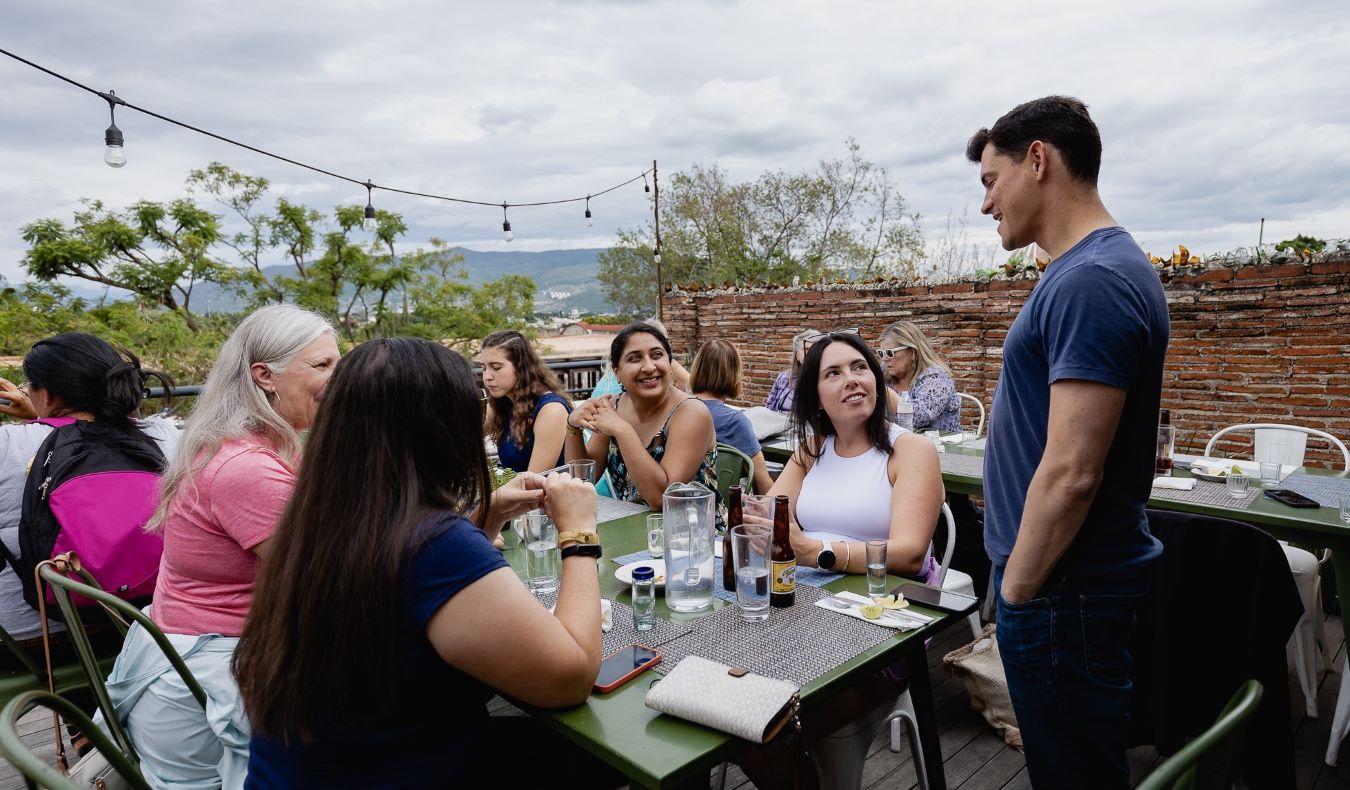
To achieve this level of immersion, travelers are increasingly seeking "scaffolding" or support structures that mitigate the logistical barriers of moving abroad. While many aspire to the lifestyle depicted in cinema—befriending locals and stumbling into unique cultural moments—the reality of short-term travel often precludes such depth. Local populations in high-tourism areas frequently maintain a social distance from transient visitors. By contrast, those who secure employment or volunteer long-term are afforded the opportunity to build authentic relationships through shared professional goals and daily routines.
A Two-Decade Chronology of Structured Gap Year Travel
The concept of the "gap year" has evolved significantly since the early 2000s. In the era preceding digital ubiquity, finding legitimate, vetted international opportunities was a fragmented and often risky process. Prospective travelers had to rely on unverified listings and lacked centralized support for visa navigation and housing.
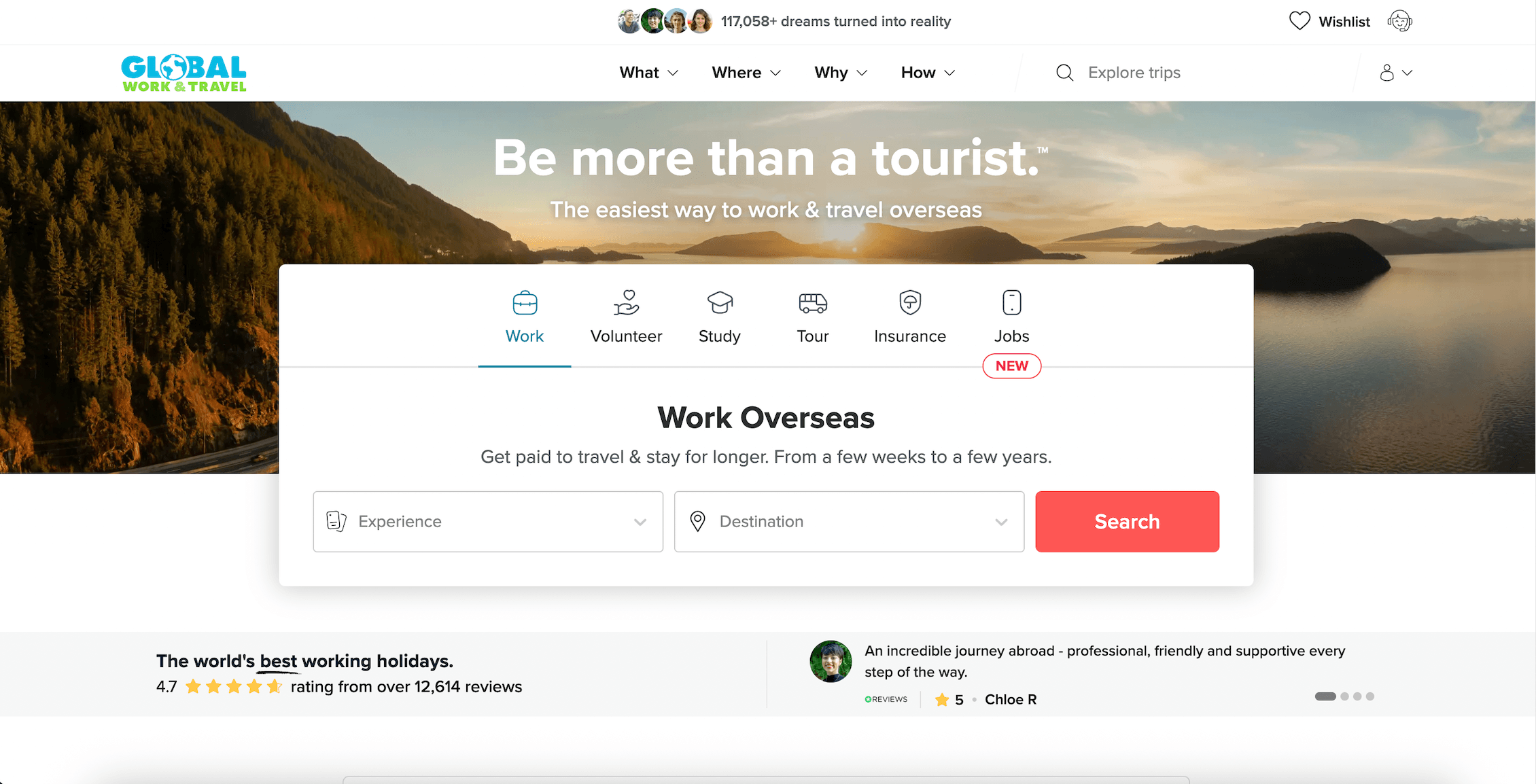
Global Work & Travel emerged nearly 20 years ago to centralize these functions. The company’s trajectory mirrors the broader professionalization of the youth travel sector. By developing the gWorld portal—a proprietary personal trip management application—the organization modernized the "working holiday" by providing pre-departure support, visa guidance, and ongoing placement assistance. This technological shift has reduced the "deliberation phase" for first-time travelers, converting theoretical interest into actual departures by lowering the barrier to entry.
Working Holidays as the Practical Successor to Digital Nomadism
For much of the last decade, the "digital nomad" lifestyle was considered the pinnacle of long-term travel. This model relied on remote employment, earning in strong currencies while living in lower-cost regions. However, market data indicates that this path is only accessible to a specific subset of the workforce—typically mid-career professionals with established remote roles and significant income stability.
Recent trends suggest that working holiday makers are becoming the new "digital nomads" of the younger generation. Unlike traditional remote workers, who often exist in "coworking bubbles" separate from the local population, working holiday participants integrate directly into the local economy. By obtaining jobs upon arrival, these travelers meet colleagues through work rather than just other tourists in hostels. This model provides several socio-economic advantages:
- Economic Sustainability: Travelers earn local wages to cover their costs, making year-long stays financially viable.
- Skill Acquisition: International work experience enhances resumes and provides cross-cultural communication skills.
- Local Impact: Participants fill labor shortages in sectors such as hospitality, agriculture, and education, contributing to the host country’s GDP.
The Ethics and Impact of Vetted Volunteering
The international volunteering sector, often termed "voluntourism," has historically faced criticism for profit-driven models that offer little long-term benefit to host communities. In response, the industry has seen a move toward "ethical volunteering," which prioritizes programs defined by local needs rather than traveler desires.
Global Work & Travel addresses these concerns by vetting programs in wildlife conservation, community development, education, and healthcare. Current data-driven initiatives include community projects in Zanzibar and elephant rehabilitation in Thailand. Furthermore, the establishment of the Global Animal Welfare Fund demonstrates a shift toward institutional responsibility, channeling resources directly into conservation projects at partner sites. This ensures that the impact of the traveler extends beyond their physical presence, providing a financial backbone for local NGOs.
Logistical Barriers and Financial Security in International Travel
Moving abroad remains a complex undertaking despite the increase in available information. Key challenges include:
- Visa Quotas and Requirements: Many countries, such as Australia and Canada, have strict age caps (typically 35) and annual quotas for working holiday visas.
- Accommodation Scarcity: Finding permanent housing in a foreign city without a local credit history or employment contract can be nearly impossible for solo travelers.
- Financial Risk: The volatility of global events has made travelers more cautious about their investments.
To counter these risks, structured programs have implemented "lifetime deposit" policies, ensuring that initial payments do not expire if travel plans are delayed. Additionally, membership in consumer protection services has become a standard requirement for reputable agencies, providing a safety net against financial loss.
Supporting Data and Demographic Trends
According to the WYSE Travel Confederation, youth travel represents approximately 23% of all international arrivals. This demographic is more resilient to economic downturns and stays longer than older travelers. Data from Global Work & Travel indicates that most participants begin planning their trips 6 to 12 months in advance to account for job matching and visa processing.
While solo travel is the most common scenario for these programs, the "gWorld Community" and similar digital networks have mitigated the social isolation often associated with moving to a new country. This reflects a broader trend in the travel industry: the use of technology not to replace the physical experience, but to facilitate the social and logistical foundations of it.
Broader Implications for Global Diplomacy and Labor Markets
The rise of structured working holidays has implications that extend beyond the individual traveler. On a macro level, these programs function as a form of "soft power" or cultural diplomacy. Travelers who spend a year working in a foreign country return to their home nations with a sophisticated understanding of that country’s culture, politics, and social norms.
Furthermore, in a post-pandemic global economy characterized by labor shortages in the service and agricultural sectors, working holiday makers provide a flexible and motivated workforce. Countries like Australia have historically relied on these travelers to support their multi-billion dollar agricultural exports. By professionalizing the recruitment and placement of these travelers, organizations like Global Work & Travel are effectively managing a global talent pipeline.
Conclusion: The Future of Immersion
As the travel industry continues to recover and evolve, the demand for "deep travel" is expected to grow. The shift from being a spectator to being a participant marks a maturation of the travel market. For those seeking to bridge the gap between tourism and residency, the availability of structured support—ranging from visa assistance to ethical volunteering placements—is the critical factor.
Through the use of promotional incentives, such as the code NOMADICMATT which provides a $100 discount, and accessible entry points like the $1 start fee, agencies are making international residency a realistic prospect for a broader demographic. Ultimately, the move toward working holidays and immersive volunteering suggests a future where travel is defined not by the landmarks visited, but by the work performed and the relationships established. In this new era, travel is no longer a temporary escape from life, but a meaningful way to build one.


 Anjar Salim
 Chandra Hamzah
 Tatiana Tantri Indah Sari
 Budi Mulyono
 Lukman Taruna Persada Ramadan
