
 Susilo Edi Turonggo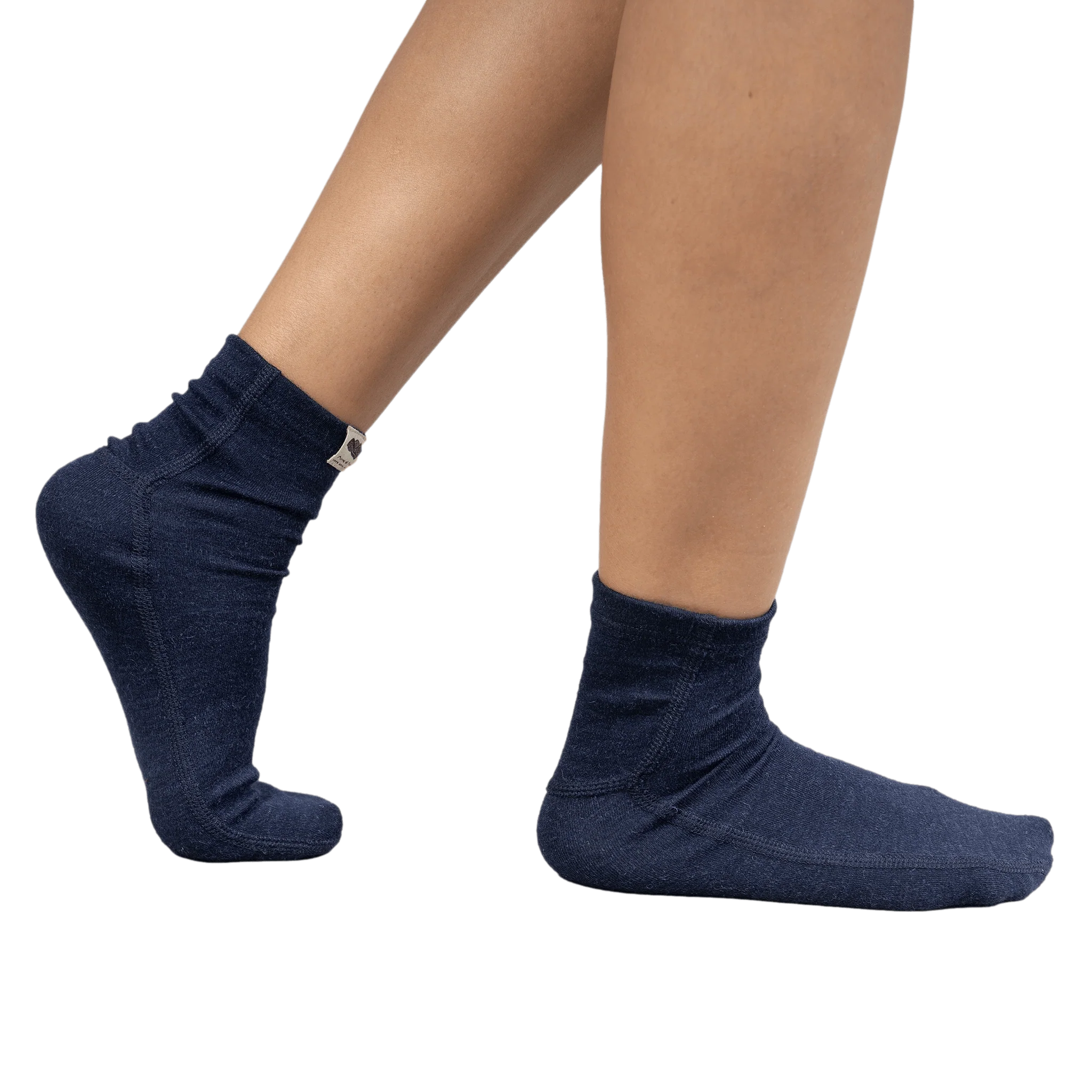
The seemingly innocuous sock, often overlooked in the grand scheme of fashion, is increasingly becoming a focal point in the broader discourse surrounding health-conscious consumerism and sustainable textile practices. Far from being a mere accessory, the materials and dyes used in sock production can have significant implications for wearer comfort, skin health, and environmental well-being. A growing awareness of the potential irritants and toxins in conventional hosiery is driving a consumer shift towards products crafted from natural fibers and certified skin-safe dyes, marking a pivotal moment in how everyday apparel is perceived and produced.
The Hidden Dangers: Unpacking the Chemical Landscape of Conventional Socks
For many, the experience of itchy feet or unpleasant odors after a day in colorful synthetic socks is a common, if minor, annoyance. However, the root causes of these issues extend beyond simple discomfort, pointing to a more systemic problem within the textile industry. Conventional socks, particularly those made from synthetic materials like polyester, are frequently treated with a cocktail of chemicals, some of which are known to be detrimental to human health and the environment.
One of the most concerning culprits identified in synthetic textiles are azo-benzene disperse dyes. These vibrant dyes, widely used to achieve the bold colors popular in modern fashion, are not merely superficial coatings. Research indicates that these compounds are known skin sensitizers, capable of triggering allergic reactions and irritation, especially in individuals with sensitive skin. More alarmingly, scientific studies, such as those published by the National Institutes of Health, have highlighted the potential carcinogenicity of certain azo dyes when absorbed through the skin. This risk is amplified in items like socks, where prolonged skin contact, coupled with moisture from sweat, facilitates the faster migration and absorption of these chemicals into the body. The issue is compounded by the fact that plastic-based fabrics, while durable, are less breathable than natural fibers, creating a warm, moist environment conducive to bacterial growth and odor retention, as well as increased chemical absorption.
Beyond dyes, other chemicals such as per- and polyfluoroalkyl substances (PFAS) are sometimes used in textile finishes for water or stain resistance. While not explicitly mentioned for socks in the original text, the general trend in textiles suggests that consumers are increasingly wary of these "forever chemicals" due to their persistence in the environment and documented health risks.
A Chronology of Growing Awareness and Regulatory Response
The recognition of textile-related health and environmental hazards is not new but has gained significant momentum over the past few decades.
- Mid-20th Century: The boom of synthetic fibers (nylon, polyester) offered durability and affordability, with less emphasis on environmental or health impacts.
- 1970s-1980s: Early environmental movements began to raise concerns about industrial pollution, including that from textile dyeing and manufacturing.
- 1992: The Oeko-Tex Standard 100 was introduced, becoming one of the first globally recognized certifications for textiles tested for harmful substances, marking a crucial step towards consumer safety.
- Late 1990s – Early 2000s: Increased scrutiny on labor practices in global supply chains led to the emergence of ethical certifications like Fair Trade and WRAP.
- 2000s onwards: The rise of organic farming and sustainable agriculture led to certifications for organic fibers like GOTS (Global Organic Textile Standard) for cotton. Standards for animal welfare in fiber production, such as the Responsible Wool Standard (RWS), also gained prominence.
- 2010s onwards: A heightened focus on circular economy principles, microplastic pollution, and chemical transparency has pushed brands and consumers further towards genuinely sustainable and non-toxic options, including a preference for natural, biodegradable materials and dyes with minimal environmental impact.
This evolution reflects a societal shift from purely performance-driven product design to a more holistic approach that integrates health, ethics, and environmental stewardship.
Pivoting Towards Sustainable Solutions: The Non-Toxic Sock Movement
The good news for consumers is that switching to certifiably safe socks does not necessitate a compromise on style or comfort. A burgeoning market of brands is now dedicated to producing socks that are both kind to the skin and the planet, offering a diverse range of undyed, naturally colored, and vibrantly patterned options. This movement is underpinned by a commitment to four core pillars: natural materials, non-toxic dyes and finishes, traceable and ethical supply chains, and sustainable packaging.
1. Natural Materials: The Foundation of Skin-Friendly Hosiery
At the forefront of the non-toxic sock revolution are natural fibers. For individuals with sensitivities to synthetics or existing skin conditions, 100% natural fiber socks offer the most beneficial choice. While a small amount of elastane is often incorporated for stretch and durability in most commercial socks, a select few pioneering brands like Cottonique and Arms of Andes have successfully engineered completely synthetic-free options, a rare achievement in the industry. For other brands, the goal is to maximize the natural fiber content, with consumers advised to be mindful of blends containing 20% or more synthetics if skin sensitivity is a primary concern.
- Merino and Alpaca Wool: These luxurious natural fibers are celebrated for their inherent odor-resistant and moisture-wicking properties, making them ideal for socks that maintain comfort in various conditions. Merino wool, known for its fine fibers, offers exceptional softness, while alpaca wool provides superior insulation without bulk. For wool, certifications like the Responsible Wool Standard (RWS) are crucial. RWS guarantees that wool is sourced from farms that adhere to strict animal welfare principles, specifically prohibiting practices like mulesing, a painful procedure where skin is removed from sheep to prevent flystrike. Brands like Paka leverage alpaca wool, while Darn Tough utilizes RWS-certified merino wool in their durable designs.
- Organic Cotton: A perennial favorite for its softness, breathability, and hypoallergenic qualities. The Global Organic Textile Standard (GOTS) is the leading certification for organic cotton, ensuring that the entire supply chain, from farming to manufacturing, meets stringent environmental and social criteria. Brands such as Harvest & Mill, Subset (formerly Knickey), and Kotn champion organic cotton in their collections.
- Tencel (Lyocell): A regenerated cellulosic fiber derived from sustainably sourced wood pulp, Tencel is known for its exceptional softness, moisture absorption, and breathability. Its closed-loop production process minimizes environmental impact.
- Linen: Derived from the flax plant, linen is highly breathable, moisture-wicking, and incredibly durable. It’s a naturally sustainable fiber that requires minimal water and pesticides.
- Bamboo Viscose: While derived from a natural plant, bamboo viscose undergoes a chemical process to become fiber. However, when responsibly processed, it offers superior softness, breathability, and antibacterial properties. Brands like Boody and Cariloha utilize Oeko-Tex-certified organic bamboo viscose.
For those less sensitive to synthetics but committed to sustainability, blends incorporating recycled materials like nylon and polyester are acceptable, provided the majority of the fiber content remains natural. This approach helps divert waste from landfills while still offering enhanced durability and performance.
2. Non-Toxic Dyes & Finishes: Protecting Skin and Waterways
Beyond the fibers themselves, the dyeing and finishing processes represent another critical juncture for ensuring product safety and environmental responsibility. For the most sensitive skin, undyed socks, which embrace the natural hues of the fibers, are the safest choice. Harvest & Mill and Quinn offer excellent dye-free options.
For colored socks, consumers should look for specific certifications that attest to the absence of hazardous substances.
- Oeko-Tex Standard 100: This globally recognized certification ensures that every component of a textile product, from thread to buttons, has been tested for harmful substances and is therefore harmless for human health. It’s a widely adopted standard seen across many brands including Subset, Paka, Arms of Andes, Boody, Kotn, Quinn, Cariloha, Darn Tough, and Swedish Stockings.
- bluesign®: The bluesign® system takes a more holistic approach, focusing on sustainable textile production from the very beginning. It ensures that only responsibly produced chemicals are used, that emissions to air and water are minimized, and that consumer safety is guaranteed.
- Restricted Substances Lists (RSLs): Brands with a robust RSL demonstrate a proactive commitment to chemical management, meticulously vetting their suppliers and materials to ensure that specific hazardous substances are excluded from their production processes. Darn Tough is an example of a brand that maintains and tests against its RSL.
These certifications provide a verifiable assurance that the dyes and finishes used do not contain known irritants, allergens, or carcinogens, safeguarding both the wearer and the workers involved in production, as well as preventing the discharge of toxic chemicals into waterways.
3. Traceable & Ethical Supply Chain: A Commitment to People
A truly sustainable product extends beyond its materials and dyes to encompass the social and ethical dimensions of its production. Transparency in the supply chain is paramount, allowing consumers to understand where and how their socks are made. Brands that openly share the locations of their manufacturing partners and cultivate long-term relationships with them demonstrate a commitment to fair labor practices.
Key certifications in this area include:
- Fair Trade: This certification ensures that producers in developing countries receive fair prices for their products, allowing them to invest in their communities and improve their livelihoods. Subset, Dedicated, and Cariloha are examples of Fair Trade certified brands.
- WRAP (Worldwide Responsible Accredited Production): WRAP is an independent, non-profit organization dedicated to promoting safe, lawful, humane, and ethical manufacturing around the world. Boody and Dedicated work with WRAP-certified facilities.
- B Corp Certification: Certified B Corporations are businesses that meet the highest standards of verified social and environmental performance, public transparency, and legal accountability to balance profit and purpose. Paka, Kotn, Nisolo, and Cariloha proudly hold B Corp status.
These certifications, alongside a brand’s commitment to publishing a restricted substances list and engaging in direct trade with farmers, collectively signal a dedication to ethical manufacturing and worker welfare. Arms of Andes and Kotn, for instance, are noted for their close relationships with co-op farmers and direct trade models.
4. Sustainable Packaging: Minimizing Post-Consumer Waste
Even small items like socks contribute to the global waste problem if packaged irresponsibly. Sustainable packaging practices are an integral part of a brand’s overall environmental commitment. Consumers should seek out brands that utilize:
- Compostable or Biodegradable Packaging: Materials that break down naturally into benign components, returning to the earth without leaving harmful residues. Harvest & Mill, Paka, and Arms of Andes use compostable packaging.
- Recycled and Recyclable Materials: Packaging made from post-consumer waste or designed to be easily recycled after use, closing the loop on material consumption. Kotn and Nisolo use recycled and recyclable packaging.
- FSC (Forest Stewardship Council) Certification: For paper and cardboard packaging, FSC certification ensures that the materials come from responsibly managed forests, supporting biodiversity and community well-being. Cariloha and Darn Tough use FSC-certified packaging.
These efforts significantly reduce the environmental footprint of products before they even reach the consumer.
Leading Brands in the Non-Toxic Sock Landscape
The market now features a robust selection of brands that embody these principles, offering consumers choices that align with their values.
- Harvest & Mill: A leader in dye-free organic cotton socks, committed to a localized U.S. supply chain and compostable packaging.
- Subset (formerly Knickey): Known for Fair Trade and Oeko-Tex-certified organic cotton, with a focus on supply chain transparency from India.
- Paka: Specializes in durable, lightweight socks from alpaca wool and Tencel, dyed with Oeko-Tex-certified dyes and using compostable packaging.
- Arms of Andes: A rare gem offering 100% synthetic-free alpaca fiber socks, sourced ethically from free-range alpacas and packaged compostably.
- Cottonique: Another pioneer in completely synthetic-free, 100% organic cotton socks, designed specifically for allergy-prone skin with dermatological input.
- Boody: Offers a range of organic bamboo viscose and organic cotton socks, with WRAP-certified facilities and Oeko-Tex certification.
- Kotn: A B Corp dedicated to direct trade with Egyptian cotton farmers, using organic cotton and Oeko-Tex-certified dyes with a traceable supply chain.
- Quinn: Designs eczema-friendly organic cotton and merino wool socks, with dye-free options and Oeko-Tex-certified factories in Portugal and Sri Lanka.
- Cariloha: Produces hypoallergenic socks from Oeko-Tex and Fair Trade-certified bamboo viscose and organic cotton, with FSC-certified paper packaging.
- Dedicated: Offers Fair Trade organic cotton socks with bold patterns, working with WRAP-certified suppliers and providing supply chain visibility.
- Darn Tough: Known for durable, RWS-certified merino wool socks made in Vermont, adhering to Oeko-Tex standards and an RSL, with sustainable packaging.
- Nisolo: A B Corp focusing on upcycled cotton, linen, wool, and recycled polyester socks, committed to living wages and recycled packaging.
- Swedish Stockings: Creates knee-highs and ankle socks from Oeko-Tex-certified materials including bamboo viscose, organic cotton, and recycled synthetics, with an emphasis on circularity.
The Broader Implications: Health, Environment, and the Future of Fashion
The growing demand for non-toxic and sustainable socks reflects a broader societal awakening to the interconnectedness of personal health, environmental integrity, and ethical production. By choosing socks made from natural, responsibly sourced fibers and dyed with non-hazardous chemicals, consumers are not only protecting their own skin but also contributing to:
- Public Health: Reducing exposure to potential carcinogens, allergens, and skin irritants.
- Environmental Protection: Minimizing the release of toxic chemicals into water systems, reducing reliance on fossil-fuel-derived synthetic fibers, and combating microplastic pollution. Sustainable packaging further reduces landfill waste and deforestation.
- Ethical Labor Practices: Supporting brands committed to fair wages, safe working conditions, and transparent supply chains, thereby empowering communities and fostering global equity.
- Innovation in the Textile Industry: Driving investment in greener technologies, sustainable fiber development, and circular economy models.
This shift signals a maturing consumer base that values transparency, accountability, and well-being over fleeting trends and unsustainable practices. As more brands adopt these rigorous standards, the non-toxic sock will likely transition from a niche offering to a mainstream expectation, paving the way for a healthier and more responsible future for the entire fashion industry. The humble sock, it turns out, is a powerful symbol of this transformative journey.


 Budi Mulyono
 Anjar Salim
 Chandra Hamzah
 Tatiana Tantri Indah Sari

 Lukman Taruna Persada Ramadan