
 Diana Nuri Rohmawati
Madrid, the sprawling capital of Spain and home to approximately 3.5 million residents, has solidified its position as a primary pillar of European tourism, attracting more than 10 million international and domestic visitors annually. As the largest city in the country, Madrid serves as the administrative, economic, and cultural heart of the Iberian Peninsula. While the city is characterized by its expansive urban layout, it remains celebrated for its preserved historic architecture, world-class culinary institutions, and a social rhythm that prioritizes late-evening engagement and a deliberate, "slow-life" philosophy. For travelers and industry analysts alike, Madrid represents a unique case study in balancing high-volume tourism with the preservation of authentic local heritage.
The Evolution of the UNESCO Landscape of Light
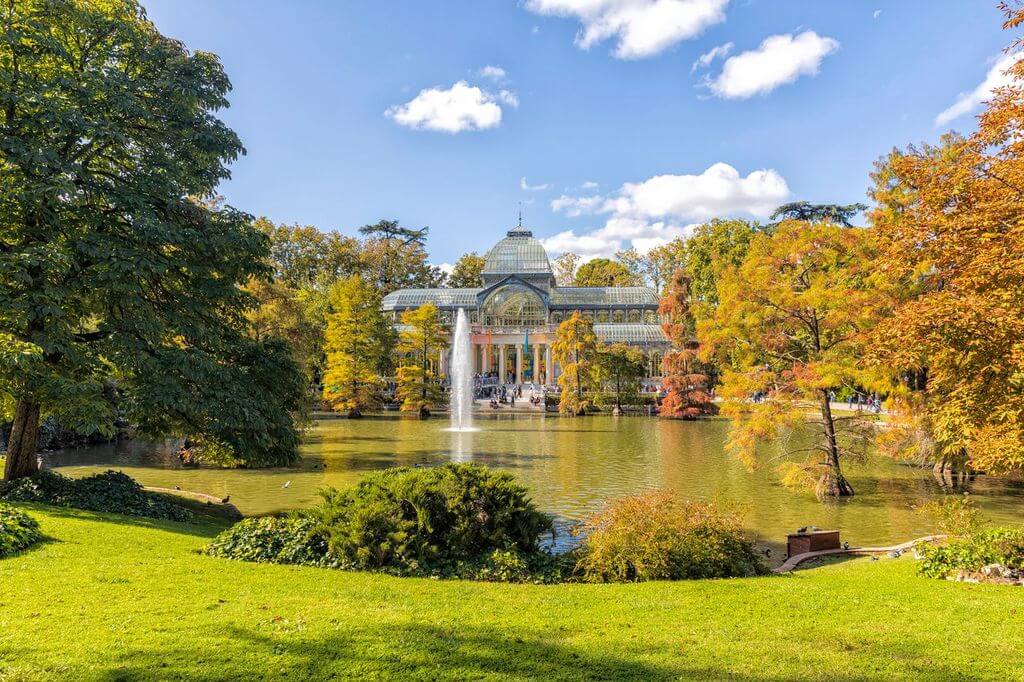
A significant milestone in Madrid’s recent history occurred in 2021 when the "Paisaje de la Luz" (Landscape of Light) was officially designated as a UNESCO World Heritage site. This area, which serves as the focus of a sophisticated cultural itinerary, includes the Paseo del Prado and the Buen Retiro Park. This designation recognizes the intersection of nature, science, and art within an urban environment—a concept that dates back to the enlightened urbanism of the 18th century.
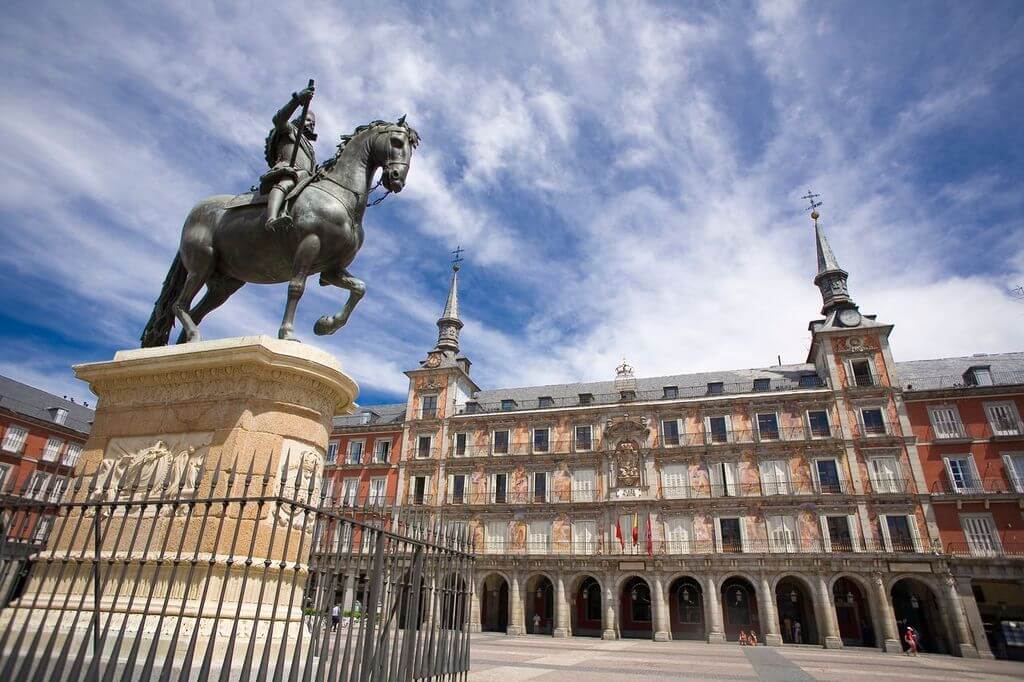
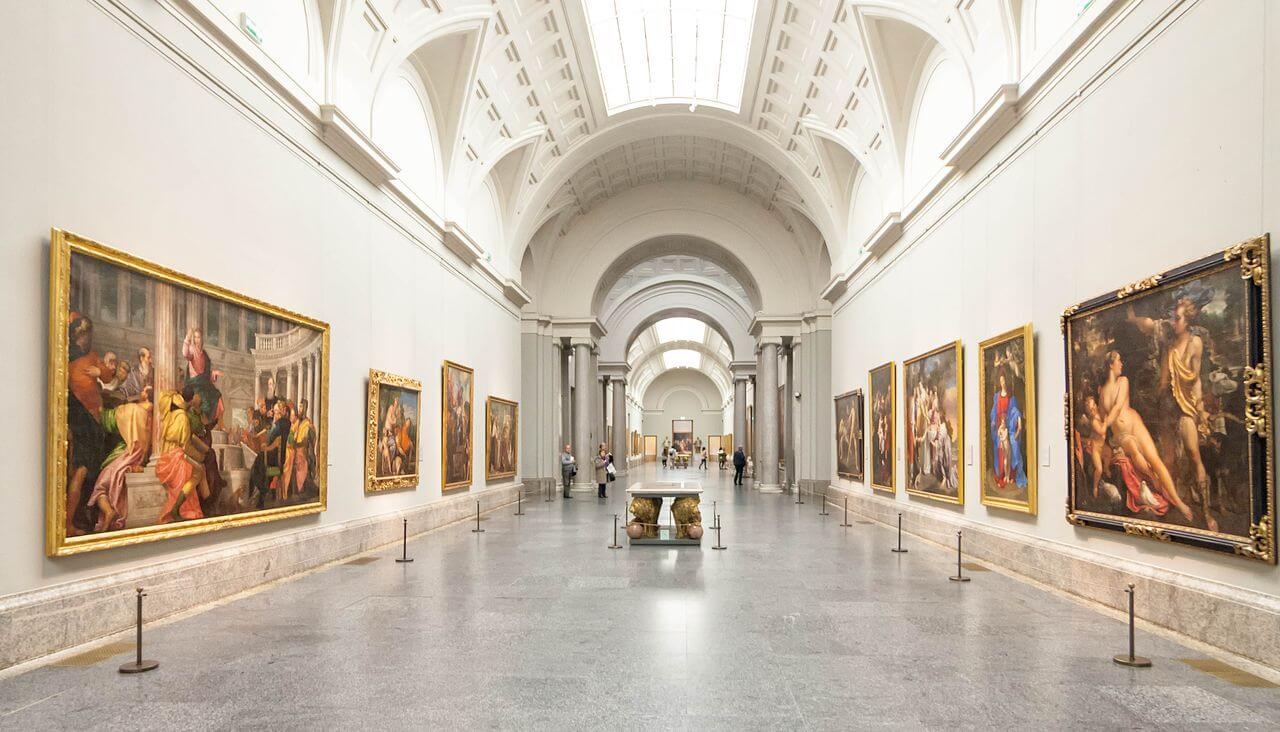
The "Art Walk" remains the cornerstone of this district, anchored by the Museo del Prado. As one of the premier art institutions globally, the Prado houses a definitive collection of European art, featuring masterworks by El Greco, Velázquez, and Goya. Data from the museum suggests that a comprehensive visit requires a minimum of several hours to navigate its vast galleries, which include essential pieces like "Las Meninas."
The cultural density of the area is further enhanced by the Thyssen-Bornemisza Museum and the Reina Sofía National Art Center. The latter is home to Pablo Picasso’s "Guernica," an oil painting commissioned for the 1937 Paris World’s Fair. Curators and historians categorize "Guernica" as perhaps the most significant anti-war statement in modern art, depicting the aerial bombing of the Basque town of Guernica during the Spanish Civil War. The museum’s broader collection, including works by Joan Miró and Salvador Dalí, offers a chronological survey of the evolution of Spanish modernism.
Strategic Preservation of House Museums
Beyond the major institutions, Madrid’s cultural strategy includes the maintenance of "House Museums," which are former private residences transformed into public galleries. These sites offer a more intimate perspective on the city’s domestic and artistic history. The Sorolla Museum, the former home and studio of Joaquín Sorolla, known as "the painter of light," is currently undergoing a major architectural renovation. City officials have slated the museum for a grand reopening in 2026, which is expected to revitalize interest in the Chamberí district.
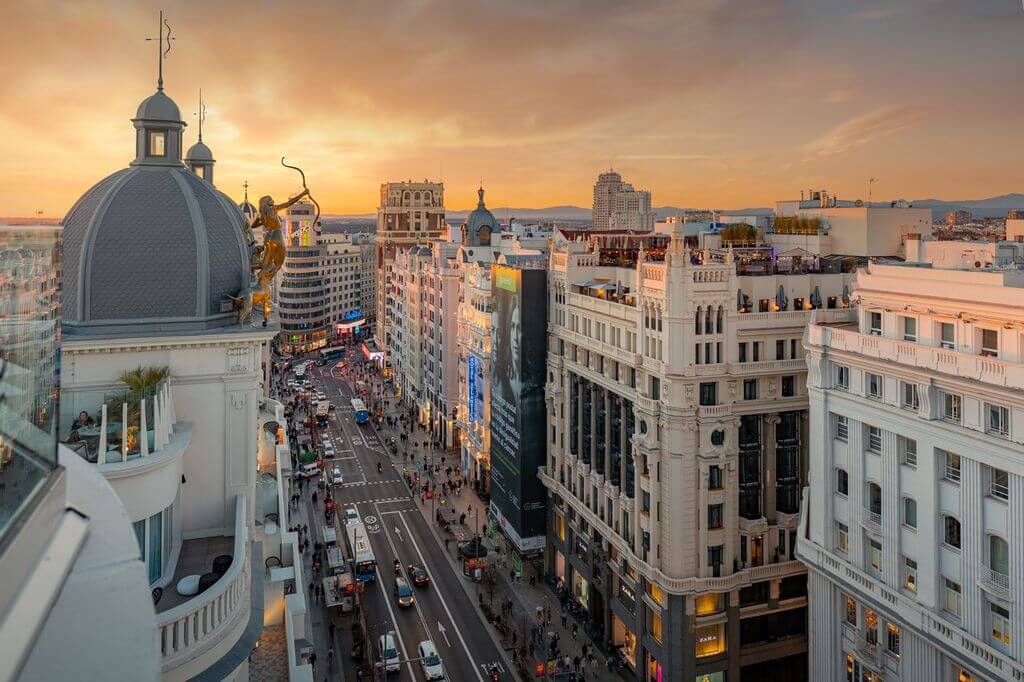
Other notable sites in this category include the Museum of Romanticism, which provides insight into 19th-century bourgeois life, and the Lázaro Galdiano Museum. The latter houses a private collection of Goya and Bosch within a neo-Renaissance mansion, illustrating the historical role of private philanthropy in Madrid’s art scene.
The Habsburg Legacy and Urban Morphology
The historical center of Madrid, often referred to as "Habsburg Madrid" (Madrid de los Austrias), reflects the city’s rise during the 16th and 17th centuries under the Habsburg dynasty. The Puerta del Sol serves as the symbolic and literal center of the Spanish state. It contains "Kilometer Zero," the point from which all radial roads in Spain are measured. The square also features the "El Oso y el Madroño" (The Bear and the Strawberry Tree) statue, a 20-ton bronze work that represents the heraldic symbols of the city.
Adjacent to Puerta del Sol is the Plaza Mayor, a porticoed square completed in 1619. Historically, this space served as the theater for public life, hosting everything from royal coronations to Spanish Inquisition trials. Today, it remains a focal point for the city’s tourism economy.
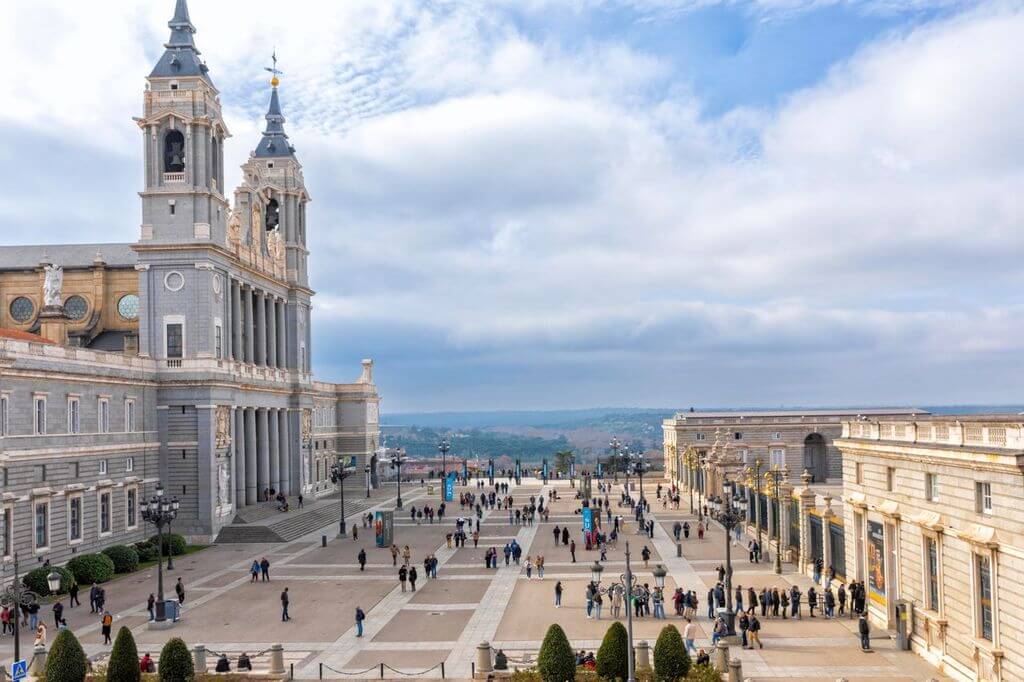
A short distance away stands the Royal Palace of Madrid, the largest functioning royal palace in Western Europe by floor area, covering 135,000 square meters. While it remains the official residence of the Spanish Royal Family, it is now primarily used for state ceremonies, with the monarchs residing at the more modest Palace of Zarzuela. The palace is built on the site of the 9th-century Muslim Alcázar and houses the Royal Armory, one of the most significant collections of medieval weaponry in existence. The architectural ensemble is completed by the Almudena Cathedral, which, despite its neo-Classical exterior designed to harmonize with the palace, was only completed in 1993 after over a century of construction.
Gastronomic Infrastructure and Market Modernization
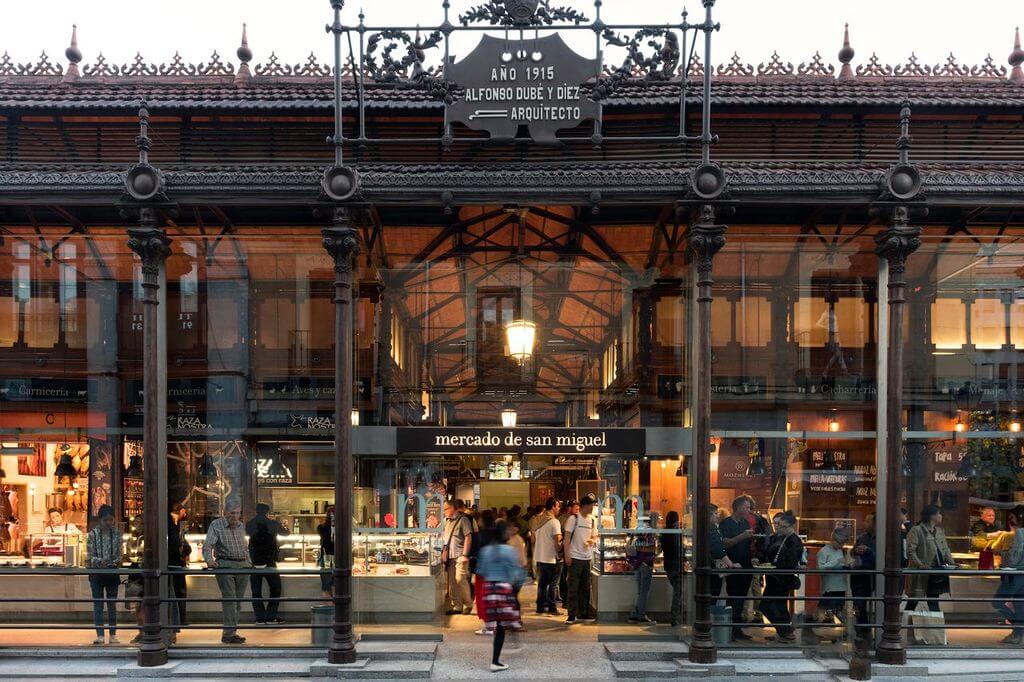
Madrid’s culinary sector is a vital component of its GDP, evolving from traditional taverns to modernized gastronomic markets. The Mercado de San Miguel, a 1916 cast-iron structure, was the first to transition into a gourmet food hall, setting a precedent for other districts. In neighborhoods like Chueca and Chamberí, markets such as San Antón and Vallehermoso have followed suit, blending traditional grocery stalls with high-end tapas bars.
The city also holds the distinction of hosting the world’s oldest continuously operating restaurant, Sobrino de Botín, founded in 1725. This establishment is recognized by Guinness World Records and is historically linked to literary figures such as Ernest Hemingway.
Modern trends are also reshaping the city’s food landscape. The Malasaña district has emerged as a hub for plant-based gastronomy, reflecting a broader European shift toward sustainable dining. This "veganization" of traditional Spanish cuisine—offering meatless versions of croquetas or tortilla—indicates Madrid’s ability to adapt its heritage to contemporary consumer demands.
Regional Connectivity and UNESCO Day Trips
Madrid’s central location makes it a strategic hub for regional heritage tourism. Within a 60-minute radius of the city center, three major UNESCO World Heritage sites offer a broader context of Spanish imperial history:
- San Lorenzo de El Escorial: Commissioned by Philip II in the late 16th century, this complex served as a monastery, palace, and royal mausoleum. Its austere "Herrerian" style marked a departure from the ornate Plateresque architecture of the time, reflecting the somber religious devotion of the Counter-Reformation.
- Aranjuez Cultural Landscape: Located south of the city, the Royal Palace of Aranjuez served as the spring residence for the monarchy. Its gardens, influenced by French and Italian designs, represent the Enlightenment-era effort to harmonize the palace with the natural landscape of the Tagus riverbank.
- Alcalá de Henares: As the world’s first planned university city and the birthplace of Miguel de Cervantes, this site is a testament to the Spanish Golden Age. The University of Alcalá, founded in 1499, served as a model for universities in the Americas.
Sustainable Tourism and Urban Green Spaces
The final component of Madrid’s urban strategy is the integration of massive green lungs, such as the Casa de Campo. Spanning 1,700 hectares, it is five times the size of New York’s Central Park. Originally a royal hunting ground, it was opened to the public in 1931. The park includes a large lake, the city’s zoo, and an amusement park, providing a necessary environmental counterbalance to the city’s high-density urban core.
In the city’s western reaches, the Monasteries of Las Descalzas Reales and La Encarnación offer a different type of seclusion. These active convents house significant royal art collections and relics. Their survival as functioning religious institutions amidst a modern metropolis highlights Madrid’s commitment to "cloisters of history" that remain largely off the standard tourist path.
Analysis of Tourism Implications and Logistical Framework
The success of Madrid’s five-day tourism model is supported by a robust logistical infrastructure. Adolfo Suárez Madrid-Barajas Airport is one of the busiest in the world, serving as the primary gateway between Europe and Latin America. Additionally, the Puerta de Atocha station anchors the AVE high-speed rail network, making the city the nexus of Spanish domestic travel.
From an economic perspective, Madrid’s focus on cultural and "slow" tourism is an intentional move to differentiate itself from the "sun and beach" model of the Mediterranean coast. By emphasizing its "Landscape of Light" and its proximity to historical university and imperial cities, Madrid targets a demographic interested in high-value cultural experiences.
However, the city faces the challenge of "touristification" in central districts like Sol and La Latina. City planners are currently navigating the balance between maintaining a vibrant nightlife—a hallmark of Madrid’s social identity—and ensuring the livability of the city for its permanent residents. The shift toward promoting outlying districts and regional day trips is a key part of this sustainability strategy, aimed at decompressing the historic center while distributing the economic benefits of tourism more equitably across the region.
As Madrid approaches 2026 and the reopening of major cultural assets like the Sorolla Museum, it continues to refine its identity as a city that is simultaneously a modern administrative capital and a living museum of the Spanish Golden Age. Its ability to integrate late-night social energy with high-brow artistic preservation remains its most compelling asset on the global stage.




 Anjar Salim
 Chandra Hamzah
 Tatiana Tantri Indah Sari
 Budi Mulyono
 Lukman Taruna Persada Ramadan
