
 Cholid Fahmi Thalib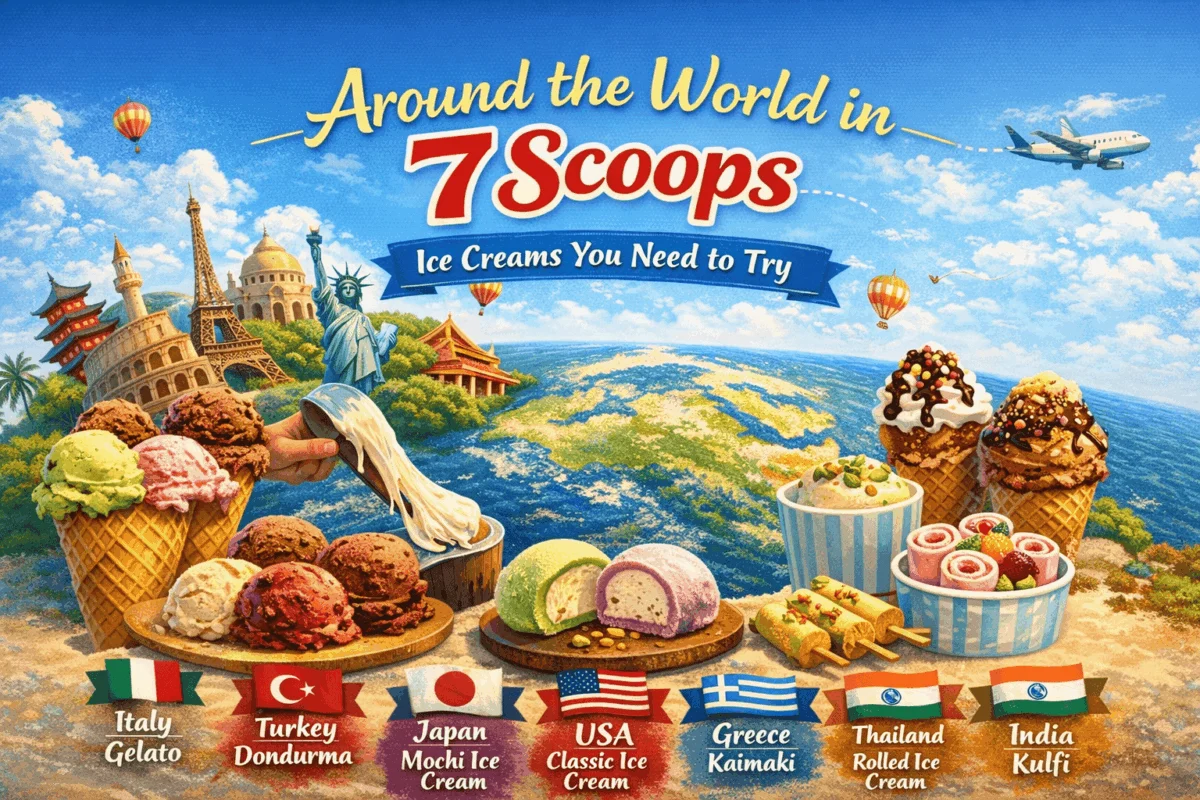
The allure of ice cream, a universally beloved frozen treat, extends far beyond the familiar flavors of vanilla and chocolate. Across continents and cultures, this creamy delight has been meticulously crafted and reimagined, resulting in a diverse array of textures, traditions, and taste sensations. This exploration delves into seven distinct ice cream varieties from around the globe, highlighting their unique ingredients, preparation methods, and cultural significance, demonstrating how a simple dessert can encapsulate centuries of history and culinary artistry.
The Global Tapestry of Frozen Delights
While the concept of freezing sweetened mixtures for consumption dates back millennia, the modern iteration of ice cream has evolved into a canvas for regional innovation. From the densely packed, intensely flavored gelato of Italy to the chewy, elastic dondurma of Turkey, and the delicate, rice-wrapped mochi ice cream of Japan, each creation offers a distinct sensory experience. These variations are not merely culinary curiosities; they are often deeply embedded in the cultural fabric of their origin countries, reflecting local agricultural products, historical trade routes, and evolving gastronomic preferences. The global proliferation of these unique ice cream styles, often driven by culinary tourism and the increasing interconnectedness of food cultures, underscores their enduring appeal and the universal human desire for simple, yet sophisticated, indulgence.
A Journey Through Seven Unique Ice Cream Traditions
Italy: The Refined Art of Gelato
Italy, often hailed as a mecca for culinary excellence, presents gelato as its sophisticated interpretation of ice cream. Unlike its American counterpart, traditional Italian gelato is characterized by a higher proportion of milk to cream, resulting in a lower fat content and a denser, smoother texture. This meticulous balance is further enhanced by a slightly warmer serving temperature, which paradoxically amplifies the intensity of the flavors. Authentic gelato artisans often prioritize fresh, seasonal ingredients, allowing the natural essence of fruits like pistachio, the richness of chocolate, or the subtle sweetness of stracciatella to shine through. The production process typically involves slower churning, incorporating less air, which contributes to its characteristic velvety mouthfeel. The cultural significance of gelato in Italy is profound, with gelaterias serving as cherished community hubs and a source of national pride, embodying a dedication to quality and sensory pleasure that has been refined over generations. The meticulous craftsmanship and dedication to pure flavor have cemented gelato’s status as a benchmark in the world of frozen desserts.
Turkey: Dondurma’s Elastic Charm and Theatrical Presentation
In Turkey, ice cream takes on a dramatic and engaging form with dondurma. Its defining characteristic is its extraordinary elasticity and chewiness, a result of the inclusion of salep, a flour derived from the roots of wild orchids. This unique ingredient, coupled with mastic (a resin from the mastic tree), lends dondurma a distinct texture and flavor profile that sets it apart. The preparation of dondurma is a performance in itself, with vendors employing long paddles to stretch and fold the frozen confection, creating a captivating spectacle for onlookers. This theatrical element, combined with the dessert’s unusual consistency, transforms the act of eating dondurma into an immersive cultural experience. Historically, dondurma has been enjoyed for centuries, with its origins tracing back to the Ottoman Empire. It represents not only a beloved street food but also a symbol of Turkish hospitality and festivity, often enjoyed during celebrations and social gatherings. The visual and textural novelty of dondurma has made it a popular attraction for tourists and a cherished part of Turkish culinary heritage.
Japan: Mochi Ice Cream – A Symphony of Texture and Flavor
Japanese cuisine is renowned for its emphasis on delicate textures and refined aesthetics, and mochi ice cream is a perfect embodiment of these principles. This innovative creation features a scoop of ice cream encased in a soft, chewy shell of mochi, a traditional Japanese rice cake made from glutinous rice. The resulting combination offers a delightful interplay between the cold, creamy ice cream and the yielding, slightly sweet mochi exterior. Japanese mochi ice cream often showcases a spectrum of unique flavors, with matcha green tea and sweet red bean being particularly popular. This fusion of Western-style ice cream with a traditional Japanese confection reflects Japan’s cultural aptitude for adapting and enhancing global culinary trends with its own distinct artistry. While mochi ice cream has gained international recognition, experiencing it freshly made in Japan provides an unparalleled appreciation for its nuanced textures and authentic flavors. Its popularity underscores a global appreciation for innovative dessert concepts that prioritize both taste and tactile sensation.
United States: The Indulgent Spirit of Classic American Ice Cream
The United States offers a vast and diverse landscape of ice cream, characterized by its unapologetic indulgence and penchant for innovation. From artisanal creameries utilizing locally sourced ingredients to iconic brands known for their adventurous flavor combinations, American ice cream celebrates abundance and variety. The spectrum ranges from the simple pleasure of soft-serve cones from roadside stands to elaborate creations loaded with cookie dough, brownie chunks, and a multitude of toppings. This emphasis on richness and generous inclusions has solidified American ice cream’s reputation for comfort and playful decadence. The country’s ice cream industry is a significant economic force, with numerous companies contributing to a vibrant market. This tradition of accessible, often decadent, frozen treats reflects a cultural value placed on enjoyment and accessible luxury, making it a ubiquitous presence in American life and a symbol of carefree pleasure. The sheer variety and willingness to experiment with bold flavor profiles continue to define the American ice cream experience.
Greece: Kaimaki – A Timeless Taste of Chios
In Greece, the unique flavor of kaimaki offers a taste rooted in ancient traditions. Its distinctive character stems from mastic, a rare resin harvested from the mastic tree that grows exclusively on the island of Chios. This natural ingredient imparts a subtle, complex aroma that is both floral and earthy, creating a refreshing and intriguing flavor profile unlike any other ice cream. Kaimaki is typically dense, smooth, and velvety, often served with a scattering of crushed pistachios, which provide a delightful textural contrast. Unlike fleeting dessert trends, kaimaki is a time-honored confection, enjoyed for centuries. Its consumption is akin to savoring a piece of Greek history, connecting diners to the island’s unique ecosystem and culinary heritage. The scarcity of its key ingredient and its deep historical roots contribute to kaimaki’s status as a treasured and authentic Greek delicacy, representing a sophisticated and enduring culinary tradition.
Thailand: Rolled Ice Cream – A Spectacle of Freshness
Thai rolled ice cream, also known as ice cream rolls or stir-fried ice cream, presents a dynamic and visually engaging dessert experience. The process begins with a sweet, creamy liquid base poured onto an intensely cold metal plate. Fresh ingredients, such as fruits and candies, are then rapidly chopped and incorporated into the mixture. The vendor then expertly scrapes the rapidly freezing concoction into delicate rolls, which are artfully arranged in a cup. This made-to-order preparation ensures 100% freshness and results in a wonderfully smooth and light texture. Originating from the bustling streets of Bangkok, this innovative dessert has captured global attention, demonstrating Thailand’s flair for culinary entertainment and fresh, vibrant flavors. The interactive nature of its creation, combined with its customizable ingredients, has made it a popular attraction for food enthusiasts worldwide, showcasing a modern evolution of frozen dessert artistry.
India: Kulfi – A Rich and Slow-Cooked Delight
Kulfi stands as India’s answer to ice cream, distinguished by its rich, dense texture and slow-simmered preparation. Unlike Western ice cream, which relies on churning to incorporate air, kulfi is made by patiently simmering milk for extended periods, reducing it to a thick, creamy consistency. This intensive process concentrates the milk’s natural sugars and flavors, resulting in a deeply satisfying dessert. Traditional kulfi is infused with aromatic spices like cardamom and saffron, or floral essences like rose, often enhanced with chopped nuts such as pistachios. Its dense structure means it is typically molded into conical or cylindrical shapes and melts significantly slower than regular ice cream, allowing for a more prolonged enjoyment. Kulfi is a cherished part of Indian culinary tradition, enjoyed across the subcontinent for its comforting richness and exotic flavor profiles, representing a testament to the art of slow cooking and the nuanced use of spices.
The Broader Impact and Implications of Global Ice Cream Traditions
The diverse array of ice cream traditions from around the world underscores the universal appeal of this frozen dessert, while simultaneously highlighting the rich tapestry of global culinary innovation. Each unique preparation method, from the churning of gelato to the slow simmering of kulfi, reflects distinct cultural values, available ingredients, and historical influences. The increasing accessibility of these diverse ice creams, facilitated by global travel and the interconnectedness of food cultures, allows consumers to experience not just a dessert, but a tangible connection to the heritage and artistry of different nations.
The economic implications are also significant. The global ice cream market is a multi-billion dollar industry, with artisanal and culturally specific offerings carving out important niches. The rise of specialized ice cream parlors and food trucks catering to these unique flavors indicates a growing consumer demand for authentic and novel culinary experiences. Furthermore, the cultural exchange fostered by these shared gastronomic pleasures can contribute to a greater understanding and appreciation of different cultures. As more individuals seek out these global flavors, they are, in turn, engaging with the histories, traditions, and agricultural practices that have shaped these beloved treats.
The phenomenon of international ice cream styles also presents opportunities for culinary education and innovation. Chefs and home cooks alike can draw inspiration from these diverse techniques and flavor combinations, leading to new fusion desserts and a broader appreciation for the art of frozen confectionary. While the familiar comfort of local ice cream shops remains, the global exploration of ice cream reveals a world of possibilities, where every scoop can tell a story and offer a delicious journey across continents. The enduring popularity and continuous evolution of ice cream across cultures affirm its status as more than just a dessert; it is a canvas for creativity, a vehicle for cultural expression, and a source of universal joy.


 Anjar Salim
 Chandra Hamzah
 Tatiana Tantri Indah Sari
 Budi Mulyono

