
 Cholid Fahmi Thalib
The pursuit of travel, an endeavor deeply ingrained in the human spirit, often finds its most enduring memories etched not by grand monuments, but by the nuanced flavors of a well-crafted meal. Food acts as a potent lens through which to understand a destination, offering insights into local culture, economic rhythms, and daily life that a day of conventional sightseeing might overlook. By placing culinary experiences at the core of travel planning, individuals can forge a more profound connection with their chosen locales, manage their time with greater intention, and mitigate the stress often associated with last-minute decisions. This strategic approach moves beyond chasing generic recommendations, empowering travelers to design itineraries that authentically reflect their desire to immerse themselves in the flavors, routines, and everyday dining habits of a place.
The Foundation: Researching Local Food Culture
The cornerstone of any successful culinary itinerary lies in a thorough understanding of indigenous foodways. This involves delving into what locals genuinely consume and the temporal patterns of their meals, as these dictate the flow of daily life. For instance, recognizing that dinner in Madrid typically commences late, or that Florentine markets reach their zenith in the early morning, allows for the alignment of travel plans with these established rhythms, rather than a futile attempt to counteract them. This deep dive can be facilitated through the exploration of local food blogs, specialized culinary forums, and the judicious use of tools such as Virtual Private Networks (VPNs) to access region-specific restaurant listings that might otherwise be inaccessible or obscured in international search results. This diligent preparatory work is crucial for circumventing areas dominated by mass tourism and identifying establishments where quality and value propositions resonate with local expectations.
Data from the World Tourism Organization (UNWTO) indicates a growing trend in experiential travel, with a significant percentage of travelers prioritizing authentic cultural immersion, often centered around food. A 2022 survey found that over 65% of respondents cited local cuisine as a primary motivator for choosing a destination, highlighting the economic significance of this niche. This underscores the importance of research; understanding local dietary customs, preferred ingredients, and even the social significance of certain meals can provide a competitive edge for both travelers and the tourism industry. For example, in Japan, the meticulous preparation and presentation of kaiseki ryori are not merely meals but deeply ingrained cultural rituals that require significant advance planning and understanding.
Balancing the Planned with the Spontaneous
While a curated list of renowned restaurants or iconic dishes is often an integral part of travel aspirations, the complete pre-occupation of every meal slot can render a trip inflexible and less engaging. A strategic approach involves reserving specific slots for marquee culinary experiences – perhaps a celebrated tasting menu, a historical patisserie, or a renowned street food vendor – while intentionally leaving interstitial periods open for serendipitous discoveries. This architectural flexibility allows travelers to readily embrace recommendations from locals encountered along the way or to be drawn into the vibrant atmosphere of a bustling neighborhood eatery that captures their attention. This judicious blend of pre-determined highlights and open-ended exploration reduces the pressure of rigid schedules and frequently leads to more authentic, memorable meals that might have remained undiscovered through online research alone.
The concept of "slow travel," which emphasizes deeper engagement with a destination, often benefits from this balanced approach. Instead of rushing from one pre-booked reservation to the next, travelers can allow for moments of unplanned exploration, leading to discoveries that enrich their understanding of the local fabric. For example, stumbling upon a family-run trattoria in Rome through a recommendation from a local shopkeeper, rather than adhering solely to a pre-selected list, can offer a far more genuine and intimate dining experience. This often translates into better value and a more profound connection to the place.
Structuring the Journey Around Culinary Anchors
A highly effective method for structuring a travel itinerary involves anchoring each day around one significant culinary experience. This provides a clear framework for the day’s activities without creating an overwhelming sense of obligation. For instance, a morning dedicated to exploring a vibrant local market, followed by a leisurely, casual lunch in its vicinity, can set a delightful tone. The afternoon can then be left open for sightseeing or relaxation before a pre-booked dinner reservation. This strategic placement of meals not only minimizes unnecessary travel across a city but also conserves energy, allowing for a more focused and enjoyable exploration. When the flow of the day is dictated by gastronomic objectives, travelers are naturally guided to explore neighborhoods with greater depth, fostering a more organic engagement with their surroundings rather than a disjointed hopping between disconnected attractions.
This approach can be particularly beneficial in cities with distinct culinary districts or renowned food markets. In Barcelona, for example, a day might be built around a visit to La Boqueria market, followed by tapas hopping in the El Born district, culminating in a paella dinner in Barceloneta. Each meal acts as a waypoint, guiding the traveler through different facets of the city’s gastronomic identity.
Leveraging Digital Tools for Seamless Organization
In an increasingly digital world, the utilization of technological tools can significantly streamline the planning process and ensure that all essential information remains readily accessible throughout a journey. Saving restaurant locations as pins on a digital map application, consolidating all booking confirmations into a single, easily retrievable folder, and maintaining a running list of dishes or ingredients to seek out are practical strategies that enhance efficiency. When all pertinent details are centralized, travelers can dedicate less time to logistical minutiae and more time to savoring their experiences and engaging with their surroundings, particularly when unforeseen circumstances necessitate adjustments to the original plan.
The integration of calendar apps, note-taking software, and offline map functionalities can further bolster this organizational framework. For a trip to Southeast Asia, for instance, having offline maps with pinned street food stalls and market locations, alongside translated common phrases for ordering food, can be invaluable. This proactive use of technology transforms potential logistical challenges into seamless transitions.
The Imperative of Ongoing Review and Adaptation
The dynamic nature of travel necessitates a commitment to regular review and adjustment of the itinerary. Each day presents an opportunity to assess what aspects of the plan are functioning optimally and which feel constrained or misaligned with the traveler’s current state. If a particularly indulgent long lunch leaves one feeling overly satiated, a strategic shift to lighter fare or a different neighborhood for dinner the following day can recalibrate the experience. This continuous process of refinement ensures that the journey remains congruent with one’s evolving appetite and energy levels, fostering a sense of organic progression rather than a rigid, pre-ordained schedule.
This adaptive management is particularly crucial in diverse culinary landscapes where the sheer variety of options can be overwhelming. A traveler in Vietnam, for instance, might initially plan to have pho for breakfast every day. However, after experiencing the vibrant banh mi or bun cha, they might adjust their itinerary to incorporate these other iconic dishes, demonstrating a responsive approach to discovery. This flexibility allows for a more genuine and fulfilling exploration of the destination’s gastronomic offerings.
The Broader Impact: Culinary Tourism and Economic Development
The deliberate prioritization of food in travel planning has significant implications beyond individual traveler satisfaction. Culinary tourism has emerged as a powerful driver of economic development for many regions, fostering job creation in agriculture, hospitality, and related service industries. Destinations that actively promote their unique culinary heritage often attract a more engaged and discerning type of tourist, one who is willing to spend more on authentic local experiences. This can lead to a virtuous cycle, where increased tourism revenue supports the preservation of traditional food practices and agricultural diversity.
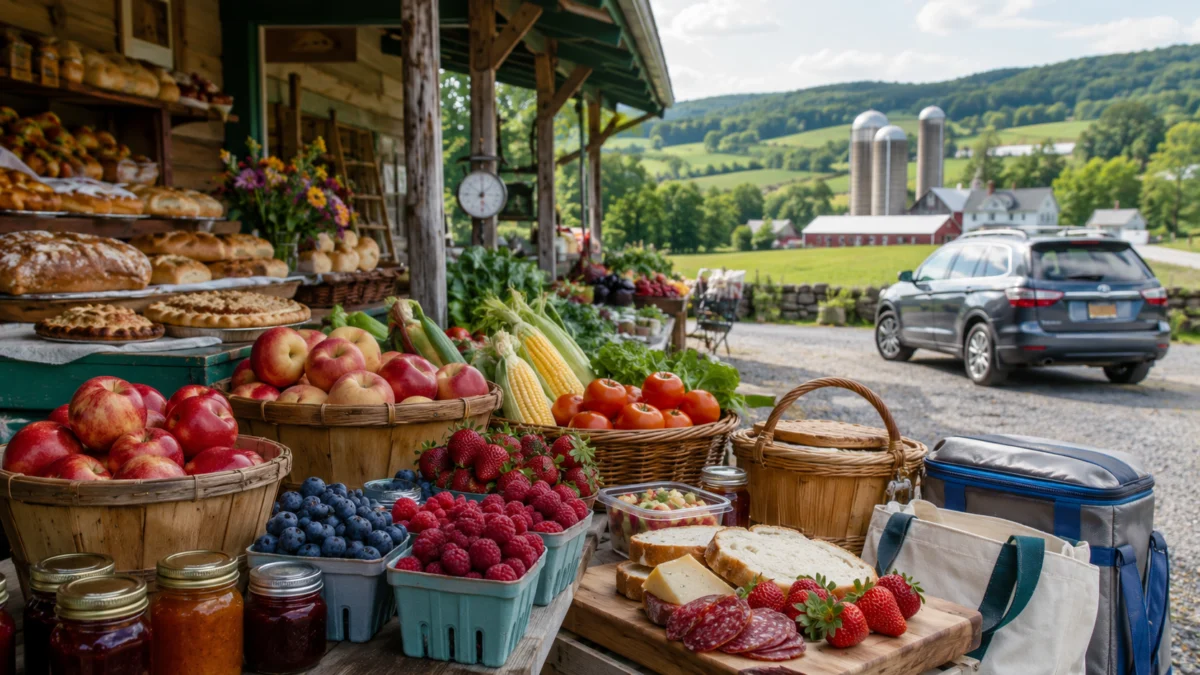
Furthermore, the emphasis on local food can contribute to the sustainability of food systems. By patronizing local producers and restaurants that source regionally, travelers can inadvertently support more sustainable agricultural practices and reduce the carbon footprint associated with food transportation. This aligns with a growing global consciousness around ethical consumption and the desire to support communities in a meaningful way. The rise of farm-to-table movements and agritourism initiatives are testaments to this burgeoning trend, where the connection between food, land, and community is celebrated and intentionally integrated into the travel experience. The strategic planning of culinary itineraries, therefore, is not merely a personal preference but a practice that can contribute to the economic vitality and cultural preservation of the destinations we visit.


 Chandra Hamzah
 Tatiana Tantri Indah Sari
 Budi Mulyono
 Anjar Salim

