
 Cholid Fahmi Thalib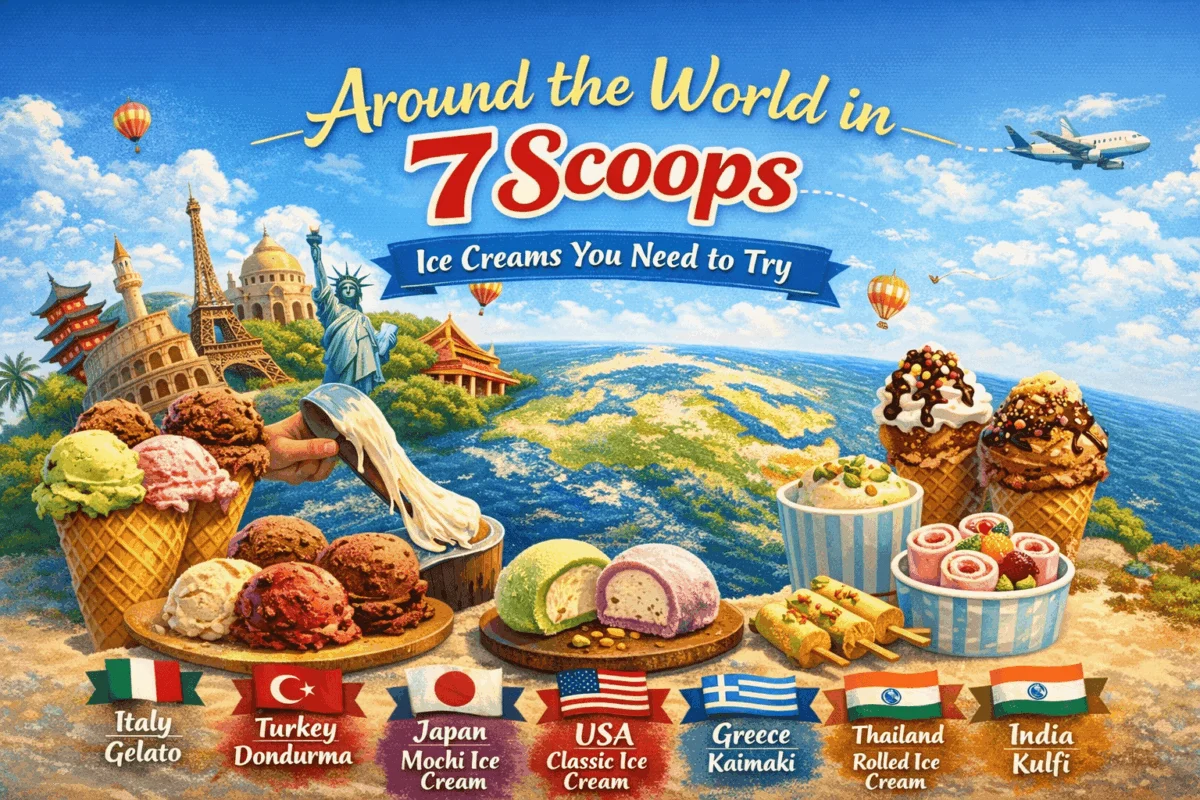
The seemingly simple pleasure of ice cream transcends geographical boundaries, evolving into a diverse tapestry of flavors, textures, and traditions across the globe. While the classic vanilla or chocolate scoop remains a beloved staple, a deeper exploration reveals a world of frozen delights that are far more nuanced and culturally rich than often perceived. This journey delves into the unique ice cream varieties from seven distinct countries, highlighting their origins, ingredients, and cultural significance, demonstrating how this universal treat serves as a delicious ambassador of national heritage.
The Global Evolution of Frozen Desserts
The history of ice cream, or more broadly, frozen desserts, stretches back millennia. Ancient civilizations were known to have consumed snow and ice flavored with fruits and honey. The concept of a more refined frozen dessert began to take shape in China, where a milk and rice mixture frozen in snow was a precursor to modern ice cream. By the Middle Ages, techniques for creating frozen concoctions had spread to the Middle East and eventually to Europe. Italy, in particular, played a pivotal role in popularizing and refining frozen desserts, with the Renaissance period seeing the development of sorbets and early forms of gelato. The expansion of European empires and trade routes facilitated the global dissemination of ice cream-making techniques and ingredients, leading to the distinct regional variations observed today.
The industrialization of ice cream production in the 19th and 20th centuries made it more accessible to the masses, but it also led to a homogenization of flavors in some markets. However, a resurgence of interest in artisanal and traditional foodways has brought renewed attention to the unique ice cream cultures that have flourished independently or in dialogue with global trends. This renewed appreciation underscores the cultural value embedded in food, transforming a simple dessert into a window into history, local agriculture, and culinary artistry.
A World of Creamy Delights: Seven Countries, Seven Unique Ice Creams
Italy: The Art of Gelato
Italy is synonymous with gelato, a frozen dessert that, while often mistaken for ice cream, possesses distinct characteristics rooted in Italian culinary philosophy. Gelato is typically made with a higher proportion of milk to cream and contains fewer egg yolks than traditional ice cream. This composition results in a denser, smoother, and more intensely flavored product. The churning process for gelato is also slower, incorporating less air, which further contributes to its rich texture. Crucially, gelato is served at a slightly warmer temperature than ice cream, typically between 15-20°F (-9 to -6°C), compared to ice cream’s 0-10°F (-18 to -12°C). This elevated serving temperature allows the delicate aromas and nuanced flavors of ingredients like pistachios, hazelnuts, and fresh fruits to be more fully appreciated.
The cultural significance of gelato in Italy is profound. Gelaterias are more than just dessert shops; they are community hubs and a source of national pride. The emphasis on fresh, seasonal ingredients and artisanal preparation reflects a broader Italian commitment to quality and authenticity in their cuisine. Reports from the Italian National Institute of Statistics (ISTAT) have consistently shown gelato consumption to be a significant part of the Italian diet, with specialized gelato shops representing a thriving sector of the food industry. The proliferation of gelaterias across the country, from bustling city centers to quaint villages, attests to its enduring popularity and cultural importance.
Turkey: Dondurma, the Elastic Delight
Turkish dondurma offers a unique sensory experience, distinguished by its remarkable elasticity and chewiness. This distinctive texture is achieved through the inclusion of two key ingredients: salep and mastic. Salep is a flour derived from the tubers of certain orchid species, rich in a gummy polysaccharide that acts as a natural thickener and emulsifier. Mastic, a resin obtained from the mastic tree native to the Greek island of Chios and also found in parts of Turkey, adds a subtle, slightly pine-like aroma and contributes to the unique texture.
The preparation of dondurma is a performance in itself. Vendors, often donning traditional attire, skillfully stretch, fold, and pound the dondurma using long-handled paddles. This theatrical serving method, coupled with the dessert’s unusual texture, creates a memorable and engaging experience for consumers. Dondurma is deeply ingrained in Turkish culture, often associated with street vending and festive occasions. Its resistance to melting, attributed to its unique composition, makes it a resilient treat, especially in warmer climates. While precise consumption data is not readily available, dondurma is a prominent feature of Turkey’s vibrant street food scene and a significant draw for tourists seeking authentic culinary experiences.
Japan: Mochi Ice Cream, a Harmonious Fusion
Mochi ice cream represents a fascinating intersection of traditional Japanese confectionery and modern dessert innovation. It features a scoop of ice cream, often in unique Japanese flavors such as matcha (green tea), adzuki (sweet red bean), or yuzu (citrus), encased within a soft, chewy outer layer of mochi. Mochi itself is a Japanese rice cake made from mochigome, a short-grain japonica glutinous rice. The rice is pounded into a paste and then molded.
The appeal of mochi ice cream lies in the delightful textural contrast between the soft, yielding mochi shell and the cold, creamy ice cream filling. This fusion reflects Japan’s meticulous attention to texture and presentation in its culinary arts. While mochi ice cream is now produced and sold globally, experiencing it freshly made in Japan, where artisanal techniques and diverse flavor profiles are prevalent, offers a distinct appreciation for its origins. The popularity of mochi ice cream has surged in recent decades, becoming a sought-after treat both domestically and internationally, with reports indicating a significant growth in the global market for Japanese confectionery.
United States: The Indulgent American Classic
American ice cream is often characterized by its richness, creaminess, and a penchant for bold, indulgent flavors and generous inclusions. The standard American ice cream recipe typically contains a higher fat content than gelato, often due to a greater proportion of cream and sometimes the inclusion of egg yolks. This higher fat content contributes to its characteristic smooth, dense, and luxurious mouthfeel. The United States boasts a vast and innovative ice cream industry, ranging from large-scale manufacturers producing beloved brands to small, artisanal creameries focusing on locally sourced ingredients and unique flavor combinations.
The American ice cream landscape is marked by its sheer diversity and spirit of innovation. Flavors can range from nostalgic classics like chocolate chip cookie dough and rocky road to avant-garde creations featuring exotic spices or savory elements. The culture surrounding ice cream in the U.S. is deeply tied to concepts of comfort, celebration, and casual enjoyment. From roadside soft-serve stands to upscale dessert parlors, ice cream is a ubiquitous presence at family gatherings, summer outings, and everyday treats. Market research consistently shows the United States as one of the largest consumers of ice cream globally, with the industry generating billions of dollars annually.
Greece: Kaimaki, the Mastic-Infused Tradition
Kaimaki is a unique Greek ice cream that stands apart due to its distinctive flavor derived from mastic, a resin harvested from the mastic tree that grows predominantly on the island of Chios. This natural resin imparts a complex flavor profile to the ice cream, often described as slightly floral, woody, and subtly sweet, with earthy undertones. The texture of kaimaki is dense, smooth, and velvety, offering a luxurious mouthfeel. It is often served plain or garnished with crushed pistachios, which complement its unique flavor.
This ice cream is not a modern invention but a centuries-old tradition, deeply rooted in Greek culinary heritage. The use of mastic in food and medicine dates back to antiquity, and its incorporation into ice cream is a testament to its enduring appeal. Kaimaki represents a link to Greece’s historical connection with the Mediterranean diet and its resourceful use of local ingredients. While specific consumption statistics for kaimaki are not widely published, its status as a traditional delicacy ensures its continued presence in Greek dessert culture, particularly in regions where mastic is readily available.
Thailand: Rolled Ice Cream, a Spectacle of Freshness
Thai rolled ice cream, also known as stir-fried ice cream or Thai-style ice cream rolls, offers a visually captivating and freshly prepared dessert experience. The process begins with a liquid base, typically a mixture of milk, cream, and sugar, poured onto a super-cooled metal plate. Fresh ingredients such as fruits, candies, or cookies are then added and rapidly chopped and mixed into the base as it freezes. Once the mixture solidifies, it is scraped into thin sheets and then rolled into delicate cylinders, often served in a cup or waffle cone.
This made-to-order preparation method ensures the ice cream is always fresh and allows for a high degree of customization. The resulting texture is exceptionally smooth and light, a stark contrast to the denser varieties found elsewhere. Rolled ice cream originated on the streets of Bangkok and has since gained international popularity, becoming a trendy dessert phenomenon. The visual spectacle of its creation adds an entertainment element, making it a popular choice for social media sharing. The global expansion of rolled ice cream vendors underscores its widespread appeal and adaptability.
India: Kulfi, the Slow-Simmered Richness
Kulfi is a traditional Indian frozen dessert that distinguishes itself through its dense, creamy texture and slow-simmered preparation. Unlike Western ice cream, kulfi is not typically churned, meaning it incorporates very little air, resulting in a much denser consistency. The process involves slowly reducing milk over several hours, concentrating its flavors and creating a rich, caramelized base. Popular flavorings include cardamom, saffron, rosewater, and pistachios, which are infused into the thickened milk.
Kulfi is traditionally molded into conical or cylindrical shapes and frozen on sticks, allowing it to melt more slowly than regular ice cream. This characteristic makes it ideal for enjoying in warmer climates. Kulfi holds significant cultural importance in India, often served during festivals, celebrations, and as a refreshing treat on hot days. Its heritage is deeply intertwined with the culinary traditions of the Indian subcontinent. While precise market figures for kulfi are difficult to isolate, its widespread availability in India and among the Indian diaspora globally points to its enduring popularity as a beloved national dessert.
Broader Implications and Culinary Diplomacy
The diverse array of ice creams from these seven countries highlights a universal human desire to transform simple ingredients into delightful experiences. Each variation, from the artisanal precision of Italian gelato to the theatrical flair of Turkish dondurma and the textural artistry of Japanese mochi, tells a story of local culture, agricultural bounty, and culinary innovation. These frozen treats are not merely desserts; they are edible ambassadors, offering a palatable introduction to the history, traditions, and spirit of a nation.
The global spread of these ice cream styles, often originating in street food cultures or artisanal shops and then gaining international traction, signifies a growing appreciation for authentic and diverse culinary experiences. This trend not only benefits consumers by offering a wider range of flavors and textures but also supports small-scale producers and preserves traditional foodways. In an increasingly interconnected world, these unique ice creams serve as a delicious and accessible form of cultural exchange, fostering understanding and appreciation across borders, one scoop at a time. The future of ice cream, it seems, is as rich and varied as the world itself.



 Chandra Hamzah
 Tatiana Tantri Indah Sari
 Budi Mulyono
 Anjar Salim

