
 Cholid Fahmi Thalib
Travel, an endeavor driven by myriad motivations, often finds its most profound and enduring memories intertwined with its culinary dimensions. A meticulously planned meal, savored in an evocative setting, possesses a remarkable capacity to convey the essence of a place with a depth that a full day of conventional sightseeing may not achieve. By placing food at the nexus of travel planning, individuals gain a practical framework for engaging with local cultures, optimizing their time with greater intention, and preempting the stress associated with last-minute logistical decisions. This approach transcends the pursuit of serendipitous recommendations, enabling the design of an itinerary that authentically reflects a traveler’s desired experience – one shaped by the unique flavors, daily rhythms, and quotidian dining customs of a destination.
The Strategic Imperative of Food-Centric Travel Planning
The prevailing paradigm of travel often prioritizes iconic landmarks and curated experiences, with culinary exploration relegated to a secondary or supplementary activity. However, a growing body of research and anecdotal evidence suggests that a food-first approach can fundamentally enhance the depth and authenticity of travel. A study published in the Journal of Travel Research indicated that travelers who actively sought out local food experiences reported higher levels of satisfaction and a stronger sense of cultural immersion. This is attributable to the inherent connection between food, community, and tradition. Meals are not merely sustenance; they are rituals, social connectors, and historical narratives. By centering an itinerary around these elements, travelers can unlock a more nuanced understanding of a destination’s social fabric, economic drivers, and historical evolution.
Furthermore, the practical benefits of this strategic planning are significant. A well-defined food itinerary can act as a natural organizing principle for a trip, dictating geographical movements and temporal sequencing in a way that minimizes wasted time and energy. For instance, understanding the peak hours of local markets or the customary timing of evening meals in a particular city can prevent logistical inefficiencies and enhance the likelihood of encountering authentic local life. This proactive approach to culinary engagement can also serve as a powerful tool for economic empowerment, directing tourist spending towards smaller, independent establishments that are often the custodians of regional culinary heritage, thereby fostering a more sustainable and equitable tourism model.
Researching Local Food Culture: The Foundation of an Authentic Itinerary
The foundational step in constructing an effective food-centric travel plan involves a deep dive into the local culinary landscape. This necessitates understanding not just what locals consume, but also when they consume it, as these patterns profoundly influence the flow of daily life and the opportunities for authentic engagement. For instance, recognizing that dinner service in Madrid typically commences late in the evening, or that Florentine markets reach their zenith in the early morning, allows travelers to align their plans with established local rhythms rather than attempting to impose an external schedule that may prove incompatible.
The acquisition of this localized knowledge can be facilitated through a variety of channels. Engaging with local food blogs and online forums provides direct insights from residents and expatriates who possess an intimate understanding of the culinary scene. These platforms often highlight hidden gems, seasonal specialties, and neighborhood eateries that might elude conventional tourist guides. Additionally, the strategic use of digital tools, such as Virtual Private Networks (VPNs), can be instrumental in accessing region-specific restaurant listings and reviews that may be geo-restricted or otherwise unavailable through standard search engines in a traveler’s home country. This proactive digital reconnaissance is crucial for circumventing the prevalence of tourist-centric establishments, which often prioritize volume over quality and may not accurately reflect local gastronomic standards or price points. By investing this extra effort in pre-trip research, travelers can significantly increase their chances of discovering establishments where quality, authenticity, and value align closely with local expectations, thereby fostering a more rewarding and genuine culinary experience. The efficacy of such research is underscored by the increasing reliance on user-generated content and hyper-local information in shaping travel decisions.
Balancing Planned Experiences with Serendipitous Discoveries
While a meticulously crafted itinerary offers structure and assurance, an over-scheduled trip can inadvertently stifle the spontaneous joy of discovery that often defines memorable journeys. Therefore, a strategic approach to food-centric travel involves a deliberate balance between pre-booked, high-priority culinary experiences and ample room for unplanned encounters. Travelers may identify a shortlist of iconic restaurants, signature dishes, or historic establishments that represent non-negotiable elements of their culinary exploration. These could include securing reservations for a renowned tasting menu, visiting a legendary café with a storied past, or participating in a specialized cooking class.
However, it is equally important to leave interstitial spaces within the daily schedule, allowing for flexibility and emergent opportunities. This judicious allocation of time for spontaneous stops permits travelers to act on recommendations received from locals encountered during their explorations, or to be drawn into a bustling neighborhood eatery that captures their attention. This blend of planned certainty and serendipitous openness mitigates the pressure of adhering to a rigid schedule and frequently leads to more authentic and unexpected culinary encounters that might not have surfaced through online searches. The psychological benefit of this flexibility cannot be overstated; it reduces travel anxiety and enhances the overall enjoyment of the journey, transforming potential logistical challenges into delightful discoveries. This approach acknowledges that the most profound connections are often forged in the unplanned moments.
Structuring the Day Around Signature Culinary Anchors
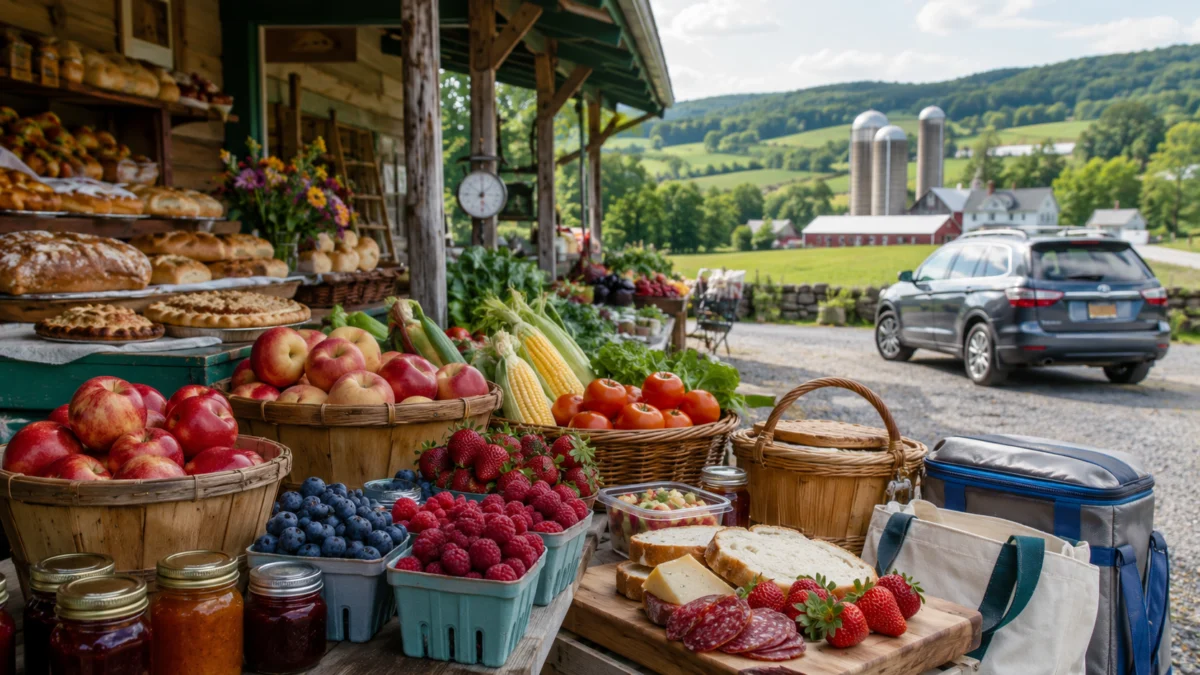
To ensure a structured yet engaging travel experience, it is highly effective to anchor each day around one or two meaningful culinary experiences. This strategy provides a clear framework for daily activities without rendering the itinerary overly rigid or overwhelming. For instance, a traveler might plan to commence their morning with a visit to a vibrant local market, followed by a relaxed, casual lunch at a nearby eatery that showcases regional produce. The afternoon could then be left open for broader sightseeing or exploration of a particular neighborhood, culminating in a pre-booked dinner reservation at a restaurant that offers a distinct gastronomic experience.
This method of mapping daily activities around signature food experiences offers several practical advantages. It effectively minimizes unnecessary travel time and geographical crisscrossing within a city, thereby conserving energy and maximizing the efficiency of exploration. By allowing meals to dictate the general flow of the day, travelers are naturally guided to explore specific neighborhoods more deeply, fostering a more intimate connection with the locale rather than a superficial traversal between disconnected tourist attractions. This sequential approach, where culinary objectives serve as navigational beacons, ensures that each day is imbued with purpose and offers a cohesive narrative of discovery, moving from the vibrant pulse of a market to the nuanced flavors of a restaurant, all within a geographically coherent framework. The economic implication of this is also significant, as it encourages sustained engagement with local businesses throughout a particular area.
Leveraging Digital Tools for Seamless Organization
In the contemporary travel landscape, the judicious application of digital tools is indispensable for maintaining organization and accessibility throughout a journey, particularly when navigating between diverse locations. A robust digital infrastructure can significantly streamline the planning process and ensure that all essential information is readily available at one’s fingertips. This includes the strategic use of map applications to save specific restaurant locations as pins, creating a visual guide to culinary points of interest. Furthermore, consolidating all dining reservations and bookings into a single, easily accessible digital folder prevents the frustration of searching through multiple emails or paper confirmations.
Maintaining a digital notepad or a dedicated application for recording notes on dishes to try, ingredients to seek out, or local recommendations received can further enhance the planning process. When all relevant information is centralized, travelers can dedicate less time to administrative tasks and information retrieval, and more time to actively engaging with their surroundings and savoring their experiences. This efficiency becomes particularly critical when travel plans require unexpected adjustments, allowing for swift and informed decision-making without derailing the overall enjoyment of the trip. The integration of these tools transforms potential logistical friction into a smooth and intuitive experience, enabling travelers to remain present and responsive to the unfolding journey. The widespread adoption of cloud-based storage and cross-device synchronization further amplifies the utility of these tools.
The Imperative of Continuous Review and Adaptation
The dynamic nature of travel necessitates an ongoing process of review and adjustment to ensure that the itinerary remains aligned with the traveler’s evolving needs and preferences. Committing to a daily check-in with the planned itinerary allows for an objective assessment of what is working well and what may feel overly constrained or misaligned with current circumstances. For example, if a particularly indulgent long lunch leaves one feeling overly satiated, it is pragmatic to adjust the subsequent evening’s dining plans to lighter options or to explore a different neighborhood that offers a contrasting culinary experience.
This iterative refinement process is crucial for maintaining the organic feel of a trip, preventing it from devolving into a rigid, over-planned exercise. By remaining responsive to one’s appetite, energy levels, and immediate surroundings, the travel experience can feel more natural and less dictated by pre-conceived notions. This adaptive management of the itinerary ensures that the journey remains a fluid and enjoyable exploration, rather than a series of obligatory checkpoints. Such flexibility is not merely about convenience; it is about cultivating a deeper, more responsive engagement with the destination, allowing for serendipitous discoveries and a more profound connection with the local way of life. The capacity for adaptation is a hallmark of successful and fulfilling travel experiences, underscoring the importance of both foresight and the willingness to deviate from the initial plan when circumstances warrant. This principle is also reflected in project management methodologies, where agile approaches emphasize continuous feedback and iteration.
The Broader Implications: Economic, Cultural, and Personal Enrichment
The adoption of a food-centric approach to travel planning extends beyond individual enjoyment, carrying broader implications for destinations and the global tourism industry. By prioritizing local culinary experiences, travelers contribute directly to the economic vitality of communities, often supporting small businesses, artisan producers, and traditional food artisans. This economic linkage can foster a more sustainable tourism model, where visitor spending directly benefits the local population and helps preserve culinary heritage.
Culturally, food serves as a powerful ambassador, offering insights into history, agriculture, social customs, and regional identity. When travelers engage with food authentically, they become more informed and appreciative of the nuances of a destination’s culture, fostering greater cross-cultural understanding and respect. This deeper connection can lead to more meaningful interactions with local people, transcending superficial tourist encounters.
On a personal level, this strategic approach to travel enrichment leads to a more profound and memorable experience. The sensory engagement with diverse flavors, aromas, and textures creates lasting impressions, often surpassing those derived from visual landmarks alone. The act of planning and executing a food-focused itinerary cultivates a sense of accomplishment and personal agency, empowering travelers to shape their journeys in ways that are deeply resonant and personally fulfilling. Ultimately, culinary travel transforms a simple vacation into an immersive exploration, a journey of discovery that nourishes both the body and the soul, leaving an indelible mark on the traveler’s memory and perspective. The growing trend of "gastronomic tourism" reflects this evolving understanding of travel’s potential.


 Chandra Hamzah
 Tatiana Tantri Indah Sari
 Budi Mulyono
 Anjar Salim

