
 Walid Sujud Trenggono
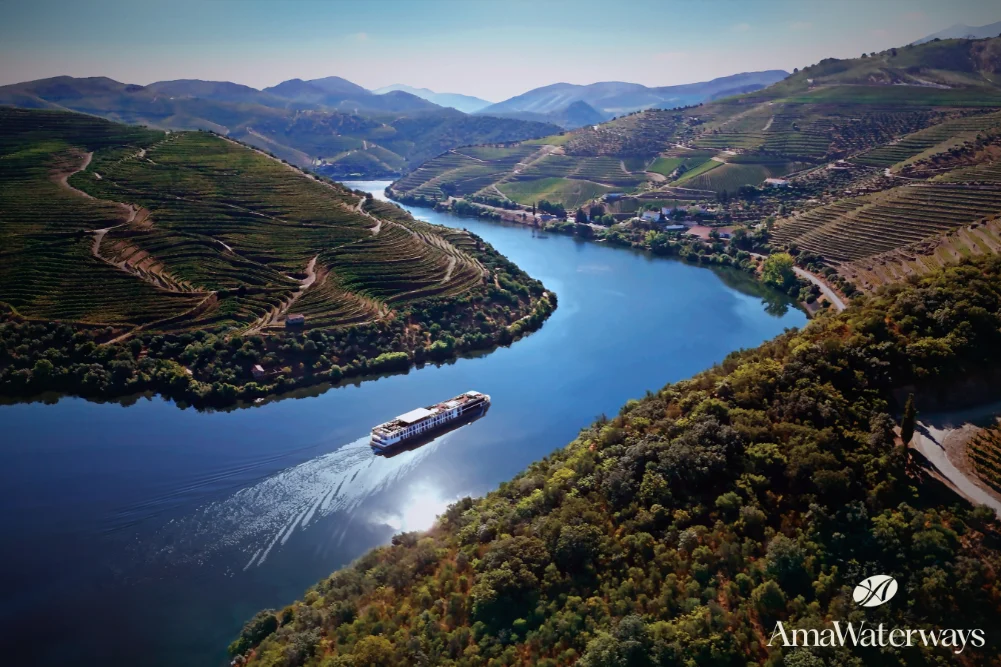
For nearly 25 years, the river cruising sector has undergone a profound transformation, moving away from traditional, rigid group itineraries toward more flexible, contemporary, and wellness-oriented travel models. At the forefront of this evolution is AmaWaterways, a luxury river cruise operator that has spent the last two decades redefining what it means to travel by water. By pioneering double-width vessel architecture, integrating onboard fitness amenities such as pickleball courts and dedicated wellness hosts, and reimagining the economics of shore excursions, the company has established a new benchmark for the industry. As the line prepares for future fleet expansions—including the anticipated 2027 launch of the AmaRudi—an examination of its operational philosophy reveals broader trends in how modern travelers seek to engage with culture, wellness, and local communities.
The Genesis and Evolution of Modern River Cruising
Founded in 2002 by river cruise pioneer Rudi Schreiner, executive vice president Kristin Karst, and the late Jimmy Murphy, AmaWaterways emerged during a period of steady growth in European river tourism. Historically, river cruising was characterized by standardized vessels that navigated narrow locks and low bridges, often offering a uniform, highly structured experience that left little room for individual agency.
Over the past two and a half decades, however, demographic shifts among travelers have driven demand for more personalized journeys. Modern passengers increasingly prioritize active exploration, culinary authenticity, and mental well-being over passive sightseeing. Recognizing this shift, AmaWaterways systematically dismantled the traditional cruise pricing model. In contrast to industry standards that frequently utilize tiered excursion menus with supplemental fees for high-demand tours, the company integrated shore excursions directly into the base fare. Today, itineraries across Europe, Asia, Africa, and South America regularly offer up to six daily excursion choices, empowering passengers to tailor their daily schedules to individual interests without incurring additional costs.
Operational Philosophy: Flexibility and Onboard Dynamics
The operational strategy of contemporary river cruising relies heavily on balancing structured exploration with independent freedom. On a typical Danube voyage—such as the stretch past Melk where terraced vineyards rise steeply from the riverbanks—passengers face a daily choice between guided cycling excursions alongside the water or relaxed historical walking tours through medieval towns.
This flexibility addresses a common challenge in couple and multi-generational travel: differing physical activity levels and personal interests. By allowing travelers to pursue distinct activities during the day—ranging from culinary workshops celebrating regional gastronomy to moderate hikes overlooking ancient fortifications—and reconvene in the evening, the cruise format accommodates varied preferences while maintaining a shared social rhythm.
Industry analysts note that this approach mirrors broader hospitality trends, where personalization is no longer viewed as an upscale luxury but as a fundamental consumer expectation. Furthermore, the deliberate curation of onboard common areas, open-seating dining arrangements, and intimate lounge spaces is designed to foster organic social interaction among passengers and crew. Service standards, which emphasize personalized crew recognition and regional expertise, play a critical role in driving repeat passenger rates across the industry.
Integrating Wellness into the Itinerary
A significant development in contemporary cruise travel is the formal integration of holistic wellness. In response to growing consumer demand for health-conscious travel options, AmaWaterways institutionalized a comprehensive onboard wellness program. Unlike traditional cruises where fitness facilities are often treated as auxiliary spaces, wellness on these vessels is woven into the daily schedule.
Dedicated Wellness Hosts manage comprehensive programs that include sunrise yoga sessions on the Sun Deck, structured core and stretching classes, and targeted mobility training designed to counteract the physical fatigue of long-haul air travel. This programmatic approach addresses the physical demands of modern tourism, ensuring that passengers maintain their personal health routines while away from home.
Gastronomy also serves as a pillar of the line’s wellness and cultural immersion strategy. Recognizing that food provenance is increasingly important to travelers, the culinary program emphasizes locally sourced ingredients grown within geographic proximity to the vessel’s location. The fleet’s dining infrastructure typically features up to four distinct venues, anchored by main dining rooms offering regionally inspired menus and alternative spaces such as The Chef’s Table, which provides an elevated degustation experience. Additionally, the inclusion of more than 32 curated regional wines as part of the standard onboard experience reinforces the connection between the journey’s geography and its culinary offerings.
Medical and industry studies consistently indicate that active travel combined with localized nutrition significantly enhances vacation satisfaction and psychological restoration. Passengers frequently report improved sleep quality, reduced cortisol levels, and a psychological detachment from professional obligations, facilitated by the predictable yet unobtrusive movement of the ship through historic landscapes.
Fleet Innovation and Global Expansion
The physical evolution of river cruise ships has been a primary driver of the sector’s growth. Traditional vessels were strictly constrained by the dimensions of European waterways, specifically the locks of the Main-Danube Canal. However, the introduction of revolutionary double-width designs, exemplified by the AmaMagna, has challenged these historical limitations.
Measuring twice the width of standard European river vessels, the AmaMagna provides expansive public areas, multiple dining options, larger staterooms, and fully functional recreational amenities, including a regulation-sized pickleball court. Building upon this design philosophy, the company has announced the upcoming launch of the AmaRudi in 2027, which will continue the trend of offering enhanced personal space and diverse onboard amenities.
Today, the company’s award-winning fleet of 34 ships operates across a diverse geographic footprint. While European itineraries along the Rhine, Danube, Douro, and Seine remain foundational, the expansion into non-traditional waterways has broadened the scope of global river cruising. Notable deployments include operations on the Mekong River in Southeast Asia, the Chobe River in Africa, and pioneering routes on Colombia’s Magdalena River—where AmaWaterways became the first major international river cruise line to operate.
Economic and Cultural Implications of River Exploration
The expansion of luxury river cruising into emerging regions has notable economic and cultural implications for local communities. Historically, major waterways served as the primary arteries of commerce, migration, and cultural exchange long before modern road and rail networks were established. By re-establishing regular passenger traffic along these historical corridors, modern river cruise operators contribute significantly to local tourism economies.
Economic impact assessments of river tourism generally highlight the direct benefits to small- and medium-sized enterprises, including local tour operators, family-owned vineyards, artisan food producers, and regional guides. Because river ships dock directly adjacent to urban centers and rural villages—unlike ocean liners that require deep-water port infrastructure—tourist spending is often distributed more evenly across inland communities that might otherwise miss out on mass tourism revenue.
At the same time, sustainable tourism advocates emphasize the importance of managing environmental impacts, particularly in sensitive ecological zones such as the Chobe River basin or tropical river systems in South America. Modern vessel construction increasingly incorporates fuel-efficient engines, advanced wastewater treatment systems, and shore-power capabilities where available, reflecting broader industry efforts to balance commercial growth with environmental stewardship.
Outlook for the Sector
As AmaWaterways approaches its quarter-century milestone, the broader river cruising market continues to demonstrate resilience and strong consumer demand. The convergence of experiential travel, health-focused programming, and innovative ship design suggests that the sector will continue to attract demographics that historically favored land-based touring.
The upcoming introduction of vessels like the AmaRudi and continued investment in emerging global waterways indicate that operators view innovation as essential to maintaining competitive advantage. By continuously refining the balance between structured cultural education, physical well-being, and independent leisure, modern river cruise lines have successfully transformed a traditional mode of transportation into a sophisticated, highly adaptable style of global exploration.


 Gabriela Annisa

 Lukman Taruna Persada Ramadan

 Tatiana Tantri Indah Sari

 Anjar Salim


 Dwi Wanna
