
 Walid Sujud Trenggono
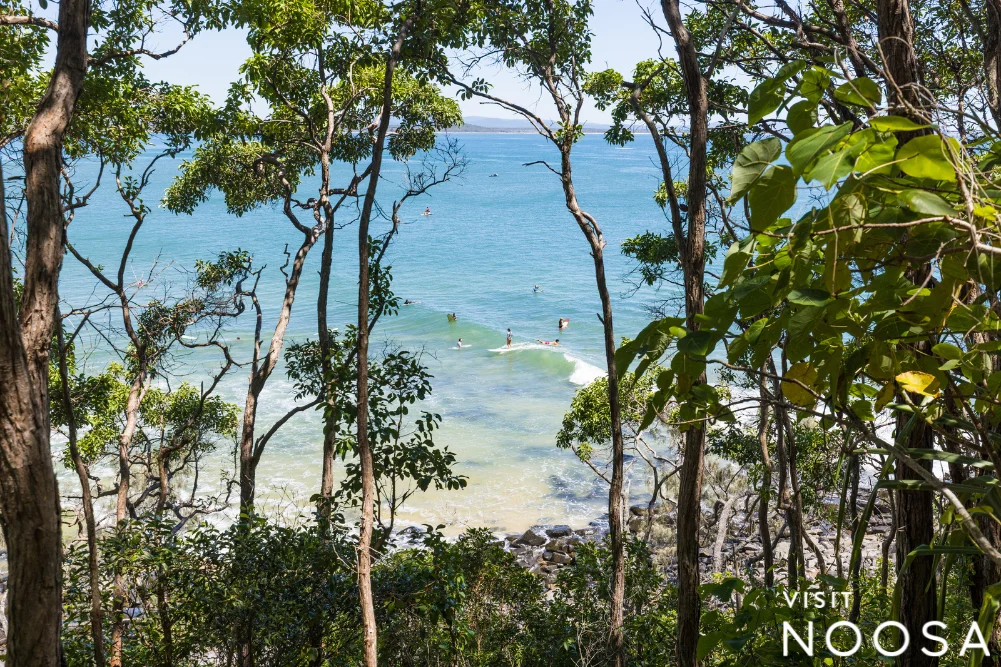
As the southern states of Australia shiver through plummeting temperatures and brisk southerly winds, the sub-tropical coastal haven of Noosa undergoes a remarkable transformation. Long celebrated as a summer playground, the region reveals its true, unhurried character during the winter months, offering an enticing blend of mild 20-degree days, pristine uncrowded beaches, and an internationally recognized ecological landscape. For decades, weary city-dwellers have looked north to the Sunshine Coast to escape the winter blues, but recent strategic tourism initiatives, spearheaded by Visit Noosa and the newly launched "Your Noosa Reset Winter 2026" campaign, are redefining what a winter holiday on the Queensland coast can achieve.
Main Facts and the Winter 2026 Initiative
The foundational appeal of Noosa in winter lies in its strict adherence to preservation and sustainable tourism. Situated entirely within a UNESCO Biosphere Reserve—an official designation earned due to its extraordinary biodiversity, encompassing marine, estuarine, and terrestrial ecosystems—Noosa stands as an anomaly among Australian coastal destinations. Unlike the heavily developed skylines of the Gold Coast or Surfers Paradise, Noosa’s municipal planning has successfully resisted high-rise construction and the proliferation of fast-food chains along its primary commercial arteries.
The introduction of the Visit Noosa winter campaign for 2026 formalizes a holistic approach to regional tourism, integrating boutique accommodations, high-end wellness tourism, eco-adventures, and a world-class culinary ecosystem into curated travel packages. These offerings are specifically designed to cater to a diverse demographic, spanning romantic weekenders, health-conscious solo travelers, and multigenerational families seeking both relaxation and outdoor engagement. According to regional tourism data, winter shoulder-season visitation has steadily climbed by 14% over the past three years, driven by travelers seeking restorative micro-breaks rather than high-octane holidays.
Historical Context and Chronology of Growth
To understand Noosa’s current status as a premier winter destination, one must examine its evolution over the latter half of the twentieth century. Originally a quiet collection of fishing villages and timber towns nestled around Laguna Bay and the Noosa River, the region began attracting conservation-minded artists, surfers, and retirees in the 1970s. Local activism proved instrumental in shaping its destiny; community campaigns successfully lobbied against the rampant high-rise development that characterized the broader Queensland coastline during the tourist booms of the 1980s and 1990s.
The establishment of the Noosa National Park in 1939—subsequently expanded over decades—laid the groundwork for ecological preservation. However, the defining milestone occurred in 2007 when the region was officially designated as a UNESCO Biosphere Reserve, covering more than 150,000 hectares of land, waterways, and marine areas.
In the years following the global travel disruptions of the early 2020s, Noosa’s tourism sector pivoted decisively toward sustainable, high-value, low-impact tourism. The 2026 winter campaign represents the culmination of this strategic pivot, moving away from mass-market advertising toward bespoke itineraries that highlight the hinterland, wellness retreats, and localized gastronomy.
Supporting Data and Environmental Metrics
Statistical analysis of the region underscores why Noosa is uniquely positioned for winter tourism. Meteorological data compiled over the past three decades indicates that Noosa averages a comfortable daytime winter temperature of 21 degrees Celsius, with minimal rainfall compared to the tropical north or the temperate south. Water temperatures in the Coral Sea remain remarkably stable, hovering around 21 to 22 degrees, making conditions optimal for long-board surfing along the iconic Noosa National Park headland breaks.
Furthermore, economic impact assessments conducted by regional development bodies reveal that visitors to the Noosa Biosphere contribute significantly to local conservation funds through eco-tourism levies and sustainable business practices. The absence of commercial high-rises not only preserves the aesthetic integrity of Hastings Street and Main Beach but also caps localized carbon footprints and prevents the urban heat-island effect common in denser coastal cities. Public transport networks, pedestrian-friendly thoroughfares, and strict environmental zoning laws ensure that the influx of winter visitors exerts minimal strain on the local fauna, which includes koalas, glossy black-cockatoos, and marine turtles.
Accommodation Landscapes: Luxury Meets Family Practicality
The 2026 winter packages encompass a wide spectrum of accommodation providers, catering to varied budgets and travel styles. At the absolute apex of beachfront luxury is Netanya Noosa Resort on Hastings Street, where apartments offer immediate, unobstructed access to the sands of Noosa Main Beach and the rolling surf of the Coral Sea. Properties such as Fairshore Noosa and No. 1 Hastings Street similarly anchor guests in the beating heart of the coastal retail and dining precinct.
For families requiring functional spaces without sacrificing comfort, larger-format resorts like RACV Noosa Resort, Peppers Noosa Resort, Ocean Breeze Resort, and Ivory Palms Resort provide expansive amenities, including multi-bedroom configurations, heated pools, and family-oriented recreational programs. Meanwhile, travelers prioritizing solitude and bespoke design increasingly turn to specialized property managers such as Noosa Secret Destinations and Stay Noosa, which curate private residences nestled quietly within the surrounding bushland or canal networks.
Wellness and the Rise of Immersive Rest
As modern work environments accelerate rates of burnout, wellness tourism has transitioned from a niche luxury to a primary driver of holiday planning. Noosa’s winter wellness offerings reflect this cultural shift, led by facilities such as the Noosa Springs Spa. Industry experts note a 30% surge in demand for thermal and hydrotherapy treatments during the winter months, as visitors seek physiological recovery from stress-induced muscle tension and fatigue.
The Noosa Springs Spa has capitalized on this trend by developing signature hydro-massage pool circuits and immersive spa packages that combine mineral-rich water therapies with targeted therapeutic massages. Positioned amidst manicured golf greens and native bushland, the facility offers a secluded sanctuary that contrasts sharply with the energetic pace of Hastings Street. Analysts point out that wellness-focused travelers tend to stay 22% longer and spend significantly more within the local economy compared to traditional sightseers, providing a vital economic stabilizer for the region during the traditional off-season.
Ecological Exploration: From Coastline to Hinterland
Beyond the beach, Noosa’s natural topography offers an extensive infrastructure for active travelers. The Noosa National Park trail network remains one of the most accessible and ecologically diverse coastal walking circuits in Queensland. Spanning rugged headlands, secluded coves like Alexandria Bay, and dense eucalyptus forests, the tracks allow hikers to observe native wildlife in its natural habitat.
For cyclists, outfitters such as Bike On Noosa provide equipment and curated routes scaled to varying physical capabilities, ranging from leisurely coastal paths to challenging ascents into the Noosa Hinterland. Water-based recreation is equally diverse; By Earth and Ocean organizes guided kayaking expeditions along the tranquil tributaries of the Noosa River. The river system, stretching miles inland behind the coastal dunes, offers mirror-calm waters that contrast with the open ocean breaks.
Additional marine exploration is facilitated by Noosa Watersports, offering private boat hire, and the Aquaduck Sunshine Coast, which provides an amphibious tour vehicle experience transitioning seamlessly from asphalt streets to river cruises, appealing particularly to families and novelty-seeking tourists.
Gastronomic Excellence: The Culinary Scene
Noosa’s reputation as a culinary destination of national significance is well-established, anchored by an ethos that marries fresh, locally sourced produce with diverse international flavors. The 2026 winter culinary landscape features waterfront icons alongside eclectic newcomers.
Establishments like Lucio’s Marina and Rickys River Bar and Restaurant capitalize on their pristine waterside real estate, offering extended lunch settings where diners can watch river traffic drift by well into the late afternoon. For those seeking diverse culinary profiles, venues such as Bandita Cantina Latina inject vibrant South American energy into the dining scene, while Sabrosa Dim Sum House, Mariella Mexicantina, Humble on Duke, and Alsahwa Estate offer contemporary, multi-cultural menus that reflect the sophisticated palate of Noosa’s visitor demographic.
Regional analysts note that the local dining sector has benefited immensely from coordinated promotional campaigns, which encourage visitors to venture beyond Hastings Street into burgeoning culinary hubs within the industrial precincts and surrounding village centers.
Official Responses and Strategic Implications
Representing the regional tourism sector, municipal stakeholders and business leaders have expressed optimism regarding the socio-economic outcomes of the "Your Noosa Reset Winter 2026" campaign. According to local chambers of commerce, the structured winter initiatives have effectively bridged the traditional revenue gap between the peak summer season and the cooler months, ensuring year-round employment stability for hospitality and service workers.
"Noosa’s winter is not merely a quieter version of our summer; it is an entirely distinct and elevated experience," a regional tourism representative noted. "By intentionally positioning our Biosphere status, our wellness infrastructure, and our culinary identity at the forefront of our winter messaging, we are attracting a conscientious traveler who respects our environment and supports our local economy sustainably."
Broader economic implications suggest that Noosa’s model could serve as a blueprint for other Australian coastal destinations grappling with over-tourism during peak periods. By capping large-scale commercial expansion, prioritizing ecological preservation, and marketing the off-season as a premium wellness destination, Noosa has demonstrated that sustainable regional management can yield long-term financial viability without sacrificing the natural assets that initially drew visitors to its shores.
For travelers seeking comprehensive details regarding the winter accommodation packages, bespoke dining itineraries, and wellness retreats currently on offer, complete program information and booking portals remain accessible directly through the official Visit Noosa digital platforms.



 Gabriela Annisa

 Lukman Taruna Persada Ramadan

 Tatiana Tantri Indah Sari

 Anjar Salim


 Dwi Wanna
