Walid Sujud Trenggono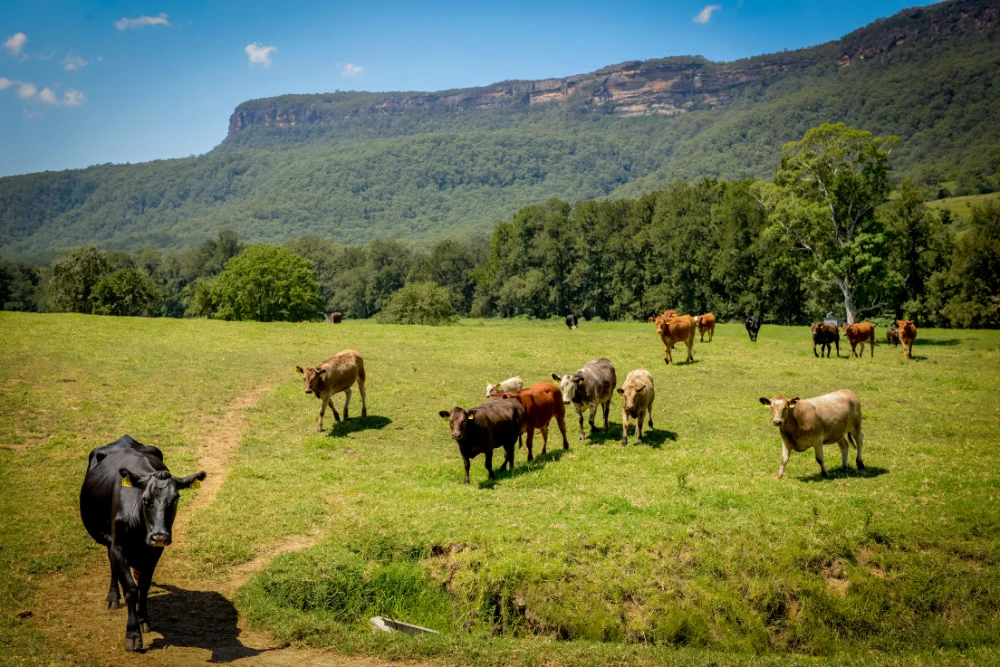
The Shoalhaven region of New South Wales, traditionally recognized for its coastal appeal and diverse natural landscapes, is undergoing a significant transformation into a premier destination for wellness and regenerative tourism. Situated approximately 160 kilometers south of Sydney and 200 kilometers east of Canberra, the region encompasses an expansive geographical area where 70 percent of the land is comprised of protected national parks and state forests. This unique environmental composition, featuring over 100 distinct beaches and the rugged terrain of the Morton and Conjola National Parks, has provided a foundation for a new wave of boutique businesses and cultural initiatives aimed at the "slow travel" market. As urban dwellers increasingly seek reprieve from the pressures of metropolitan life, the Shoalhaven’s strategic focus on holistic health, sustainable gastronomy, and immersive arts is yielding a robust economic and social framework for the South Coast.
The Strategic Growth of Wellness Infrastructure in Milton
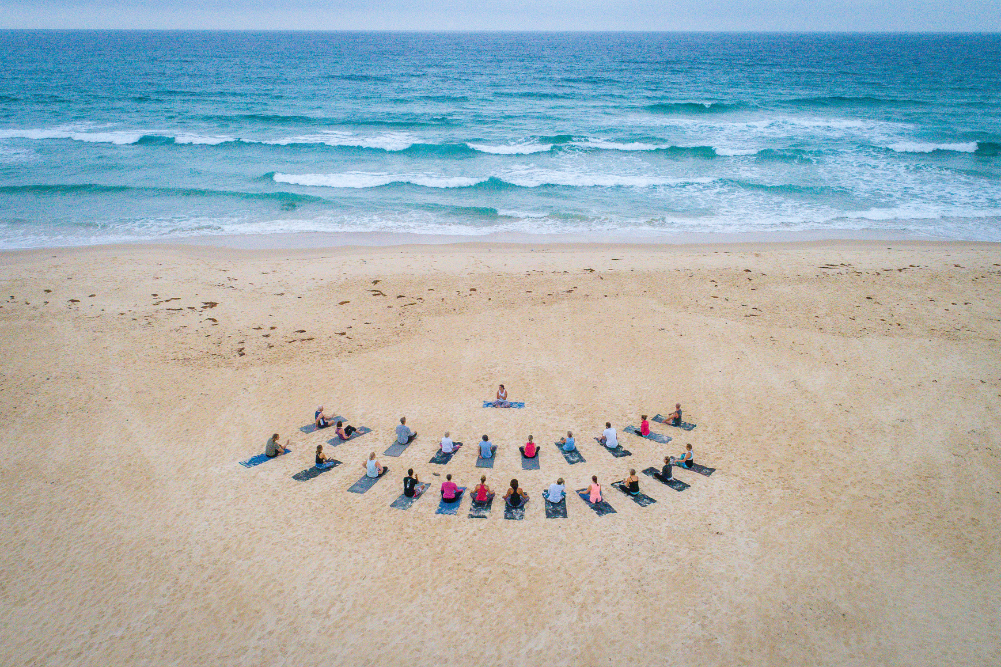
The township of Milton has emerged as a focal point for this regional shift, blending its historical aesthetic with contemporary health infrastructure. A primary example of this evolution is the recent establishment of The Heal Zone, which opened its doors in December 2024. Positioned to overlook the Conjola National Park, the facility represents a sophisticated addition to the region’s wellness portfolio. Managed by founders Madi and Nic, the center integrates physical mobility, breathwork, and thermal therapy, reflecting a broader global trend toward integrative health.
The methodology employed at The Heal Zone underscores a professional shift toward evidence-based wellness. Sessions often involve 90-minute protocols that combine mobility exercises with specialized breathwork designed to regulate the autonomic nervous system. This is frequently followed by contrast therapy—alternating between saunas and cold plunges—a practice supported by contemporary sports science for its role in reducing inflammation and promoting cardiovascular health. The introduction of such facilities indicates a maturing market in the Shoalhaven, where tourism is increasingly defined by health outcomes rather than mere leisure.
Sustainable Gastronomy and the Farm-to-Table Model
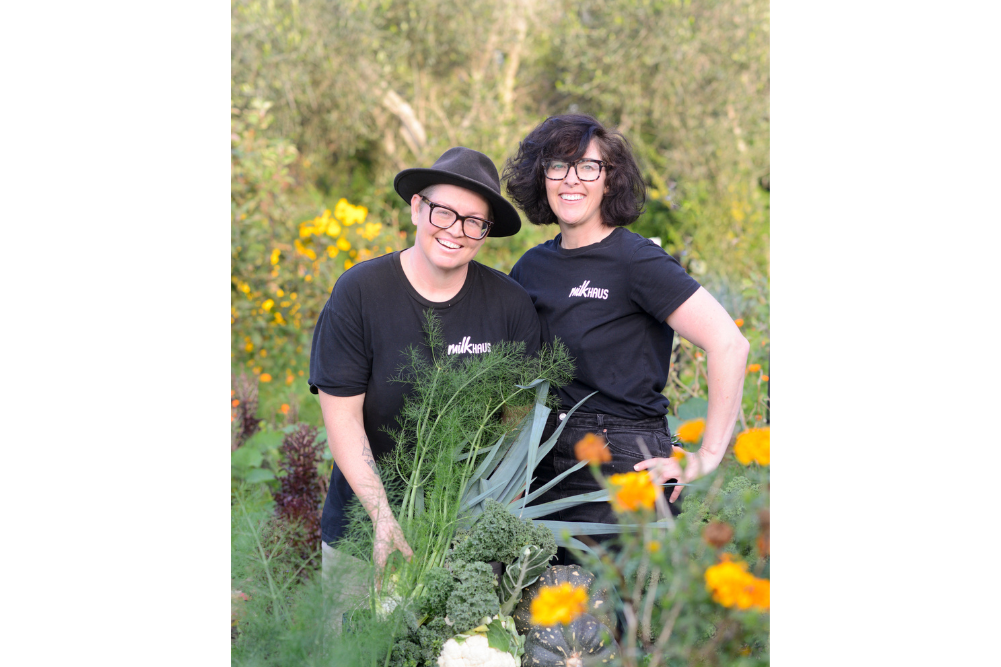
The economic impact of the wellness movement extends into the region’s culinary sector, where sustainability has moved from a marketing concept to a core operational requirement. Milkhaus, a destination cafe located on the outskirts of Milton, exemplifies the farm-to-table rigorousness now expected by high-value travelers. The establishment operates on a highly structured agricultural calendar, with a nine-month menu planning process that aligns with local growing seasons.
According to operational data from the venue, approximately 80 percent of the produce served at Milkhaus is grown on-site, with the remaining 20 percent sourced from local producers within the Shoalhaven and Illawarra regions. This localized supply chain not only minimizes the carbon footprint associated with food transport but also ensures that the menu remains dynamic and nutritionally dense. The commitment to seasonal shifts—such as the transition from summer stone fruits to hearty, slow-cooked winter proteins—reflects a broader movement toward "conscious consumption" that is revitalizing the local agricultural economy.
Chronology of a Regional Immersion: From Coast to Valley
The geographical diversity of the Shoalhaven allows for a multi-staged travel itinerary that transitions from the coastal influence of Milton to the temperate rainforests of Kangaroo Valley. This transition is marked by a shift in altitude and scenery, as the winding roads over the mountains provide access to one of the most secluded valleys in the state.
Day One: Grounding and Physical Restoration
The initial phase of the regional experience typically focuses on physical decompression. Following arrival from major metropolitan hubs, visitors engage with the Milton-based wellness circuit. The integration of boutique retail in Milton’s historic center provides a bridge between high-intensity urban environments and the "slow" pace of the valley.
Day Two: Nature Immersion and Mindful Adventure
The second phase of the Shoalhaven experience often centers on Kangaroo Valley, where the Wildes Boutique Hotel serves as a central hub. The hotel’s architecture, centered around a tranquil courtyard, is designed to facilitate an immediate sense of environmental connection. The primary activity in this region involves the exploration of Tallowa Dam and the surrounding Morton National Park.
Valley Outdoors, a leading operator in the area, has pioneered a "mindful canoeing" approach on the dam’s waters. Tallowa Dam is unique in its status as a motorized-boat-free sanctuary, which preserves the acoustic integrity of the wilderness. The experience is structured around sensory awareness, where participants are encouraged to engage in grounding exercises before entering the water. This approach to adventure tourism prioritizes psychological presence over physical speed, incorporating elements of Indigenous history and local ornithology to deepen the visitor’s connection to the land.
Day Three: Creative Expression and Cultural Heritage
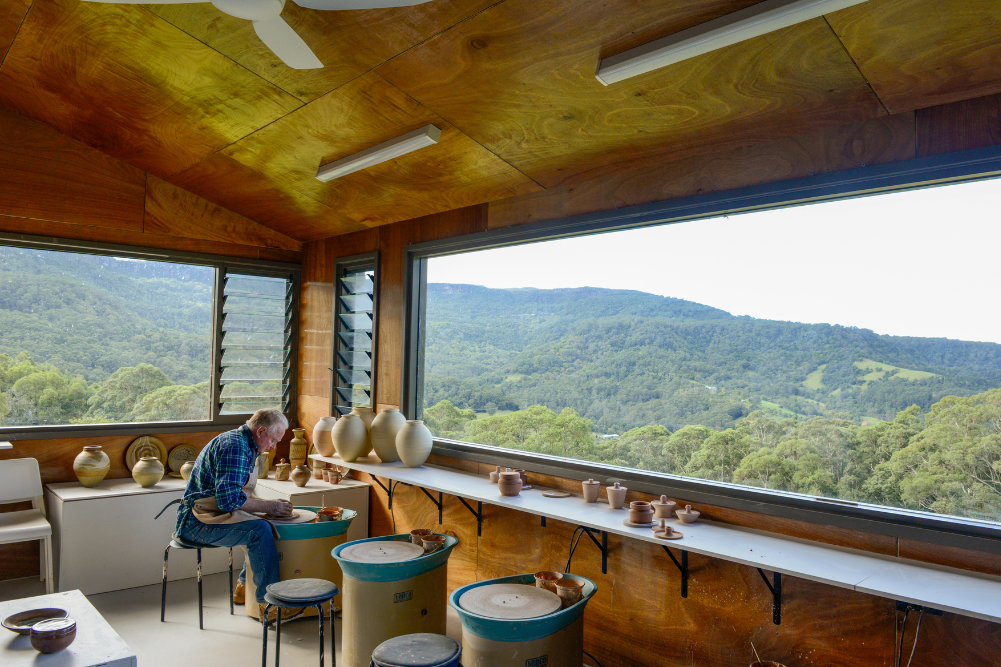
The final stage of the immersion involves the transition from physical activity to creative and intellectual engagement. This is facilitated through artisanal workshops, such as those held at David Collins’ pottery studio, and culminates in a visit to Bundanon, the former estate of renowned Australian artist Arthur Boyd.
The Role of Art and Indigenous Custodianship at Bundanon
Bundanon represents the cultural cornerstone of the Shoalhaven. Gifted to the Australian public in 1993 by Arthur and Yvonne Boyd, the 1,000-hectare property operates as a center for creative arts, education, and environmental research. The recent addition of the Art Museum and Bridge for Creative Learning—an award-winning architectural feat—has significantly increased the site’s capacity to host international exhibitions and cultural programs.
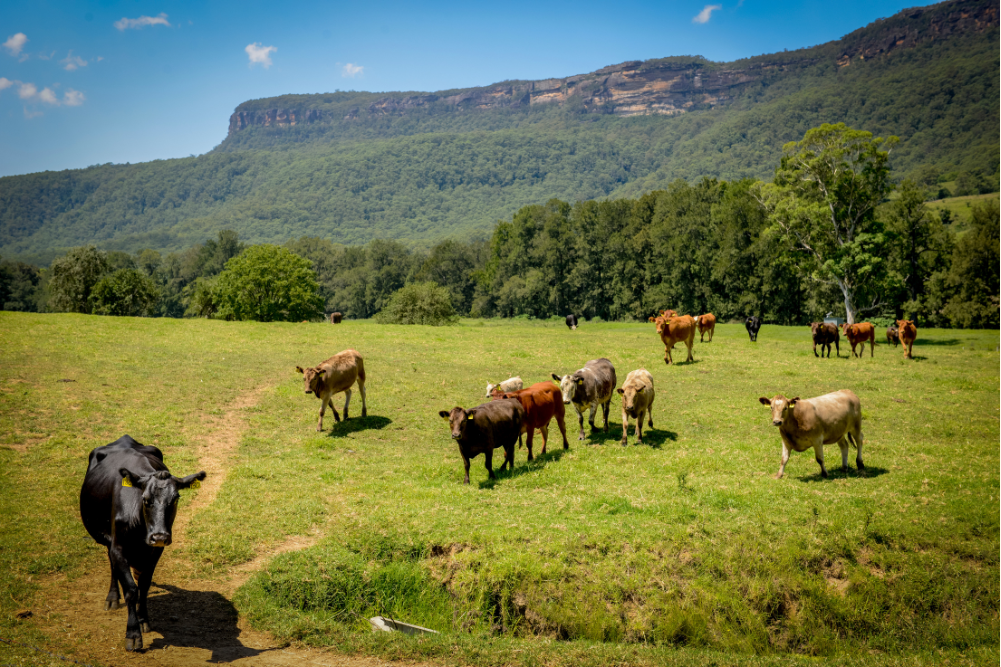
A critical component of the Bundanon experience is the integration of First Nations perspectives. Programs featuring local artists, such as Walbunja/Ngarigo artist Aunty Cheryl Davison, provide essential context regarding the Indigenous history of the Shoalhaven River. Through storytelling, song, and traditional crafts like weaving and printmaking, these sessions ensure that the region’s tourism narrative is inclusive of its 60,000-year history of human habitation. This cultural depth adds a layer of "transformative travel" that goes beyond traditional sightseeing.
Supporting Data and Tourism Analysis
The shift toward wellness and cultural tourism in the Shoalhaven is supported by broader industry data. According to Destination NSW, the South Coast remains one of the most visited regional areas in the state, with wellness tourism growing at a faster rate than standard leisure travel. The "Value of Wellness Tourism" report suggests that wellness travelers typically spend 130 percent more than the average domestic tourist, highlighting the economic benefit of attracting this demographic to regional towns like Milton and Kangaroo Valley.
Furthermore, the environmental profile of the Shoalhaven—with its 70 percent national park coverage—positions it perfectly for the "Eco-Therapy" market. Studies have consistently shown that immersion in green spaces reduces cortisol levels and improves cognitive function. By marketing these natural assets alongside high-end hospitality (such as Wildes Boutique Hotel) and artisanal experiences (such as David Collins’ pottery), the Shoalhaven is effectively diversifying its economy away from seasonal beach tourism toward a year-round wellness destination.
Official Responses and Stakeholder Perspectives
Local business owners and tourism advocates emphasize that the success of the Shoalhaven model relies on a delicate balance between growth and preservation. Nic, the co-founder of The Heal Zone, suggests that the "fluidity of movement" taught in their sessions is a metaphor for how visitors should interact with the region—with intention and respect for the natural environment.
Similarly, the founders of Milkhaus have noted that the farm-to-table model is not just a culinary choice but a commitment to the community. By sourcing 20 percent of their ingredients from local neighbors, they foster a resilient micro-economy that can withstand external shocks, such as the bushfires of 2019-2020 or the subsequent global pandemic.
Bree from Valley Outdoors highlights the importance of "stillness" in the modern tourism landscape. She asserts that providing spaces where motorboats are prohibited and where visitors can engage in silent "rafting" exercises is essential for mental health restoration. This sentiment is echoed by the management at Bundanon, who view the estate as a "living laboratory" where art and nature intersect to provide profound psychological benefits.
Broader Implications for Regional Development
The Shoalhaven’s evolution provides a blueprint for other regional Australian districts looking to modernize their tourism offerings. The key takeaways from the region’s success include:
- Diversification of Experience: Moving beyond "sun and sand" to include thermal therapy, artisanal workshops, and Indigenous storytelling.
- Sustainability as a Standard: Implementing rigorous farm-to-table protocols and motorized-free nature zones.
- Strategic Infrastructure: Investing in boutique accommodation and world-class cultural institutions like Bundanon to attract high-value visitors.
- Proximity Advantage: Leveraging the two-to-three-hour drive radius from major cities to capture the growing "weekend wellness" market.
As the Shoalhaven continues to refine its identity as a sanctuary for restoration, the long-term impact on the local community is expected to be positive. The focus on "deep rest" and "reconnection" is more than a marketing slogan; it is a structural response to the needs of a modern workforce seeking meaningful engagement with the natural world. With its rolling hills, lush forests, and commitment to cultural preservation, the Shoalhaven region is no longer just a destination—it is a sophisticated ecosystem of health, art, and nature that promises to sustain both the land and its visitors for generations to come.



 Budi Mulyono
 Lukman Taruna Persada Ramadan
 Chandra Hamzah
 Gabriela Annisa
 Tatiana Tantri Indah Sari