
 Lukman Taruna Persada Ramadan
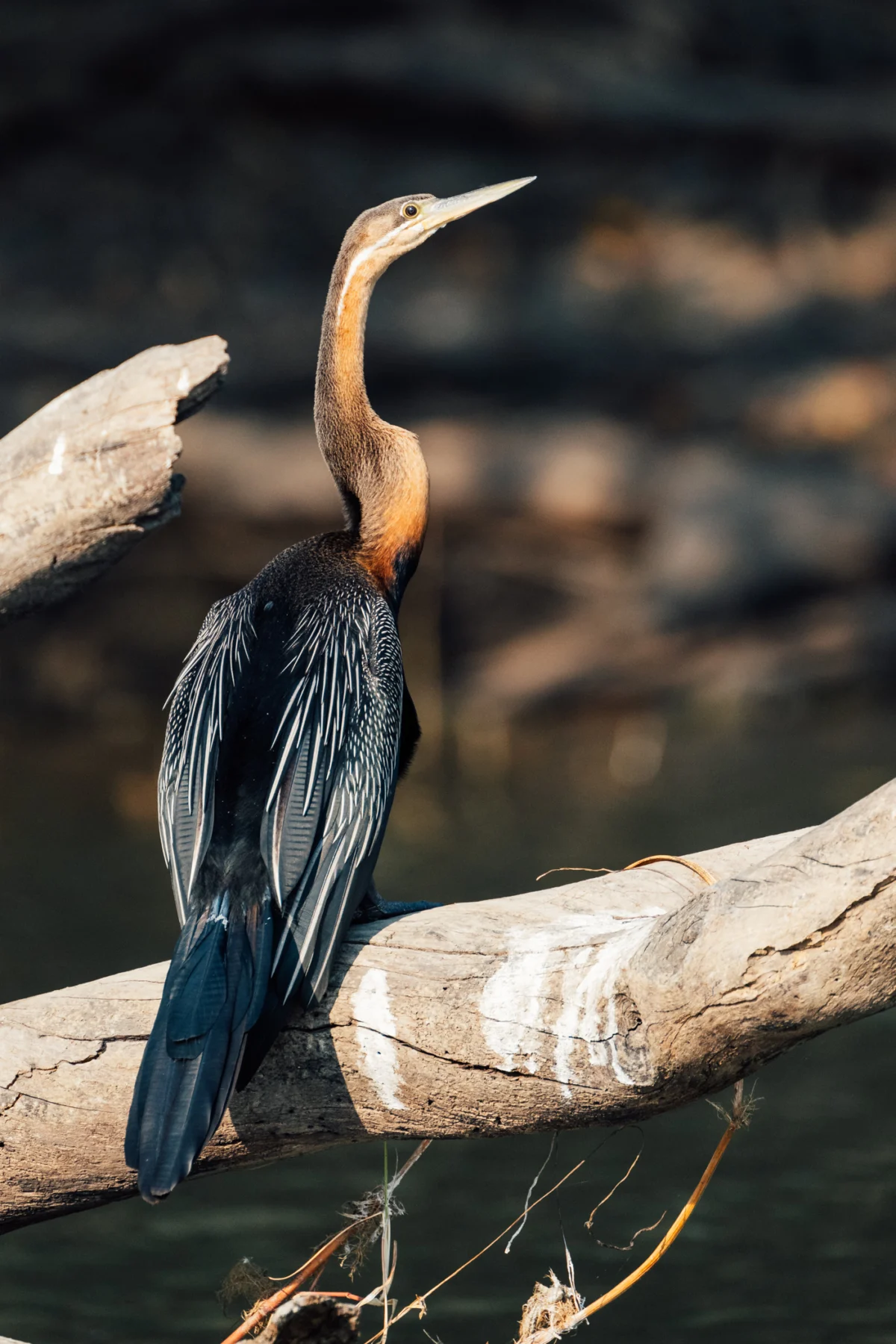
Zambia has long maintained an esteemed reputation as one of Africa’s premier wildlife destinations, celebrated globally for its pristine wilderness areas, abundant wildlife populations, and the thunderous majesty of Mosi-oa-Tunya, known to the world as Victoria Falls. While the traditional four-wheel-drive safari remains a foundational pillar of the nation’s tourism industry, the country offers a remarkably diverse array of geographical, ecological, and cultural dimensions that extend far beyond the standard vehicle excursion. Comprising 73 distinct ethnic groups, a rich tapestry of living traditions, and vast aquatic ecosystems, Zambia presents an invitation to travelers seeking a deeper, more comprehensive understanding of southern-central Africa. For international visitors aiming to maximize their itinerary beyond conventional wildlife viewing, five distinct experiences highlight the country’s multifaceted heritage and ecological diversity.
Immersing in Lozi Culture and Heritage at Mongu
At the heart of the Barotse Province lies Mongu, the administrative and cultural capital of the Lozi people, one of Zambia’s most prominent indigenous ethnic groups. Known for complex social structures, sophisticated agricultural practices along the Zambezi floodplain, and a rich oral history, the Lozi community offers visitors a profound look into traditional Zambian life.

Cultural preservation efforts in the region are spearheaded by institutions such as the Nayuma Museum. Established to safeguard and showcase Lozi heritage, the museum houses extensive collections of historical artifacts, traditional royal regalia, ceremonial clothing, and exhibits detailing the annual Kuomboka ceremony—a monumental cultural event where the Litunga (King of the Lozi) migrates from the flooded plains of Lealui to the higher ground of Limulunga at the end of the rainy season.
Complementing the museum experience is the Mumwa Craft Association, a localized center dedicated to promoting regional craftsmanship. Here, visitors can observe artisans shaping intricate baskets, woodcarvings, and pottery using traditional techniques passed down through generations. Purchasing items directly from these makers provides vital economic support to rural households and ensures the continuation of indigenous art forms.
Navigating the Legendary Zambezi River by Canoe
For travelers seeking a dynamic intersection of active adventure and wildlife observation, a canoeing safari along the upper and middle stretches of the Zambezi River offers an intimate perspective of the riparian ecosystem. Unlike motorized river cruises, paddling a canoe provides a silent, low-impact approach to the water’s edge, allowing for close encounters with riverine wildlife without disrupting natural behaviors.
Operated by specialized outfitters such as the Victoria Falls Canoeing Company, these excursions range from half-day introductory paddles to multi-day island-hopping expeditions. Navigating past sandbanks, reed-fringed channels, and hidden river branches, participants frequently encounter pods of hippopotamuses, Nile crocodiles basking in the sun, and a diverse array of water-dependent mammal and reptile species. Conservationists note that non-motorized river tourism minimizes acoustic pollution in sensitive aquatic habitats, aligning with broader national initiatives to promote sustainable ecotourism along the Zambezi corridor.
Aerial Perspectives: Microlighting Over Victoria Falls
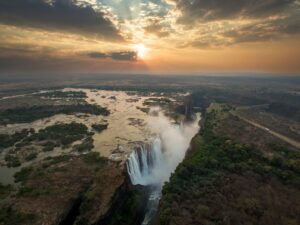
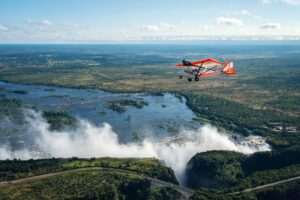
To fully grasp the sheer scale and geological significance of Victoria Falls—one of the Seven Natural Wonders of the World—observers often take to the skies. Operating from Livingstone, specialized aviation providers such as Livingstone’s Adventures offer microlight flights, frequently referred to by travelers and locals alike as the "Flight of Angels."
Available in 15- and 30-minute durations, these open-cockpit aircraft provide unobstructed, panoramic views of the cascading waters plunging over 100 meters into the narrow gorges below. The flight path typically encompasses the expansive width of the waterfall, the intricate labyrinth of the Batoka Gorge, the winding path of the Zambezi River, and the contiguous landscapes of Mosi-oa-Tunya National Park. Aviation safety standards are rigorously maintained by civil aviation authorities in Zambia, ensuring that aerial tourism remains both exhilarating and secure for international guests.
Tracking Wildlife on Foot in South Luangwa National Park
While vehicular game drives are standard across most African game reserves, South Luangwa National Park is internationally recognized as the birthplace and premier destination for walking safaris. Guided by highly trained, armed national park scouts and professional walking guides, visitors explore the untamed bush on foot, experiencing the ecosystem at eye-level.
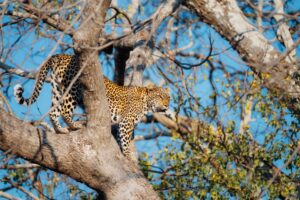
A walking safari shifts the sensory focus of wildlife tracking from engine noise and expansive vistas to the subtleties of the terrain: reading animal tracks, identifying medicinal plants, listening to alarm calls from avian species, and understanding insect behavior. The Luangwa Valley is particularly renowned for its high concentration of leopards, alongside large herds of elephants, Thornicroft’s giraffes—an endemic subspecies—and dense populations of hippos and crocodiles inhabiting the Luangwa River. Premium accommodations such as Kafunta River Lodge, positioned strategically on the park’s boundary, provide seamless access to these immersive walking excursions while maintaining high standards of conservation-focused hospitality.
Avian Exploration and Wetland Ecology at Lake Bangweulu
In northern Zambia, far removed from the heavily trafficked southern tourist circuits, lies Lake Bangweulu and its surrounding wetland ecosystem. Encompassing a vast expanse of shallow floodplains, permanent swamps, and open water bodies, the name Bangweulu translates locally to "where the water meets the sky."
This remote wetland serves as a critical habitat for a staggering diversity of birdlife, most notably the endangered Shoebill (Balaeniceps rex). With its distinctively massive, shoe-shaped bill and prehistoric appearance, the Shoebill is among the most sought-after avian species for ornithologists and wildlife photographers worldwide. Beyond this iconic bird, the Bangweulu basin supports substantial populations of wattled cranes, saddle-billed storks, swamp flycatchers, and the endemic black lechwe antelope.
Travelers exploring this remote region can access guided boat safaris, catch-and-release fishing excursions, and walking tours coordinated through specialized outposts such as Shoebill Island Camp. Tourism authorities emphasize that visitation to sensitive ecosystems like Bangweulu directly contributes to community-based conservation initiatives, incentivizing local populations to protect wetland habitats against agricultural encroachment and unsustainable poaching practices.
Broader Implications for Zambian Tourism Development
The diversification of Zambia’s tourism portfolio from traditional safaris toward cultural heritage, community-based arts, active river expeditions, aerial adventures, and specialized ornithological tourism represents a strategic shift within the nation’s economic framework. According to recent tourism sector analyses, promoting non-traditional travel segments helps distribute international visitor expenditures more equitably across rural provinces, stimulates regional employment, and strengthens local stewardship of natural and cultural assets.
By encouraging travelers to venture beyond the conventional wildlife circuit, Zambia not only enhances the depth and quality of the visitor experience but also fortifies the long-term sustainability of its heritage sites and ecological preserves against future environmental and economic pressures.




 Budi Mulyono
 Cholid Fahmi Thalib
 Diana Nuri Rohmawati

 Tatiana Tantri Indah Sari

 Anjar Salim
