
 Tatiana Tantri Indah Sari
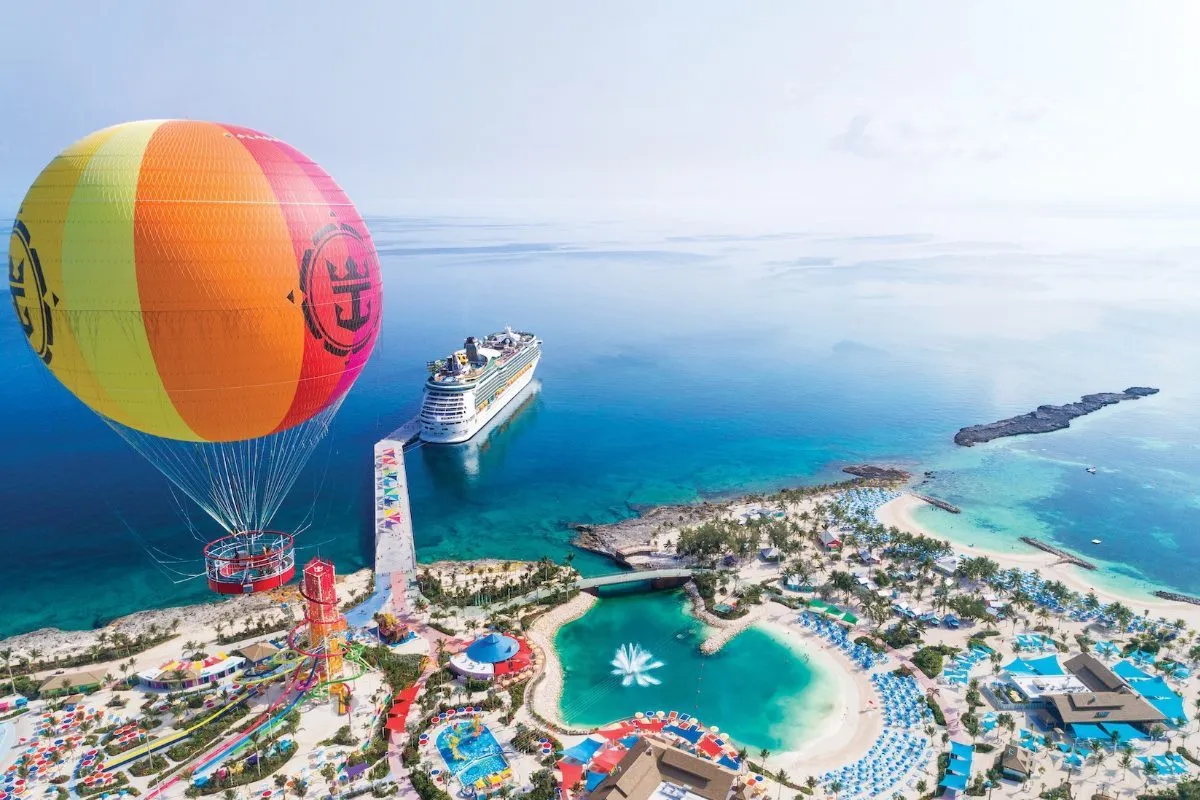
Royal Caribbean Group is aggressively positioning itself to capture a significantly larger share of the global consumer vacation budget, driven by robust financial performance, high customer loyalty, and a transformative move into the all-inclusive land-based resort sector. Following a third-quarter earnings report that surpassed Wall Street expectations, executives at the cruise conglomerate outlined an ambitious strategy to retain customers within a proprietary travel ecosystem year-round, expanding far beyond traditional cruise itineraries.
The cornerstone of this long-term growth strategy involves plans to acquire a 50% stake in Sandals Resorts and Beaches Resorts. By integrating these premier all-inclusive land-based properties with its existing fleet of cruise ships and private island destinations—such as Perfect Day at CocoCay in the Bahamas—Royal Caribbean aims to double its wallet share of its guests’ annual travel expenditures.
Strong Financial Momentum and Q3 Earnings
The strategic expansion comes from a position of profound financial strength. On Tuesday, Royal Caribbean Group reported its third-quarter financial results, which outpaced previous company guidance. The strong quarter was underpinned by sustained, higher-than-expected close-in demand for European itineraries, alongside consistently strong pricing power across its core brands, which include Royal Caribbean International, Celebrity Cruises, and Silversea.
Buoyed by these positive metrics, executive leadership raised the company’s full-year earnings guidance. Demand for cruise vacations has rebounded dramatically in the post-pandemic era, defying broader macroeconomic concerns regarding inflation and consumer spending fatigue. Cruising has increasingly proven resilient, offering consumers high perceived value compared to traditional land-based vacations.
A critical pillar of Royal Caribbean’s current business model is its loyal customer base. Company data indicates that nearly half of all guests sailing with Royal Caribbean brands this year are repeat customers. Executives view this high retention rate not as a ceiling, but as an operational foundation upon which to build a more comprehensive travel portfolio.
Capturing the Consumer Vacation Wallet
During the earnings call with analysts and investors, Royal Caribbean Group CEO Jason Liberty articulated the company’s vision for vertical integration within the leisure travel market. Currently, the cruise operator captures approximately 20% to 25% of an average guest’s total annual vacation spending.
By incorporating land-based all-inclusive resorts into the corporate ecosystem, executives project that this capture rate could double to roughly 50%. The strategy relies on cross-selling vacation products to an existing, highly engaged consumer base. Under the proposed model, a customer who chooses a Royal Caribbean cruise in the winter might be incentivized to book a summer getaway at a Sandals or Beaches resort through coordinated marketing, shared loyalty programs, and bundled booking incentives.
“If a Royal Caribbean customer goes on a competitive cruise brand, I think that’s a fail,” Liberty told analysts during the earnings call. “Having connected loyalty and delivering these incredible experiences should keep our customer inside of our ecosystem.”
The concept of a closed-loop travel ecosystem is not entirely new to the travel and hospitality industry, but Royal Caribbean is pioneering its application at the intersection of cruising and premium land-based resorts. The company has already demonstrated the viability of proprietary destinations through the massive success of CocoCay. The private island destination has consistently generated higher guest satisfaction scores and increased onboard and onshore spending compared to traditional ports of call.
Background Context and Evolution of Private Destinations
To understand Royal Caribbean’s current trajectory, it is necessary to examine the evolution of the cruise industry over the past two decades. Historically, cruise lines functioned primarily as floating hotels that transported passengers between third-party ports. While profitable, this model left cruise operators vulnerable to port congestion, local political instability, and fluctuating fees charged by municipal authorities.
To mitigate these challenges, major cruise corporations began investing heavily in proprietary destinations. In May 2019, Royal Caribbean unveiled the culmination of a $250 million transformation of CocoCay, relaunching it as Perfect Day at CocoCay. The private island introduced waterparks, upscale beach clubs, helium balloon rides, and exclusive cabanas, transforming a routine beach stop into a highly lucrative revenue generator.
The success of CocoCay proved that consumers were willing to pay a premium for a curated, seamless vacation experience controlled entirely by the cruise line. Following the post-pandemic travel boom, Royal Caribbean accelerated these investments, announcing plans for additional private destinations, such as Royal Beach Club locations in Cozumel, Mexico, and Nassau, Bahamas, along with Perfect Day Mexico.
The pending acquisition of a 50% stake in Sandals Resorts and Beaches Resorts represents the logical next phase of this strategy: moving from private islands to full-scale land resorts. Sandals and Beaches bring decades of operational expertise in the all-inclusive resort space across the Caribbean, providing Royal Caribbean with immediate access to land-based infrastructure without the multi-year development timelines required to build resorts from scratch.
Chronology of Recent Strategic Developments
- May 2019: Royal Caribbean officially opens Perfect Day at CocoCay, setting a new industry standard for proprietary private destinations and significantly boosting guest spending metrics.
- 2022–2023: As global travel restrictions lift, Royal Caribbean experiences a historic surge in demand, leading to record booking volumes and rapid debt reduction following the disruptions of the pandemic.
- Late 2023 to Early 2024: The company announces plans to expand its destination portfolio with the upcoming Royal Beach Club concepts in the Caribbean and Mexico, signaling a shift toward diversified leisure offerings.
- Third Quarter 2024: Royal Caribbean reports better-than-expected Q3 financial results, driven by strong European demand, and raises its full-year earnings guidance.
- November 2024: Leadership unveils plans to acquire a 50% stake in Sandals Resorts and Beaches Resorts, formally introducing land-based all-inclusive resorts into the company’s long-term growth and loyalty framework.
Industry Implications and Competitive Landscape
Royal Caribbean’s aggressive expansion strategy carries significant implications for the broader travel and hospitality sectors. By bridging the gap between cruise operations and land-based resorts, the company is blurring the traditional boundaries that have long separated different segments of the leisure travel industry.
Competitors in the cruise sector, such as Carnival Corporation and Norwegian Cruise Line Holdings, have also invested in private islands and destinations, but none have pursued a joint-venture land-based resort acquisition of this magnitude. Traditional hotel chains and all-inclusive resort operators—such as Marriott International, Hyatt, and Hilton—may also find themselves competing with a newly diversified travel giant that possesses a massive, pre-existing database of loyal vacationers.
From an analytical perspective, the integration of cruise and land-based assets offers several distinct financial and operational advantages:
- Seasonality Mitigation: While certain cruise itineraries are subject to seasonal weather patterns (such as hurricane season in the Caribbean or freezing conditions in Alaska), land-based resorts in tropical regions can maintain steady operations throughout the year.
- Customer Lifetime Value: By offering multiple vacation formats under a single loyalty umbrella, Royal Caribbean can capture a larger share of wallet from families, couples, and multi-generational travelers who might otherwise divide their annual travel budget among competing brands.
- Data-Driven Personalization: A unified loyalty program enables the company to track consumer preferences across both sea and land vacations, allowing for highly targeted marketing campaigns and personalized service delivery.
Outlook and Future Execution
While the strategic rationale behind the Sandals and Beaches partnership is clear, industry analysts note that successful execution will be paramount. Integrating corporate cultures, aligning booking platforms, and merging customer loyalty databases between a major cruise corporation and a prominent land-based resort operator present complex logistical challenges.
Furthermore, capital expenditure requirements for maintaining and upgrading both a massive cruise fleet and an expanded portfolio of land resorts will demand disciplined financial management. However, given Royal Caribbean’s current cash flow generation, balance sheet repair, and consecutive quarters of outperformance, leadership appears confident in its capacity to fund these initiatives.
As the travel industry continues to evolve, Royal Caribbean Group’s latest maneuvers signal a definitive shift away from single-product specialization. By constructing a comprehensive, multi-channel vacation ecosystem, the company is betting that the future of travel belongs to those who can seamlessly accompany the consumer from the open ocean to the sandy shore—and keep them within the brand family every step of the way.




 Anjar Salim

 Budi Mulyono
 Lukman Taruna Persada Ramadan
 Cholid Fahmi Thalib
