
 Gabriela Annisa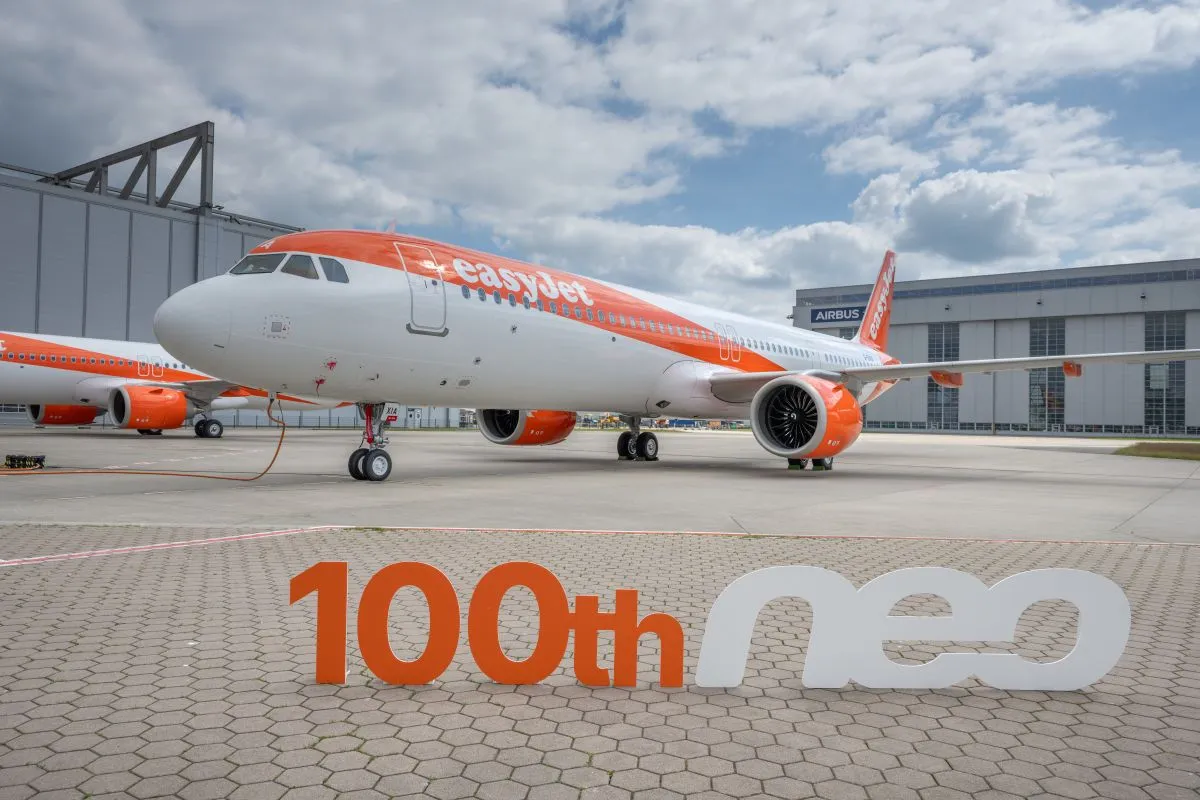
The European airline sector is abuzz with intensifying takeover speculation surrounding low-cost carrier EasyJet, following a persistent series of acquisition proposals from U.S. private equity firm Castlelake. Concurrently, across the Atlantic, Delta Air Lines is poised to kick off the second-quarter earnings season for major U.S. carriers, with analysts closely watching for insights into industry demand, cost pressures, and the impact of fluctuating fuel prices. These two developments underscore a dynamic period for global aviation, characterized by strategic consolidation efforts and a complex economic environment.
EasyJet at the Center of a Multi-Billion-Pound Takeover Bid
EasyJet, one of Europe’s largest airlines, has become the subject of a high-stakes acquisition play by Castlelake, a Minneapolis-based private equity firm with a significant portfolio in aviation investments. The firm has reportedly submitted a series of non-binding offers for EasyJet, with the latest, a fifth bid, proposing 690 pence per share. This valuation places EasyJet’s equity at approximately £5.2 billion, or roughly $7.3 billion USD, a figure that the EasyJet board has indicated it is "minded to recommend" to its shareholders. This cautiously worded statement, released on Sunday, July 5th, suggests a significant shift from previous rejections, bringing the airline closer to a potential change in ownership.
Castlelake’s interest in EasyJet is not a sudden development. The firm has a track record of successful investments in the airline sector, notably its involvement with Scandinavian carrier SAS, which emerged from bankruptcy protection with Castlelake as a key investor. This experience likely informs their confidence in EasyJet’s underlying value, despite recent market headwinds. The current offer, however, is not a done deal. Castlelake has until August 3rd to formalize its commitment, and any definitive offer would still require approval from EasyJet’s shareholders and various regulatory bodies across Europe.
Financial and Strategic Underpinnings of the Bid
EasyJet’s share price has experienced significant volatility, declining by approximately 30% in the year leading up to the initial leakage of takeover interest. This downturn was attributed by the airline to a "temporarily depressed share price," influenced by external factors such as the conflict in Iran impacting travel demand and elevated fuel costs. Castlelake’s approach appears to capitalize on this perceived undervaluation, recognizing the intrinsic worth of EasyJet’s assets and its established market position.
Despite recent challenges, EasyJet has maintained profitability, reporting a 7% operating margin in its most recent 12-month period. This performance, while not exceptional compared to some ultra-low-cost competitors like Ryanair, positions EasyJet as a profitable entity rather than a distressed asset requiring a drastic turnaround. A key appeal for Castlelake lies in EasyJet’s valuable portfolio of airport slots at highly constrained and desirable airports, including London Gatwick, Geneva, and several locations in Italy. These slots represent critical infrastructure for airline operations and can command significant market value, often not fully reflected in an airline’s trading share price.
Castlelake has conveyed its "tremendous respect for EasyJet and its people," along with an intention to "support its future growth and transformation to a stronger, more resilient European airline for the benefit of all stakeholders" should the transaction proceed. This statement aims to reassure stakeholders that the acquisition is not intended for asset stripping but rather for strategic enhancement and long-term value creation. However, the precise plans for EasyJet’s management and operational strategy under new ownership remain undisclosed.
Navigating European Ownership Regulations
A significant regulatory hurdle for the U.S.-based Castlelake is the European Union’s requirement for majority EU ownership in airlines operating within the bloc. To circumvent this, the proposed acquisition structure involves two EU nationals, Peter Belyeu and Mark Breen, who would be part of the ownership vehicle. Peter Belyeu, a well-known figure in the aviation industry, brings considerable experience from his tenures at EasyJet, Ryanair, Malaysia Airlines, and Riyadh Air, which could help satisfy the complex EU ownership criteria and lend operational credibility to the new structure. Similar arrangements have been observed in other transatlantic airline partnerships, such as Delta’s 49% stake in Virgin Atlantic, demonstrating the necessity of creative solutions to comply with these regulations.
Delta Air Lines: Kicking Off Q2 Earnings Season
As the EasyJet saga unfolds, the focus shifts to the upcoming second-quarter earnings reports, with Delta Air Lines traditionally leading the pack. Scheduled for Friday, July 10th, Delta’s report will offer the first comprehensive look into the financial health of a major U.S. carrier for the quarter, providing crucial insights into broader industry trends.
The current landscape for U.S. airlines is characterized by robust demand, particularly in the premium international segments, which continues to show no signs of abatement. Supply, however, remains constrained, partly due to the effective disappearance of Spirit Airlines from the market and a general conservative approach to capacity growth by airlines. This supply-demand imbalance has contributed to elevated airfares. While fuel prices saw a significant increase earlier in the quarter, they have since moderated, settling back to more manageable, albeit still elevated, levels.
Despite these favorable conditions, the industry faces ongoing challenges. Non-fuel cost inflation, driven by rising labor expenses, airport fees, and aircraft maintenance, continues to exert pressure on airline profitability. Delta, in particular, has pursued a strategy of optimizing its network and enhancing its premium offerings rather than aggressive capacity expansion. Since 2019, Delta has reportedly grown the least among major U.S. airlines in terms of available seat miles (ASMs), operating fewer flights today than pre-pandemic. This disciplined approach, while potentially impacting unit costs by not fully leveraging scale, is offset by a strategic focus on premium ASMs and higher-yielding traffic. The industry-wide shift, especially for network carriers like Delta, is towards maximizing revenue per passenger rather than solely minimizing costs, a departure from earlier periods where cost suppression was the primary driver of success.
In Q2 2023, Delta reported a strong 13% operating margin, with fuel costs at $2.26 per gallon. For Q2 2024, the airline’s guidance in April projected an operating margin between 6% and 8%. However, the recent decline in fuel prices during June, the final month of the quarter, may enable Delta to exceed the upper end of this guidance. Analysts will closely scrutinize Delta’s actual fuel costs, unit revenues, and non-fuel expenses to gauge the effectiveness of its premium strategy and its ability to manage the prevailing inflationary environment.
The Broader European Airline M&A Landscape: Who Could Be Next?
The Castlelake bid for EasyJet has inevitably sparked wider speculation about other potential consolidation targets in the fragmented European airline market. Several carriers present varying degrees of attractiveness and complexity for potential acquirers:
- Wizz Air: While an interesting player in Central and Eastern Europe, Wizz Air already has a significant private equity presence in Indigo Partners, which holds approximately 14% of shares with convertible notes that could increase its stake to over 30%. The airline also faces operational challenges with its GeoTurbo fan engines, strategic missteps in its Middle East joint venture, and intense competition from Ryanair. Its existing ownership structure makes a new, dominant investor unlikely.
- Finnair: The Finnish flag carrier presents a unique case. The Finnish state maintains a 55% ownership, mandated to hold at least 50.1%. While Finnair boasts a strong Asian network and a strategically located hub in Helsinki, it has been severely impacted by the prolonged closure of Russian airspace, which eliminated its lucrative Siberian shortcut. Its relatively small local market also makes it less appealing for an outright acquisition by a major European group like IAG or Air France-KLM, both of whom already benefit from commercial agreements and loyalty program integration (Avios) with Finnair without the burden of full ownership.
- Aegean Airlines: Greece’s largest airline is known for its disciplined management, profitability, and modern fleet of narrowbody aircraft. It has strategically focused on short-haul European and Middle Eastern routes from its Athens hub, resisting the temptation to acquire widebody aircraft. Athens offers a sizable tourist market, and Aegean has a track record of acquiring smaller entities like Volotea and Olympic Airways. However, it operates in a highly competitive leisure market with strong pressure from Ryanair and Wizz Air.
- AirBaltic: Based in Latvia, AirBaltic appears to be a distressed asset, with reports of a €30 million state loan in April to secure liquidity through the summer. The Latvian state retains an 88% stake. Despite challenges in the small Baltic markets and the impact of the Russia-Ukraine conflict, its all-A220 fleet is considered attractive. Lufthansa holds a 10% stake and could find value in its modern, efficient fleet for network synergies, though a full takeover seems improbable given its financial situation.
- Condor: Having largely divorced itself from the Lufthansa Group, German leisure carrier Condor is actively positioning itself for a potential suitor. With investment firm ATSOR owning 51% and the German federal and Hesse state governments holding the remainder, the airline’s leadership, including CEO Peter Gerber, has been enhancing its network and operational independence. While Germany is a challenging market due to economic struggles and high aviation taxes, Condor’s focus on long-haul leisure and efforts to build its own feed could make it an attractive target for another investment group seeking to maximize ROI.
- LOT Polish Airlines: The Polish state holds a controlling stake in LOT through a parent company that also manages key national infrastructure. LOT is central to ambitious government plans for a new mega-hub in Warsaw. Despite a highly competitive market, the strong strategic alignment with government infrastructure projects makes a full acquisition by a private entity highly unlikely, though some dilution of state ownership could occur.
- Jet2: This UK-based airline and package holiday operator is a highly profitable entity, ranking as the fourth-largest UK airline by scheduled seats. It boasts strong cash flow and a successful business model focused exclusively on UK outbound leisure travel, particularly to Spain. With a significant new Airbus order and expanding presence, Jet2’s management has found a formula that works, making it a potentially expensive acquisition target if it ever decided to entertain offers. Its resilience in the face of economic downturns, attributed to the enduring British demand for summer holidays abroad, makes it a unique and robust player.
The current period in global aviation is one of strategic recalibration and opportunistic investment. As EasyJet navigates its potential acquisition and Delta sets the tone for U.S. airline earnings, the industry remains in a state of flux, with an eye on both immediate financial performance and long-term consolidation plays. The outcomes of these developments will significantly shape the competitive landscape for years to come.




 Anjar Salim
 Chandra Hamzah
 Tatiana Tantri Indah Sari
 Budi Mulyono
 Lukman Taruna Persada Ramadan
