
 Budi Mulyono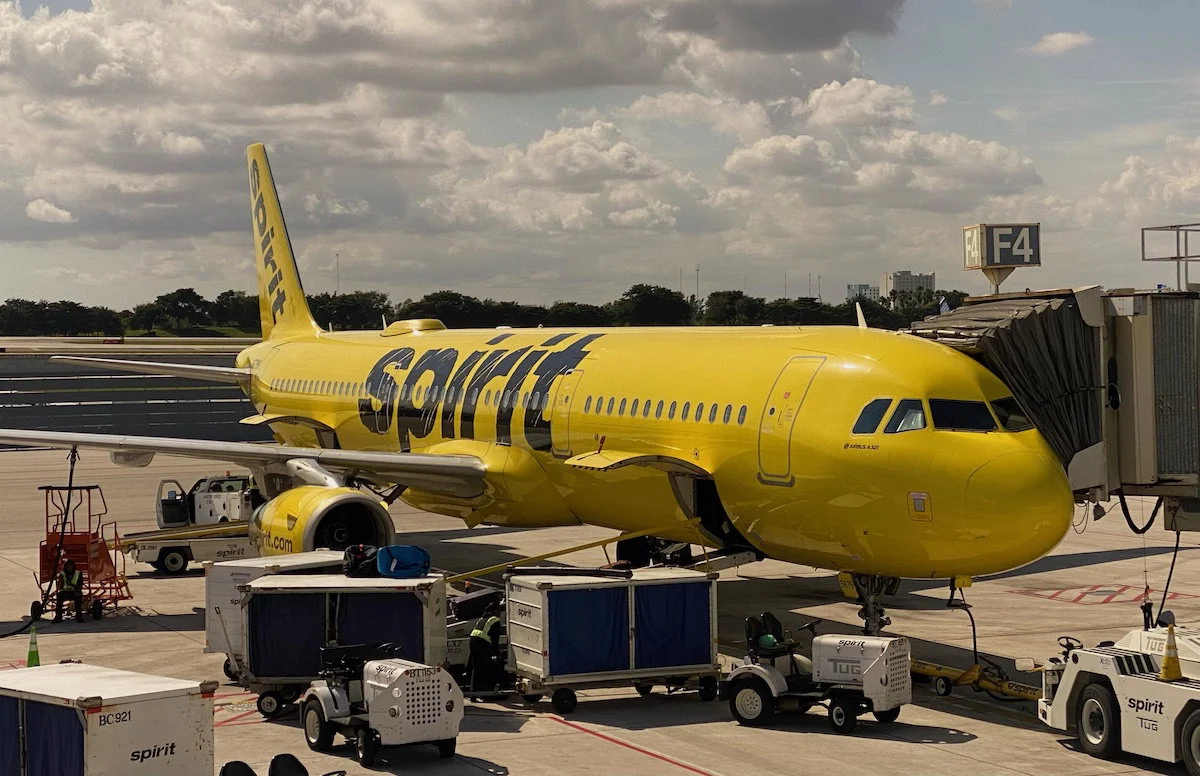
The Operational Mandate of Nomadic Aviation Group
Nomadic Aviation Group, led by industry veterans Steve Giordano and Bob Allen, occupies a unique niche within the global aviation ecosystem. While traditional "repo" operations in the automotive sector often involve stealth and physical circumvention, aircraft repossession is a highly regulated, document-heavy, and technically demanding process. The firm provides "turnkey" flight operations for aircraft owners—primarily leasing companies—that find themselves with assets held by insolvent or non-operational carriers.
In the case of Spirit Airlines, the liquidation left a fleet of yellow-liveried Airbus A320-family aircraft scattered at airports including Las Vegas (LAS), Orlando (MCO), Fort Lauderdale (FLL), and Detroit (DTW). Because Spirit no longer maintains a pilot payroll or operational infrastructure, the owners of these leased aircraft required a third-party team of highly qualified pilots to take command of the cockpits. Nomadic Aviation Group’s team consists of pilots with multiple type ratings, allowing them to transition seamlessly between various airframes, from narrow-body Airbus A320s to wide-body Boeing 777s.
The Technical and Legal Complexity of Aircraft Recovery
The repossession of a commercial jet is not merely a matter of gaining access to the cockpit. The process is governed by a stringent framework of international aviation law and Federal Aviation Administration (FAA) regulations. Before a single engine can be started, a mountain of paperwork must be cleared. This includes ensuring the aircraft’s airworthiness certificates are valid, verifying maintenance logs, and securing "ferry permits" if the aircraft has fallen out of its standard maintenance cycle.
One of the primary challenges in the Spirit Airlines operation involves the "records" of the aircraft. In aviation, the physical plane is often secondary in value to its maintenance history. If an airline collapses and its records are lost or disorganized, the value of the aircraft can plummet. Nomadic Aviation Group’s role involves coordinating with technical teams to ensure that every engine cycle, flight hour, and repair is accounted for before the plane is flown to a storage facility or a new lessee.
The logistical hurdles are equally daunting. Pilots must be positioned to remote locations, often on short notice, carrying specialized equipment. They must coordinate with local airport authorities and Fixed Base Operators (FBOs) to secure fuel, ground handling, and clearance to depart. In many instances, these aircraft are moved to "boneyards" or long-term storage facilities in arid climates, such as Victorville, California, or Marana, Arizona, where they await their next contract.
Chronology of the Spirit Airlines Liquidation
The collapse of Spirit Airlines followed a protracted period of financial instability. The following timeline outlines the key events leading to the mass repossession of its fleet:
- Failed Merger Attempt: The downward trajectory accelerated after the U.S. Department of Justice successfully blocked a proposed $3.8 billion merger with JetBlue Airways on antitrust grounds. This left Spirit without a clear path toward consolidation or a capital infusion.
- Engine Groundings: Spirit’s fleet was significantly impacted by issues with Pratt & Whitney Geared Turbofan (GTF) engines, which required inspections and led to the grounding of numerous A320neo aircraft. This reduced the airline’s capacity and revenue-generating potential.
- Liquidity Crisis: Despite efforts to restructure debt and sell off assets (including several aircraft to lessors in sale-leaseback agreements), the airline’s cash reserves dwindled.
- Cessation of Operations: Following the failure of a last-minute government bailout package, Spirit Airlines abruptly ceased all flight operations.
- Immediate Asset Recovery: Within 48 hours of the grounding, lessors began issuing notices of default, triggering the activation of recovery firms like Nomadic Aviation Group to begin the "Big Yellow" repo operation.
Supporting Data: The Scale of the Asset Recovery
The Spirit Airlines fleet was comprised of approximately 200 aircraft, the vast majority of which were Airbus A320ceo and A320neo models. Unlike legacy carriers that may own a significant portion of their fleet, Spirit relied heavily on operating leases.
| Lessor | Estimated Aircraft Count with Spirit |
|---|---|
| AerCap | 20+ |
| Air Lease Corporation | 15+ |
| SMBC Aviation Capital | 12+ |
| BOC Aviation | 10+ |
| Jackson Square Aviation | 8+ |
The market value of an Airbus A320neo can range from $40 million to $60 million depending on its age and engine condition. With dozens of aircraft involved in the initial wave of repossessions, Nomadic Aviation Group is effectively responsible for the safe transit of several billion dollars in mobile assets.
Broader Implications for the Aircraft Leasing Market
The liquidation of Spirit Airlines has sent ripples through the aircraft leasing industry. Because the Airbus A320neo is currently in high demand due to manufacturing delays at both Boeing and Airbus, the repossessed Spirit jets are considered "hot assets." Lessors are eager to recover these planes not just to protect their investment, but to quickly re-lease them to other carriers hungry for capacity, such as United Airlines, Frontier, or international operators.
However, the sudden influx of nearly 200 aircraft into the secondary market could temporarily fluctuate lease rates. Analysts suggest that while the "neo" models will be absorbed quickly, the older "ceo" (current engine option) models may see a longer stay in storage or be sold for parts and engine value. The efficiency of Nomadic Aviation’s recovery operation is critical here; the faster a plane is recovered and its records verified, the faster it can return to generating revenue for the lessor.
Documentation and Transparency via Cockpit Casual
The Spirit Airlines recovery operation has gained significant public attention due to the "Cockpit Casual" YouTube channel, where Steve Giordano documents the realities of ferry flying. This transparency provides a rare glimpse into a secretive corner of the industry. Historically, aircraft repossession was a "black box" operation, discussed only in boardroom meetings between lessors and legal counsel.
Giordano’s documentation highlights the human element of the industry—the grueling schedules, the technical expertise required to operate different flight management systems, and the "road warrior" lifestyle of ferry pilots. The channel’s coverage of the Spirit operation, titled "Big Yellow," has served as a de facto case study for aviation students and industry professionals, illustrating the transition from an active airline fleet to a collection of distressed assets.
Official Responses and Industry Outlook
While Spirit Airlines has not issued a detailed public statement regarding the specifics of the repossession logistics, industry groups like the International Society of Transport Aircraft Trading (ISTAT) have noted that the speed of this recovery is unprecedented. Legal experts in aviation finance point to the Cape Town Convention—an international treaty that standardizes transactions involving aircraft equipment—as the legal backbone that allows firms like Nomadic to operate across jurisdictions with clear authority.
Looking forward, the aviation industry is watching the Spirit liquidation as a bellwether for the ultra-low-cost carrier (ULCC) model in the United States. As Nomadic Aviation Group continues to ferry the remaining yellow jets to storage facilities, the focus shifts to the "second life" of these aircraft. Many are expected to be repainted and refurbished for new operators by mid-next year, effectively erasing the visual legacy of Spirit Airlines from the skies.
The work of Giordano, Allen, and their team remains a critical link in the global supply chain. By ensuring that aircraft are moved safely and legally during times of corporate collapse, they maintain the liquidity of the aircraft leasing market, which is essential for the continued growth of the global airline industry. The Spirit Airlines repo operation stands as a testament to the complexity of modern aviation and the specialized skills required to manage the world’s most expensive mobile assets.




 Anjar Salim
 Chandra Hamzah
 Tatiana Tantri Indah Sari
 Lukman Taruna Persada Ramadan
