
 Budi Mulyono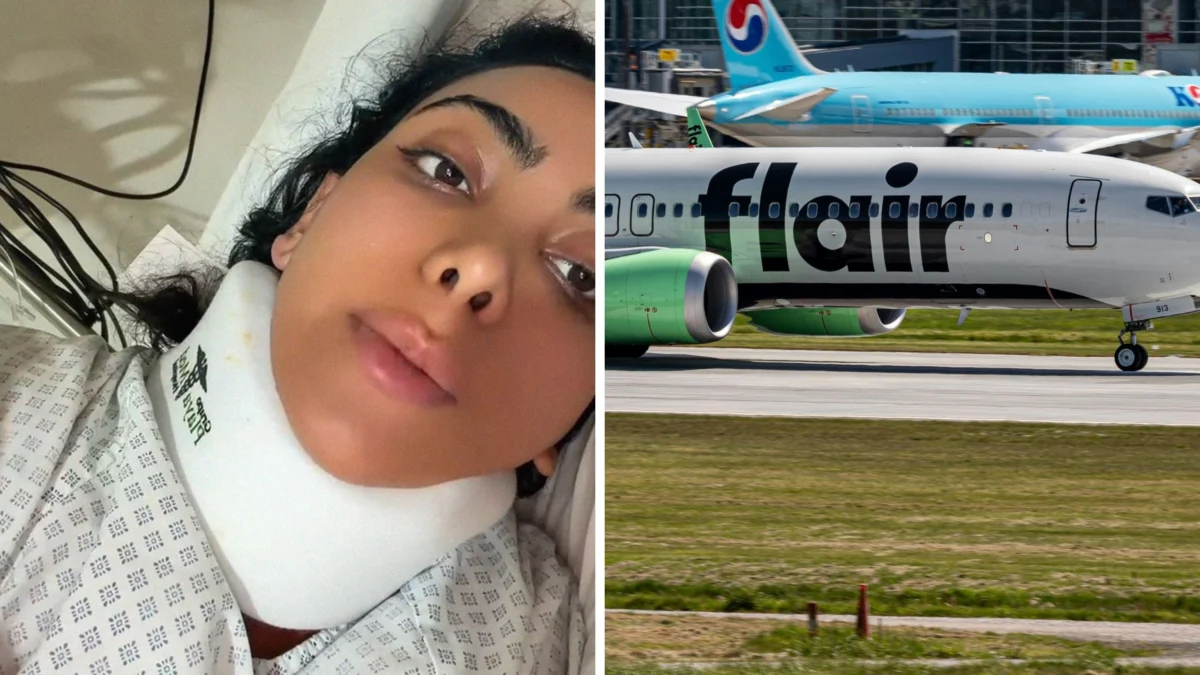
What began as a celebratory 29th birthday excursion to the coastal paradise of Cancun, Mexico, rapidly descended into a medical and financial nightmare for Nina Bakhshi, a Canadian traveler now facing a grueling recovery and a mounting debt crisis. Bakhshi’s ordeal, which involves a life-altering spinal injury and a subsequent dispute with the Canadian ultra-low-cost carrier (ULCC) Flair Airlines, has ignited a broader conversation regarding the rigidity of airline policies during humanitarian crises and the precarious nature of international travel without comprehensive insurance.
The incident occurred on May 10, just as Bakhshi was marking her milestone birthday. According to accounts shared by Bakhshi on social media, she suffered a catastrophic fall from a bridge, resulting in a broken spine. The severity of the injury necessitated immediate intervention, leading to emergency surgery at a Mexican medical facility at 9:00 p.m. on May 11. The timing of the accident placed Bakhshi in an impossible position; her return flight to Canada was scheduled for May 12 at 7:00 p.m., less than 24 hours after she emerged from the operating room.
A Critical Timeline of Events
The chronology of Bakhshi’s crisis highlights the rapid transition from a vacation to a life-and-death struggle. On May 10, the accident occurred, leaving Bakhshi immobilized. By the evening of May 11, she was undergoing major spinal surgery to stabilize her vertebrae. On May 12, the day of her scheduled departure, Bakhshi—still in a neck brace and confined to a hospital bed—attempted to navigate the logistical hurdles of her return journey.
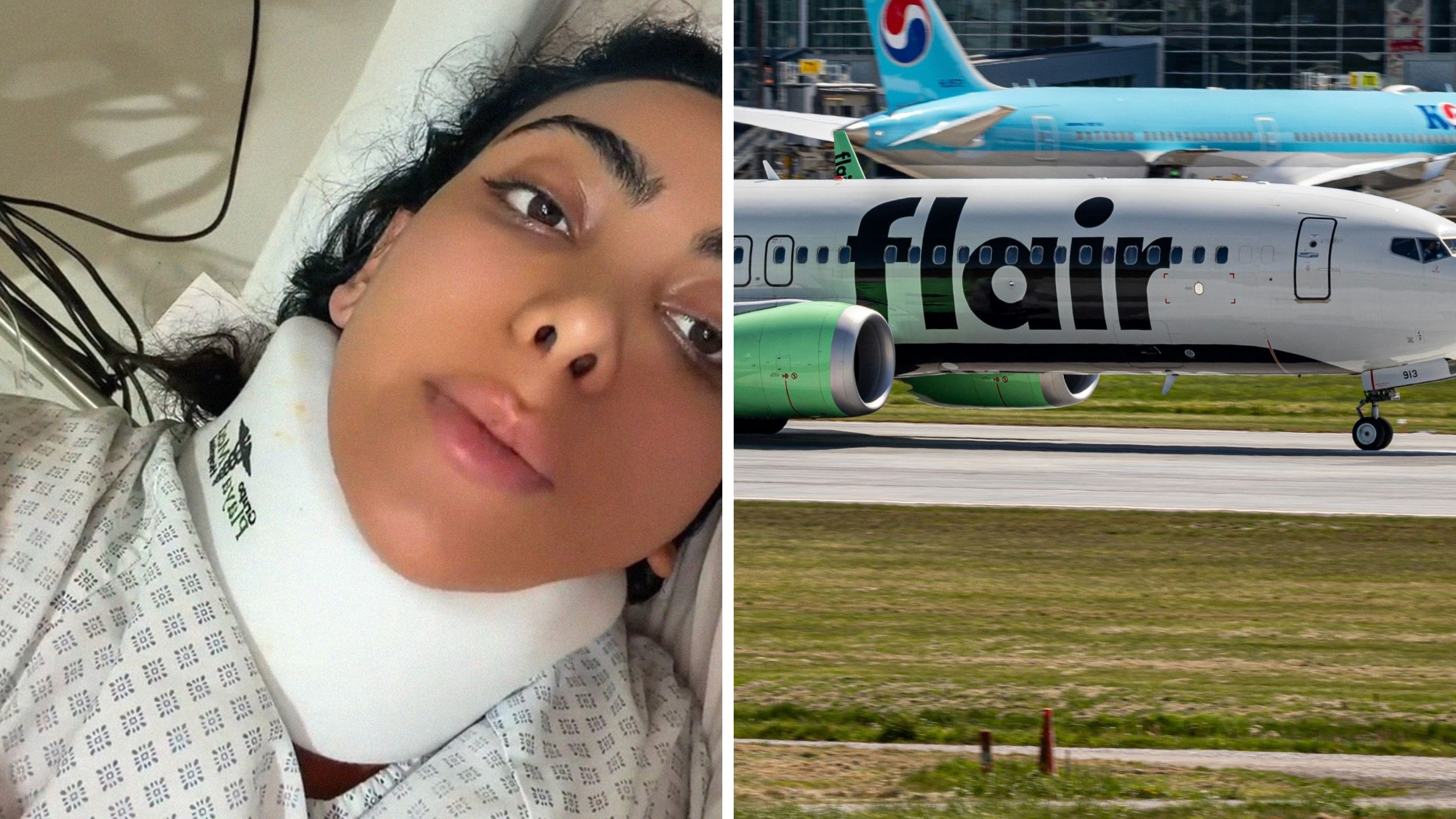
Recognizing that she was physically incapable of boarding an aircraft, Bakhshi contacted Flair Airlines’ customer support. Her objective was to seek a refund or a rescheduling of her flight based on the extreme nature of her medical emergency. However, the interaction that followed, which Bakhshi partially recorded and shared with her 113,000 viewers on TikTok, revealed a stark divide between the traveler’s desperate circumstances and the airline’s uncompromising adherence to corporate protocol.
In the recorded segment of the call, Bakhshi can be heard asking the customer service representative if the airline offers any "courtesy for emergency cases." The agent’s response was definitive, stating that cancellations due to medical emergencies, death, or serious illness remain subject to standard cancellation fees. "We cannot make any exceptions for any exceptional circumstances or medical emergencies," the agent informed Bakhshi, noting that because the request was made within the 24-hour window of departure, the ticket was effectively forfeited without a refund.
The Business Model of Ultra-Low-Cost Carriers
The conflict between Bakhshi and Flair Airlines underscores the operational realities of the ultra-low-cost carrier model. Airlines like Flair operate on razor-thin margins, offering significantly lower base fares than legacy carriers like Air Canada or WestJet. To maintain profitability, these airlines rely heavily on ancillary revenue—fees for baggage, seat selection, and priority boarding—and maintain strictly non-refundable ticket policies.
According to Flair Airlines’ official "Non-Refundable Tickets & Extenuating Circumstances" policy, the carrier explicitly states that it does not offer refunds or fee waivers for cancellations resulting from medical emergencies. Their fee structure is tiered based on the timing of the cancellation:
- Cancellations made more than seven days before departure incur a fee ranging from $89 to $119 per passenger.
- Cancellations made between 48 hours and seven days before departure incur a fee of $109 to $144.
- Cancellations made within 48 hours of departure are generally ineligible for a refund, and within 24 hours, the value of the ticket is typically lost entirely.
While legacy carriers may occasionally grant "compassionate waivers" at the discretion of a supervisor, ULCCs rarely deviate from their stated terms. This rigid structure is a fundamental component of their low-fare promise to the general public, but it leaves little room for the "humanity" Bakhshi claimed was missing from her interaction.
The Financial Toll of International Medical Emergencies
Beyond the dispute with the airline, Bakhshi is facing a staggering financial burden. She reported that her medical treatment in Mexico has already exceeded $50,000. For international travelers, medical costs in private Mexican hospitals can be exorbitant, often requiring upfront payment or proof of sufficient funds before treatment is administered or the patient is discharged.
Bakhshi disclosed that she has maxed out multiple credit cards and has been forced to borrow significant sums from friends and family to cover the costs of her surgery and hospital stay. Furthermore, she remains unable to return to Canada until medical professionals deem her "fit to fly." Air travel following spinal surgery presents significant risks, including deep vein thrombosis (DVT) and complications from cabin pressure changes, necessitating a prolonged and costly stay in Mexico.
The situation has highlighted a critical oversight in Bakhshi’s travel planning: the absence of travel insurance. When questioned by social media followers, Bakhshi confirmed she had not purchased a policy prior to her trip. This admission serves as a cautionary tale for the traveling public. Data from insurance industry surveys suggest that only about 15% of travelers purchase insurance for every trip they take. Many travelers rely on the perceived protections offered by their credit cards, which often have restrictive clauses or require the entire trip to be charged to the card to trigger coverage.
Legal and Regulatory Framework for Air Passengers
In Canada, air passenger rights are governed by the Air Passenger Protection Regulations (APPR). However, these regulations primarily focus on disruptions within the airline’s control, such as mechanical delays, overbooking, or cancellations by the carrier. The APPR does not currently mandate that airlines provide refunds for passenger-initiated cancellations, even in the event of a documented medical catastrophe.
Legal experts note that when a passenger purchases a ticket, they enter into a "Contract of Carriage." By clicking "agree" during the booking process, the passenger accepts the airline’s terms and conditions, including the non-refundable nature of the fare. While the lack of flexibility may seem inhumane in the context of a broken spine, the airline is legally protected by the contract Bakhshi signed at the time of purchase.
The Role of Social Media and Crowdfunding in Modern Crisis Management
Faced with a mounting debt of over $50,000 and a lack of support from her carrier, Bakhshi turned to the digital community for assistance. Her TikTok video, which showcased her lying in a hospital bed in a neck brace, served as a powerful visual testament to her ordeal. The post went viral, garnering over 113,900 views and generating a wave of public sympathy.
This digital advocacy led to the creation of a GoFundMe campaign. As of the latest reports, the campaign has successfully raised over $40,000, nearly covering the initial costs of her medical treatment. The success of Bakhshi’s crowdfunding efforts reflects a growing trend where individuals, failing to find recourse through corporate or governmental systems, appeal directly to the "court of public opinion" and the generosity of strangers.
However, the comments section of her posts also revealed a divide in public sentiment. While many expressed outrage at Flair Airlines’ perceived "evil" behavior, others pointed to the personal responsibility of the traveler to secure insurance. The debate highlights a central tension in modern travel: the expectation of corporate empathy versus the contractual obligations of a budget-conscious industry.
Broader Implications for the Travel Industry
The case of Nina Bakhshi serves as a significant case study for both the travel industry and consumers. For airlines, the PR backlash from such incidents can be damaging, yet the precedent of waiving fees for one individual can lead to operational challenges and loss of revenue if applied at scale. For consumers, the incident is a stark reminder that the "savings" found in ultra-low-cost fares come with an inherent risk.
Industry analysts suggest that travelers should view travel insurance not as an optional luxury, but as a mandatory component of international transit. A comprehensive policy would have likely covered Bakhshi’s $50,000 medical bill, the cost of a specialized medical repatriation flight, and the lost value of her original airline ticket.
As Bakhshi continues her recovery in Mexico, her story remains a viral talking point, casting a shadow over the "no exceptions" policies of the budget airline industry. Flair Airlines has not issued a formal public statement regarding the specific details of Bakhshi’s case, citing standard privacy protocols, but the recorded conversation continues to circulate as a warning of the potential consequences of traveling without a safety net.
In the final analysis, Bakhshi’s experience underscores a harsh reality of the modern economy: in the highly commoditized world of air travel, the "human element" is often secondary to the bottom line. As Bakhshi herself concluded in her viral post, "No sign of humanity." Whether this event will prompt a shift in how ULCCs handle extreme medical cases remains to be seen, but for now, the burden of risk remains firmly on the shoulders of the traveler.




 Anjar Salim
 Chandra Hamzah
 Tatiana Tantri Indah Sari
 Lukman Taruna Persada Ramadan
