
 Budi Mulyono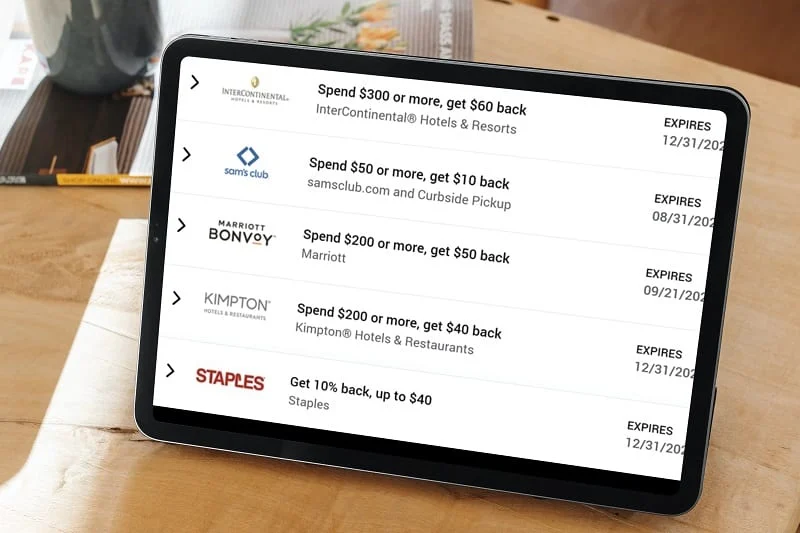
The landscape of consumer finance has undergone a significant transformation over the last decade, transitioning from simple cashback percentages to highly sophisticated, targeted merchant-specific incentives. Central to this evolution is the American Express Offers program, a digital ecosystem that allows cardholders to "activate" specific discounts and bonus point opportunities directly on their credit cards. Current data reveals a wide array of new incentives ranging from luxury furniture and high-end apparel to moving services and gourmet gifting, many of which carry expiration dates stretching into 2026. This long-term horizon suggests a strategic shift in how financial institutions and merchants are viewing multi-year partnership agreements to secure consumer loyalty in an increasingly fragmented retail market.
The Current Landscape of American Express Offers
The latest batch of American Express (Amex) Offers demonstrates the program’s reach across diverse economic sectors. For cardholders, these offers function as a bridge between financial services and lifestyle perks. Unlike traditional rewards that are earned at a flat rate, Amex Offers are personalized and targeted based on spending patterns, geographic location, and card tier. A cardholder with a premium American Express Platinum Card might see different incentives than one holding a Blue Cash Everyday card, though many offers overlap across the portfolio.
Among the most notable current opportunities is a high-value incentive for 1stdibs.com, a marketplace for antique and modern furniture, jewelry, and art. Cardholders can earn a one-time $200 statement credit after spending a minimum of $1,000. This offer, which remains valid until September 10, 2026, exemplifies the "luxury-tier" targeting that has become a hallmark of the Amex ecosystem. Similarly, the skincare brand Aesop is offering a $30 statement credit on purchases of $200 or more, valid through October 2026. These long-dated offers provide a unique window for consumers to plan significant purchases well in advance, a departure from the 30-to-90-day windows typically seen in the early days of the program.
Categorizing the Latest High-Value Incentives
To understand the breadth of the current offerings, it is necessary to categorize them by sector. The current list includes significant representation in home services, fashion, and specialty retail.
Home and Logistics
A standout in the logistics category is the 1-800-PACK-RAT offer, which provides a $60 statement credit on a single purchase of $300 or more. Valid until July 31, 2026, this offer targets consumers in transition, such as those moving or requiring long-term storage. By partnering with a major logistics firm, American Express positions itself as a utility tool for major life events, ensuring that its cards remain top-of-wallet during high-spend periods.
Fashion and Apparel
In the apparel sector, the program currently features 7 For All Mankind and Adrianna Papell. The former offers 6% back on purchases up to a total of $250, while the latter offers 4% back with a similar cap. These percentage-based rewards differ from the "spend X, get Y" model, allowing for incremental savings on smaller transactions. Furthermore, Adidas has partnered with Amex to offer a points-based incentive: 6 additional Membership Rewards points per eligible dollar spent, up to a limit of 5,000 points. This is particularly valuable for "points enthusiasts" who prioritize accumulating transferable currency over immediate cash back.
Specialty Retail and Gifting
1-800-Flowers continues its long-standing relationship with American Express with two distinct offers. One provides 25% back on all purchases, while the other offers a $15 credit on spends of $50 or more, repeatable up to four times. These offers cover a wide range of sub-brands, including Harry & David and Cheryl’s Cookies, illustrating how Amex leverages corporate conglomerates to provide broad value to its users.
Technological Integration and the Rise of CardPointers
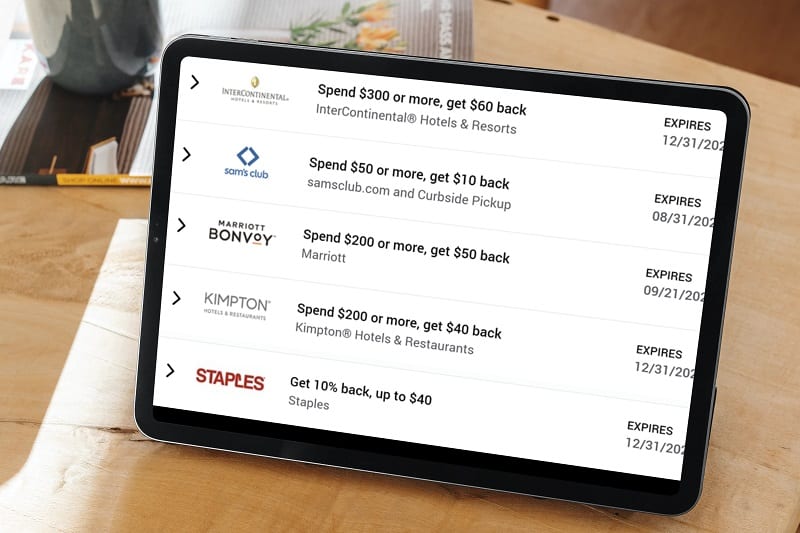
As the number of available offers has grown—often exceeding 100 per card—the challenge for consumers has shifted from "finding value" to "managing volume." This has led to the rise of third-party technological solutions like CardPointers. CardPointers acts as a digital intermediary, utilizing browser extensions and mobile applications to automatically aggregate and load offers onto a user’s various cards.
The integration of such tools is a response to the "friction" inherent in the Amex Offers interface, which requires users to manually click and add each offer. Industry analysts suggest that this friction is a deliberate design choice by financial institutions to ensure "active engagement" rather than "passive saving." However, the popularity of CardPointers indicates a consumer preference for automation. By streamlining the enrollment process, these tools ensure that cardholders never miss a discount, effectively increasing the redemption rate for merchants while boosting the perceived value of the credit card for the user.
A Chronological Overview of the Amex Offers Ecosystem
The Amex Offers program did not emerge in its current form overnight. Its history is a timeline of digital innovation in the banking sector:
- 2010–2012: The "Sync" Era. American Express launched "Amex Sync," which allowed users to link their cards to Twitter (now X) and Foursquare. By tweeting specific hashtags, users could "sync" an offer to their card.
- 2013–2015: Direct Dashboard Integration. The program moved away from social media hashtags and was integrated directly into the Amex website and mobile app. This period saw the introduction of the "Spend X, Get Y" format that remains the standard today.
- 2016–2019: Expansion and Personalization. Amex began using machine learning to better target offers. The number of partner merchants expanded from a few dozen to several hundred.
- 2020–Present: Long-Term Partnerships and Automation. The program began featuring offers with much longer expiration dates (12–24 months) and saw the rise of third-party "offer loaders." The current data showing offers expiring in 2026 marks a new chapter of multi-year merchant commitments.
Market Implications and Consumer Behavior Analysis
The proliferation of these offers has broader implications for the retail economy. For merchants, Amex Offers serve as a high-precision marketing tool. Unlike a general television advertisement, an Amex Offer is only presented to individuals who already possess the means and the credit to shop at a specific store. This "pre-qualified" lead generation is highly valuable, particularly for luxury brands like 1stdibs or Aesop.
From a consumer behavior perspective, these incentives create a "gamified" shopping experience. The psychological impact of "unlocking" a $200 credit can often drive a consumer to spend $1,000 when they might not have otherwise. This is a phenomenon known as "induced spending." While the consumer saves 20% in this scenario, the merchant succeeds in capturing a large transaction that might have gone to a competitor or been deferred entirely.
Furthermore, the data sharing involved in these transactions is a critical component of the modern financial economy. When a cardmember enrolls in an offer, they agree to terms that allow American Express to share transaction data with the merchant to verify the purchase. This data loop allows brands to measure the exact Return on Investment (ROI) of their marketing spend with Amex, a level of transparency that traditional advertising cannot match.
Competitive Analysis of Financial Institution Reward Programs
American Express is not alone in this space, but it remains the market leader in terms of volume and merchant quality. Chase (Chase Offers), Citi (Merchant Offers), and Capital One (Capital One Shopping) all have competing products.
- Chase Offers: Generally focuses on everyday spending such as gas stations, fast food, and streaming services. While useful, the credits are often smaller (e.g., $5 to $10).
- Citi Merchant Offers: Often overlaps with Amex but typically features fewer luxury brands.
- Capital One: Operates more like a shopping portal, often requiring users to click through a specific link rather than just using their card at a terminal.
Amex’s competitive advantage lies in its "closed-loop" network. Because American Express is both the card issuer and the payment processor, it has deeper insights into transaction data and more direct relationships with merchants than banks that rely on the Visa or Mastercard networks.
Navigating the Complexities of Terms and Conditions
While the potential for savings is significant, the current batch of offers carries strict "fine print" that consumers must navigate. Common restrictions found in the current data include:
- Direct Purchases Only: Most offers, such as those for 177 Milk Street or Ford Accessories, explicitly state that purchases made through third-party "resellers, delivery services, or other intermediaries" are ineligible. This means buying an Adidas product through an Amazon storefront would not trigger the 6x points bonus.
- Currency and Region Restrictions: Almost all offers are restricted to US-issued cards and require purchases to be made in US Dollars.
- Fulfillment Timelines: The terms for the 1-800-Flowers and 1-800-PACK-RAT offers note that statement credits can take up to 90 days after the offer’s expiration date to post, although in practice, they usually appear within a week.
Conclusion and Future Outlook
The current list of American Express Offers, characterized by its long-term validity and diverse merchant base, reflects a maturing digital rewards market. By providing a platform where luxury retailers, logistics firms, and everyday brands can interact directly with a curated audience of cardholders, American Express has created a powerful engine for both consumer savings and merchant growth.
As we move toward 2026, the year many of these current offers expire, we can expect to see further integration of artificial intelligence to refine targeting and perhaps more seamless "invisible" activations. For the modern consumer, the challenge remains one of organization: utilizing tools like CardPointers and staying informed on the latest updates to ensure that every dollar spent is optimized for maximum return. The Amex Offers program has effectively turned the credit card from a simple payment method into a dynamic membership platform that rewards strategic spending.




 Anjar Salim
 Chandra Hamzah
 Tatiana Tantri Indah Sari
 Lukman Taruna Persada Ramadan
