Chandra Hamzah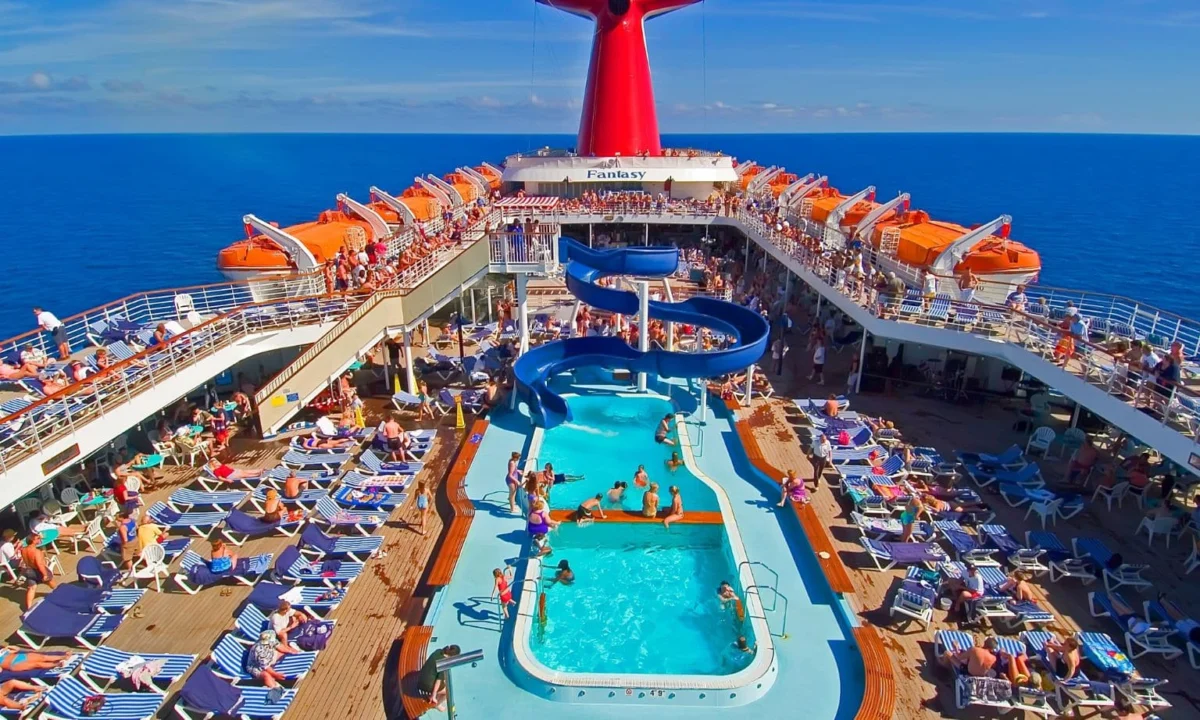
The escalating cost of living in Australia is prompting a significant shift in holiday planning, with thousands of families now exploring an avenue previously overlooked: cruising. This burgeoning interest stems from the compelling financial advantage cruises offer, with a family of four often finding they can save thousands of dollars compared to traditional resort stays on destinations like the Gold Coast or Fiji. Travel agents are reporting an unprecedented surge in inquiries from first-time cruisers, underscoring a growing trend driven by the need for budget-friendly yet comprehensive holiday experiences.
The financial pressures felt across Australian households are undeniable. Recent data highlights the extent of this impact, with reports indicating that over the past two years, a notable 12% of Australians have resorted to camping to reduce expenses, while a substantial 27% have forgone holidays altogether. This economic backdrop makes the inclusive nature of cruising particularly appealing. Projections for 2026 show a significant uptick in Australians planning a cruise, with 33% indicating their intention to set sail, a notable increase from 26% in 2024. This preference is largely attributed to the predictability of cruise fares, which typically encompass essential elements such as dining, entertainment, activities, and childcare – crucial assurances for families trying to manage their holiday budgets effectively.
The Allure of All-Inclusive Value
A primary driver behind the growing appeal of cruising is the inherent predictability of costs. Unlike resort-based holidays or land-based vacations, where daily expenses for meals, activities, and transportation can quickly accumulate and become difficult to budget, cruise fares often provide a clear overview of the majority of expenditures. For families prioritizing value and seeking to avoid the sting of constant out-of-pocket spending, cruising offers a distinct advantage. The core cruise fare typically covers a wide array of onboard amenities, allowing families to enjoy a full vacation experience without the constant pressure of calculating the cost of every meal or activity.
To provide clarity for families navigating tighter budgets, Cruise Passenger has compiled a comparative analysis, examining the potential savings offered by cruising against popular Australian holiday alternatives. This detailed breakdown aims to equip consumers with the information needed to make informed travel decisions during this period of economic constraint.
Cruise Line Comparisons: Unpacking the Value Proposition
Carnival Cruise Line: Budget-Friendly Beginnings
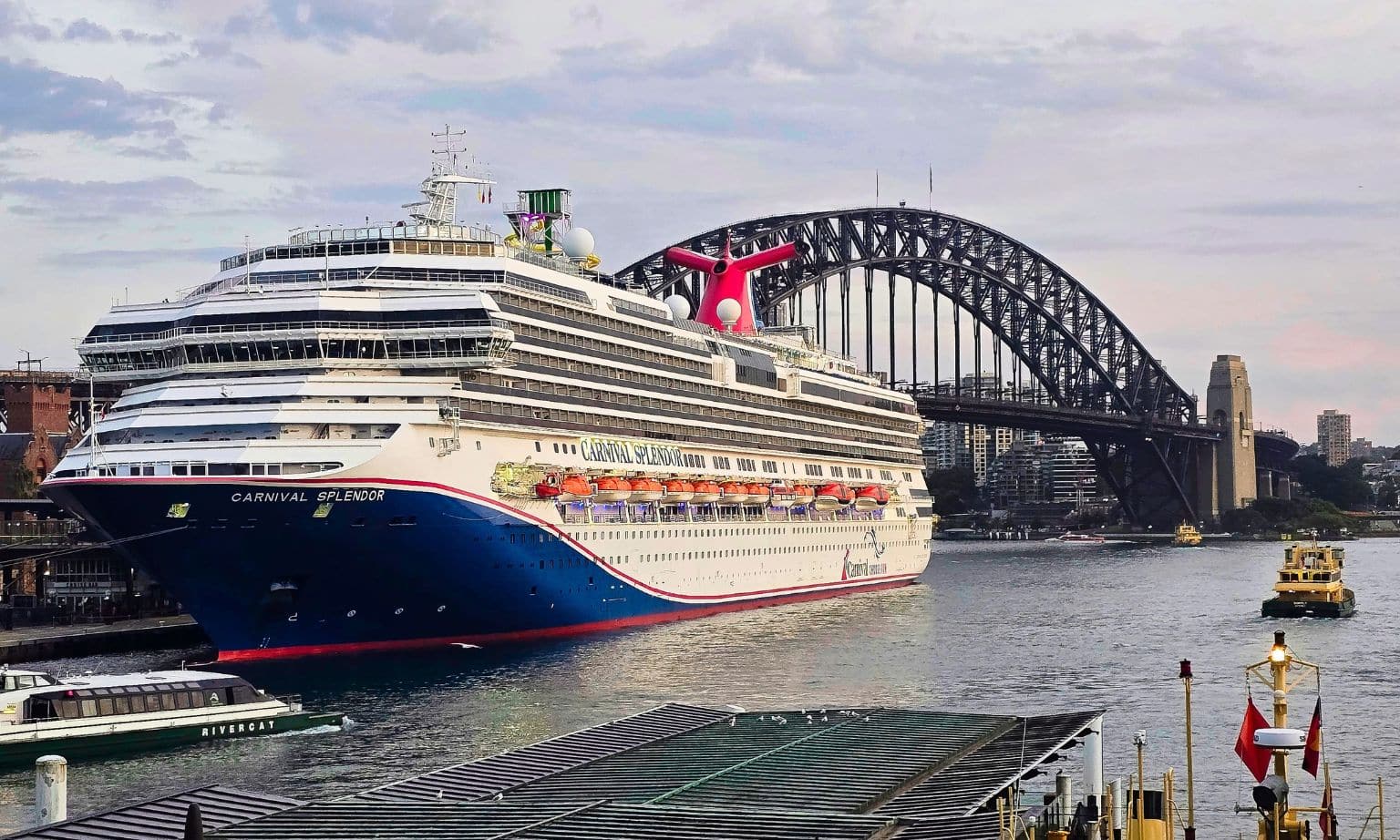
Carnival Cruise Line is emerging as a strong contender for budget-conscious families, offering fares that start at an attractive rate of less than $100 per person per night. A compelling example of this value is a 10-day cruise to Vanuatu and New Caledonia departing from Sydney. With multiple departure dates available in 2026 and 2027, this itinerary, which includes stops at Mystery Island, Port Vila, Lifou, and Noumea, begins at an accessible $949 per adult.
For a family of four, the estimated total cost for this 10-day Carnival cruise, based on the starting fare, would be approximately $3,796. This figure represents the base cost for accommodation, main meals, and a range of onboard entertainment and activities.
What is included in the Carnival fare:
- Accommodation in an interior or oceanview stateroom.
- All main meals in the buffet and main dining rooms.
- Access to a variety of onboard entertainment, including live music, shows, and family-friendly activities.
- Use of swimming pools, hot tubs, and fitness facilities.
- Age-appropriate kids’ clubs and supervised activities.
Potential extra costs on a Carnival cruise:
While the base fare provides significant value, additional expenses can arise. These typically include specialty dining restaurants, alcoholic and non-alcoholic beverages (unless a drinks package is purchased), casino spending, onboard shopping, and shore excursions. For this 10-day itinerary, an estimated allowance for these extras, assuming moderate indulgence, could range from $1,000 to $1,800 for a family of four. This might cover a few specialty dining experiences, a modest drinks package, and a couple of key shore excursions.
On-shore costs during a Carnival cruise:
Shore excursions, while not mandatory, offer opportunities to explore the destinations. Costs for organized tours or independent activities in ports like Port Vila or Noumea can vary significantly. For a family of four, budgeting approximately $150 to $300 per port day for excursions or local activities would be prudent, totaling an estimated $600 to $1,200 for the four-port itinerary.
Total estimated cost for the Carnival cruise:
Combining the base fare with a moderate allowance for extras and shore excursions, the total estimated cost for a family of four on this 10-day Carnival cruise would fall between $5,396 and $6,796. This figure demonstrates the potential for a comprehensive holiday experience within a defined budget.
Royal Caribbean International: A Premium Experience with Competitive Options
While Royal Caribbean International is often perceived as a premium cruise line, a closer examination reveals that many of its offerings are surprisingly competitive, particularly when factoring in the enhanced onboard experience. For families seeking a more elevated holiday, Royal Caribbean presents an attractive proposition.
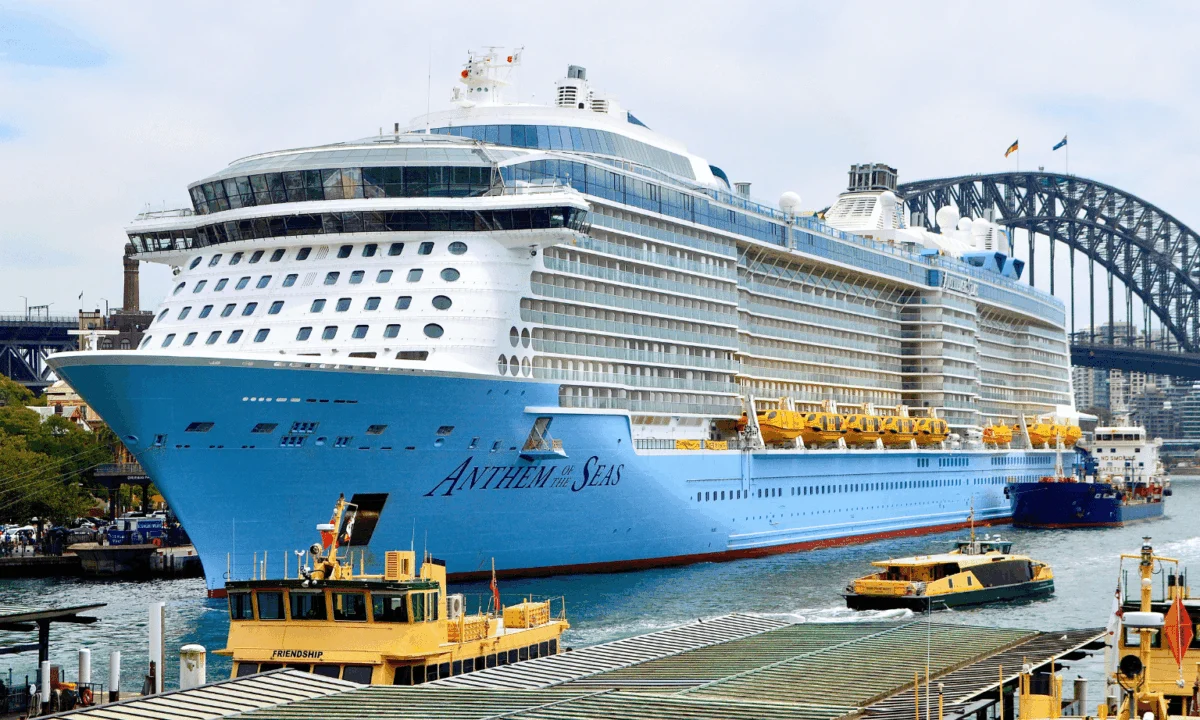
A prime example is a nine-night cruise from Sydney to the South Pacific, featuring access to Royal Caribbean’s new beach club at Lelepa. This itinerary, scheduled for departure in February 2028, starts from $1,569 per person. This cruise calls at three distinct ports, offering a blend of relaxation and exploration.
For a family of four, the base cost for this nine-night Royal Caribbean cruise would be approximately $6,276.
What is included in the Royal Caribbean fare:
- Accommodation in an interior or oceanview stateroom.
- All main meals in the main dining rooms and buffet.
- Access to a wide range of onboard entertainment, including Broadway-style shows, live music, and a variety of family activities.
- Use of onboard amenities such as pools, surf simulators (if applicable), rock climbing walls, and fitness centers.
- Supervised youth programs catering to various age groups.
- Access to the exclusive beach club at Lelepa.
Potential extra costs on a Royal Caribbean cruise:
Royal Caribbean offers a plethora of specialty dining options, premium beverage packages, and a wide array of paid activities. For a family of four on this nine-night cruise, a reasonable estimate for extras, including some specialty dining, a beverage package, and other onboard purchases, could range from $1,500 to $2,800. This allows for a more indulgent experience without reaching the highest spending tiers.
On-shore costs during a Royal Caribbean cruise:
The three ports of call offer opportunities for excursions. For a family of four, budgeting between $200 and $400 per port day for activities, tours, or independent exploration would be advisable, leading to an estimated on-shore cost of $600 to $1,200.
Total estimated cost for the Royal Caribbean cruise:
The total estimated cost for a family of four on this nine-night Royal Caribbean cruise, factoring in a moderate allowance for extras and shore excursions, would range from $8,376 to $10,276. This represents a higher price point than the Carnival option, but it often correlates with enhanced amenities, entertainment, and dining experiences.
Traditional Holiday Comparisons: The Gold Coast and Fiji
To provide a comprehensive comparison, Cruise Passenger has also analyzed the potential costs associated with two popular Australian holiday destinations: the Gold Coast and Fiji. For the purpose of this analysis, both destinations have been costed for a 10-night duration to align with the cruise itineraries.
The Gold Coast: Theme Parks and Beach Bliss
The Gold Coast is a perennial favourite for Australian families, offering a vibrant mix of theme parks, pristine beaches, and diverse entertainment options. While a typical Gold Coast holiday might be shorter, a 10-night stay allows for a more thorough exploration of its attractions.
Accommodation costs for 10 nights:
For a family of four seeking comfortable accommodation, a mid-range hotel or apartment would likely cost between $250 and $400 per night. Over 10 nights, this amounts to an estimated $2,500 to $4,000 in accommodation expenses.
Theme park and activity costs:
A significant portion of a Gold Coast holiday budget is often allocated to theme park passes. A multi-park pass for two adults and two children can range from $800 to $1,200, depending on the number of parks and days included. Beyond theme parks, other activities such as mini-golf, water sports, or local attractions could add another $400 to $800.
Other travel and daily expenses:
Daily expenses on the Gold Coast include meals, local transportation (such as ride-sharing or public transport), snacks, and incidental purchases. Estimating $150 to $250 per day for these necessities for a family of four would result in an additional $1,500 to $2,500 for the 10-day period.
Total estimated cost for a 10-night Gold Coast holiday:
The total estimated cost for a family of four on a 10-night Gold Coast holiday, encompassing accommodation, theme park passes, other activities, and daily expenses, would likely range from $4,700 to $7,500. This figure represents a moderate approach to holiday spending, without extensive fine dining or luxury experiences.
Fiji: Tropical Paradise and Resort Stays
A trip to Fiji offers a classic tropical escape, characterized by beautiful beaches, clear waters, and a relaxed resort atmosphere. For this comparison, a 10-night package including flights from Sydney has been considered, utilizing typical Flight Centre package pricing.
Package costs including flights and accommodation:
Based on current market offerings, a 10-night resort holiday in Fiji for a family of four, including economy flights from Sydney, can range significantly. A moderate package, encompassing standard accommodation and some resort amenities, could start from approximately $8,000 to $10,000. This figure often includes transfers to and from the resort.
On-resort expenses and activities:
While many resorts offer inclusions, additional costs for meals (if not all-inclusive), drinks, specific activities (such as diving or guided tours), spa treatments, and souvenirs can accumulate. For a 10-night stay, budgeting an additional $2,000 to $4,000 for these on-resort expenses would be a reasonable estimate.
Total estimated cost for a 10-night Fiji holiday:
The total estimated cost for a family of four on a 10-night holiday in Fiji, including flights, accommodation, and a moderate allowance for on-resort spending, could range from $10,000 to $14,000. This represents a more substantial investment compared to the cruise options.
The Verdict: Unveiling the Financial Advantage

| Holiday Type | Moderate/Budget Estimate (Family of 4 for ~10 days) | Including Extras/Activities Estimate (Family of 4 for ~10 days) |
|---|---|---|
| Carnival Cruise | $3,778 | $5,568 |
| Royal Caribbean Cruise | $4,804 | $6,989 |
| Gold Coast Holiday | $7,376 | $9,967 |
| Fiji Holiday | $8,171 | $13,581 |
Note: These figures are estimates based on the provided article data and general market research. Actual costs may vary significantly based on booking times, specific choices, and personal spending habits.
The comparative analysis clearly illustrates why cruising is gaining traction among Australian families facing economic pressures. While individual holiday spending is inherently variable, the fundamental cost structure of cruising presents a compelling case for value. Even when factoring in a moderate allowance for extras like drinks packages, specialty dining, or spa services, cruise fares remain significantly more competitive than traditional land-based holidays.
The primary advantage of cruising lies in its ability to mitigate the impact of daily, unpredictable expenses. On a Gold Coast holiday, for instance, families face recurring costs for meals, transportation, and activities each day. In contrast, a cruise ship offers a contained environment where a substantial portion of these daily needs is already covered. Families can enjoy included dining options, participate in complimentary onboard entertainment, and utilize kids’ clubs, thereby freeing up their budget to allocate towards optional splurges, such as excursions at ports of call or unique onboard experiences.
Resort holidays in destinations like Fiji, while offering relaxation, often come with a higher initial base cost. Furthermore, they typically provide fewer built-in entertainment options, and meal costs are frequently an additional expense. This means that even on a day spent relaxing at the resort, the overall expenditure can continue to climb.
Therefore, while cruising is not universally the cheapest option for every traveler or every type of holiday, its inherent structure, particularly the inclusion of core vacation elements, makes it a highly attractive proposition for families seeking to manage their holiday budgets effectively. The ability to enjoy a comprehensive vacation experience with predictable costs, and the option to control additional spending, is a significant drawcard as Australian households continue to navigate the challenges of the cost-of-living crisis.
Strategies for Maximizing Cruise Value
While cruising offers inherent value, mindful planning can further enhance affordability and ensure a budget-friendly experience. It’s important to acknowledge that while base fares are low, onboard spending can escalate if not managed. However, the financial buffer provided by the inclusive nature of cruises often allows for more flexibility in spending compared to other holiday types.
For families aiming to optimize their cruise budget or strategically allocate funds for specific splurges, several key strategies can be employed:
- Book During Off-Peak Seasons: Traveling outside of school holidays and major public holidays generally results in lower cruise fares.
- Consider Shorter Itineraries: Shorter cruises (e.g., 3-7 nights) can be significantly more affordable than longer voyages, offering a taste of the cruising experience without a substantial financial commitment.
- Opt for Interior or Oceanview Staterooms: These cabin categories are typically the most budget-friendly. While they may lack balconies, they provide comfortable and functional accommodation.
- Take Advantage of Included Dining: Cruise lines offer a variety of complimentary dining venues, including main dining rooms and buffets. These options provide diverse and high-quality meals, often negating the need for frequent specialty dining.
- Prioritize Free Onboard Activities: Ships are equipped with a wealth of free entertainment and activities, from live music and shows to pools, games, and fitness centers. Engaging with these offerings maximizes value.
- Evaluate Beverage Packages Wisely: If a beverage package is desired, carefully consider its cost against your typical consumption. For families with moderate or light drinkers, purchasing beverages individually might be more economical.
- Research Shore Excursions: While convenient, cruise line excursions can be expensive. Compare prices with independent tour operators in port or consider self-guided exploration to save money.
- Pack Smart: Avoid the need to purchase essential items onboard by packing everything required, from toiletries to medications.
- Look for Early Bird or Last-Minute Deals: Cruise lines occasionally offer discounts for early bookings or can have last-minute deals to fill remaining cabins.
- Utilize Loyalty Programs: If you are a frequent cruiser, join loyalty programs to earn points or receive exclusive benefits that can reduce future cruise costs.
By implementing these strategies, families can ensure that their cruise vacation remains an affordable and enjoyable escape, perfectly aligning with the current economic climate and the growing demand for value-driven travel. The shift towards cruising reflects a pragmatic approach by Australian families to maintain their holiday traditions while adapting to financial realities, proving that memorable experiences can still be achieved without breaking the bank.

 Gabriela Annisa
 Tatiana Tantri Indah Sari
 Budi Mulyono
 Anjar Salim