
 Gabriela Annisa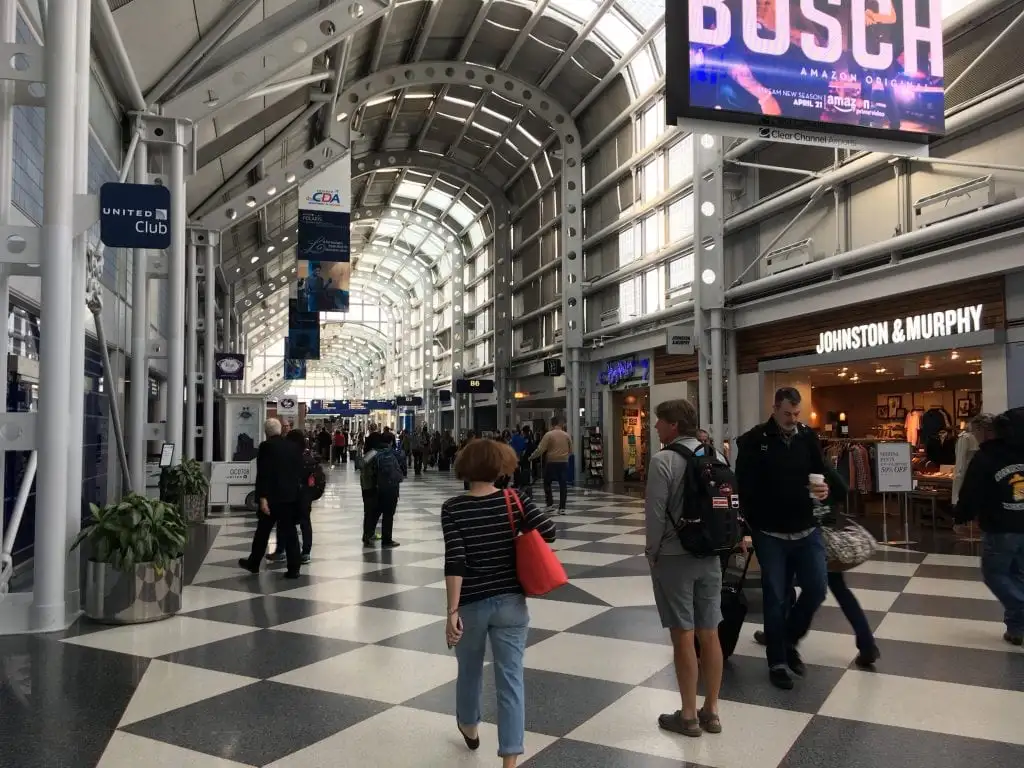
The United States airline industry is navigating an unprecedented fuel price crisis, with jet fuel costs nearly doubling since February, while simultaneously experiencing surprisingly strong passenger demand. This dynamic was a central theme at the recent JP Morgan Industrials Conference, where airline executives detailed their strategies for coping with escalating operational expenses and voiced growing concerns about the potential for a broader economic recession.
The Unprecedented Fuel Shock
Jet fuel, a critical component of airline operations, typically accounts for 20-30% of an airline’s total operating costs. A sudden and significant surge in these prices can have an immediate and profound impact on profitability and operational viability. Since late February 2022, the average price of US jet fuel dramatically increased, leaping from approximately $2.50 per gallon on February 27th to $3.93 per gallon by March 17th, according to data from Airlines for America. This nearly 60% jump in less than three weeks represents a severe financial shock to carriers.
The rapid escalation is primarily attributed to geopolitical events, most notably the ongoing conflict in Ukraine, which erupted in March 2022 and has since disrupted global energy markets and supply chains. Refinery spreads, the difference between the cost of crude oil and refined products like jet fuel, have also widened, particularly in regions like the US West Coast where refinery closures in California have further exacerbated price pressures. Alaska Airlines, for instance, has reportedly resorted to fueling aircraft in Asia to secure more favorable prices than those available domestically, highlighting the global impact and the lengths to which airlines are going to mitigate costs.
Resilient Demand Defies Expectations
Despite the significant increase in fuel prices, demand for air travel in the U.S. remains remarkably strong across all segments. Executives at the JP Morgan conference uniformly reported robust revenue performance, with demand proving resilient in premium, non-premium, domestic, international, and corporate travel categories. This unexpected strength in demand has provided airlines with crucial leverage to implement aggressive fare increases.
Delta Air Lines CEO Ed Bastian noted that the industry had successfully pushed through two major fare increases within the preceding three weeks alone. United Airlines CEO Scott Kirby characterized this as the fastest the industry has ever responded to a cost shock by raising fares. This ability to quickly pass on increased costs to consumers underscores the current strength of the travel market, a stark contrast to previous downturns where demand quickly evaporated.
However, some executives suggested that a portion of this demand might be "pulled forward," meaning consumers are booking trips sooner than they otherwise would, anticipating further price hikes. This behavior, reminiscent of inflationary periods where consumers accelerate purchases to avoid future higher costs, could potentially lead to a future softening of demand if prices stabilize or economic conditions worsen. For example, some airlines, like Cathay Pacific, explicitly announced impending fuel surcharge increases with lead time, potentially stimulating a rush of bookings before the new charges took effect.
Key Insights from the JP Morgan Industrials Conference
The JP Morgan Industrials Conference, a premier event routinely hosted by major financial institutions for their clients, served as a crucial platform for C-suite executives from nearly all major US airlines to share their perspectives on the industry’s state. The presentations offered invaluable insights into current challenges and strategic responses.
-
Fuel Mitigation Strategies: Beyond fare hikes, airlines are leveraging diversified revenue streams. Loyalty programs, maintenance arms (like Delta’s TechOps), ancillary fees (such as Southwest’s new bag fees), and expanded premium cabin offerings (JetBlue’s Mint) were cited as critical "weapons" to deal with the crisis. These revenue sources provide a buffer that was less prevalent in previous fuel crises, positioning airlines in a stronger financial state than in the mid-2000s when many faced bankruptcy. Delta’s unique ownership of an oil refinery in Philadelphia, acquired over a decade ago, also offers a degree of mitigation, though it only covers a small percentage of its global fuel needs. The refinery’s original purpose was to secure jet fuel supplies in the critical Northeast, maximizing production for the region, benefiting not just Delta but other airlines operating there.
-
Balance Sheet Resilience: American Airlines, despite historically facing higher debt levels compared to some peers, reported its debt at a 10-year low, having utilized positive cash flow over recent years to improve its balance sheet. The airline also highlighted substantial collateral, including aircraft and other assets, that could be leveraged if funding becomes necessary in a prolonged high-fuel environment, indicating that major funding issues or bankruptcy are not immediate concerns. This demonstrates a significant improvement in financial health across the industry compared to prior periods of high fuel prices.
-
Weather Disruptions and Q1 Performance: Executives noted that significant weather disruptions in January, February, and early March had removed considerable capacity from the system. While this typically increases unit costs due to fewer available seat miles, it also contributed to higher unit revenues, as demand remained strong against reduced supply. JetBlue, for example, updated its Wall Street guidance, projecting even better unit revenue performance than initially anticipated, partly due to these factors and partly to underlying demand strength. The impending first-quarter earnings season will provide a clearer picture of the financial impact.
Navigating the O’Hare Turf War
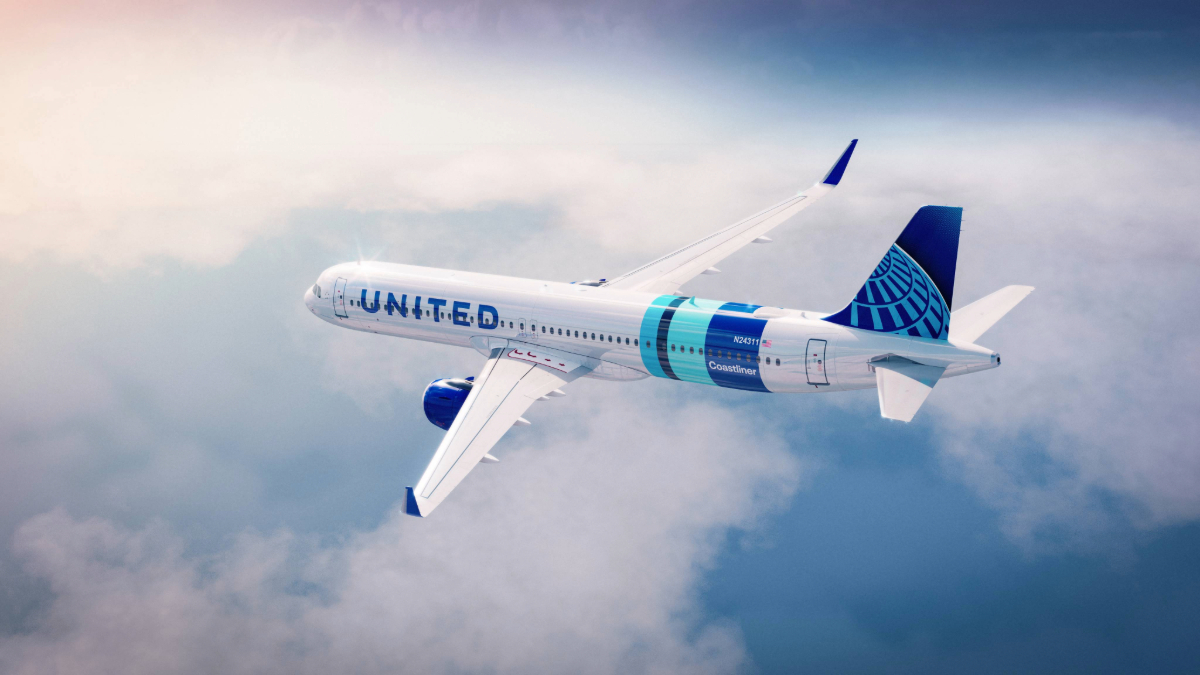
A notable point of contention at the conference was the escalating competitive battle between American Airlines and United Airlines at Chicago’s O’Hare International Airport. United CEO Scott Kirby accused American of being "irresponsible" by injecting excessive capacity into the market, alleging that American was losing significant amounts of money in Chicago. American Airlines CEO Robert Isom staunchly defended his airline’s strategy, asserting that their capacity additions were part of a long-term rebuilding effort, not a predatory move. Isom emphasized American’s deep commitment to the Chicago market, stating, "American has been flying in Chicago for 100 years. Our very first flight was, it had Chicago as one of the legs flown by Charles Lindenburg. American is not leaving Chicago, no matter what anyone says." This "schoolyard scuffle," as described by industry observers, highlights the intense competition in key hub markets. Southwest Airlines’ decision to withdraw from O’Hare and consolidate operations at Midway Airport, while not directly related to the American-United spat, further illustrates the dynamic and sometimes challenging competitive landscape in Chicago.
A Shift in the Competitive Landscape
Historically, during periods of economic strain or increased operating costs, ultra-low-cost carriers (ULCCs) and low-cost carriers (LCCs) might seize the opportunity to aggressively discount fares, attracting consumers "trading down" from legacy carriers. However, this crisis has presented a different dynamic. Legacy carriers, having evolved their product offerings, now possess "basic economy" fares and large narrow-body aircraft with very low marginal cost seats. This allows them to effectively match LCC pricing, thereby preventing a significant "trading down" phenomenon and maintaining their market share. This aggressive price matching from larger carriers marks a distinct characteristic of the current environment compared to previous industry shocks, such as those in the mid-2000s or the 2010-2012 period when oil prices also topped $100 a barrel. The current strategy suggests a more integrated competitive approach rather than distinct market segmentation.
The Looming Specter of Recession
While US airlines appear to be managing the immediate fuel price spike with a combination of fare increases and diversified revenue streams, a far greater concern emerged from the executive discussions: the potential for sustained high fuel prices to "break the US consumer" and trigger a broader economic recession. Many executives expressed apprehension that if crude oil prices remain elevated at or above $4 per barrel for an extended period, it could erode consumer purchasing power, leading to a significant downturn in spending.
Parallels were drawn to the summer of 2008, when oil prices surged to nearly $150 a barrel, contributing to a severe strain on household finances and ultimately acting as a trigger for the mortgage-driven financial crisis in the US. While the current situation has different underlying economic drivers, the fear remains that a prolonged period of expensive energy could be the "straw that breaks the camel’s back," impacting consumer spending, corporate profits, and potentially leading to a credit crunch. The critical unknown is at what point this "trigger" might be pulled – whether after six months, a year, or longer – leaving airlines and the broader economy in a state of watchful uncertainty. The current environment, marked by significant capital spending in sectors like AI and data centers, provides some economic buoyancy, but its effect on the average consumer’s ability to absorb higher travel costs remains a key variable.
Industry Adapts to Persistent Volatility
United Airlines Chief Commercial Officer Andrew Nocella aptly summarized the industry’s contemporary reality, stating, "I think we’re getting used to this volatility. If it’s not one thing, it’s another. So we’re always prepared to be agile." This sentiment reflects a pervasive understanding that the 2020s have been defined by an abnormal series of shocks—from the COVID-19 pandemic in March 2020 to geopolitical conflicts and even worsening weather disruptions. This continuous barrage of challenges has forced airlines to become inherently more agile and adaptable, viewing volatility as a fundamental aspect of their operating environment.
While the current fuel crisis is a significant hurdle, the US airline industry appears better equipped than in previous cycles, thanks to stronger balance sheets, diversified revenue streams, and a refined ability to adjust pricing and capacity. The true test, however, lies in the broader economic fallout and whether consumer resilience can withstand prolonged inflationary pressures, preventing the current cost shock from morphing into a demand crisis. The ability of airlines to quickly implement fare increases without significantly dampening demand is a testament to current market conditions, but the sustainability of this approach in the face of wider economic challenges remains a critical question.
Skift Idea Awards: Recognizing Innovation Amidst Challenges
Even amidst these operational and economic challenges, the travel industry continues to foster innovation. The Skift Idea Awards, now in its eighth year, serves as a benchmark for recognizing impactful ideas across the entire travel ecosystem. These awards celebrate companies and leaders driving transformation in areas such as customer experience, AI, digital transformation, sustainability, and product design. The awards emphasize impact over scale, welcoming submissions from startups, mid-size players, global brands, and individual leaders who are implementing smart solutions to real-world problems. This platform highlights the ongoing commitment to progress and adaptation within the industry, even as it confronts formidable external pressures. The submission process for the Skift Idea Awards is streamlined, with details available on live.skift.com, encouraging broad participation from across the travel sector, including airlines and airports, to showcase their contributions to an evolving industry.
As the industry moves towards the first-quarter earnings season, all eyes will be on how these strategies translate into financial performance and whether the robust demand can continue to offset the persistent burden of elevated fuel costs. The path ahead remains fraught with uncertainty, yet the US airline industry demonstrates a renewed resolve and strategic depth in navigating its turbulent skies.


 Anjar Salim
 Chandra Hamzah
 Susilo Edi Turonggo
 Tatiana Tantri Indah Sari
 Walid Sujud Trenggono